Stetson University Center for Community Engagement | Community Impact

Author: [email protected]

  • Non Profit Leadership Cohort: Governance and People – Week 2: The Board

    In Week 2 of the Non Profit Leadership Cohort, participants turned their attention to one of the most influential forces in nonprofit success: the Board of Directors. A well-functioning board provides more than oversight—it offers vision, accountability, and the partnerships needed to sustain long-term impact. This session unpacked the essential roles of nonprofit boards and encouraged leaders to think critically about building strong, engaged governance teams.


    Roles & Responsibilities

    Board members serve as stewards of the mission. Their responsibilities extend beyond attending meetings—they set strategic direction, ensure financial oversight, and uphold accountability to stakeholders and the community. Cohort participants examined how effective boards balance governance with support, providing both high-level leadership and practical partnership with staff.


    What Makes a Good Board Member?

    Not every volunteer is the right fit for board service. A good board member is committed to the mission, willing to contribute time and resources, and open to learning. The session emphasized the importance of diversity in skills, backgrounds, and lived experiences. A board thrives when its members bring complementary perspectives, collaborate respectfully, and maintain a willingness to both lead and listen.


    Boards and Fundraising

    One of the most crucial (and sometimes most challenging) responsibilities of a board is fundraising. Cohort members explored the many ways board members can contribute—beyond simply writing a check. This includes opening doors to new donors, cultivating relationships, making thank-you calls, and telling the organization’s story with passion. Effective fundraising requires every board member to play a role, reinforcing that sustainability is a shared responsibility.


    Board Orientation

    Strong boards don’t just happen—they are built through intentional onboarding and education. The session highlighted the value of a board orientation program to set expectations, introduce organizational culture, and provide tools for success. Ongoing training and support keep members engaged, informed, and ready to govern with confidence.


    Discussion: Board Dynamics

    No two boards are alike, and board dynamics can shape how well a nonprofit functions. Cohort participants engaged in a candid discussion about common challenges, from communication breakdowns to unclear boundaries between governance and management. The group reflected on strategies to build trust, encourage collaboration, and address conflict before it undermines the organization’s work.


    Looking Ahead

    Week 2 reinforced the reality that boards are more than a legal requirement—they are partners in advancing the mission. By clarifying responsibilities, recruiting the right members, and cultivating healthy dynamics, nonprofits can unlock the full potential of their boards.

    As the Governance and People series continues, participants are building a toolkit to strengthen their leadership and better align people, purpose, and governance.
  • Non Profit Leadership Cohort: Governance and People – Week 1: The Org

    The Non Profit Leadership Cohort launched its Governance and People series with a foundational focus on “The Org”. In this first session, participants explored the building blocks of nonprofit organizations, gaining clarity on the systems, values, and priorities that shape effective leadership. Week 1 emphasized that strong governance and intentional people-centered leadership are not optional—they are the engine that drives impact and sustainability.


    The Lifecycle of a Nonprofit

    Every nonprofit evolves through a recognizable lifecycle, from its early start-up phase to growth, maturity, and in some cases, renewal or decline. Understanding where an organization sits on this continuum allows leaders to anticipate challenges, seize opportunities, and design strategies for resilience. This lens helps nonprofit leaders appreciate that growth is not always linear; instead, it requires adaptability, self-awareness, and ongoing investment in people and systems.


    Mission, Vision, Values, and Outcomes

    At the heart of every nonprofit are the guiding statements that define who they are and why they exist. Participants revisited the importance of a clear mission, an aspirational vision, and organizational values that inform culture and decision-making. Equally critical are outcomes—the measurable impact that demonstrates progress toward the mission. This combination ensures nonprofits can articulate both purpose and accountability to stakeholders, funders, and the communities they serve.


    The 9 Gears of Successful Nonprofits

    Strong organizations don’t thrive on passion alone. The session introduced the 9 Gears of Successful Nonprofits, a framework that highlights the interconnected systems needed to function at full capacity. These gears—ranging from leadership and governance to fundraising, marketing, finance, and evaluation—remind us that an organization is only as strong as its weakest gear. Alignment across these systems enables nonprofits to move from surviving to thriving.


    Strategic Priorities

    With countless needs in the community, clarity of focus is essential. Cohort members practiced identifying strategic priorities—the core areas that will drive impact and growth. Priorities serve as a compass, ensuring that programs, staffing, and resources align with the mission. By setting achievable yet ambitious priorities, organizations can channel energy where it matters most, avoiding the trap of trying to do everything for everyone.


    SWOT Analysis

    A practical tool for setting those priorities is the SWOT Analysis: identifying strengths, weaknesses, opportunities, and threats. Through this exercise, leaders take stock of internal realities and external conditions. It’s not just about identifying problems, but also about recognizing assets and opportunities for innovation. Cohort participants explored how SWOT builds a shared understanding among boards, staff, and stakeholders, setting the stage for collaborative action.


    Compliance and Transparency

    Finally, the session underscored the importance of compliance and transparency. Legal obligations, financial reporting, and ethical practices are the baseline expectations of nonprofit governance. But true transparency goes further—inviting community trust through open communication, clear reporting, and authentic storytelling. Cohort members reflected on how governance structures and accountability systems not only protect organizations but also amplify credibility and impact.


    Looking Ahead

    Week 1 laid the groundwork for nonprofit leaders to view their organizations holistically—balancing vision with accountability, and passion with structure. By grounding leadership in strong governance and people-centered practices, nonprofits can build sustainable organizations ready to meet the challenges of today and tomorrow.

    The Non Profit Leadership Cohort continues in the weeks ahead, diving deeper into the themes of governance, leadership, and community impact. Together, participants are equipping themselves to lead with integrity, clarity, and courage.

  • Summer of Service – Pãozinho Solidário

    by Beatriz Rodrigues

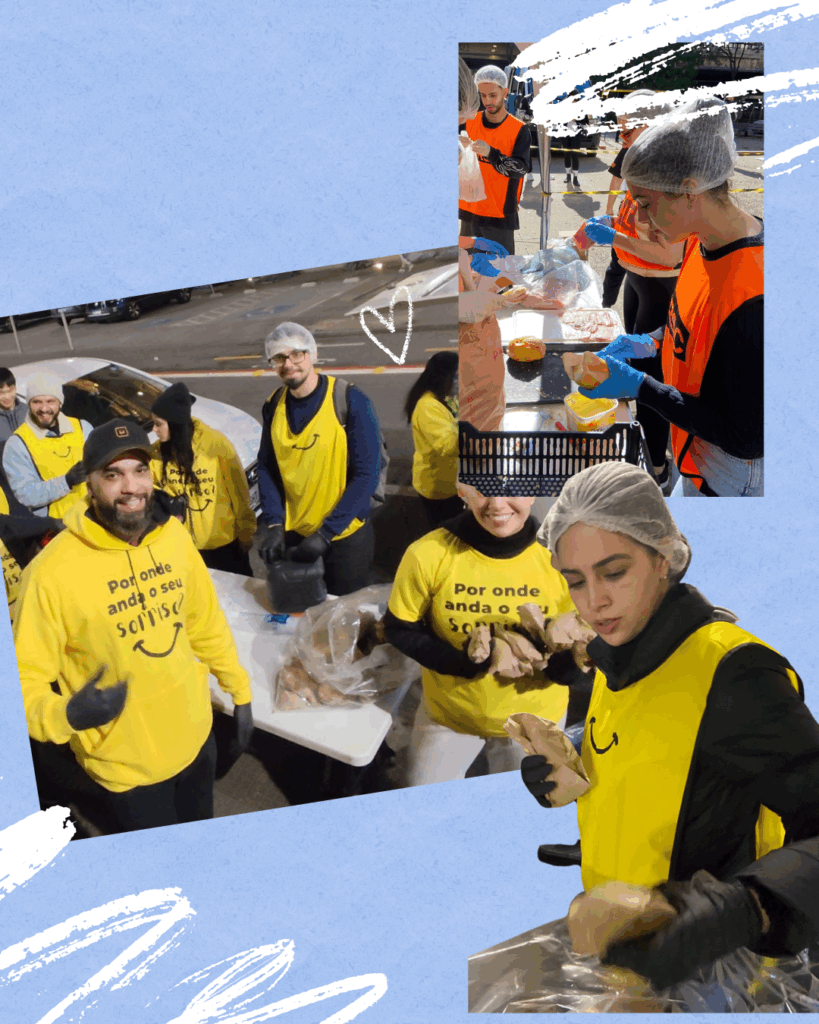
    This Summer I worked with Pãozinho Solidário (solidarity bread), and it was an amazing experience. I had the chance to visit their headquarters and meet the team in person, which helped me understand the impact they’re making. The highlight of this experience was definitely being part of our outreach event in partnership with another organization focused on supporting people experiencing homelessness and their pets. We offered meals, essential care, and other services for both of them.

    I helped assemble care packages with food, hygiene supplies, and winter clothing. I also assisted with logistics, securing quotes from suppliers and donors. I also organized the food-serving volunteer team, ensuring they understood their responsibilities before and during the event.

    During the outreach, we also provided veterinary care and food for animals, and organized fun activities for the kids, with special meals and candies to make their day more enjoyable.

    It was really inspiring to see how much effort goes into every detail. Being part of this experience reminded me how small actions can make a big difference in people’s lives. It made me even more motivated to keep contributing, learning, and supporting causes like this. I’m looking forward to seeing the impact we can make together

  • Summer of Service – Brazil

    by Beatriz Costa

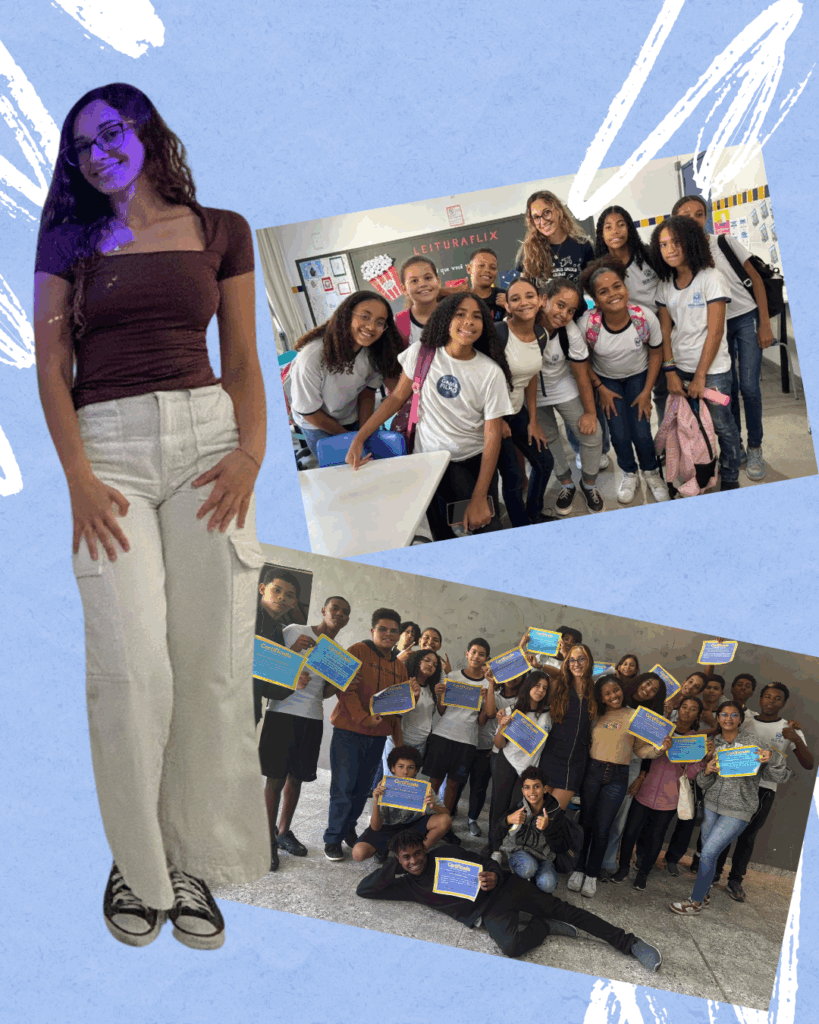
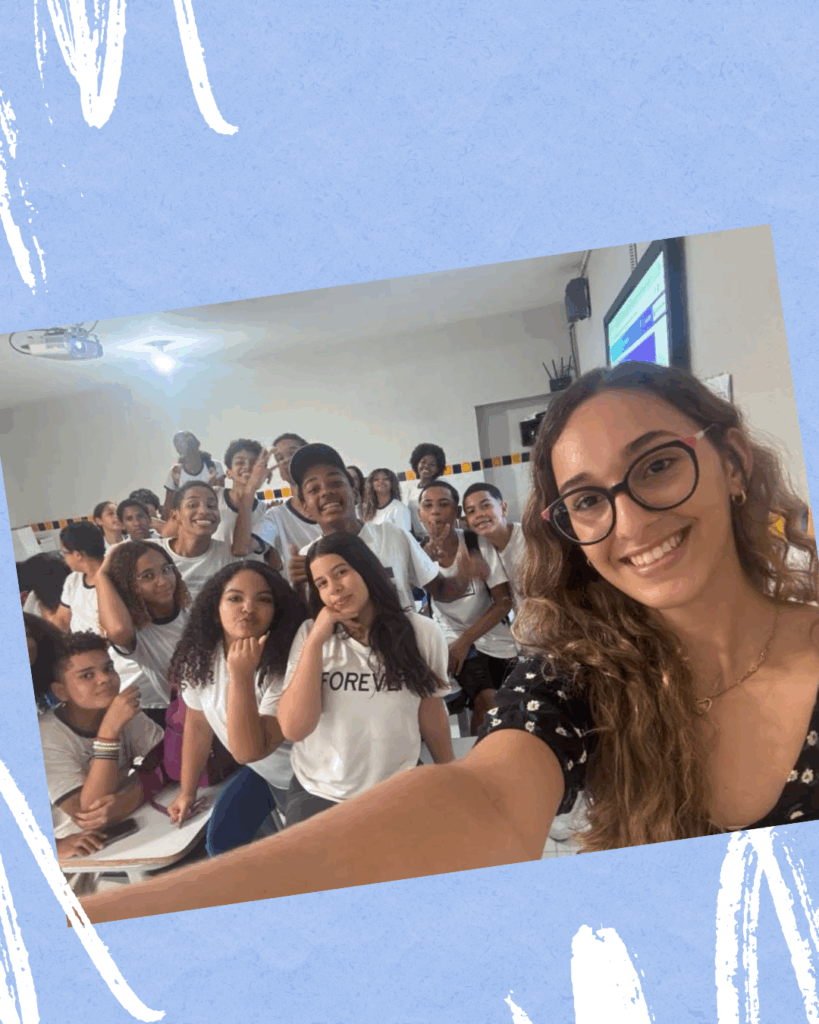
    I’m back at my community in Brazil, and I just began teaching English and French classes in my old school. Being back in my community and sharing my learnings has been incredibly gratifying. It feels like nothing has changed, but I have.

    Planning, creating, and teaching engaging and insightful classes are not easy tasks, but I’m excited to keep improving as a teacher and leader.

    At first, I thought my biggest challenge would be finding people interested in taking the classes, since unfortunately, my old school has a big reputation for dropouts and failures. To my surprise, though, the interest form had already over 50 responses in less than three days. Day after day, many of the students are getting more and more excited about being in class.

    After the first day of classes, even more people reached out to join. For English, I started with greetings, the verb “to be”, articles, numbers, and colors. I also touched on greetings, the verb être (to be), professions, and nationalities for French.

    The past few weeks have been full of learning and adapting. After trying different types of lessons and dynamics, I’m beginning to understand what works best for each of my four classes. So far, we’ve explored songs, online games, mnemonics, and even miming. I’ve been doing my best to keep students engaged and interested.

    The students are enjoying our time together, and I’ve aleady heard some heartwarming feedback from them and even from teachers who were curious about the progress of my classes.

  • Summer of Service – Ginsburg Family Foundation

    by Derrick Doh

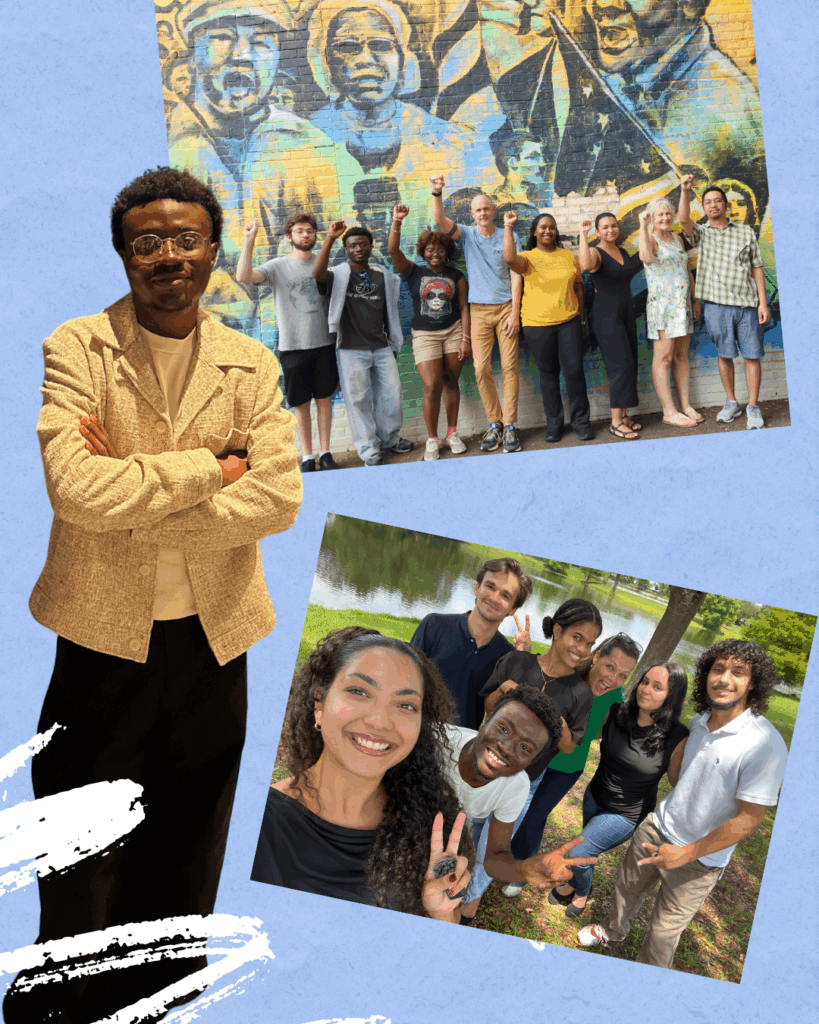
    This summer, I had the opportunity to serve with the Ginsburg Family Foundation, where I worked on curriculum development for The Phoenix Generation Movement (PHXGEN), a youth-centered initiative aimed at bridging divides and fostering dialogue across difference.

    Our first few weeks were spent in deep exploration, learning principles, and activities that had already shaped the movement. We categorized and clustered related activities, traced how one initiative led to another, and slowly, the framework of the PHXGEN model started to take form. It was a generative process, built on reflection, iteration, and curiosity.

    The environment at the foundation also contributed greatly to my experience. I leave this summer more confident in my ability to work collaboratively, design thoughtful programs, and trust the process of building something new from the ground up. This was not just a summer of service, it was a summer of discovery and growth.

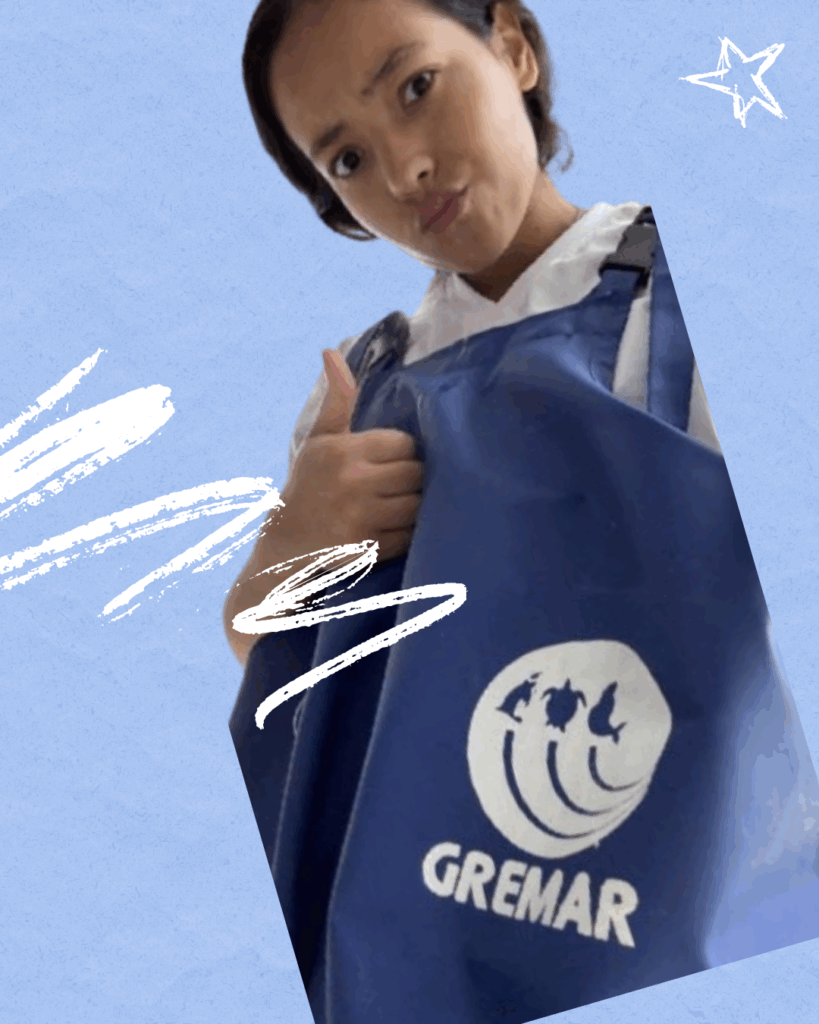
  • Summer of Service – Gremar Institute

    by Carine Milheiro

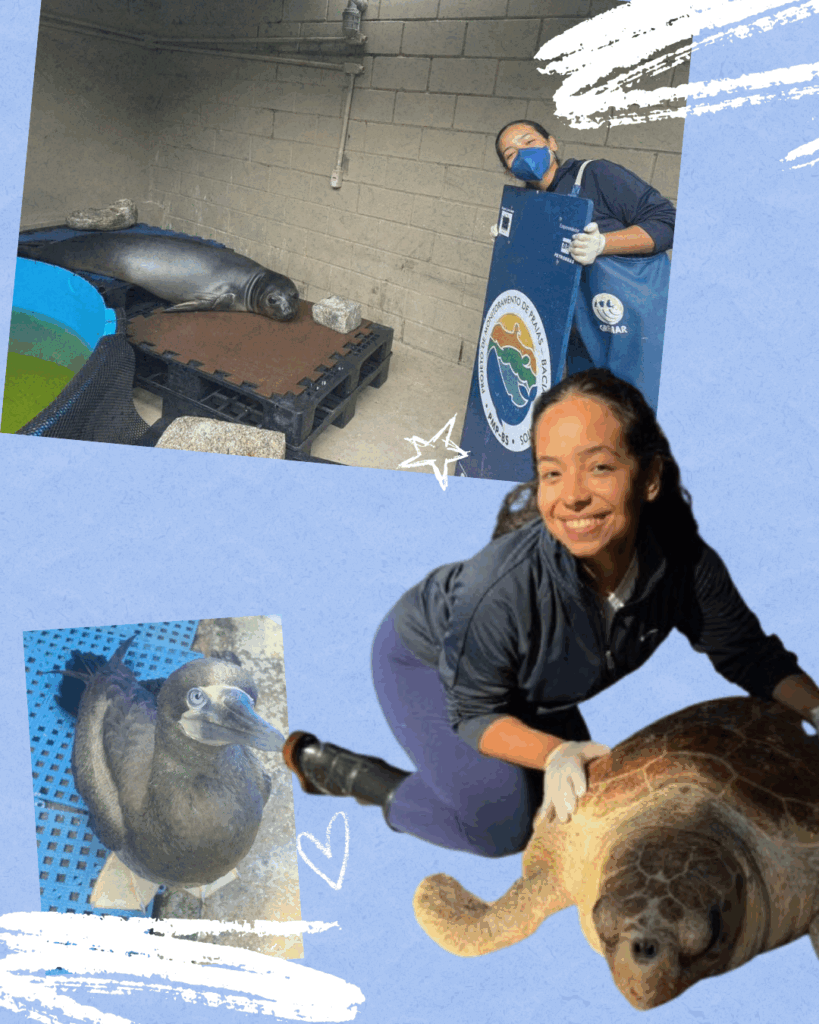
    Each week at Gremar Institute has taught me something new, like animal feeding, delivering medication, and handling techniques. I’ve gained a lot of hands-on knowledge and insight into what real wildlife rehabilitation looks like! This experience made me even more passionate about animal care and environmental conservation.

    One of the most valuable things I learned was how to properly handle the turtles, ensuring both their safety and mine.

    At GREMAR Institute, I’ve had the incredible opportunity to rotate through different sectors. In my first week, I worked in stabilization, where I learned about the initial care given to animals upon arrival. During the second week, I was in the enclosure area, assisting with cleaning, feeding, weighing, administering medication, and monitoring medical conditions.

    I also learned basic physical therapy techniques for rehabilitation. In the third week, I joined the sea turtle sector, measuring water temperature, observing flotation types, reporting changes to vets, and helping with cleaning, feeding, and treatments. Currently, in my fourth week, I’m working in the kitchen, preparing meals and administering medications.

    Another thing I focused on was animal feeding. I learned about the different diets and feeding techniques for different species, depending on their condition, age, and natural behavior. Each species requires specific care, and I started to understand how nutrition plays a key role in the recovery process.

    I feel incredibly grateful for the chance to work with such amazing professionals and animals, many of which I had never even seen in person before. I absolutely loved working with sea turtles, marine birds, raptors, and even some wild terrestrial animals. Two species I especially loved working with were cormorants (biguás 🇧🇷) and boobies (atobás 🇧🇷) both incredibly interesting seabirds with unique behaviors.

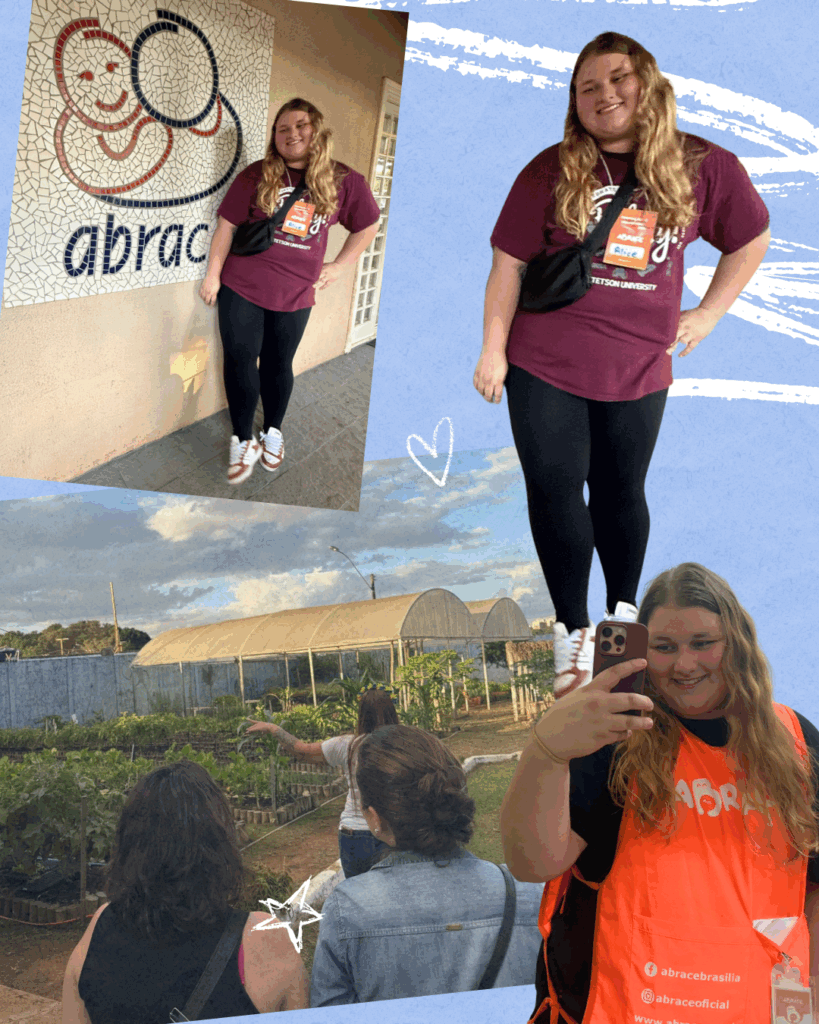
  • Summer of Service – Abrace

    by Alice Martineli

    Working with children is one of my passions, and being able to sit, play, and talk with them is one of the most valuable experiences I’ve had during my Summer of Service.

    I am very happy to help in different ways. I’m learning so much through this experience, and I’m very grateful to be part of this work.

    Having the first contact with kids undergoing cancer treatment was challenging, but I discovered that I had so much more to gain than I was giving.

    I was able to connect with the kids from the very beginning. Each day I get more amazed by how strong each one of them is. Despite everything they’re going through, they still manage to keep a shining smile on their faces!

    I’ve also been deeply involved in building a brand-new organic garden at our new Abrace headquarters. This project has been a labor of love, designed to grow fresh, pesticide-free produce like carrots, potatoes, etc that will soon be part of the weekly food baskets we provide to families in treatment.

    What makes this initiative so meaningful to me is the long-term impact. By adding organic produce to our baskets, we are improving the quality of food they receive while actively addressing food insecurity and helping combat malnutrition among the children we support.

    This experience has reminded me of the value of small, hands-on actions. Sometimes, the most meaningful change starts with a shovel, some seeds, and a lot of love.

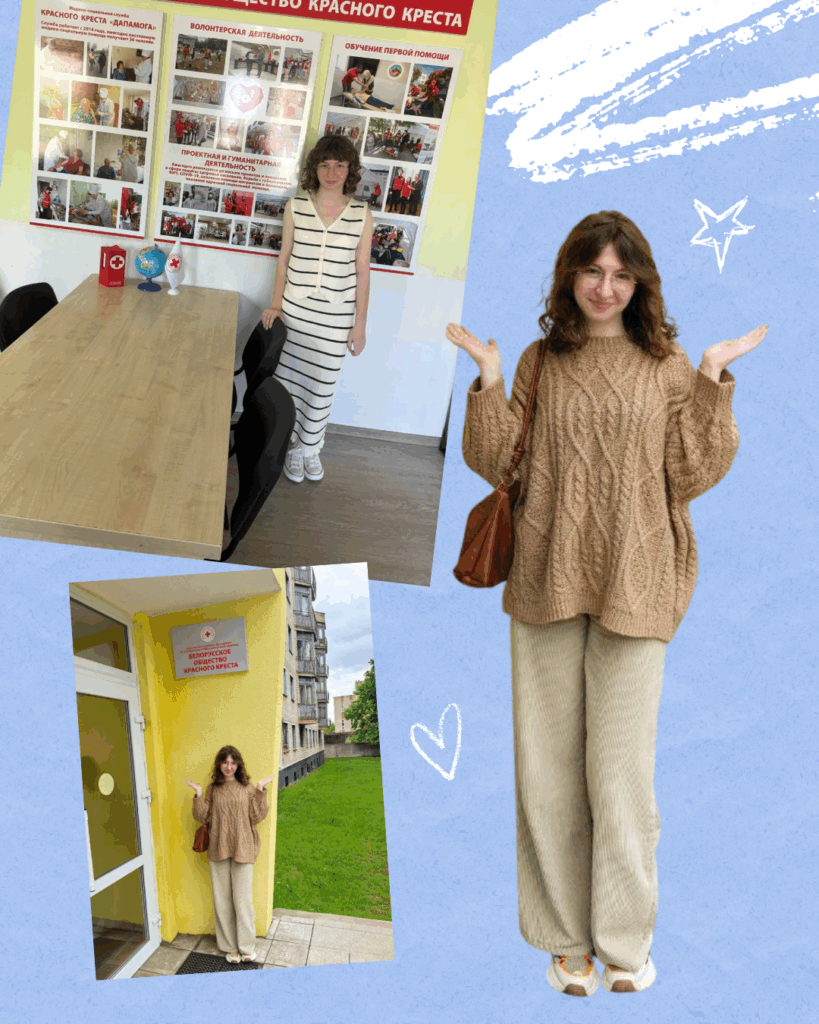
  • Summer of Service – Red Cross in Belarus

    by Kira

    From day one, my internship with the Red Cross in Belarus has been so meaningful! I have found that working on financial planning has been especially interesting to me.

    Using my analytical skills to set fundraising goals with my team made me feel like I was making a real difference. Seeing how donations and financial planning help the Red Cross grow and support more people is truly inspiring.

    It feels great to contribute to an organization that shares my values and helps those in need.

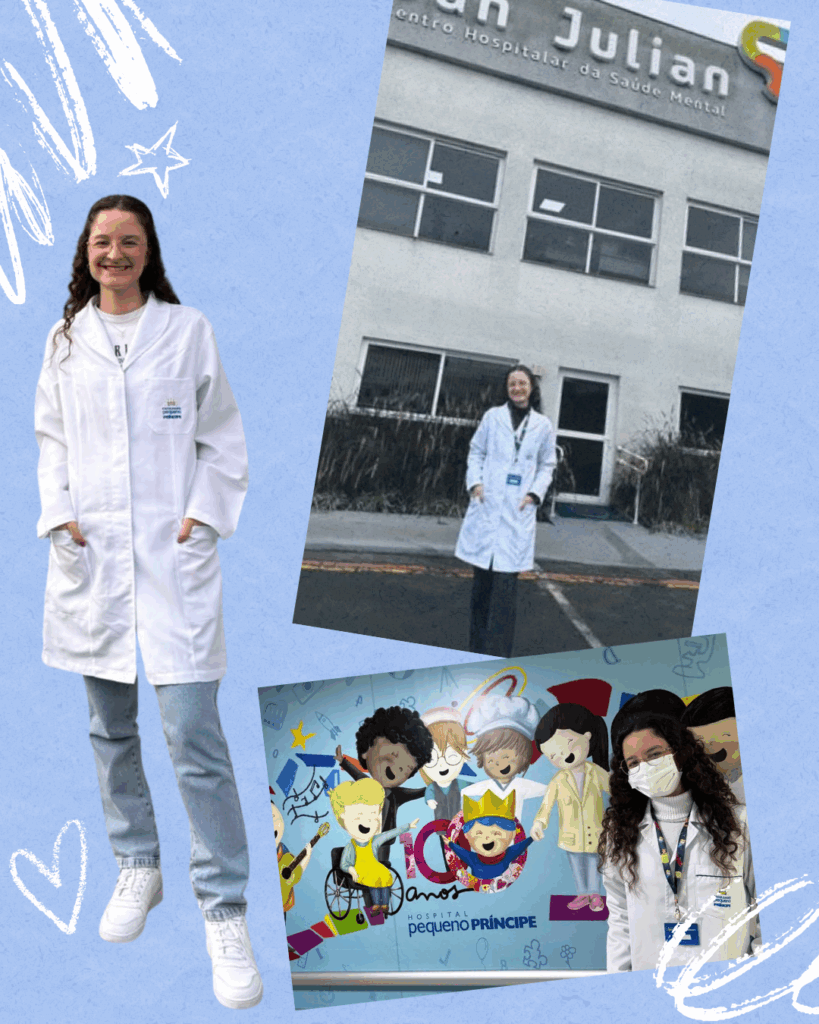
  • Summer of Service – Faculdades Pequeno Príncipe and Hospital Pequeno Príncipe

    by Julia Ramos

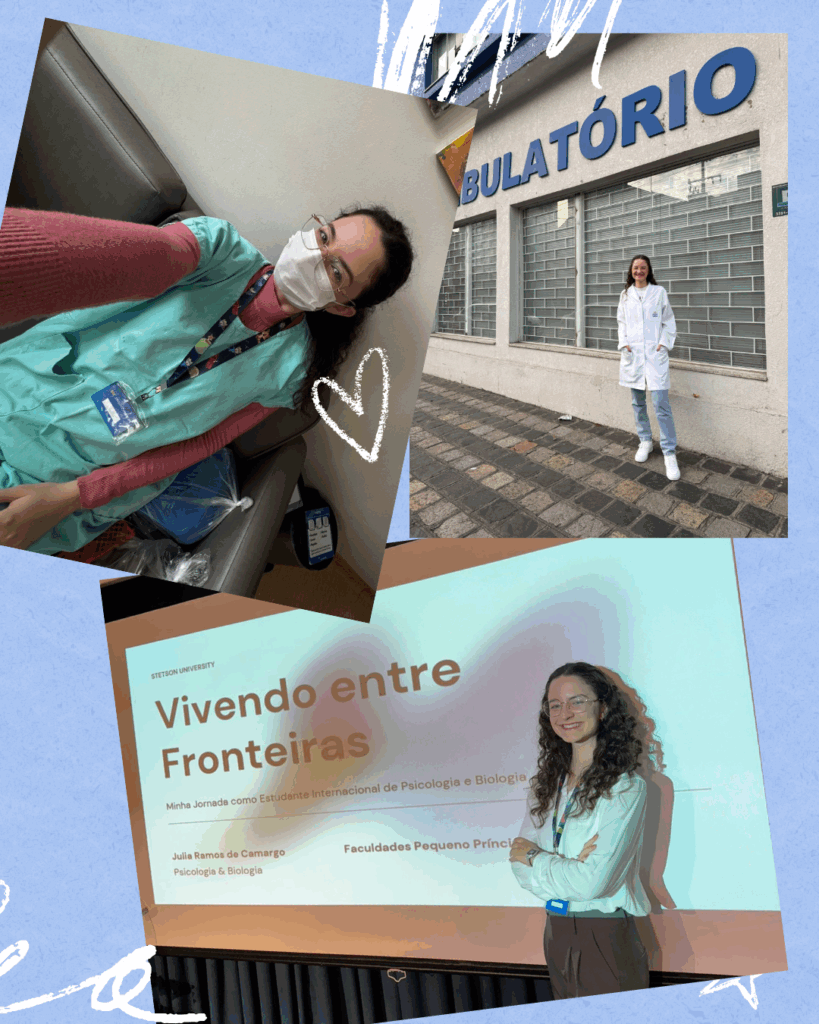
    My experience at Faculdades Pequeno Príncipe and Hospital Pequeno Príncipe in Brazil has been nothing short of transformative. This journey has helped define the kind of compassionate and informed professional I aspire to become.

    I had the honor of presenting a workshop and giving a lecture on my experience as an international student in the U.S. and the differences between the psychology field there and in Brazil.

    Sharing my journey and insights with fellow students was a true highlight. It was deeply fulfilling to connect through shared passion and exchange perspectives that cross borders.

    At the outpatient care clinic, I administered the Hospital Anxiety and Depression Scale (HAD) to patients before their medical appointments.

    This initial step of psychological screening plays a crucial role in understanding the mental state of each patient and has taught me how subtle but significant mental health indicators can be in clinical practice.

    At the hospital, I shadowed psychologists in a wide range of specialties, including neurology, oncology, nephrology, short bowel syndrome, and the surgery ICU.

    Each specialty comes with its own challenges, approaches, and patient needs.Being immersed in these different areas has sparked deep reflection about my role as a future healthcare professional.

  • Summer of Service – Cellular Biology lab at Fiocruz

    by Isabelle Condor

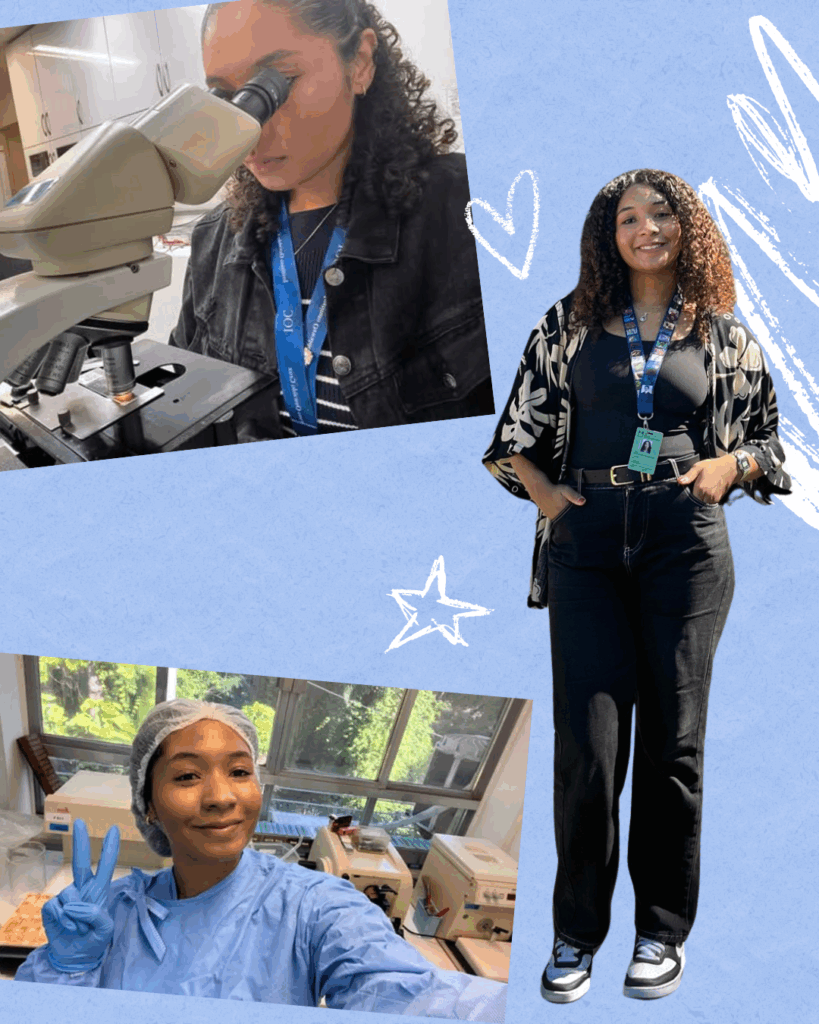
    My internship in the Cellular Biology lab at Fiocruz in Brazil has been so inspiring with hands-on work and meaningful engagement with the institute’s mission.

    Fiocruz is a public research institute that promotes public health and biomedical research in Brazil and Latin America, with a focus on addressing diseases that disproportionately affect low-income populations.

    In the lab, I got to work on a research project focused on developing experimental chemotherapy for Chagas disease, a neglected tropical disease that affects millions of people across Latin America and has increasingly become a global health issue.

    During my first week, I learned how to work with synthesized compounds, how to apply them in the animal models, and assist with the preparation of experimental solutions, a process that gave me insight into the ethical biomedical practices that are necessary to protect the life of the animals and infected patients.

    I also learned how to isolate macrophages, which are key immune cells that engulf and digest pathogens. And I learned how to stain both macrophages and cardiomyocytes, the muscle cells that enable the heart to contract.

    These staining techniques are essential for enhancing the visualization of cellular structures under the microscope.

    One highlight: After completing essential training sessions, I was able to collect and handle mice, as well as perform macrophage collection, without the need for supervision. This was an important step in consolidating my skills and confidence in the lab.

    Outside the lab, I got to participate in weekly seminars and lab meetings where researchers present and discuss the latest advances in the field. These conversations have deepened my understanding of how science evolves through collaboration and shared knowledge.

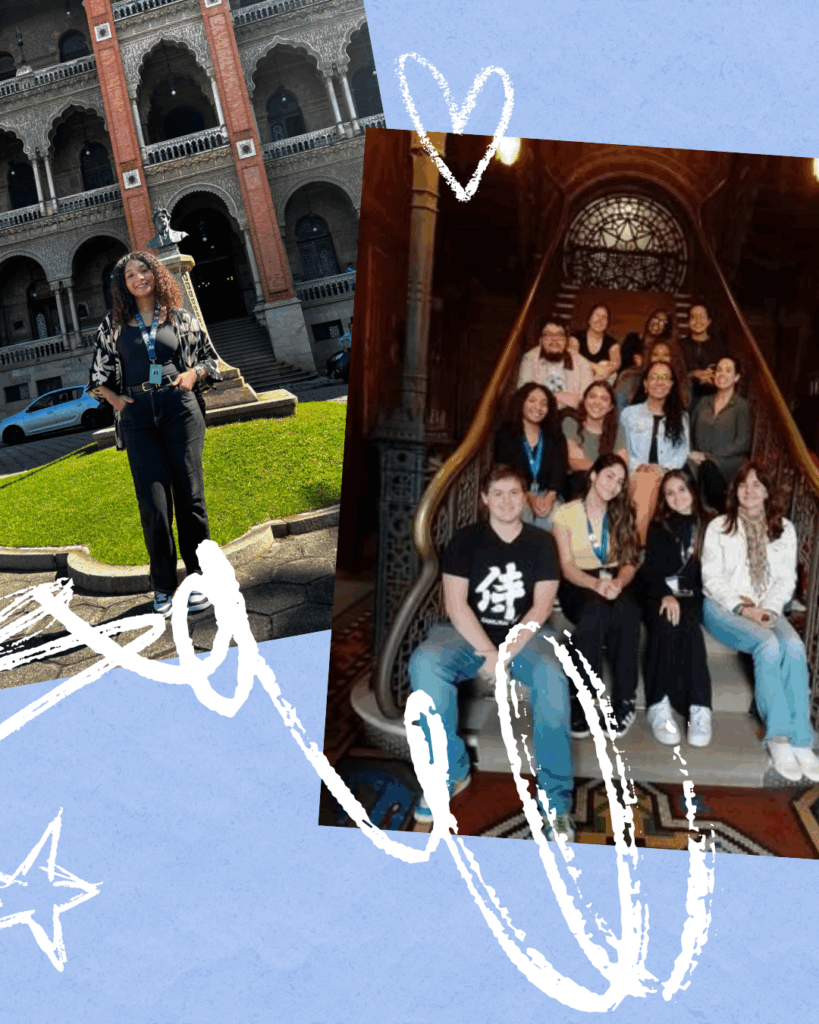
    I also got to work alongside visiting researchers from Belgium, learning firsthand how international partnerships are essential to advancing drug development for neglected diseases.

    It’s inspiring to witness the way this lab brings together scientists from different backgrounds and countries to work toward a common goal: improving global health.

    I’m so grateful to be learning from passionate scientists who are committed to creating solutions for communities often left out of healthcare discussions.

    Fun fact: “I had the unexpected opportunity to meet Natália Falavigna, a Brazilian world medalist in Taekwondo, who happened to be visiting the institute, and she took a picture of our lab team!