Summer Study in the Archives
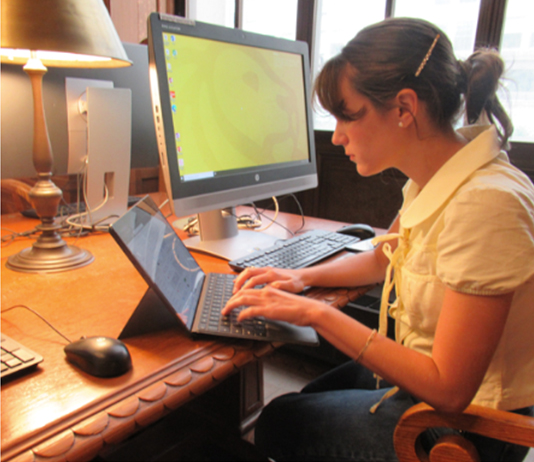
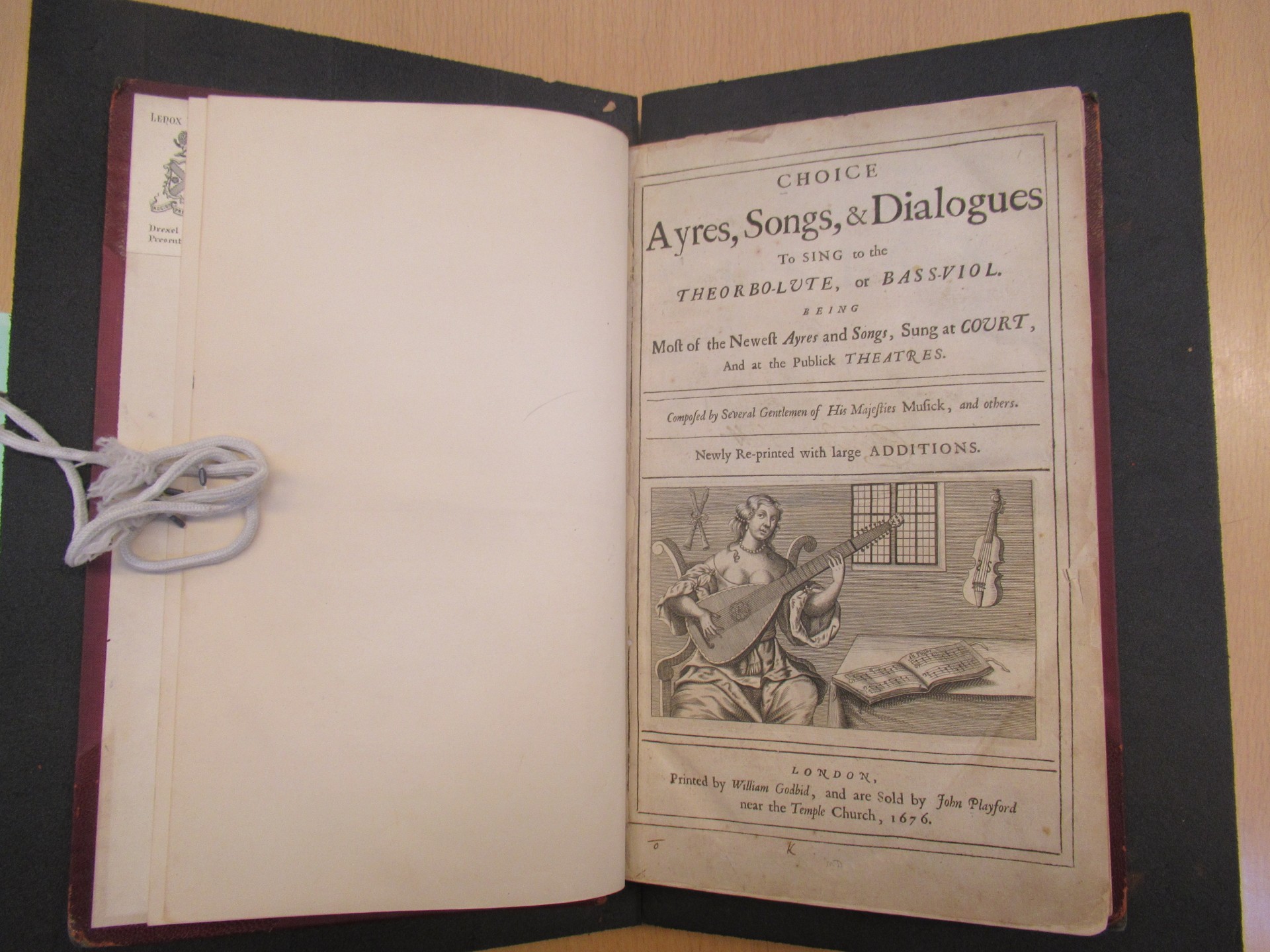
Junior Natalie Reece McCoy traveled to the New York Public Library in New York City in May to pour over 400-year-old manuscripts from the Renaissance as part of a summer research project.
Her travel was funded by the Stetson Undergraduate Research Experience, which provides $2,000 stipends for research and $500 for travel for students to present their findings at an annual meeting in their discipline.
McCoy praised the SURE grant for giving her access to the Renaissance collections of music and poetry. Her object of study, the manuscript NYPL Drexel Ms. 4175, contained notes for working-class women who performed them as songs, but the music had been lost through time. A singer and songwriter, McCoy plans to restore the music and perform this historical poetry once again.
“I can’t just look up a digital version of them or go to my university’s library to find the materials that I need to research because the manuscripts that I’m looking at are just so rare,” said McCoy, a Music minor and J. Ollie Edmunds scholar.
Revitalizing Hidden History
In Washington, D.C., Owen Lazarus, an Honors Program student and Presidential Fellow, had been met with a similar problem. The primary sources he needed were only accessible in person, shedding light on the American perception of German activities in China during the 1930s.
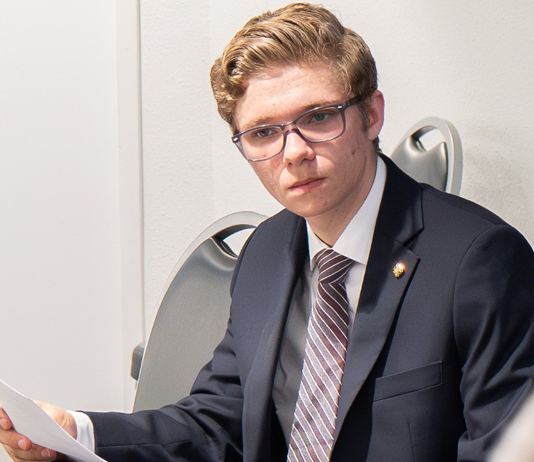
When asked if his research would have been possible without the support of the SURE grant covering the cost of his visit to the National Archives, Lazarus responded, “No. Not at all. I would not have been able to go nearly as far with this without having access to that support.”
Lazarus found the concept for his SURE grant research while sitting in an empty classroom within Elizabeth Hall. He recalls reading through the book “Germany in Republican China” and being astounded that the U.S. was not mentioned.
At the time, Lazarus’ research was focused on a failed U.S. mission involving China during the war. This new observation set him off in a new direction, emboldened by his research mentors, Associate History Professor Leander Seah, PhD, and History Department Chair Eric Kurlander, PhD.
This was a choice that Lazarus does not regret, stating, “I’ve grown so much methodologically from having such a daunting project. It’s really pushed me to the brink at times, but it’s worth every second of it.”
Preparing for the Future
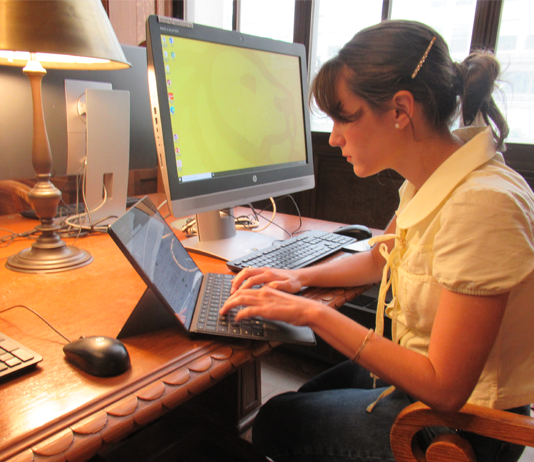
Similarly, McCoy credits her mentor, English Professor Joel Davis, PhD, for encouraging her to apply for the SURE grant, and connecting her to academics that work specifically with embodying Early Modern music and literature.
“He’s been really curious about every detail of the process,” McCoy said of her mentor’s involvement in her SURE grant research. “It’s really encouraging because it shows me that there’s somebody else out there who cares about this research that I’m doing enough to do it with me.”
Though McCoy’s research was an extension of a project from her sophomore year, the SURE grant has given her the means to take that project and turn it into an experiential learning opportunity.
Lazarus, on the other hand, has made his SURE grant research an extension of his senior research project. The additional eight weeks of intensive research have pushed him to not only improve his senior research but also himself.
He said about the experience, “As a scholar in training this has been an instrumental process in my growth and in understanding the world of academia.”
–Ginger Anders