Stetson’s Alexander Hamilton Society Hosts Discussion on Iran War
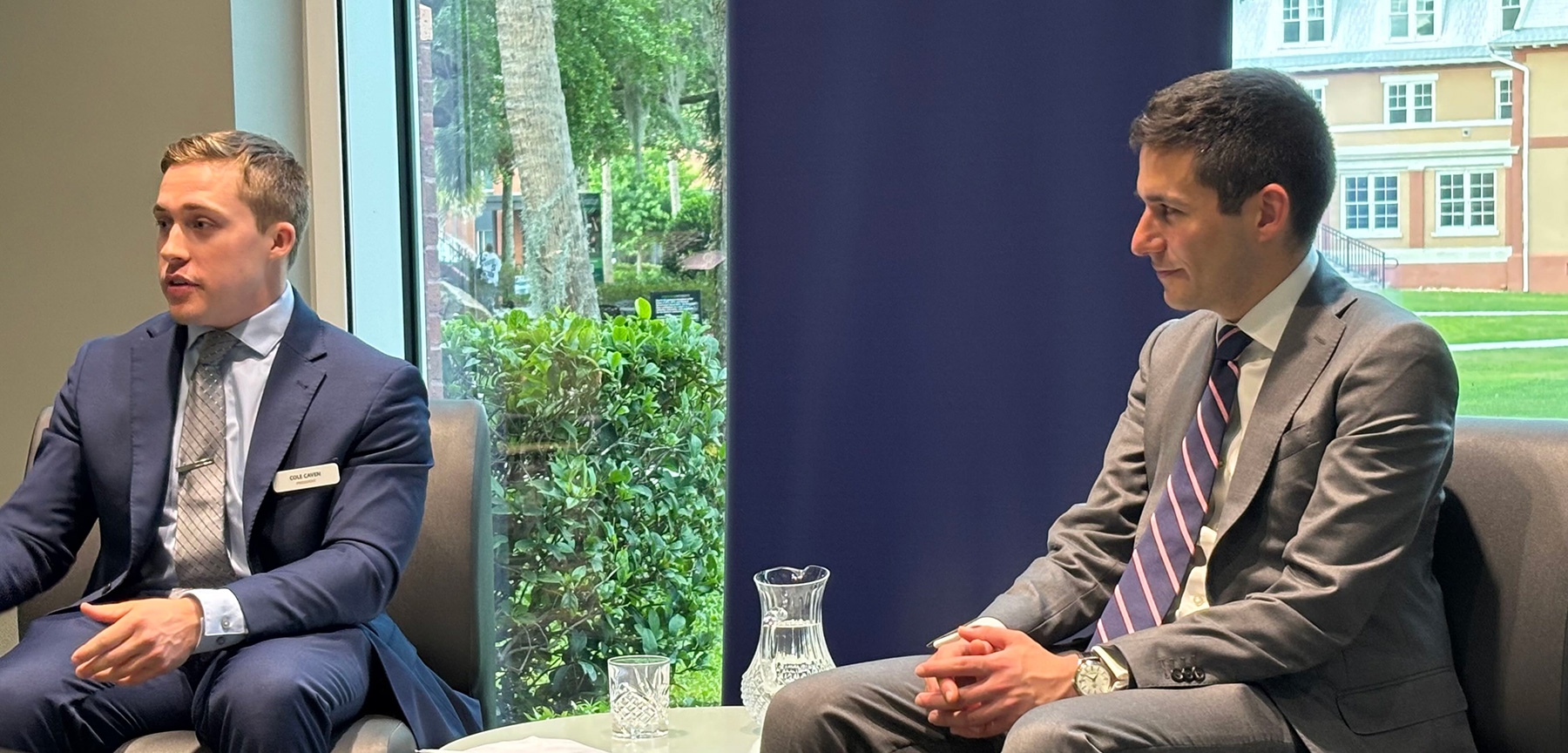
On April 30, the Alexander Hamilton Society hosted a discussion on the war in Iran. This event, “The Iran War: Risks, Consequences, and What Lies Ahead”, featured Daniel J. Samet, PhD. Samet is a Jeane Kirkpatrick fellow at the American Enterprise Institute, and has written extensively about Middle East Policy and U.S.-Israel relations.
Samet began by discussing four angles with which he has assessed the war in Iran from a U.S. perspective: military success, strategic implications of the war, its economic impact, and its affect on domestic politics.
Starting with the military, Samet stated that the U.S. has seen great success in this conflict, citing successful strikes on key targets and significantly reducing the threat Iran’s military poses.
He then covered the broader strategic implications of the war and shed light on the U.S.’ role in the conflict. “The United States remains the indispensable power in the Middle East. Only we can do what we’re doing right now in the Middle East. The Chinese can’t do it. The Russians can’t do it. The Europeans can’t do it. And even Israel can’t do it fully. We have to step in.”
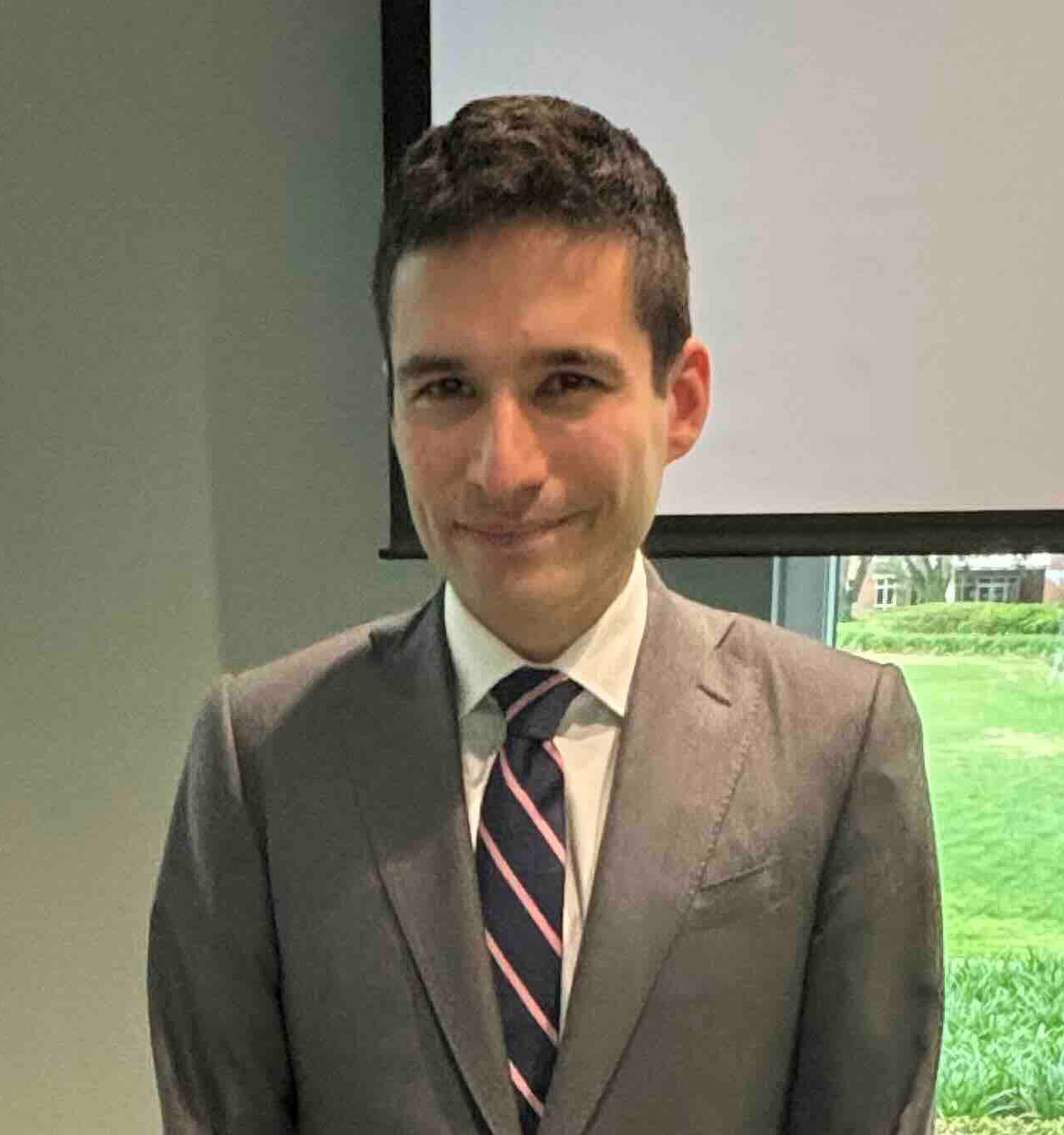
While America has seen military success, Samet stated that this success is somewhat dampened by the economic impact the war has brought to Americans. He cited rising gas prices as a chief concern for U.S. citizens, and it’s a concern that also ties into his thoughts on the war’s impact on the nation’s domestic politics.
“Public opinion has turned dramatically against this war,” Samet stated. He noted that the current U.S. administration is struggling to convey the importance of its involvement in this war. “They [U.S. citizens] aren’t on board with this war against Iran. They don’t understand the reason why we’re there. They don’t understand the strategic rationale for the war. They don’t think it’s good for the United States to be prosecuting the war in the first place. On the messaging front, the administration I think has a lot of work to do.”
From there, the discussion shifted to an open Q&A, with students and members of the public discussing the broader implications of the Iran War further. Amidst these discussions came the question of who the biggest winners and losers of this war would be.
Speaking to the state of the U.S., Samet concluded that the future was still uncertain. If the U.S. were to withdraw now, before ensuring that Iran no longer plans to develop nuclear weapons, it would be a loss for the nation. However, there is a scenario where the U.S. could emerge as a winner. “[If] Iran says, all right, no more nuclear weapons, no more support for proxies overseas, no more ballistic missiles, no more drone program, no more maligned behavior, and they actually abide by those terms, then I think that would be a victory for the U.S. Again, it just depends on what happens next.”
-Noah Belachew