Skip to content

Stetson emerges as top contender in prestigious national moot court championship

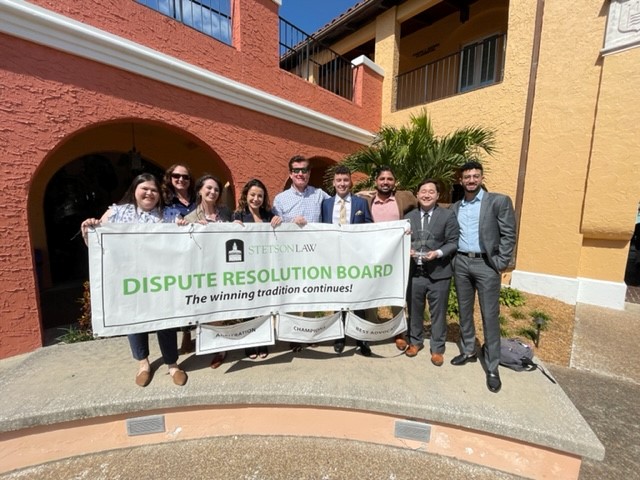
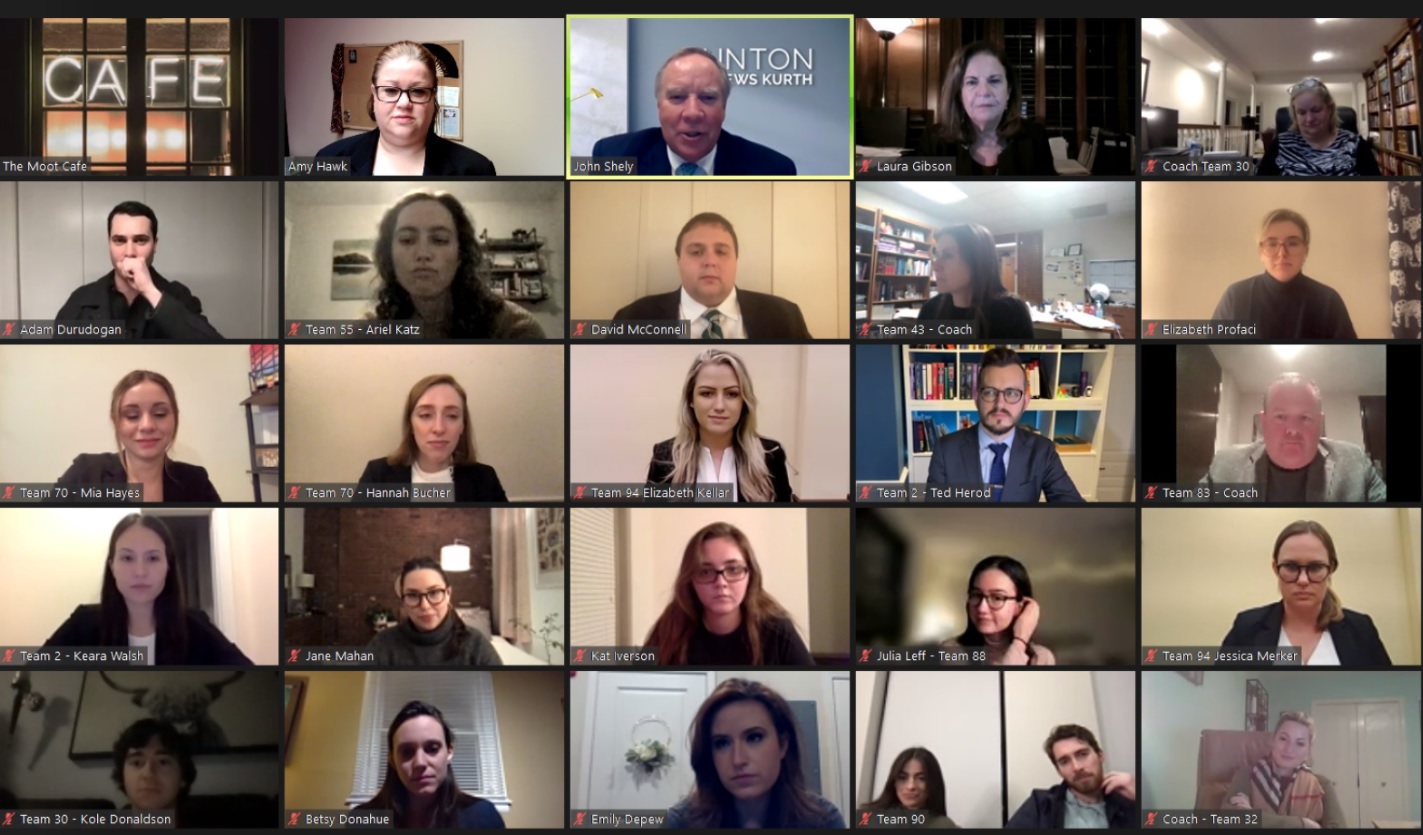
The 2022 Hunton Andrews Kurth National Championship | Courtesy of the University of Houston Law Center

Considered by Stetson Law Professor Brooke Bowman as the Super Bowl of moot court competitions, the Hunton Andrews Kurth National Championship invites only the best teams to compete in this annual event. Coming off a stellar 2020–2021 season, Stetson was, naturally, among them in January 2022.

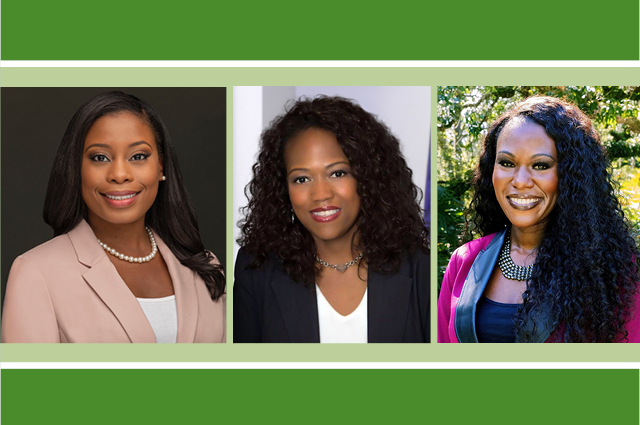
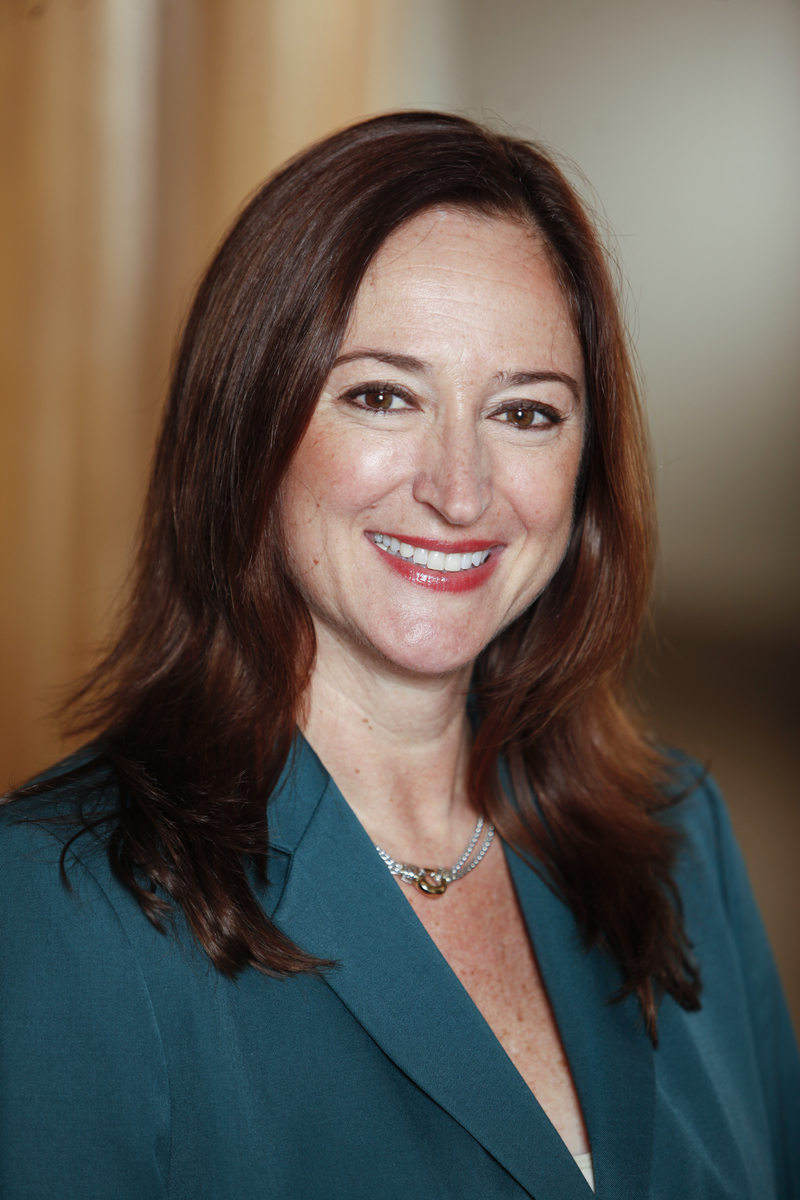
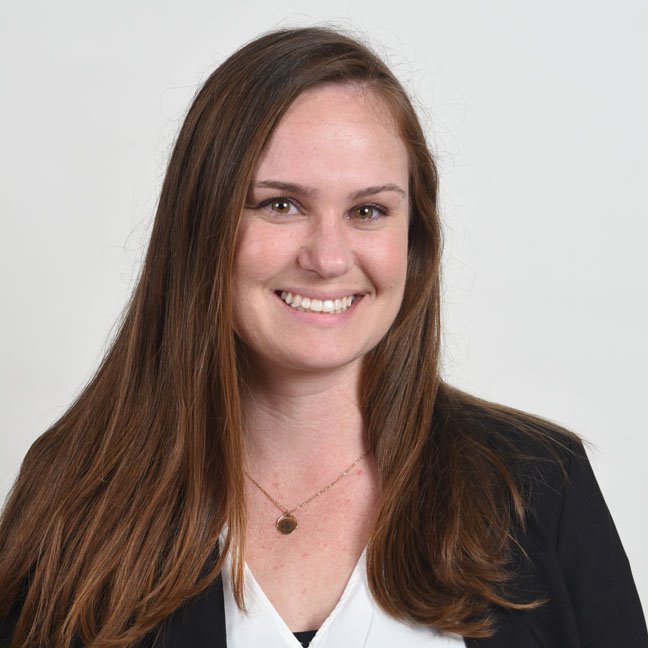
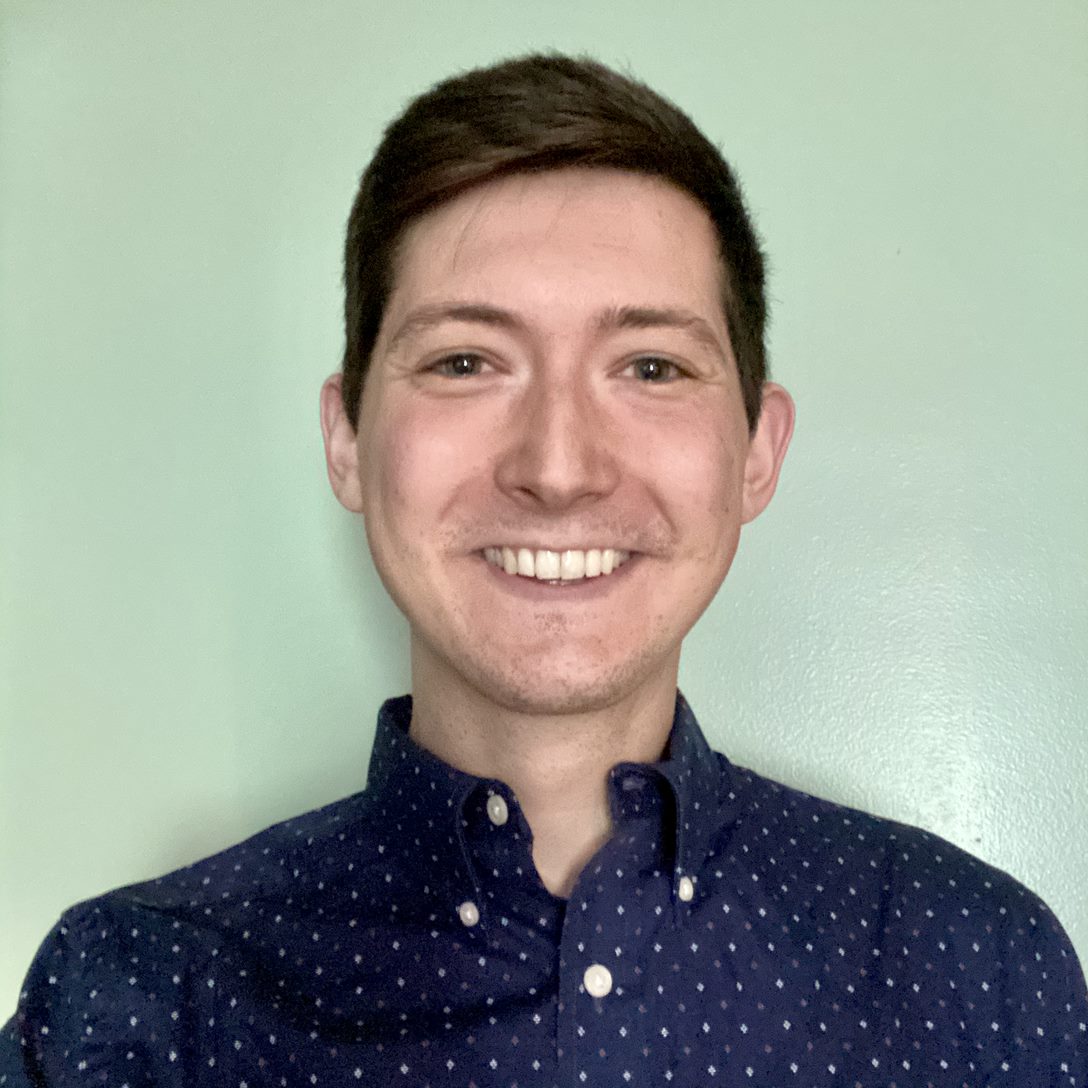
Headshot of law student Jessica Merker
Jessica Merker

The event took place virtually Jan. 27–29 and brought the nation’s 16 best teams together to argue on either side of a problem concerning general versus personal jurisdiction in the context of a class-action suit. The team consisted of students Elizabeth Kellar, Jessica Merker, and Peter Farrell, who had been preparing for this championship since October with coaching from Professor Brooke Bowman and Stetson Alumnus James Nealon and assistance from Professors Louis Virelli and Roberta Flowers and a number of alums who competed on previous teams in this competition.

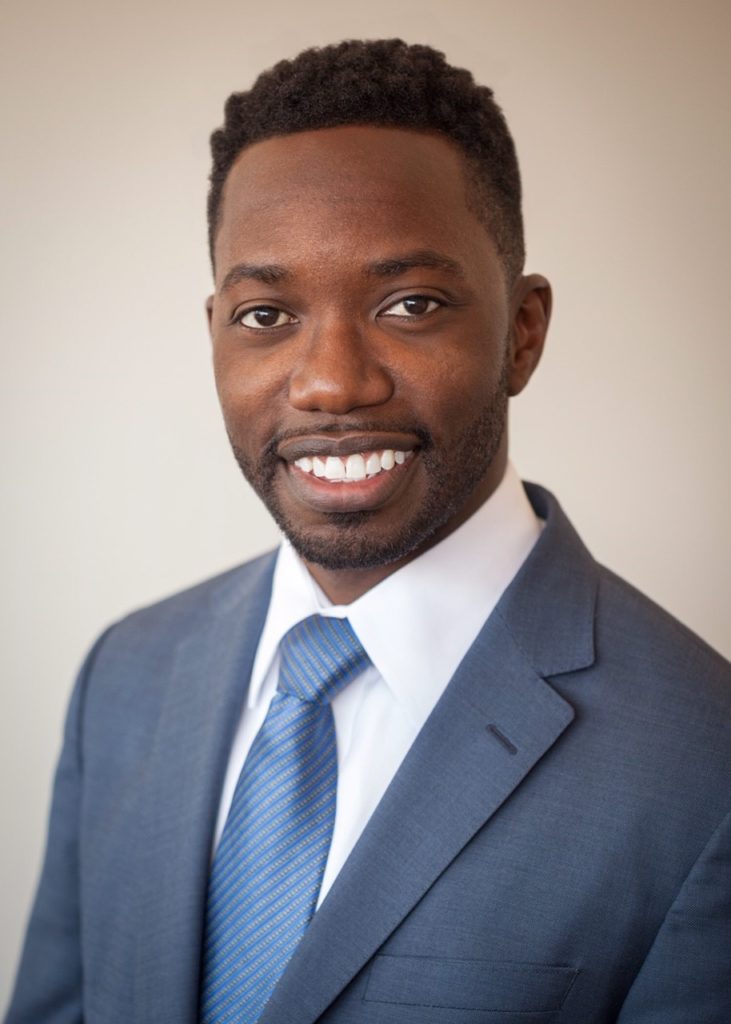
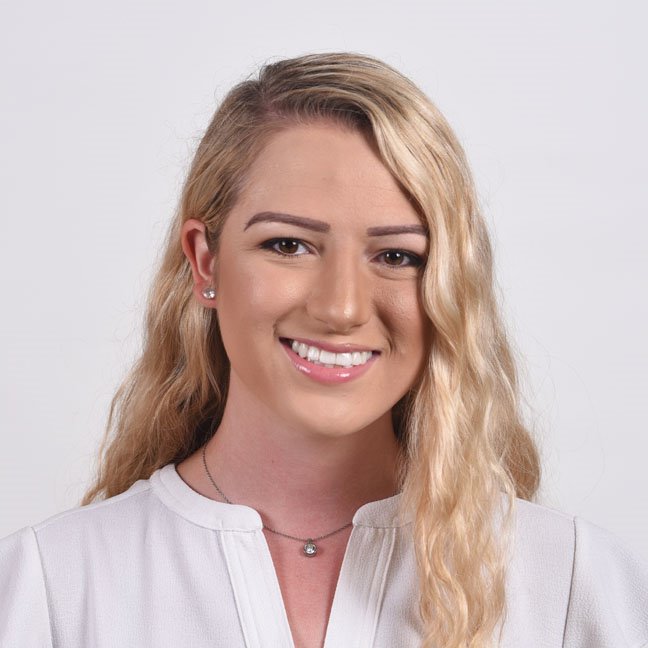
A headshot of law student Peter Farrell
Peter Farrell

The work paid off: the team won a semifinalist award—and Merker was awarded third-best oralist. The team contended with the likes of NYU, William & Mary, GW, and Seton Hall before besting Texas Tech in the quarterfinal round. In a nail-biter of a semifinal round, Stetson lost by just 0.18—less than a quarter of a point—to Chicago-Kent, the finalist in this year’s championship. 

A headshot of law student Elizabeth Kellar
Elizabeth Kellar

The event marks the tenth time Stetson has taken part in this rigorous competition. Stetson has made it to the elimination rounds six times, including four times as semifinalists, one time as finalists, and one time as the national champions (in 2015).  A Stetson advocate has also been recognized as one of the top oralists four times—two best oralist awards, one second-best oralist award, and one third-best oralist award.  And Stetson teams have won two best brief awards. 

Among the competition’s judges were U.S. Ninth Circuit Court of Appeals Judge Kim Wardlaw and U.S. Fifth Circuit Court of Appeals Judge Jennifer Elrod. See the full rankings and scoring methodology.

Learn more about Stetson Law’s Moot Court Board.

Environmental activist discusses how to fight harmful bacteria in Florida waters

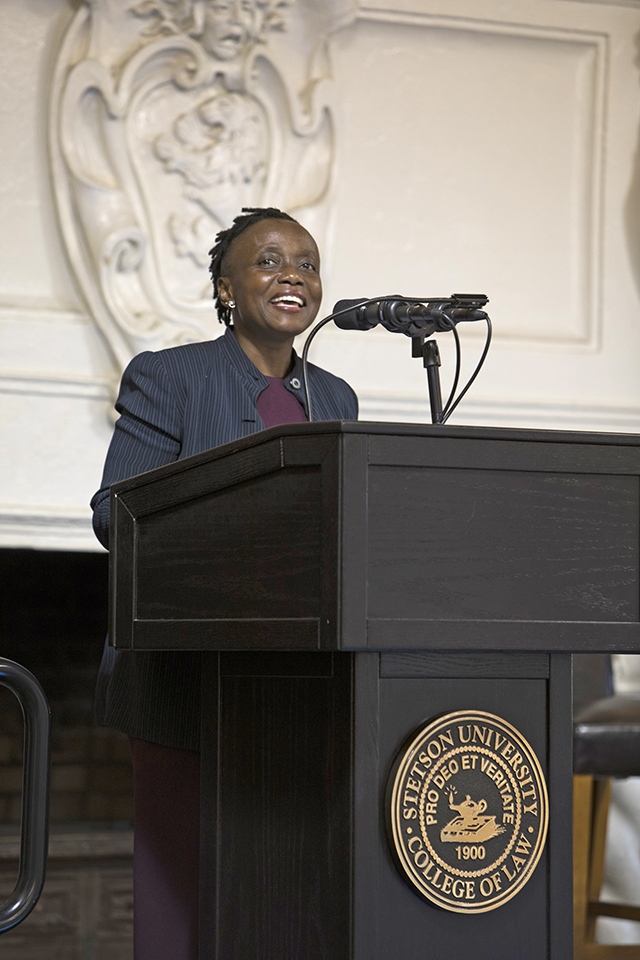
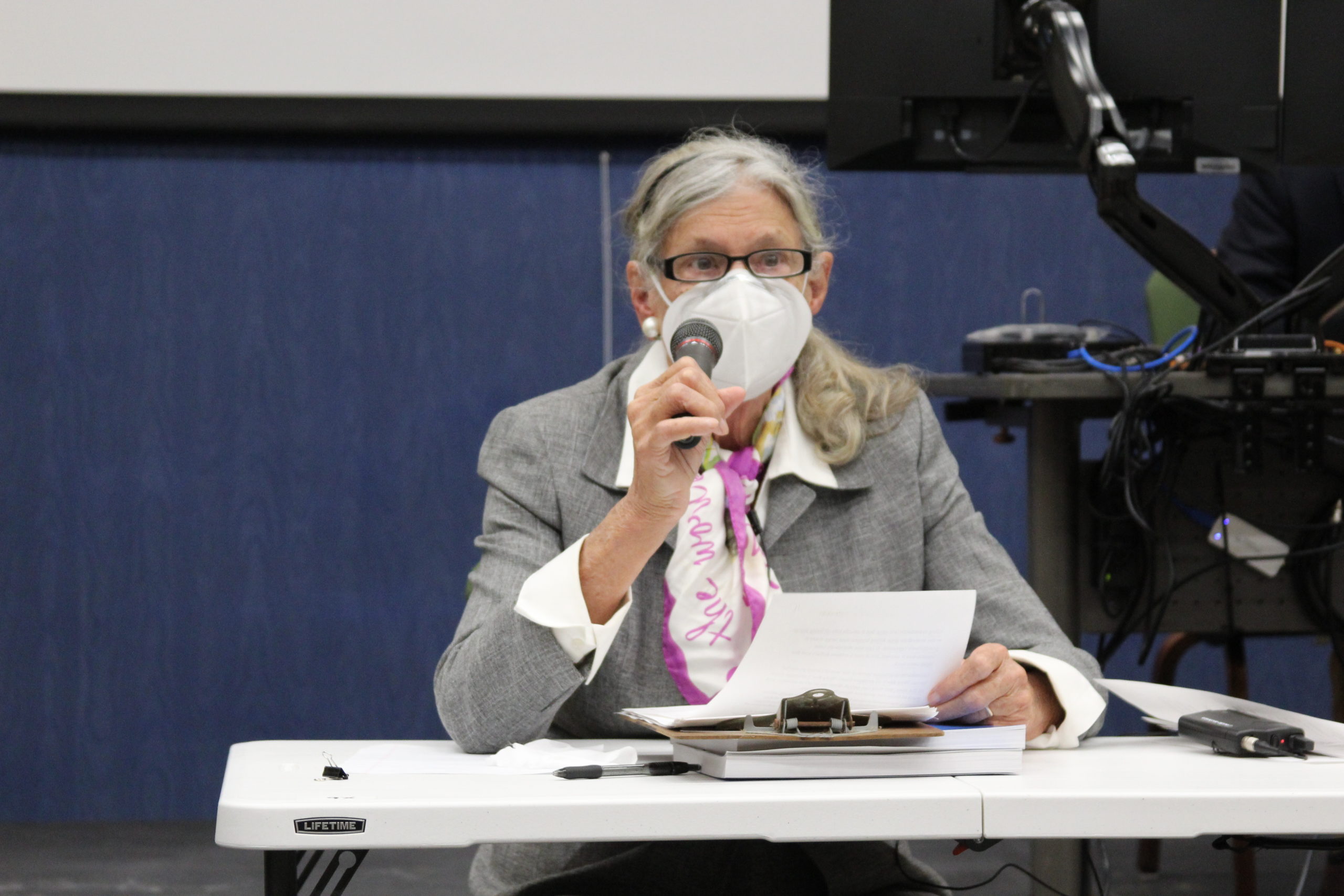
Environmentalist Maggy Hurchalla

Cyanobacteria may not be a household name like red tide, but its effects on Florida waterways can be similarly dire, environmentalists say. That’s why renowned environmentalist Maggy Hurchalla wants to raise awareness of these pollutants – and is calling for stronger laws to curb their proliferation.

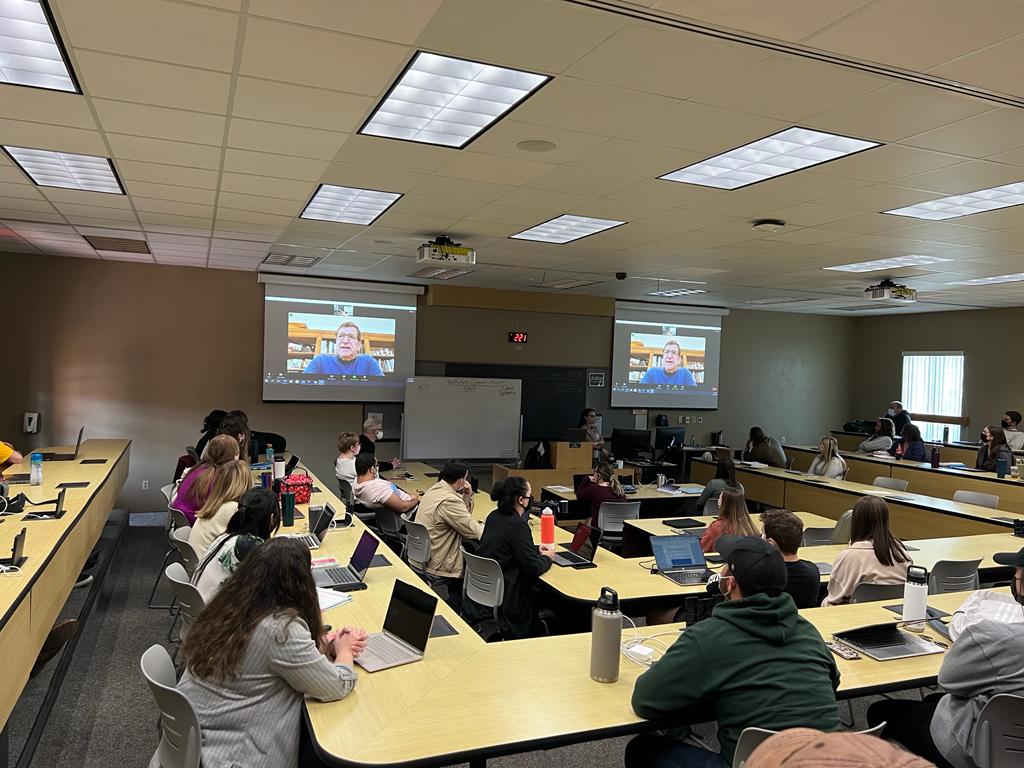
As part of the Edward & Bonnie Foreman Biodiversity Lecture Series, Hurchalla spoke at a hybrid event on the Stetson University College of Law campus Tuesday, Feb. 1, 2022, on the eve of World Wetlands Day. Hurchalla’s lecture focused on waterways in and around Lake Okeechobee, including the Everglades, the threat cyanobacteria overgrowth poses public health, and what she sees as lagging public policy when it comes to water resources.

The lecture was titled “Old Laws and New Health Threats.” Cyanobacteria blooms are associated with wastewater runoff from mass-scale agricultural operations, water laden with nutrients that feed the blooms. Volumes of this polluted water are stored in Lake Okeechobee and are periodically released into the waters off the Atlantic and Gulf coasts.

“Our natural systems are hurting,” she said. “They are suffering because of over-allocation of our water resources. We have given away more water than we have.”

A longtime activist who was an early advocate for Everglades restoration, Hurchalla was a Martin County Commissioner from 1974 to 1994. Her sister was former U.S. Attorney General Janet Reno. She said the consequences of cyanobacteria outbreaks can be dire for families living along affected waterways as well as businesses that rely on clean water, like boat charters.

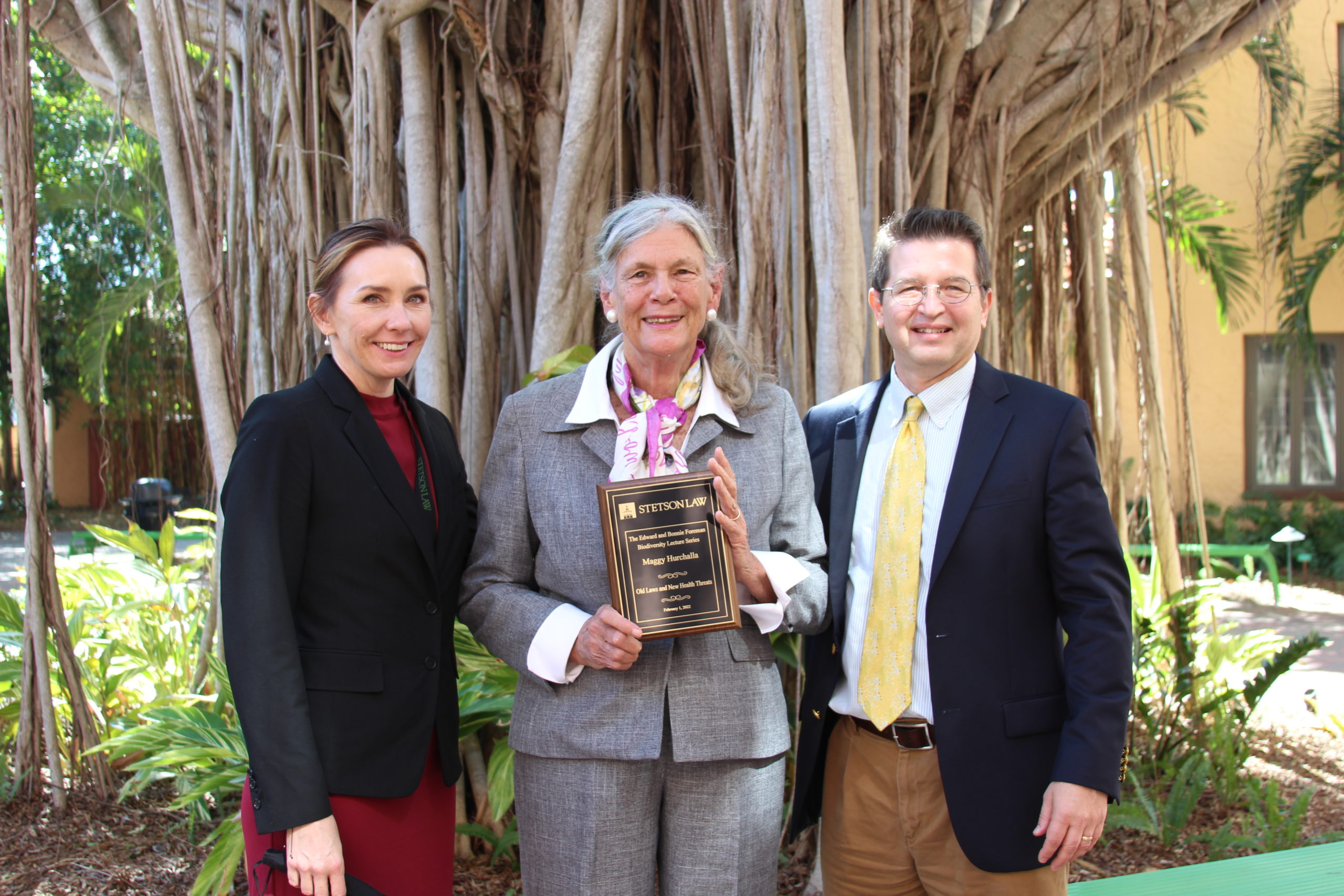
Foreman Biodiversity Fellow Katherine Pratt; Environmental activist Maggy Hurchalla; and Law Professor and Director of the Institute for Biodiversity Law and Policy Royal Gardner in the Banyan Courtyard on the Stetson Law campus.

Cyanobacteria in and of itself is not the problem, she said.

“They are one of the oldest life forms on earth. They are approximately 3.5 billion years old. Without them, we wouldn’t exist.”

For example, spirulina, a popular dietary supplement, is a cyanobacteria, as are countless other microorganisms. Many occur naturally in Florida waterways – Hurchalla said the overgrowths seen in Lake Okeechobee would not occur in a pristine environment – but climate change, industrial agriculture and the destruction of mangrove ecosystems create a perfect storm for harmful overgrowths.

“Massive cyanobacteria blooms are not natural,” she said.

People living near the outbreak have seen an increase in rashes, nausea and respiratory problems, she said, adding that she worries about children living along Lake Okeechobee’s shores, and how the blooms might affect their long-term health.

“They swim in it, they eat the fish, and they breathe [near it],” she said

Despite the potentially detrimental impacts, Hurchalla says, policies at the local and state level surrounding cyanobacteria and water management are utterly lacking.

The event included a question and answer session in which students and other guests asked questions about Florida’s water policies.

The event gave students and others in attendance an opportunity to learn about a real-world example of the intersection between law and the environment.

“I hope that students better understand the threats to Florida’s water quality, and I am certain that they will be inspired by Maggy’s example,” said Professor Royal Gardner, Director for the Institute for Biodiversity Law and Policy at Stetson Law. 

For Hurchalla, the event was an opportunity to inspire action through direct involvement and engaging local and state officials on the issue.

“There’s something more important you can do about water resources,” she said. “Vote, vote, vote.”

The Everglades are a body of water recognized as a Wetland of International Importance by the Ramsar Convention, an intergovernmental treaty that aims to encourage responsible wetlands management and the entity behind World Wetlands Day. Hurchalla’s lecture was recognized as a World Wetlands Day event.

Esteemed legal scholar Jules Coleman to speak at Feb. 17 Inns of Court lecture

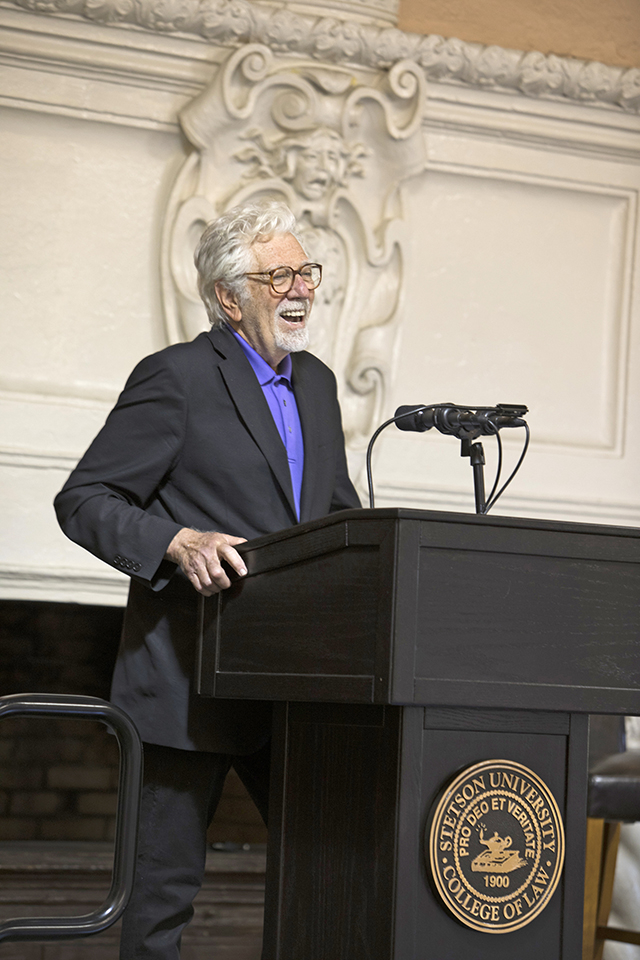
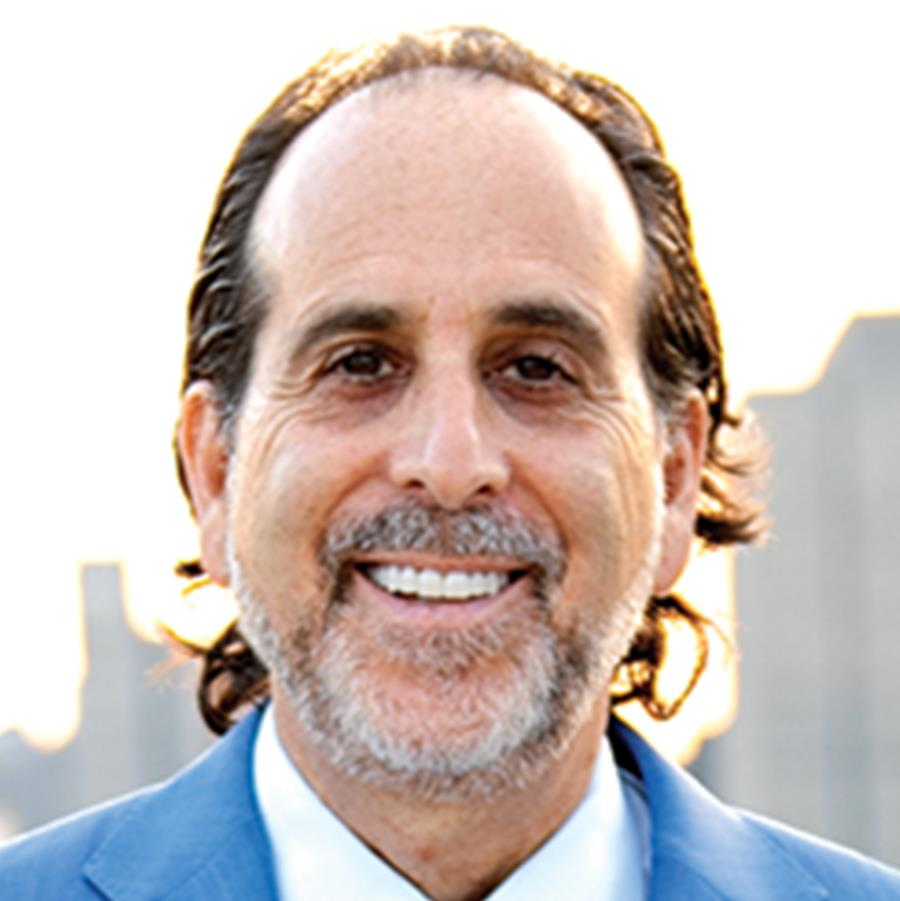
Dr. Jules Coleman

As part of a monthlong visit to the Stetson University College of Law campus, author, scholar of law, and Yale University Professor of Philosophy Jules Coleman will give the Wm. Reece Smith, Jr. Distinguished Lecture at the College’s Annual Inns of Court event.

Dr. Jules Coleman is a prolific author who has written a dozen books and over 100 scholarly articles and peer-reviewed essays, including The Practice of Principle: In Defense of a Pragmatist Approach to Legal Theory, based on his Inaugural Clarendon Lectures in Law at Oxford (published in 2001 by Oxford University Press). A former Wesley Newcomb Hohfield Professor of Jurisprudence at Yale University and Senior Vice Provost and Professor of Philosophy at NYU, Dr. Coleman is a thought leader in Higher Education committed to projects designed to reduce the disparity between the distribution of talent on the one hand and opportunity on the other. 

A Compelling Discussion

His Inns of Court address, which he will deliver at a hybrid event Feb. 17 from 5:00-6:00 p.m., is titled “What Can be Learned from Thoroughbred Horses & Trolley Carts.” It explores the intersection of the law and everyday ethical issues using examples taken from the Kentucky Derby and the storied “Trolley Problem” thought experiment.

“I strongly believe that many of the issues the law addresses occur in different forms in our ordinary experiences, and that the law stands to learn a good deal from the ways in which we have come to resolve these issues in non-legal contexts,” Coleman said.

Students, staff and faculty will be invited to attend the lecture in-person in the Great Hall (which is at limited capacity due to COVID-19 precautions), while others are invited to attend the event virtually.  

Inspiring Faculty & Students

As part of his visit to campus, Coleman will offer one-on-one scholarship mentoring to faculty and aims to inspire students to look to jurisprudence as a fundamental aspect of their future work.

Headshot of Professor Marco Jimenez
Professor Marco Jimenez

“I hope to spend significant amounts of time with the faculty to help them work through their current research projects, identify new projects and help them develop a strategy and a practice for completing research projects,” Coleman said. “I hope to meet with students and help them identify areas of the law they wish to study and in which they practice; and to help them learn the lesson that legal theory is a central element of first-rate legal practice.”

Given Coleman’s international reputation and his engaging speaking style, College of Law faculty members look forward to his visit, which will be the second time he has visited the campus.

“Dr. Jules Coleman’s visit should prove invigorating to faculty and students alike,” said Stetson Law Professor Marco Jimenez. “I, for one, am incredibly excited to welcome one of our nation’s premier legal scholars on our beautiful Stetson campus for the second time! “ During his visit, Coleman will also speak at the 43rd Annual National Conference on Law & Higher Education, which takes place March 2-7 at the Wyndham Grand Clearwater Beach (see details and register).

Dean Michele Alexandre Selected for Exclusive HBCU Fellowship Program

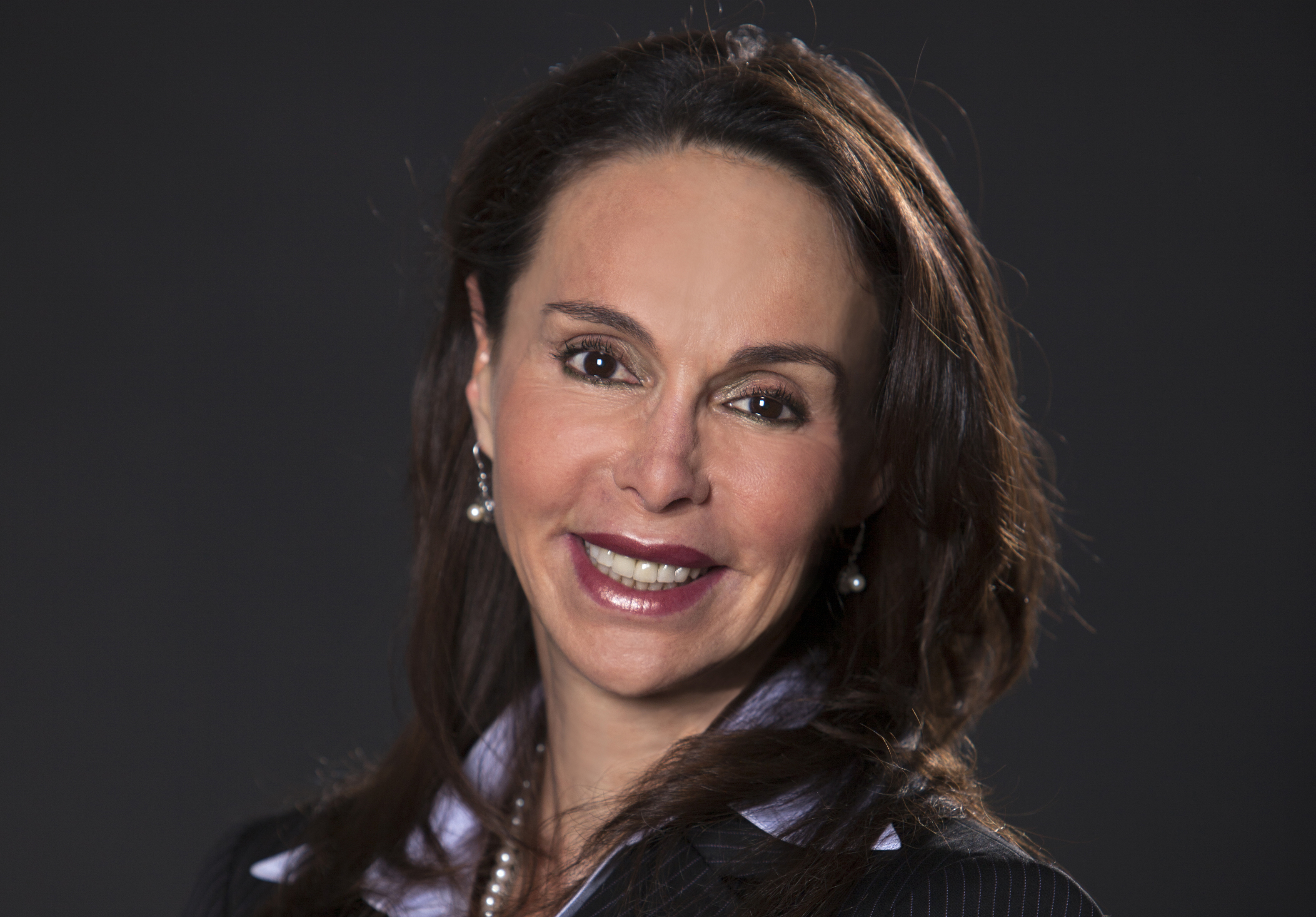
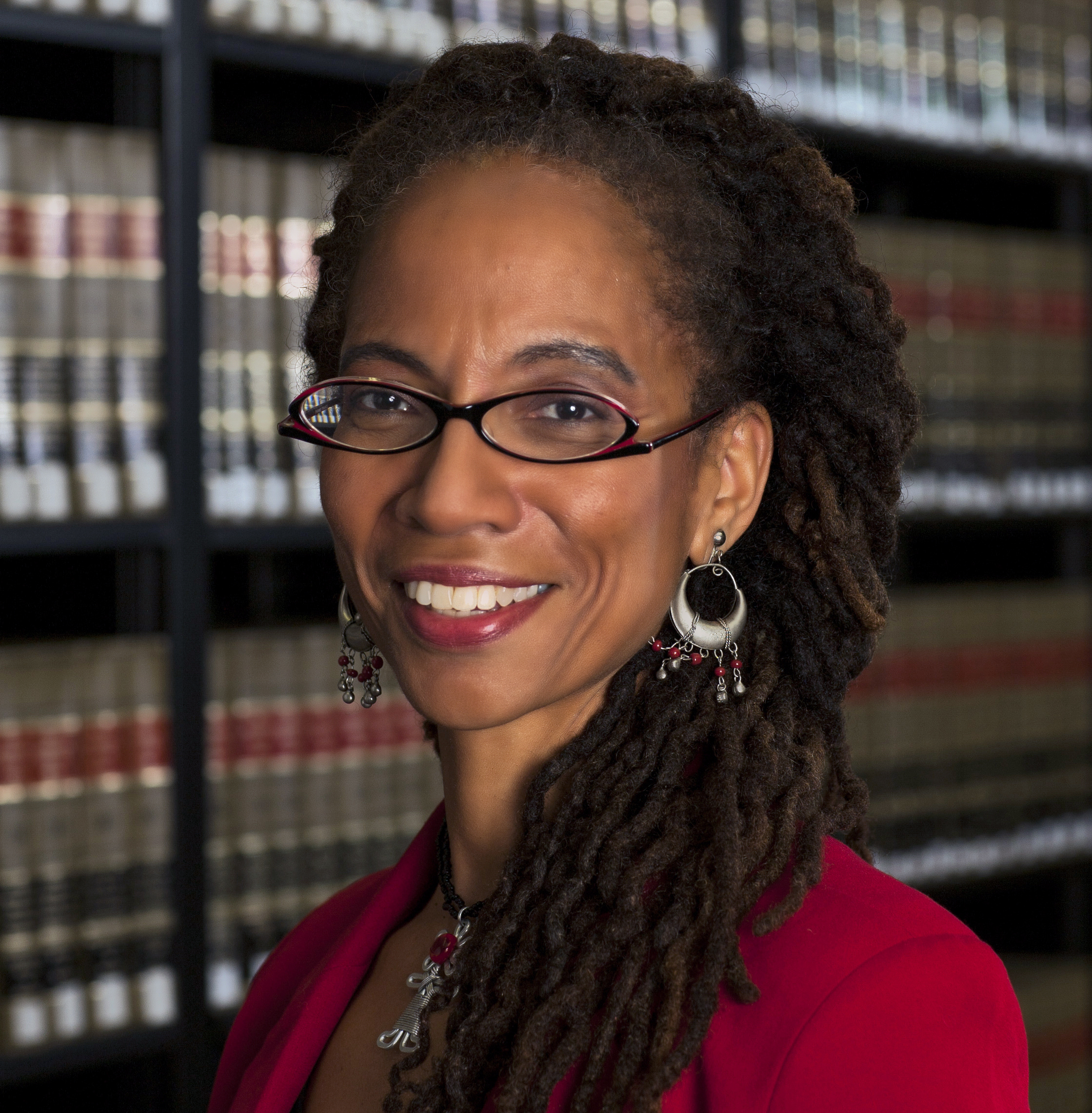
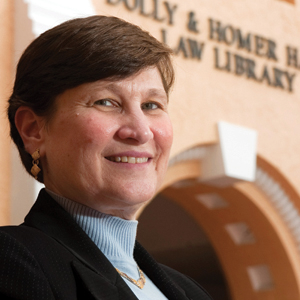
Stetson University College of Law Dean Michele Alexandre

After an intensive selection process, Stetson College of Law Dean Michele Alexandre has been selected to participate in the HBCU Executive Leadership Institute at Clark Atlanta University’s 2022 Community of Fellows. The program seeks to cultivate future senior leadership for historically Black colleges and universities (HBCUs) throughout the U.S.

Dean Alexandre is one of 22 to be selected for the program out of a field of over 100 candidates who were thoroughly vetted in a rigorous selection process. Applicants came from a range of backgrounds, from academia to finance.

With both virtual and in-person sessions, the program’s competency-based curriculum will equip fellows to serve in critical leadership roles at HBCUs in capacities ranging from fundraising and development to board governance and human resource management.

The fellowship is now in its second year, and organizers say this year’s program will build on last year’s success in meaningful ways.

“We’re just beginning. Our first cohort of fellows led the charge to help ensure the legacy of HBCUs remains intact,” said Dr. George T. French Jr., President of Clark Atlanta University, said in a written statement. “On the heels of our inaugural success, this new community of fellows has big shoes to fill. I’m confident that they will help us elevate ELI and take this innovative initiative to the next level as we continue to build the next generation of HBCU leaders.”

On average, HBCU presidents’ tenure is just 3.3 years – less than half of the seven-year average across all four-year higher education institutions, according to research that examined the role’s turnover from 2010 through 2014. This is likely due to the unique challenges many HBCUs face, from lagging technological infrastructure to the relative lack of endowment funding for scholarships.

This program aims to change that by working to grow the candidate pool for presidencies and other executive roles within the 100 HBCUs in the U.S. The program is akin to an incubator for senior leadership, one that aims for “knowledge delivery, hands-on skills, and intuition based on know-how.”

Program leadership believes the unique program will greatly benefit HBCUs in the future.

“The first community of fellows learned and connected in a manner that is unprecedented for executive programs, largely in part to the work of our amazing leadership team,” said Dr. Phyllis Worthy Dawkins, former President of Bennett College and Executive Director of the HBCU ELI at CAU. “This unique curriculum was designed specifically for HBCUs and we look forward to seeing the fruits of our labor. HBCUs matter today – now more than ever.”

The program is supported by entities including the Chan Zuckerberg Initiative, ECMC Foundation, Microsoft, the Charles Stewart Mott Foundation, Toyota, and The Rich Foundation, Inc.

Stetson Law Hosts Virtual CLE on Bias Elimination in Law School Assessment

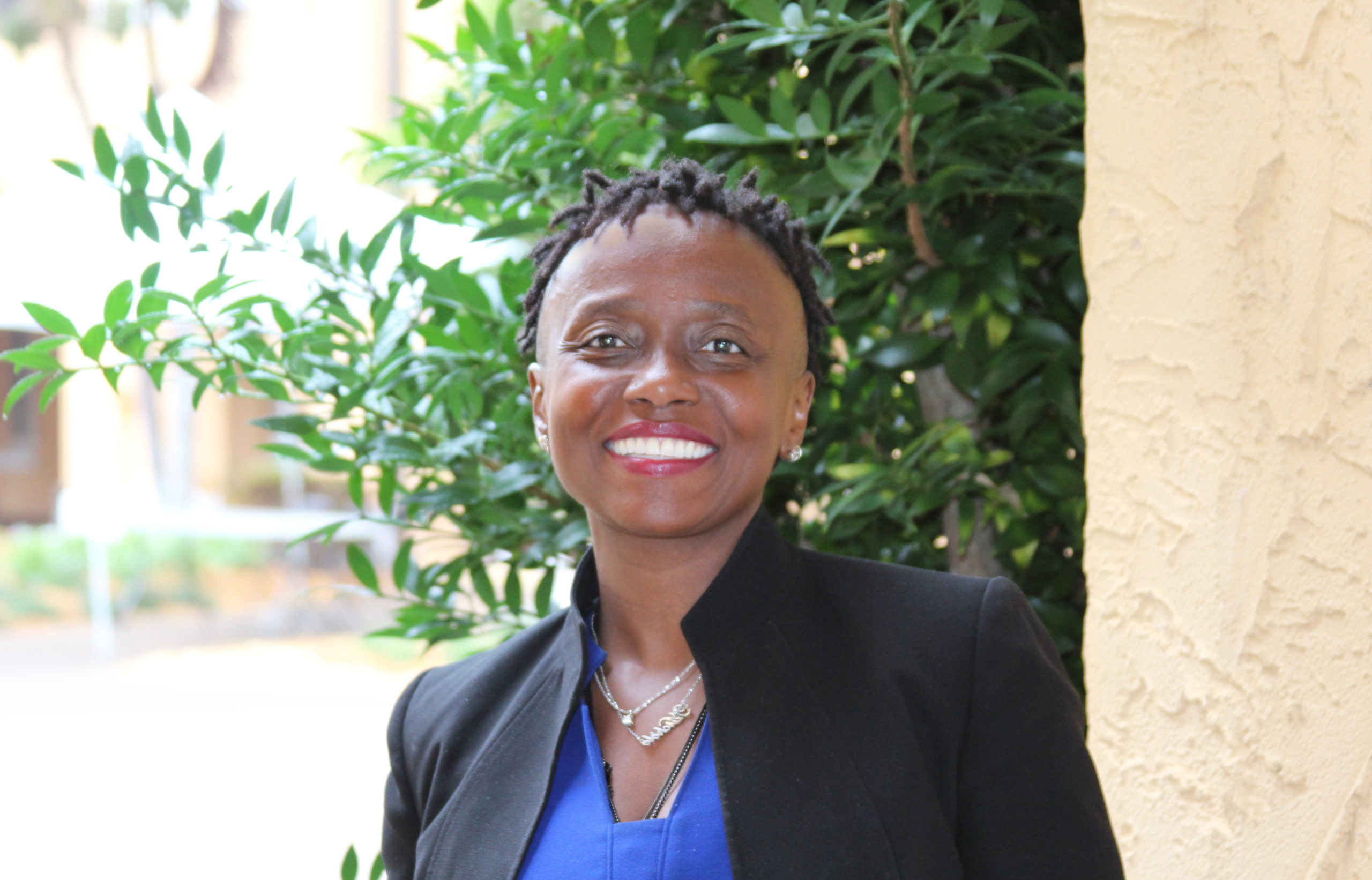
Teri McMurtry-Chubb headshot
Professor Teri McMurtry-Chubb, Associate Dean for Research and Faculty Development and Professor of Law at University of Illinois

In working to foster just and equitable outcomes on law school campuses and society writ large, legal educators encounter structural racism, implicit bias, and other inequities that limit opportunities for many prospective students.

Stetson Law recognizes this and has been actively cultivating a more inclusive and diverse community on campus at all levels: students, faculty, and staff. To that end, in October 2020, the College approved an anti-racism resolution expressing its commitment to “dismantling all forms of oppressive power dynamics and challenging any assumptions that diminish human dignity, including those that rely on racist assumptions.”

Antiracism in Action

In addition to other initiatives, in August 2021, The Institute for the Advancement of Legal Communication hosted Asao Inoue for a talk on anti-racist assessment ecologies.

Recently, Stetson celebrated another milestone in its multifaceted approach to eliminating racism, bias, and inequality on campus by hosting Dean Teri A. McMurtry-Chubb in December 2021 for a talk entitled “Assessing Antiracism or Antiracist Assessment?: Strategies & Critiques for Inclusive and Equitable Writing Communities.” Her presentation focused on ways in which law school assessment shapes diversity and inclusivity in the legal profession.

Associate Dean for Research and Faculty Development and Professor of Law at University of Illinois, McMurtry-Chubb is a nationally renowned expert on antiracist and DEI (Diversity, Equity & Inclusion) interventions.

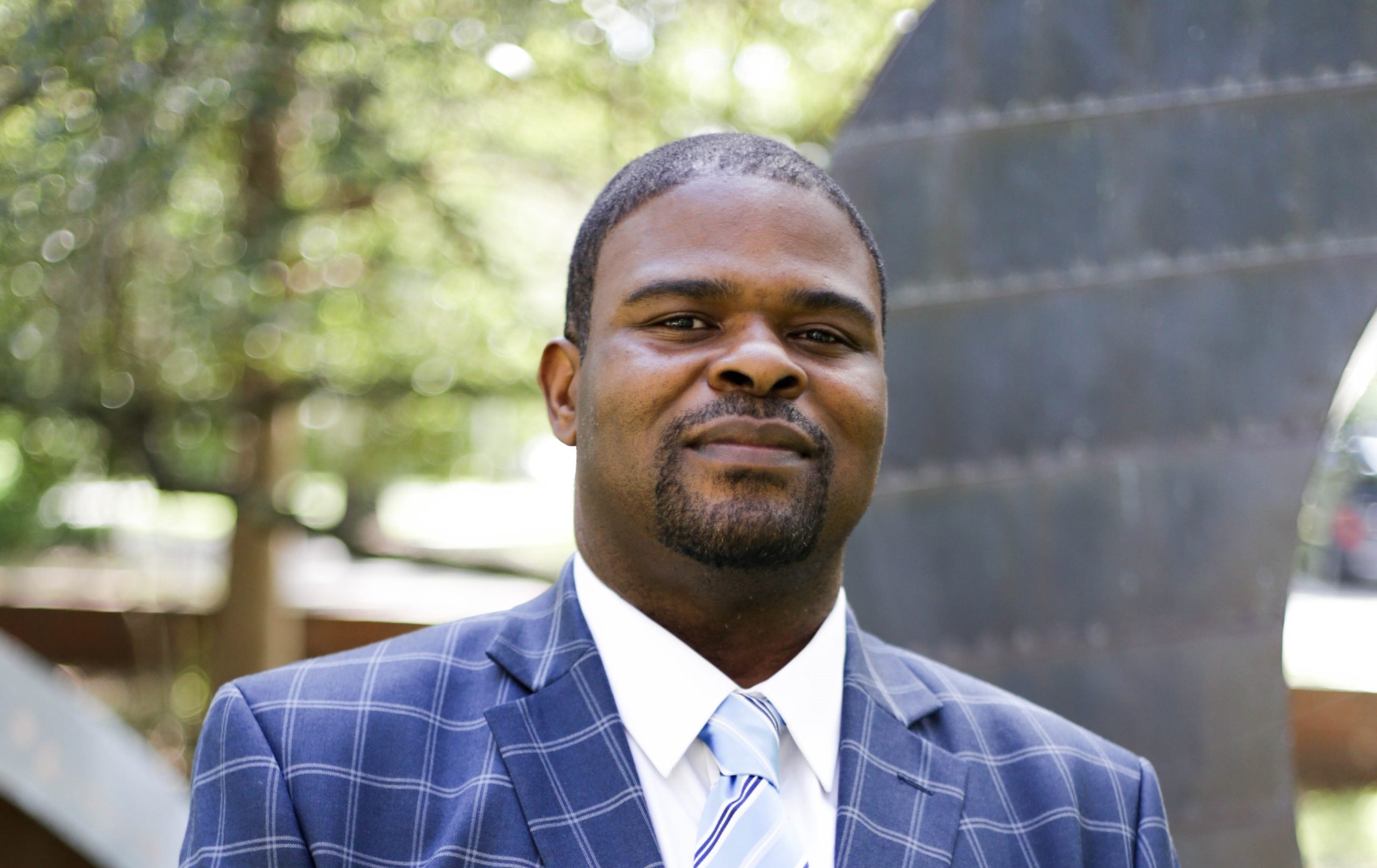
Lance N. Long
Stetson Law Professor Lance Long

“Bringing Dean McMurtry-Chubb in at this moment to join the conversation on equitable assessment in law schools was the natural next step” in carrying out the College’s commitment to antiracism, said Stetson Law Professor Elizabeth E. Berenguer, one of the hosts of the talk.

McMurtry-Chubb’s book, Strategies & Techniques for Integrating DEI into the Core Law Curriculum, examines equitable assessment in the context of legal education. It is available as a free download.

“It’s not just a scholarly work. It’s a wonderful guide,” said Stetson Law Professor Lance Long, who co-hosted the virtual event, as he introduced McMurtry-Chubb ahead of her remarks.

The Roots & Symptoms of Systemic Inequities

The conversation about anti-racism in legal education goes back to 1951, McMurtry-Chubb explained, when the American Association of Law Schools’ Special Committee on Racial Discrimination rejected a rule proposed by Yale Law School requiring all member schools to integrate in favor of a statement “encouraging” members to avoid “discrimination or segregation on the ground of race or color.”

“As you can imagine, this was a concession to Southern schools who did not wish to integrate,” she pointed out, adding that the committee’s policy surrounding Black students failed to consider their experience, instead regarding them as “ancillary to the needs of white law students.”

Elizabeth Berenguer
Stetson Law Professor Elizabeth Berenguer

“We in legal academia have a lot of reckoning to do with ourselves,” Berenguer said, in order to deconstruct systemic racism at all levels.

During her talk, McMurtry-Chubb elaborated on how long-held beliefs infused with racial bias are reflected in what law schools determine to be “acceptable behavior” in classrooms, which can lead to narrow standards that deny the existence of racial trauma. Consequently, traditional assessment tools like undergraduate and LSAT performance may unfairly exclude qualified prospective students. This phenomenon can reinforce existing hierarchies favoring white male ways of being and knowing, she emphasized, thereby reinforcing the status quo in the classroom and beyond.

“A More Inclusive Lens”

Following Professor McMurtry-Chubb’s presentation, a responsive panel weighed in on the topic offering ways to cultivate a more inclusive legal learning environment. The distinguished panel included Stetson Law Dean Michèle Alexandre and Stetson Law’s Professor Berenguer, Assistant Professor Sha-Shana Crichton of Howard University School of Law, Associate Professor Lucille A. Jewel of University of Tennessee College of Law and Associate Professor Brian N. Larson of Texas A&M University School of Law.

Panelists proposed strategies for addressing the pervasive issues of bias and elitism that dominate legal education as well as the legal profession as a whole, including suggesting ways of recognizing the added stress minoritized students must endure in an environment that is already known for its rigorous demands. Panelists described specific strategies educators can adopt in the classroom to foster equity and inclusivity, such as equitable grading techniques to eliminate inherent biases.

“This is really allowing us to do some analysis and some deep thought around some of the existing structures that we have within the legal academy, and also for us to be more thoughtful in terms of how we are thinking of our students and including them in the legal education experience,” said Carmen Johnson, Stetson Law’s Executive Officer for Diversity, Collaboration and Inclusion at the event’s conclusion.

She added that she hopes events like this can offer “a more inclusive lens when it comes to not only education, but, ultimately down the road, practice as we continue to grow the next generation of lawyers and legal experts.”

Stetson Law inducts two esteemed alumni into Hall of Fame for 2021

Stetson University College of Law inducted Paul Marshall May and Thomas Bullitt McCoun III into its prestigious Hall of Fame on Dec. 8, 2021. For the past 17 years, Stetson Law has honored distinguished luminaries in the legal and academic arenas at its annual Hall of Fame event. Previous inductees include Charles A. Dana, William R. Eleazer, and Dolly Hand. Traditionally a black-tie affair held in Stetson’s Great Hall, this year’s event was virtual — shared live on YouTube because of the pandemic.

Paul Marshall May

Paul Marshall May
Paul May

Paul Marshall May was a 1980 graduate of Stetson Law. His enduring love of his alma mater led him to spearhead efforts to take the Stetson Law Alumni Association from a practically non-functioning group to a robust organization. Dean Bruce Jacob called him the “father” of today’s Stetson Law Alumni Association and attributed its long-term success to May’s work and commitment. He was president of the Alumni Association from 1986 to 1988 and created the Half Century Club for members who hit the 50-year mark. 

May practiced commercial litigation, including banking, real estate, and construction in South Florida with the firm of May, Meacham and Davell. He was an active member of the Young Lawyers Division of The Florida Bar and was a driving force behind The Florida Bar’s Law Week in 1982. He was a member of the Association of Trial Lawyers of America, the American Bar Association, and Alpha Phi Sigma, a national criminal justice honor society.  

May was a devoted father to his wife and four children and was an active member of the First Baptist Church of Fort Lauderdale. A gifted organist, he tirelessly contributed his musical talent to not only First Baptist Fort Lauderdale but other churches throughout the state. May also served his community as the Bethany Christian School attorney and as a member of its Board of Directors, as well as volunteering with the American Cancer Society, Community Service Council, and Family First. 

May passed away on April 2, 1999, following a battle with cancer. Stetson Law created the Paul M. May Meritorious Service Award – designed to be bestowed on alumni who showed continuous support to Stetson Law through contributions of time and gifts – in his honor.

Thomas B. McCoun III

Thomas Bullitt McCoun III was a 1974 graduate of Stetson Law who began his legal career as an Assistant State Attorney in the Sixth Circuit of Florida. 

Thomas Bullitt McCoun III
Thomas McCoun

He spent years in private practice as a trial lawyer doing both criminal and civil matters, where his daredevil personality and “no challenge is too tough” attitude made him a perfect fit for the work. He developed a reputation for excellence in advocacy and as a result, was appointed to represent death row inmates awaiting execution. McCoun cared deeply about the underdog, believing that everyone had the right to proper representation and a fair trial. 

McCoun would go on to accept a position as a U.S. Magistrate Judge in United States District Court for the Middle District of Florida in February 1994. He presided over high profile and ordinary cases alike and was known for his humility, humanity, and oftentimes humor.

His sense of duty and service extended beyond the courtroom. He strongly believed in the importance of giving back and did so through service as an adjunct professor and mentoring Stetson students in the Federal Judicial Externship. He also taught Sunday school for both youth and adults at First Presbyterian Church in St. Petersburg. He was a dedicated member who participated in the building of homes for Habitat for Humanity, several mission trips with church youth, and preparing meatloaf dinners for hundreds of homeless individuals at the local nonprofit Pinellas Hope. 

McCoun finished three full terms on the bench and was still on active recall status to serve as needed when he died on August 27, 2019, after living 13 years with cancer. A special resolution written by his judicial colleagues noted, “much too soon, a tightly knit family lost a loving husband, father, brother and grandfather, and the citizens of the Middle District of Florida lost an eminently fair and able magistrate judge who served his community for 25 years with unwavering dedication to the fair administration of justice.”

The Dick and Joan Jacobs Public Interest Law Clinic for Democracy and the Environment to be established at Stetson University College of Law

Dick and Joan Jacobs

For Immediate Release 

Contact Stetson Law Communications
[email protected]
727-562-7398


GULFPORT, Fla. – Stetson University College of Law is pleased to announce a leadership commitment from alumnus Richard O. “Dick” Jacobs and his wife, Joan, to establish a Clinic for Democracy and the Environment. 

Dick and Joan recognized that the health of our nation and local communities is inextricably linked and entirely dependent on a functioning democracy. Thanks to their vision, the new Clinic for Democracy and the Environment at Stetson Law will facilitate collaboration between law students, faculty and practicing attorneys to pursue and defend important issues. 

“Attorneys constitute a large percentage of legislators, government employees and lobbyists,” Jacobs noted. “They are the most significant group of influencers who put us on the road we travel as a country and state. We need them to be steeped in public service. We also need a nonpolitical forum to provide public information and public service. The Center will be a tool of a thriving democracy.”

The Jacobs previously established the Dick and Joan Jacobs Public Interest Environmental Law Clinic and Institute of Environmental Justice, but because of their growing concern about political chaos and state of American democracy, they chose to broaden the scope of their project to include additional areas of social justice advocacy.    

The Public Interest Law Center for Justice and Democracy will build upon the expertise of Stetson Law’s Institute for Biodiversity Law and Policy and the Social Justice Advocacy Concentration, as well as its leadership in the Florida Law Schools’ Consortium for Racial Justice, to tackle issues such as voting rights, gerrymandering, fair representation, and bolstering checks and balances in state and national governments.

“We are so fortunate to have such passionate and visionary collaborators as Dick Jacobs and his wife, Joan,” said Dean Michèle Alexandre. “They share our belief that lawyers really can change the world for the better. We are grateful for their generosity. Thanks to their partnership, we will be able to leverage our strengths to achieve even greater good in our community and beyond.” 

“Dedicated alumni who seek to further civic and professional visions elevate not only Stetson and its students, but also society as a whole,” said Stetson University President Christopher F. Roellke. “We are so grateful to the Jacobs for choosing Stetson Law as the home for their new Clinic for Democracy and the Environment.” 

Dick credits the late Justice Harold Sebring, a former Stetson Law Dean and Professor of Law, with being a part of his inspiration for the Clinic. Prior to his time at Stetson, Sebring served as Chief Justice of the Florida Supreme Court and as the United States Justice with the Nuremberg Court, the most globally significant court on human rights.

The Jacobs have contributed $1 million and committed to raise additional funds to establish the clinic and an associated Institute for Democracy in perpetuity. Those interested in contributing may do so online on the Stetson Law Giving page or contact the Office of Development and Alumni Relations at [email protected] or 727-562-7818.

About Dick and Joan Jacobs

Dick and Joan Jacobs graduated from the University of Wisconsin in 1954 and moved to Florida in 1957 where Dick had a successful life insurance career before deciding to enroll at Stetson Law. He graduated in 1967 magna cum laude and first in his class. He has practiced law for more than five decades and currently serves as senior counsel for Johnson Pope Bokor Ruppel & Burns, LLC in St. Petersburg, Fla. 

Dick has authored and co-authored several books and legal publications, including Crash Landing–Surviving a Business Crisis, which outlines lessons learned from a bank crash; Wonderlust, a book of his photography and lessons learned trekking seven continents; and most recently, Democracy of Dollars, a book about our troubled system of constitutional government.

Throughout his career, Dick has been active with The Florida Bar and within his community, currently serving as Trustee of St. Petersburg College’s Institute for Strategic Policy Decisions. He speaks frequently on climate change and sea level rise. In 2020 he was inducted into the Stetson University College of Law Hall of Fame.

New scholarship designed to support LGBTQIA community at Stetson Law

Lambda Legal Society members Jessica Merker and Jen Rex with Dean Michèle Alexandre, Lambda President Edson Abadia, and Stetson Law alumnus Nathan Bruemmer.

For Immediate Release

Contact: Stetson Law Communications
[email protected]
727-562-7398

GULFPORT, Fla. – Stetson Law’s Lambda Legal Society has created a new endowed scholarship for dedicated members of Lambda who demonstrate a commitment to advocating for the LGBTQIA+ community in their studies, on campus, or in their work.  

“We’re excited to have this new opportunity for LGBTQ+ and allied students on our campus,” said Edson Abadia, president of Lambda. 

The organization hosted a special signing ceremony on Oct. 19, 2021, featuring the Lambda’s executive board, Stetson Law Dean Michèle Alexandre, and alumnus Nathan Bruemmer, J.D.’17., who serves as the LGBTQ Consumer Advocate for the Florida Department of Agriculture and Consumer Services. 

“This scholarship means a lot for the Stetson community because it is providing opportunities and recognition of students who support the LGBTQ community and who are doing really great advocacy work, which is such an important part Stetson’s mission,” said Jen Rex, a 3L and vice president of Lambda. “So, we’re really glad to be able to support students who are doing great things.” 

The scholarship will benefit a rising second or third-year law students in the full-time or part-time J.D. program in good academic standing. To be considered, students must list their studies, on-campus extracurricular activities, or work experience related to how they have advocated for the LGBTQIA+ community and how they plan to work in this regard in the future.   

“I’m thrilled to see an investment in diversity and inclusion, specifically for LGBTQ students. Recruiting that kind of talent here for Stetson says so much,” Bruemmer said. “The law has changed; advocacy has changed as we see cases pending and decided every year while we’re in law school and the ability to invest in our future and the profession is an amazing thing.” 

Dean Michèle Alexandre and Edson Abadia sign the new scholarship.

The Lambda Legal Society Pride Scholarship will be funded with a minimum gift of $25,000.  In order to reach the goal, members of the Lambda Legal Society will work with local non-profit advocacy groups to develop a list of potential donors, as well as alumni, law professors, staff, and the community, corporations and foundations, to fund the endowment in two years.  The scholarship will exist in perpetuity at Stetson University College of Law once the minimum of $25,000 is reached.  Any individual, corporation, foundation, or group may make gifts to the principal of the Lambda Legal Society Pride Scholarship.  

“Stetson Law is thrilled about continuing the legacy that has begun to open the doors to LGBTQIA members of the community,” Alexandre said. “The legal profession is a profession of access. This scholarship, and building on it, will make sure that students of all backgrounds – including those from all neglected areas who might also be LGBTQIA identifying will have the same opportunity to make a difference. I just could not be more excited because that is the work that we are here to do.” 

The Lambda Legal Society provides a forum for exploring the legal issues faced by people in the LGBTQIA+ community.  The goal of Lambda is to educate young attorneys about the unique issues that the community faces. Lambda also promotes international social justice and recognizes that the issues faced by people who identify as LGBTQIA+ are influenced by other parts of their identity.  Students need not identify with any particular label to belong.   

In February 2021, the Stetson University College of Law Lambda Legal Society became a part of the National LGBT Bar Association Law School Affiliate. In June 2021, it celebrated the inaugural raising of the Progress Pride Flag on campus.  

Higher Education Consortium announces inaugural Racial Justice Student Fellows

The fellowship will put college students at the center of creating systemic change by providing opportunities to shape policy and systems through a racial justice lens.

A consortium of higher education institutions focused on racial justice in Pinellas County has selected its inaugural cohort of Racial Justice Student Fellows.

The St. Pete/Pinellas Higher Education for Race Equity (SPHERE) consortium chose eight students, two each from four Pinellas County universities and colleges, for the year-long fellowship.

“Through our consortium, we seek to acknowledge the unique responsibility of institutions of higher education in seeking systematic change,” said Michelle Madden, campus diversity officer at USF’s St. Petersburg campus, one of the partners of the consortium.  

The fellowship will put college students at the center of creating systemic change by providing opportunities to shape policy and systems through a racial justice lens. Students will learn about mechanisms that enable racial healing and serve in summer internships to work on projects that support racial healing and transformation in the local community. Each student will receive up to $2,000 during the 2021-2022 academic year.

“With the fellowship, our hope is that students will gain the knowledge and tools to actively engage in equity, diversity, and inclusion (EDI) efforts and see themselves as a part of, and not apart from, the work that is needed to move EDI forward,” said Tashika Griffith, provost at St. Petersburg College, another partner of the consortium. 

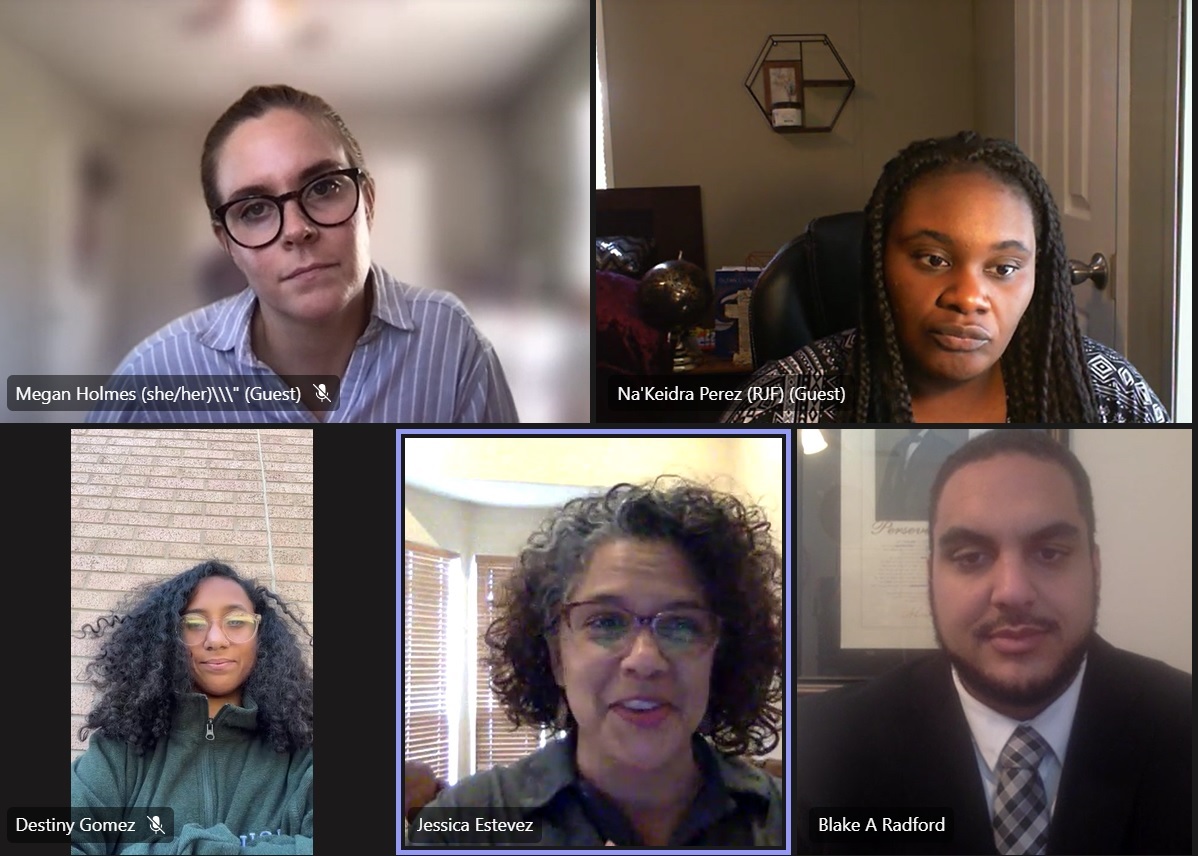
The eight fellows selected are: Trey Daniels and Kayla Rendon-Torres from Eckerd College; Audrie Brinegar and Na’Keidra Perez from St. Petersburg College; Blake Radford and Megan Holmes from Stetson University’s College of Law; and Aaron Rose and Destiny Gomez from the University of South Florida St. Petersburg campus. 

“I want to be a public service lawyer who offers pro bono services to at risk communities,” Brinegar said, a History major at St. Petersburg College. “This fellowship position will help shape my career.”

Fellows will participate in biweekly planning meetings with consortium institution representatives to help shape the vision, goals and activities of a Truth, Racial Healing and Transformation Center for Pinellas County. This will include participating in other meetings at their home institutions as well as engaging with community members.

Over the course of the academic year, students will also be involved in at least seven approved activities, events or discussions related to race equity and racial justice. Students will complete a six-week internship in the summer of 2022 that focuses on deepening their understanding of systemic racism and developing opportunities to drive healing and transformation. 

“As we build the work of the consortium, the student voice is critical,” said Judith Scully, a professor of law and director of the Social Justice Advocacy program at Stetson College of Law.

“We’re excited for this inaugural cohort and hope to grow the program in the future.”

SPHERE is a joint initiative among Eckerd College, St. Petersburg College, Stetson University College of Law, USF St. Petersburg campus and the Foundation for a Healthy St. Petersburg. The collaboration emerged out of a community task force that was convened to connect efforts in addressing inequalities that exist in the region. These institutions, which collectively serve more than 40,000 students, have been collaborating since the fall of 2020 to create a consortium working to dismantle racial hierarchies in the region.

Student testimonials for wanting to be a fellow 

Trey Daniels – Eckerd College – Political Science Major

“As an aspiring civil rights defense attorney, I would like to do as much as I can to spark change while being a student. This opportunity will give me hope that I am being a strong advocate for the people in my community that I believe need me the most.”

Kayla Rendon-Torres – Eckerd College – Animal Studies and Environmental Studies Major

“By participating in this fellowship, my efforts to support each and every community will blend into the work I do today as a program manager of the Office of Diversity, Equity, Inclusion, and Belonging (DEIB) as well as my role as DEIB coordinator for the Eckerd College Search and Rescue (ECSAR) team.” 

Audrie Brinegar – St. Petersburg College – History (Pre-law) Major

“This fellowship position will help shape my career. I want to be a public service lawyer who offers pro bono services to at risk communities.”

Na’Keidra Perez – St. Petersburg College – Paralegal Studies

“I believe this fellowship will shape my leadership journey and my career by not only giving me the tools and education necessary to set out to close the wealth gap racial divide but it will also allow for many networking opportunities to get my ideas in front of like-minded individuals who can further develop my talent and principles.”

Aaron Rose – USF St. Petersburg campus – Global Business

“I know that this fellowship will shape my journey and career because I am a global business major. I have to study abroad and meet people from all over due to my major and I feel that this will help me become more open to different perspectives and views in life.” 

Destiny Gomez – USF St. Petersburg campus – Psychology Major

“I feel like through this amazing opportunity I would network with many individuals that would be assets to implementing my dreams for this nation. I am eager to correspond with like-minded individuals that share my same passions and have the same fire burning within them.”

Megan Holmes – Stetson University’s College of Law – Juris Doctor Candidate, B.A. in Political Science and Pre-law

“I came to law school interested in learning how to solve big, intractable problems, specifically those surrounding racial equity. I believe that this fellowship is the perfect next step in my career-long commitment to that cause. This fellowship will provide the opportunity to build a consortium that outlasts my time at Stetson.”

Blake Radford – Stetson University’s College of Law – Juris Doctor Candidate, B.A. in Political Science, Psychology

“If I want to help end racism and change the environment my cousins will have to grow up in, I need to learn from more enlightened and experienced minds on the tools they’ve used as well as what they have found in their experience to work and not work. I believe this fellowship will give me an opportunity to learn, experience, and discuss the situations we face and have a hand in trying to fix some of the issues. The potential to work with other fellows from various academic institutions and with more experienced individuals who can part their knowledge onto me will undoubtedly grant me a vast array of experience that I can learn from and implement into my leadership style and take forward with me on my journey.”

Pro Bono Showcase highlights impactful work of Stetson Law students

The annual William Reece Smith, Jr. Pro Bono Showcase features some of the best volunteer work of Stetson Law students. Pictured: Professor Kristen Adams, Professor Judith Scully, Professor Ann Piccard, Tiffany Hilton, Will Davis, Jessica Leabu, Hillary Hazeltine, and Emmanuel Bonilla.

As part of Stetson University College of Law’s deep commitment to providing quality pro bono service, the college hosts an annual William Reece Smith, Jr. Pro Bono Showcase to highlight some of the most impactful work of Stetson students.

“The five finalists, as well as all the other entrants, represent the very best of Stetson Law,” said Professor Ann Piccard. “We talk frequently about ‘Excellence in Advocacy,’ and the pro bono work we heard about is truly Excellence in Social Justice Advocacy. These students are the embodiment of everything that is good, hopeful, and inspiring about this law school community.”

This fall’s event was held on Sept. 30, and five student finalists shared their experiences. Professor Kristen Adams, Ann Piccard and Judith Scully, co-coordinators of the Social Justice Advocacy Program, evaluated the written submissions and oral presentations of the students and selected one to win a free parking space.

“This year’s applicants truly represented the principles and values of cultural diversity and passionate community advocacy,” Scully said.

The five finalists were Hillary Hazeltine, Emmanuel Bonilla, Will Davis, Tiffany Hilton and Jessica Leabu. Hilton was named winner of the Showcase. Read more about her project and all of the others below.

“Students are doing such extraordinary work in closing the justice gap,” Adams said. “We hope this will be a resource for students who have yet to complete their hours to find inspiration as to what they would like to do.”

8th Amendment Protection

Tiffany Hilton
Tiffany Hilton

Tiffany Hilton struggled with opioid substance abuse disorder and spent years in and out of the criminal justice system. She said she witnessed the justice gap firsthand. Her recovery gave her the opportunity to realize her lifelong dream of being a lawyer, and Stetson gave her the second chance she needed. Her singular goal as an attorney is to help others going through what she once did.

The Florida Bar regularly solicits volunteers from its membership to take on cases pro bono. In March 2021, Hilton learned of a special one where the judge would allow a law student to handle the case if supervised by a licensed attorney. It involved a transgender woman of color who was incarcerated and was being beaten by the other prisoners because of her status. Hilton contacted her former boss at a personal injury law firm, who agreed to supervisor her. They drove to the prison to meet the client and took the case.

Hilton successfully argued before Judge Robert Hinkle to reopen discovery in the case and then proceeded to devote every spare second from her law school studies on it. She deposed guards and other witnesses, discovered the Department of Corrections engaged in spoliation of evidence, filed a motion to compel, and ultimately settled the case at mediation. Her client received a substantial amount of money that will help her with living expenses once she is released from prison.

Hilton said she wanted her client to know she was not alone anymore and that there was someone fighting for her. So many people discard the rights of the accused and the incarcerated, framing them as criminals not worthy of dignity and respect.

“I know firsthand they are wrong,” she said.

“The only thing that separates me from my clients is where they are in their journeys.”

Voting Rights

Hillary Hazeltine
Hillary Hazeltine

Hillary Hazeltine served as an extern with the Wisconsin Department of Justice where she worked on a large project for the 2020 election. She devoted hours to reviewing state statutes and voter information materials to ensure everything was updated and accurate. The goal was to make sure voters knew their rights, how to vote, when to vote, etc.

“Knowing your rights to vote is just a huge part of advocacy,” she said.

Conservation and Sovereignty

Will Davis
Will Davis

Will Davis vacationed in Hawaii and fell in love with the island. When he began searching for internship opportunities, he tapped Professor Royal Gardner, director of the Institute for Biodiversity Law and Policy, for connections that might get him back to the Aloha State. It worked, and he spent his summer serving in the Office of Hawaiian Affairs (OHA), a semi-autonomous state agency responsible for improving the wellbeing of all Native Hawaiians.

Davis was assigned to work on a series of legislative bills dealing with managing resources for land and water conservation. As a student in the Environmental Law Concentration, he was ready for the challenge, and ultimately saw one of the bills he worked on signed into law in June.

The overall experience taught him much about Hawaiian history, inspired him to write a law journal article on Hawaiian land use law, and solidified his desire to continue working to help native Hawaiians protect their sovereignty and natural resources.

Veterans Services

Emmanuel Bonilla
Emmanuel Bonilla

Emmanuel Bonilla served in Stetson Law’s Veterans Advocacy Clinic during the summer of his 1L year helping veterans file disability claims. The work required a deep dive into administrative law and medical record reviews, but as a veteran himself, Bonilla benefitted from seeing the process from both sides. He called the clinic a safe space where he was able handle real-life cases under the supervision of licensed attorneys who ensured he couldn’t make a mistake that would hurt the client’s case.  Bonilla is now a 3L looking forward to graduation, but his Veterans Advocacy Clinic experience motivated him to apply for an Equal Justice Works Fellowship where he can extend his commitment to public service. 

Guardian ad Litem

Jessica Leabu
Jessica Leabu

Jessica Leabu served as a volunteer guardian in the Florida Guardian ad Litem program, which works with children and families in dependency cases where children are removed from the parents’ homes. Guardians are appointed to help design case plans for families to work toward reunification. The role is equal parts investigator, mediator, counselor and friend. Children in these cases face more change and confusion than most people realize; the guardian provides a sense of consistency and gives them a voice, Leabu said.

She began training in January 2020 and was appointed her first case the following month. It involved three brothers: two had been in foster care for more than a year, and the youngest was born into the system. The oldest had been separated from his siblings, and one of the first things Leabu determined was that the three should be placed in a foster home together. The oldest was non-verbal initially but started talking a month after being reunited with his siblings.

She developed a great relationship with the children through monthly visits with them to play and discuss their needs. She talked with their teachers and therapists, collected medical records, and wrote a report every six months for judicial review to make recommendations. She attended hearings and made oral testimony if necessary. She played mediator when a dispute erupted between caregivers to help them work out their differences in benefit of the children. When she realized the oldest child needed an official mental health diagnosis to get the services he needed, she worked with officials to get him an appointment with a pediatric neuropsychologist. He is now speaking in full sentences and able to articulate his needs and wants.

“I feel incredibly blessed to make a difference in the lives of these children,” Leabu said.

Professor Rebecca Morgan honored with Lifetime Achievement Award

Professor Rebecca C. Morgan with one of her students at the 2019 Commencement ceremony.

Professor Rebecca C. Morgan, who created the Center for Excellence in Elder Law at Stetson, received a lifetime achievement award from the Florida Bar Elder Law Section this summer.

“There’s no more deserving person in the elder law world that I’m aware of,” said Steve Hitchcock, the immediate past chair of the Elder Law Section.

The Elder Law Section cultivates and promotes expertise and professionalism in the practice of law affecting people as they age and individuals with special needs. The Section offers multiple awards to members that demonstrate a willingness to serve in the field, and the Section chair for the respective year selects recipients who have made exceptional contributions. 

The Elder Law Section Lifetime Achievement Award is not bestowed every year, but rather reserved for an attorney who has dedicated his or her life to the practice. The award is meant to recognize attorneys of great standing and reputation who exemplify what elder law attorneys do.

Hitchcock, a 2005 Stetson alumnus who completed the Elder Law Certificate of Concentration, said he has Morgan to thank for his current vocation. A second-career law student, when he left pharmacy he wasn’t sure what area of law he planned to direct his practice after graduation. A speaker during his practice management course mentioned elder law, and when he asked what that was, she directed him to Professor Morgan. The rest is history.

Morgan served as his mentor and helped him land his first job. He now has a firm with five attorneys. 

Hitchcock said he was “astonished” to learn that Professor Morgan was not already a Lifetime Achievement Award honoree, adding that to him, she epitomizes an elder law attorney. She stands among some of the select few who have made an indelible impact on the practice of Elder Law from its very beginnings and has helped guide the careers of a great many Elder Law attorneys as a Section member, educator and resource, he explained. 

“It was the obvious choice for me.”

Morgan was once called “the godmother of Elder Law” by former VA Secretary Max Cleland. For more than 30 years, Morgan has been the driving force behind essentially all of Stetson Law’s Elder Law programming, including creating the Center for Excellence in Elder Law, creating both the LL.M. in Elder Law and Master of Jurisprudence in Health Care Compliance, launching the National Conference on Special Needs Planning and Special Needs Trusts, and partnering with Professor Roberta Flowers to oversee the construction of the Eleazer Courtroom – the first courtroom in the nation designed specifically with the needs of elderly people in mind.

Her list of memberships, leadership positions, publications, accomplishments and accolades is long and includes being inducted into the Stetson University College of Law Hall of Fame in 2018.  Through it all she has remained a dedicated advocate for the elderly and steadfast guide for generations of Stetson Law students.

“I am humbled and honored to receive such a significant recognition from the Elder Law Section,” Morgan said.  “It has been my privilege to teach and work with so many fine attorneys in the field of elder law.”

Innocence Project of Florida exhibit on display at Law Library

Stetson University College of Law’s Dolly & Homer Hand Law Library is hosting an exhibit from the Innocence Project of Florida now through the end of the month.

The exhibit is an opportunity to learn more about the work of the Innocence Project of Florida (IPF) and the Innocence movement as a whole, said Professor Ellen Podgor, who serves on the Board of Directors of the IPF. It describes the most common factors in wrongful convictions and their prevalence in known wrongful convictions, including eyewitness misidentification, official misconduct, and invalid forensic evidence.

The exhibit runs through the end of October.

Featured in the display are four IPF clients who were freed after having spent years in prison for crimes they did not commit: Orlando Boquete, Amanda Brumfield, and Nathan Myers and Clifford Williams (Myers and Williams were jointly convicted and exonerated). The exhibit also describes what life after exoneration is like for those who were wrongfully convicted.

“It was so nice getting to take time to read the stories of those wrongfully incarcerated,” said Alexis Ercia, a 3L and president of the Stetson’s Innocence Initiative. “The event is a real-life example of what we learned in Criminal Law.”

This exhibit was created in conjunction with “The Freedom Bowl: Tackling Wrongful Convictions One Turf at a Time,” a joint event hosted by the IPF and the Georgia Innocence Project in honor of International Wrongful Conviction Day, which is recognized on October 2, said Emily Thourson, finance and human resources manager for IPF.  A video replay of that event is available on Crowdcast and includes a segment with Nathan Myers. The video requires email registration but is free to view.

“We hope the Stetson Law community enjoys learning about our work,” she said.

Current Library hours are Monday – Friday: 7 a.m. – 10 p.m., Saturdays: 10 a.m. – 6 p.m., and Sundays: 11 a.m. – 6 p.m. Because of the pandemic, The Dolly & Homer Hand Library is open only to faculty, staff, and students; there will be no access to the public until further notice.