Stories Beyond the Mainstream: Celebrating Art, Education and Second Chances
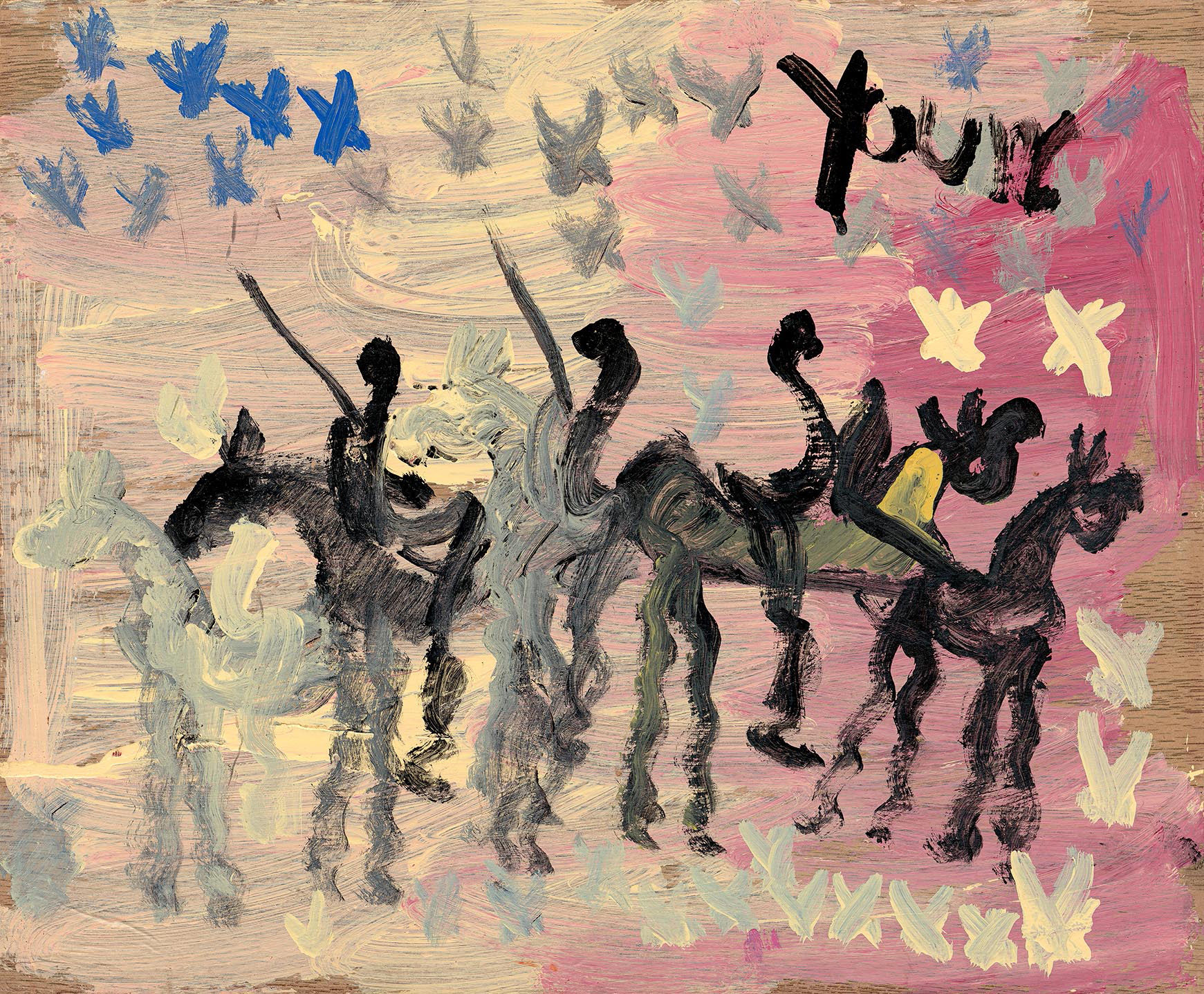
The Homer and Dolly Hand Art Center at Stetson University presents its upcoming exhibition, “NO ONE HERE BUT US,” a dynamic selection of artworks, including folk and outsider art curated by students enrolled in Stetson’s Community Education Project (CEP).
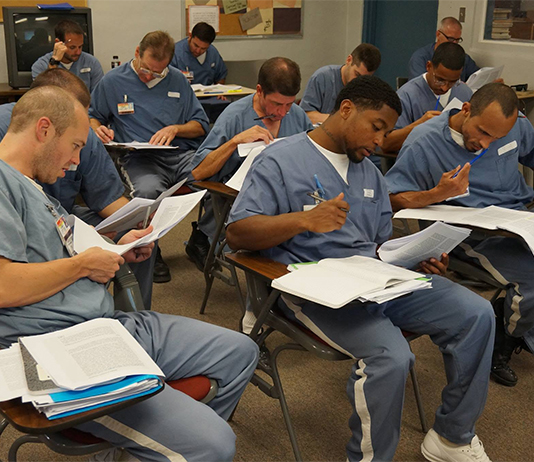
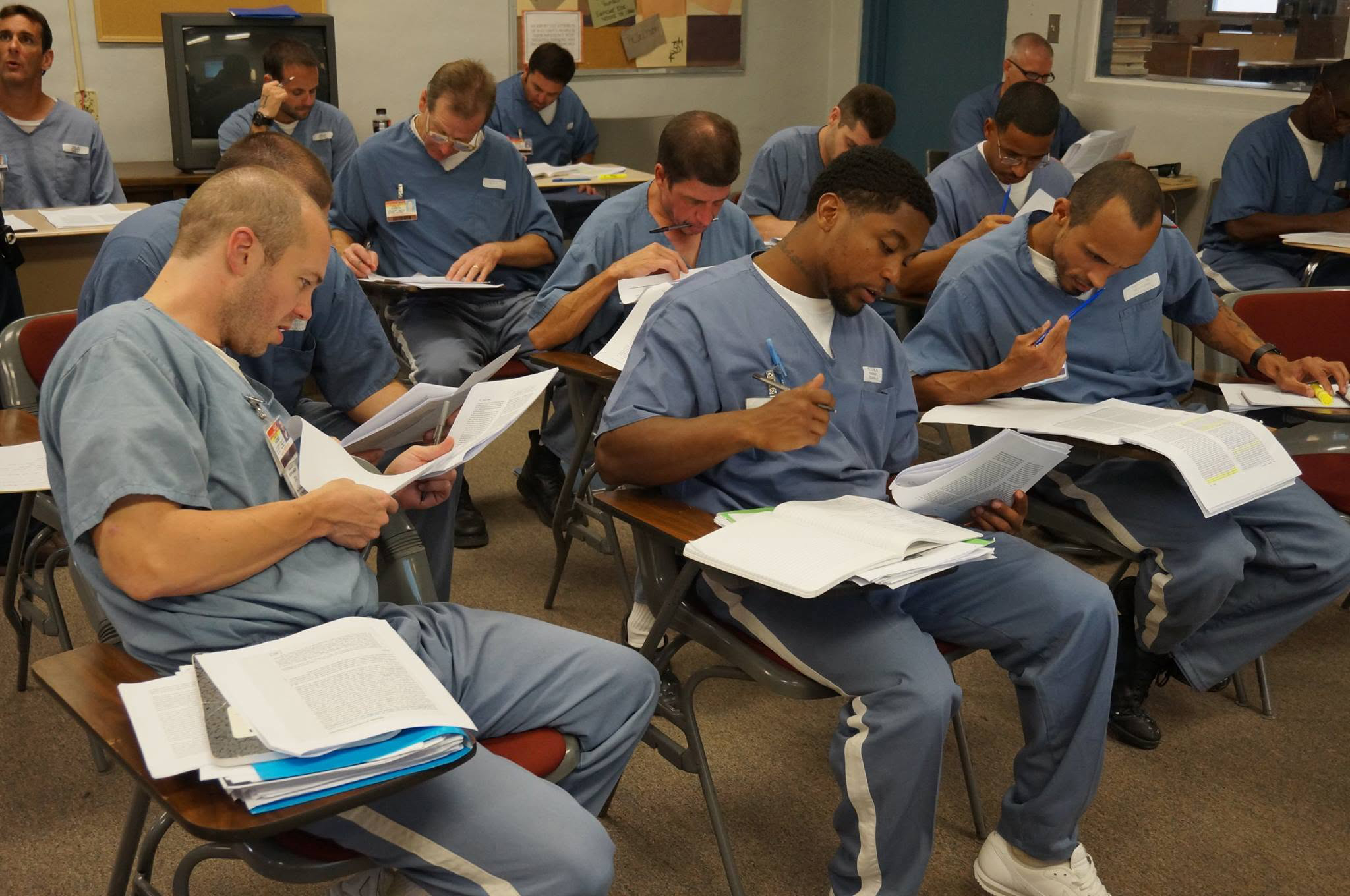
CEP is a grant-funded program that offers comprehensive liberal arts education within Florida’s prison system, where Stetson faculty work with CEP students to facilitate personal and intellectual growth for all involved in the program.
The CEP operates at the Tomoka Correctional Institution (CI) located in Daytona Beach, only 15 miles from Stetson University’s DeLand campus. The program started as “Migration & Mobility,” a weekly reading group with 12 incarcerated students, but it quickly blossomed into a far more ambitious program.
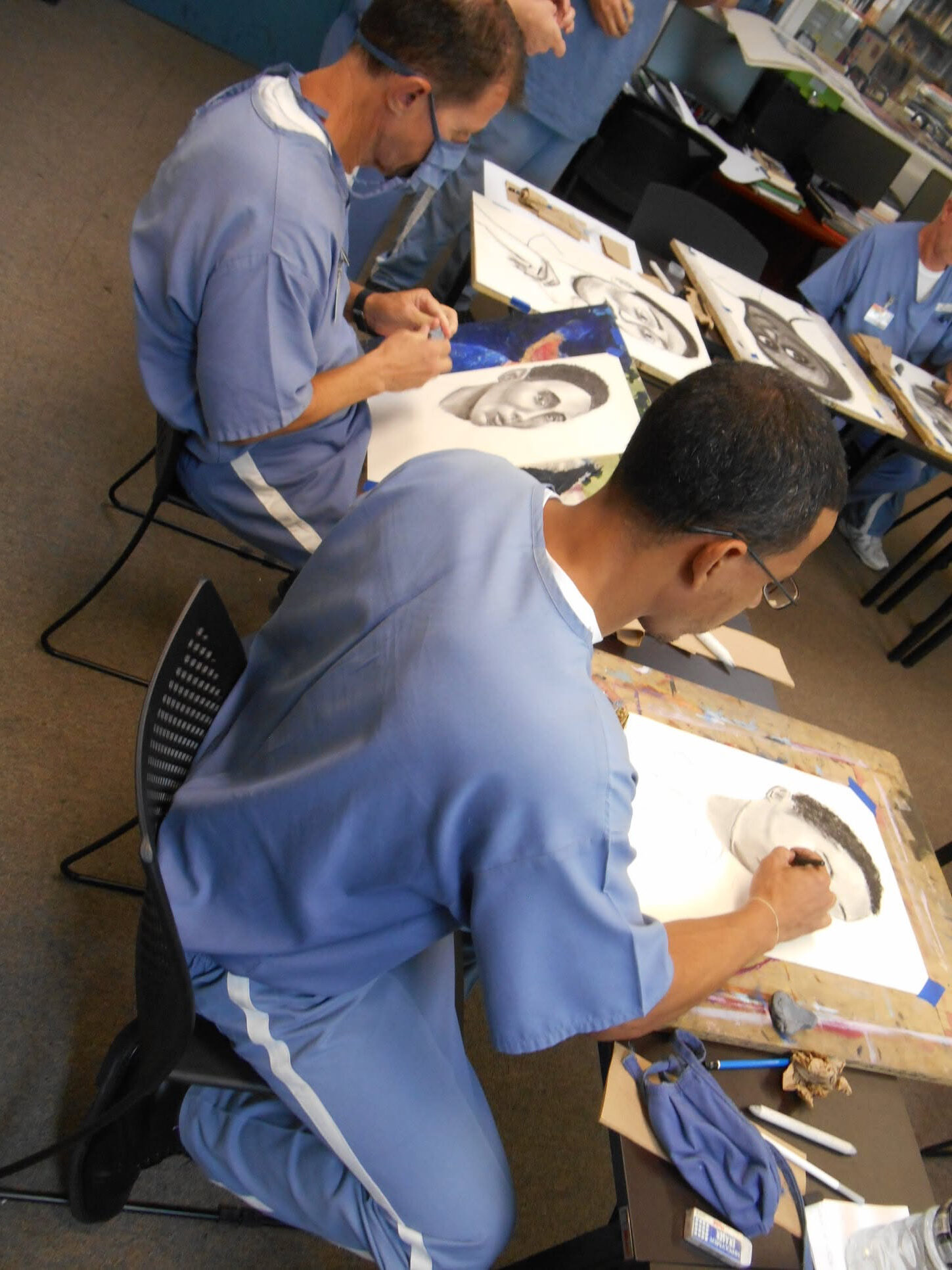
More than 25 faculty members have offered semester-length courses, lecture series, workshops and guest lectures in Anthropology, Computer Sciences, Communications and Media Studies, Digital Arts, Education, English, Film Studies, History, Latin American and Latino Studies, Mathematics, Music, Philosophy, Food Studies, Portuguese, Public Health, Religious Studies, Russian, East European and Eurasian Studies, Sociology, and Spanish. CEP students have presented their emerging scholarship at local, regional and national conferences.
In recent years, CEP has also increased its focus on food education and assisted the Tomoka CI students with creating and maintaining a garden. In addition to classroom instruction at Tomoka CI, the CEP instructors and students are committed to raising critical awareness about the causes and consequences of incarceration through public presentations and scholarship.
Natália da Silva, PhD, director of the Homer and Dolly Hand Art Center, was the faculty adviser for the CEP students’ curation of this exhibition. She said, “The artists on view are exceptionally talented. Each artwork on view tells a story, but as intended by the curators, we invite visitors to formulate their own perspective.”
As the curators’ statement notes, the students “share a commitment to personal expression, and largely, an unwavering desire to create…curating the outside from inside, we challenge prejudices in the art world and beyond. We invite visitors to explore the exhibit, and in the process, embrace the truth that we are here. The artists, the curators, and the visitors, too. There is no one here but us.”
Stetson professor Nathan Wolek, PhD, contributed tactile and sonic media to design accessible learning resources for visually impaired audiences, saying, “If it’s done thoughtfully, accessible technology should feel integrated into the whole. It’s not a late add-on. It’s just part of the overall design that happens to make this experience more accessible for diverse audiences. That’s my goal for this project, and I think that’s what we achieved. Along the way, we created some unique learning experiences for the students. It started by creating text descriptions of the pieces. Natália used this as an assignment in two different courses, giving the students writing assignments with a clear purpose. I took some of these text descriptions and had my beginning audio students recording the narration and enhancing them with sound design. Again, students knew going in that their work was for an exhibit at the campus art gallery, giving them a clear audience for their work.”
The artworks displayed in the exhibit are courtesy of the Museum of Art-DeLand, the Walker Collection of Florida Self-Taught Art, and collectors Beth and Greg Milliken, David Cutrell and Gary Monroe.
“NO ONE HERE BUT US” is on view from Sept. 8 to Dec. 5, 2026, with an opening reception on Sept. 10 at 6 p.m. and a gallery talk on Sept. 15 at 1 p.m.
For more information about the exhibition, visit https://handartcenter.org/calendar/no-one-here-but-us/.