Raising Awareness for Invisible Disabilities
One in five students at Stetson have a reported invisible disability according to June Gwartney, the school’s director of Accessibility Services. Referring to physical and mental conditions that may impair an individual’s daily life despite not being visible to others, she added, “That is a significant amount. This is a very sensitive topic that needs advocacy.”
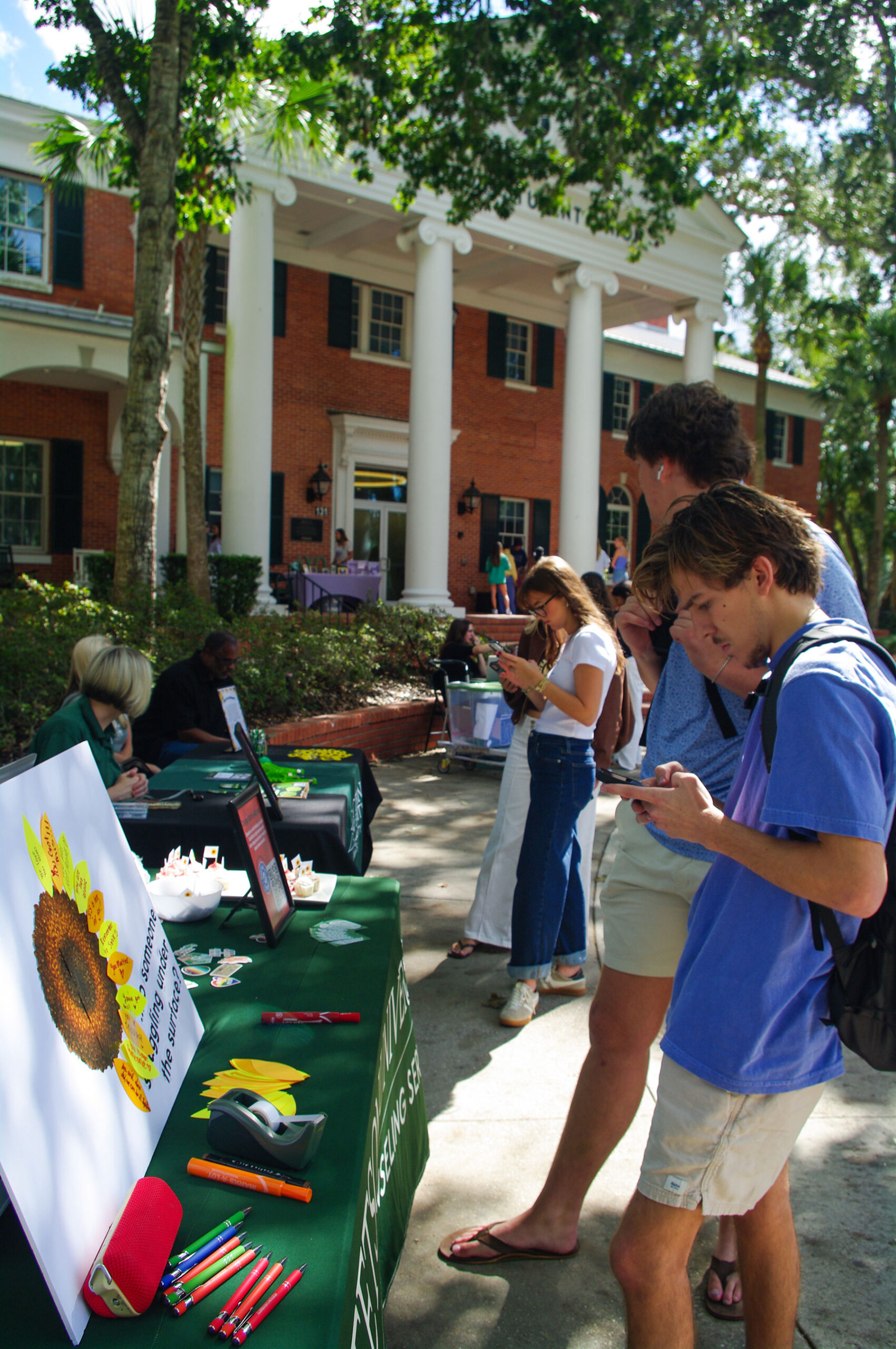
That’s why Student Counseling Services and Accessibility Services teamed up for tabling for Invisible Disabilities Awareness Week on Oct. 21. Students passing by the Carlton Union Building were invited to read a presentation on invisible disabilities including — but not limited to — anxiety, depression, chronic pain and autoimmune disorders while earning cultural credit. In addition, the presentation featured ways students can offer or receive support for invisible disabilities.
“We had a wide range of students visit our table, from those hearing the term ‘invisible disability’ for the very first time, to those who live with invisible disabilities themselves,” Juli Gamba, outreach coordinator for Student Counseling Services, commented. “It was enjoyable to engage our diverse community in conversation about this topic, and very rewarding to see so many students from different walks of life show enthusiasm about disability education and advocacy.”
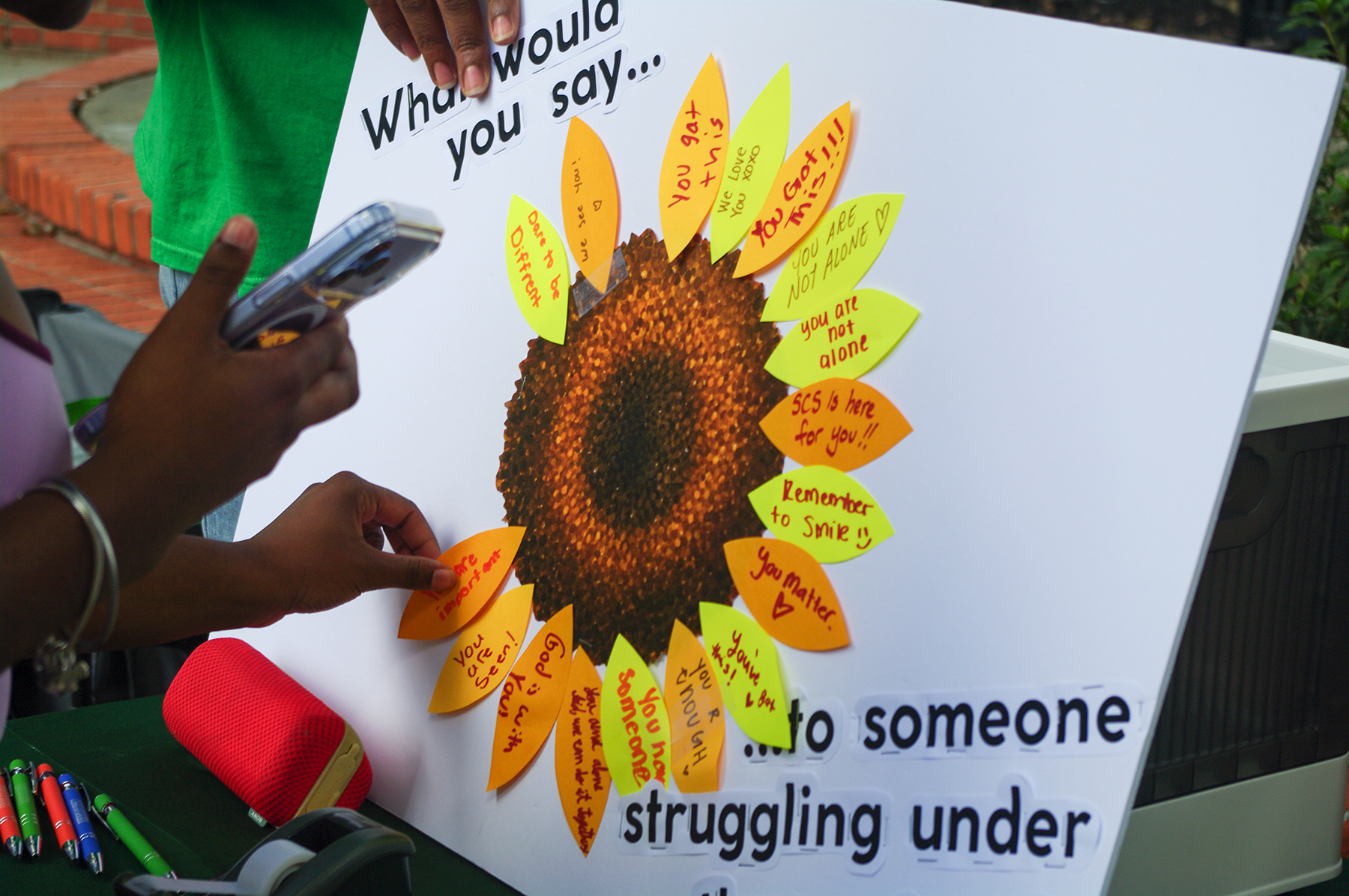
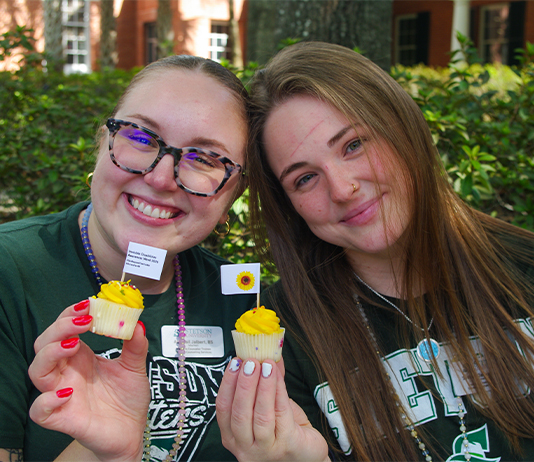
Besides the cupcakes, the sunflower was a notable feature found at the table, given out as keychains and cupcake toppers. Sunflowers are the recognized symbol for invisible disabilities, reflecting the resilience and strength of individuals living with these conditions. Together, students built their own sunflower by writing encouraging messages on colored petals and taping them to a board. By the end of tabling, the base of the sunflower was full of support for anyone struggling under the surface.
Anyone seeking support for an invisible disability can schedule an appointment with Accessibility Services for academic, on-campus living or dietary accommodations. In addition, students may utilize mental wellness resources for free through Student Counseling Services by calling 386-822-8900 to book an appointment.
–Natalie Harold