The Florida Law Schools’ Consortium for Racial Justice held its formal launch with a timely panel on Oct. 27, 2020, called “Civil Rights Litigation and Coalition Building in the 21st Century Forum.”
The inaugural event, which was held virtually and open to students from all 12 Florida law schools, included a brief introduction to the FLSCRJ and a reiteration of the important role the Florida law school community will have in its work toward racial justice.
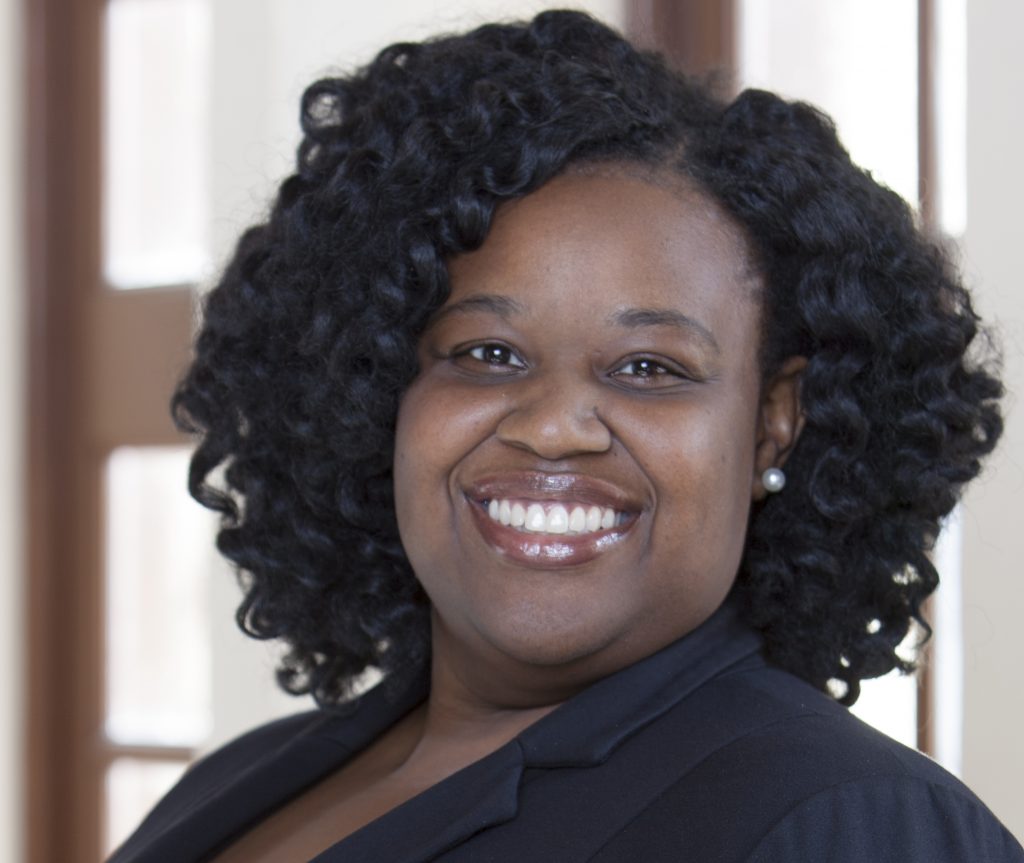
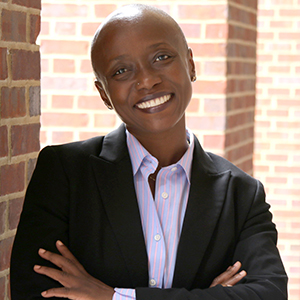
The panel featured Michele Rayner-Goolsby, who will represent District 70 in the Florida House and will be one of the first openly LGBTQ women of color elected to Florida’s Legislature, and Jotaka L. Eaddy, the founder and CEO of Full Circle Strategies, LLC, a social impact consulting firm committed to advancing transformative change and global impact.
You can listen to the entire conversation here:
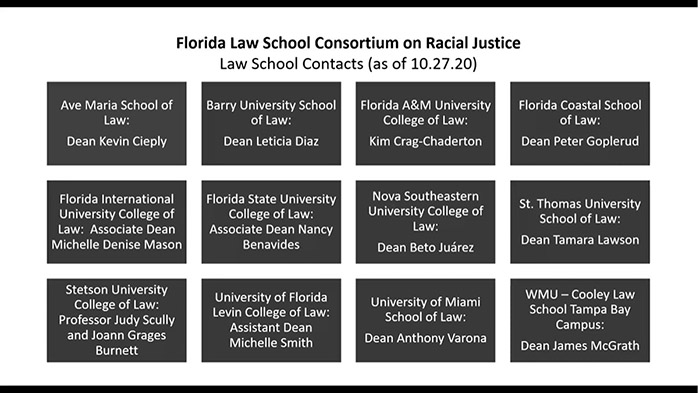
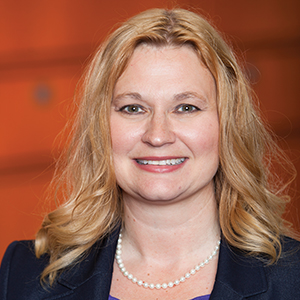
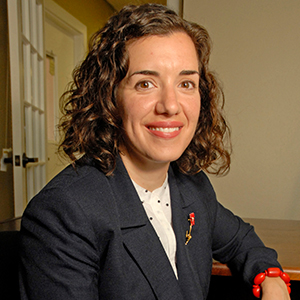
Each law school has a point person students can contact for more information about how to get involved with FLSCRJ at their school. Those individuals are:
About FLSCRJ
The Deans of the 12 law schools in Florida formed the Florida Law Schools’ Consortium for Racial Justice (FLSCRJ) in June 2020 in response to longstanding and current acts of racist violence. The collective aims to leverage the strengths and educational roles of every law school in the state to assist community organizations fighting for racial justice and policy reform throughout Florida.
The 12 law schools in Florida understand that law schools’ highest duty is to train intellectually strong and culturally competent lawyers who seek justice. Inherent in legal training is the expressed expectation that lawyers hold a special responsibility to denounce injustice, particularly in the state of Florida. Law schools in Florida therefore have an obligation to teach students how to speak up when they see wrongs. FLSCRJ will emphasize lawyers’ roles in advancing social justice and help law students develop the consciousness they need to speak out against inequalities.
Each law school will designate at least one student fellow to work with FLSCRJ every year. The fellows will collaborate with groups in Florida that have long pursued anti-racism initiatives.
GULFPORT, Fla. – The Tax Law Society at Stetson University College of Law will present the Stetson Tax Innovators Exchange (S.T.I.X.) on Nov. 13, 2020, featuring nationally renowned experts in environmental taxation and tax technology.
S.T.I.X. is a new and forward-thinking tax law collaboration event focused almost exclusively on tax practitioners – those working in the trenches every day. The nation’s top tax attorneys will dive into bleeding edge approaches to the practice of tax law and lead group discussions where practitioners can share challenges they face…and have a platform full of the greatest tax minds in the country work the problem out with them.
This interactive seminar will feature topics that run the gamut, but the overall goal is to ensure attendees leave armed with useful new techniques to advance not only their practice, but the field itself.
The first event in this innovative annual series will feature presentations by:
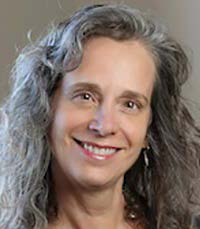
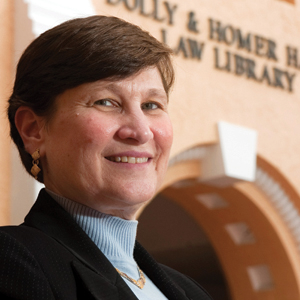
Roberta Mann, Professor at the University of Oregon School of Law – Professor Mann is the preeminent Environmental Tax Law scholar. She has served on the staff of the Joint Committee on Taxation and has worked for the Office of Chief Counsel of the IRS.
Professor Mann will discuss how tax policy can impact innovation and the environment, focusing on automation, entrepreneurship, and working from home.
Roberta Mann
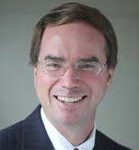
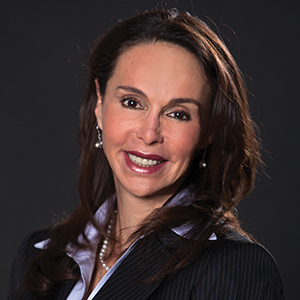
David B. Blair, Partner and chair of Crowell & Moring’s Tax Group – Mr. Blair has over twenty years of tax litigation experience. As a recognized authority on tax controversy, Mr. Blair taught transfer pricing as an adjunct professor at Georgetown University Law Center.
Mr. Blair will address the recent IRC 45Q carbon capture tax credit developments.
David B. Blair
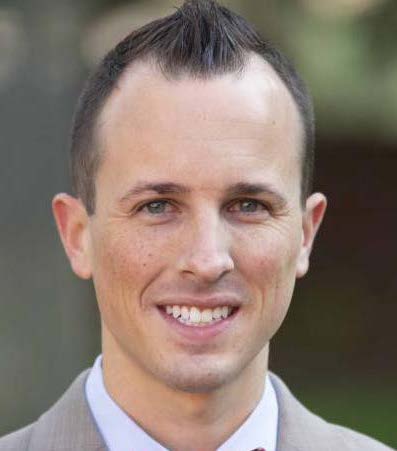
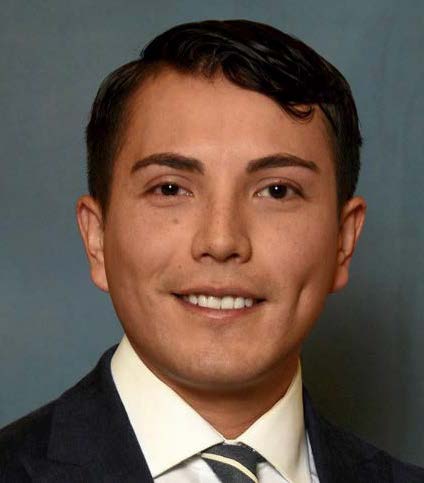
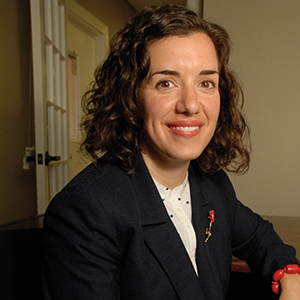
Nate Wadlinger, Lecturer at Florida State University and a certified public accountant – Mr. Wadlinger is a published author with deep expertise in tax technology.
Mr. Wadlinger will examine how artificial intelligence can improve tax practice.
Nate Wadlinger
Two Stetson Law graduates will also be presenting their award-winning environmental taxation papers:
Daniel F. Town, presenting “From Futile to Utile: Addressing the key role of Florida’s Electric Utility Companies in mitigating Sea-Level Rise,” which focuses on addressing sea-level rise through the lens of electric companies which are the highest emitters of carbon, and proposes three solutions that can maintain revenue and reduce the impact of rising sea-levels in Florida.
Daniel Town
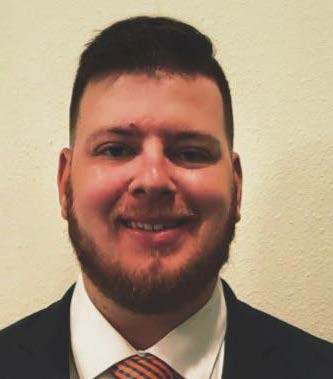
Daniel Raymer, presenting “Plastic Tax: An Alternative to Plastic Alternatives,” which focuses on the consequences of rising sea-level on Florida’s economy and proposes a hybrid of upstream and downstream taxes on targeted single-use plastics.
Daniel Raymer
This event is sponsored by the Tax Section of The Florida Bar and will provide Florida CLE. It is open to the public, and there is no charge to attend. However, registrants can choose to donate on the registration page, with proceeds supporting future Stetson Tax Law Society programming. For more information contact Stetson Tax Law Society president John Bartel at [email protected]
Stetson Law is pleased to announce that it will be hosting a new Advocacy Writing Competition. The winner will present his/her paper at the annual Educating Advocacy Teachers (EATS) Conference, receive an award of $2,000 cash, and be guaranteed publication in the Stetson Journal of Advocacy and the Law.
Competition Goals:
Motivate advocacy skills teachers, coaches, and practitioners to finish that paper they started but never completed.
Support advocacy teachers and coaches in their careers in academia through publication.
Share practical and innovative ideas in the field of advocacy.
Make writing less intimidating by lowering the word and footnote count required for publication.
Each contestant should enter an article related to the teaching or advancement of advocacy. Submissions must be 3,000 to 10,000 words with no more than 99 footnotes, single spaced, and in 12-point font. Articles have to be submitted to both [email protected] and [email protected] to be considered. The deadline for submissions is 11:59 PM on March 1, 2021.
After the winner is selected, Stetson will help prepare him/her to present the winning paper at the 2021 EATS Conference. Also, during the EATS Conference the winner will have the opportunity to lead workshops and help other individuals who are working toward their goal of being published.
The Stetson Journal of Advocacy and the Law was founded in 2014 and is the first law review designed to be read online. It is a student-produced legal journal dedicated to discussing, exploring, and influencing contemporary issues related to oral and written advocacy. It features articles on all facets of advocacy (including Alternative Dispute Resolution, Trial Advocacy, and Appellate Advocacy) written by pre-eminent practitioners, judges, law professors, and students. The Journal is published annually.
Questions?
Feel free to reach out to Stetson Law’s Center for Excellence in Advocacy at [email protected] or 727-562-7317.
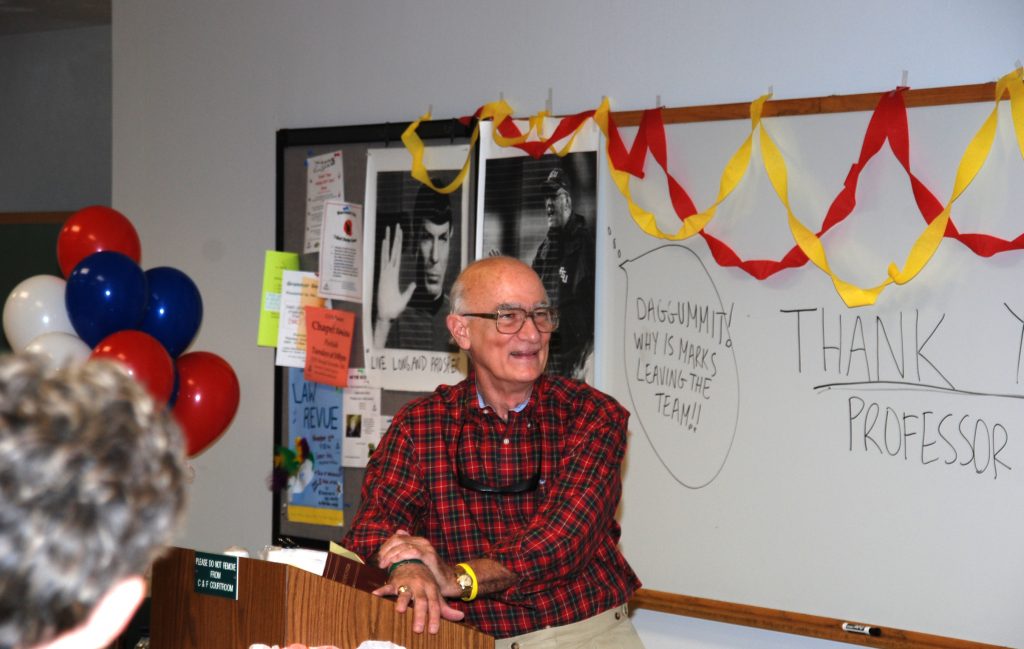
The Stetson University College of Law mourns the passing of Dr. Thomas C. Marks Jr., a constitutional law professor who was an integral part of the Stetson Law community for more than 50 years.
He died in Ocala, Fla., in September.
Marks devoted his career to helping thousands of law students understand and love the complexities of the federal and state constitutions. As a well-known scholar in constitutional law, many people – from practitioners, judges, scholars, and students – sought his views. He was a ready volunteer in student-sponsored activities and active in the law school community even beyond his retirement in 2007.
“I met Tom last year and was immediately enthralled by his heart and brilliance,” said Dean Michèle Alexandre. “His sense of humor and kindness were contagious. He loved the law school, and this love was palpable. During my time with Tom, I also had the pleasure of seeing his friendship with our beloved Dean Bruce Jacob. Watching their friendship cemented my deep belief that the Stetson spirit is in essence purely collaborative and loving.”
It was a bittersweet celebration when Professor Marks retired from full-time teaching.
Jacob remembered his friend for moments of laughter – like the time Jacob found a student outside Marks’ office. The student noticed someone else was in the room ahead of her and waited her turn politely instead of knocking. Jacob had to break it to her it was not another student but rather a life-sized cut out of John Wayne Marks kept by his office door.
Jacob also recalled his colleague for his generosity – like the year Jacob was called upon to teach a section of constitutional law. It had been 40 years since he’d last delved deeply into the subject, so Marks met him every day during that first semester to patiently answer his questions and explain the aspects of constitutional law Jacob needed to teach that course.
“He was a great teacher, a wonderful person and a very good friend,” Jacob said. “His passing is a tremendous loss to all of us.”
Education and Experience
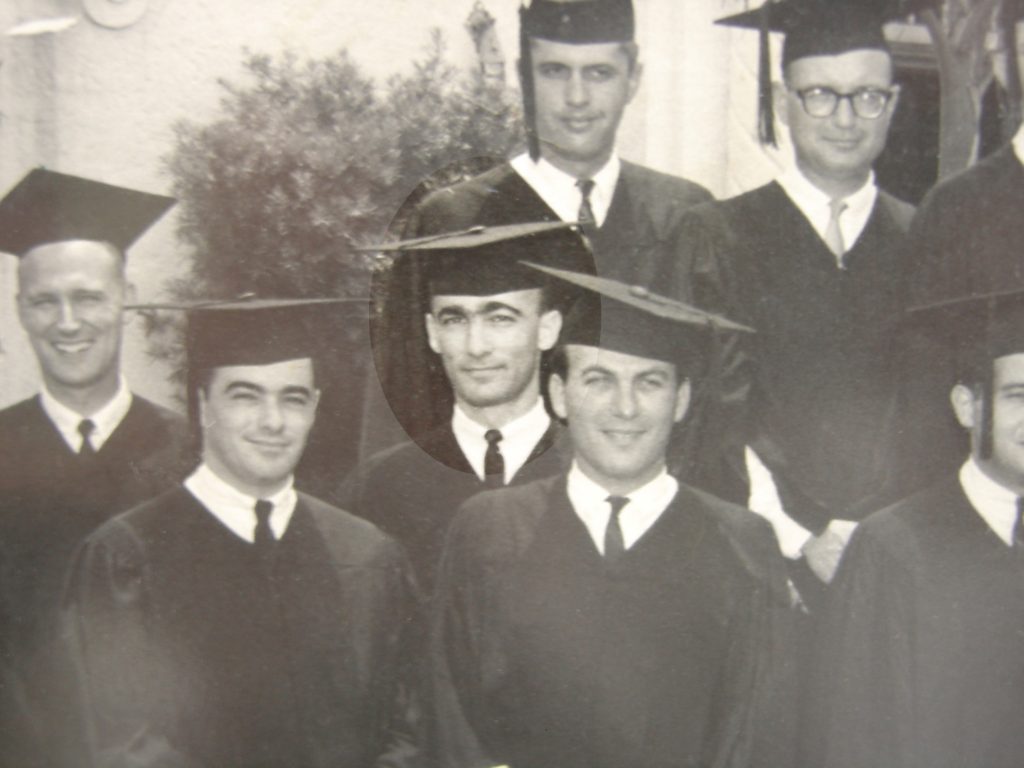
Marks’ Stetson graduation.
Marks earned a bachelor’s degree from Florida State University and his Juris Doctor from Stetson in 1963. Upon graduating from law school, he clerked with a local law firm briefly before changing his reserve military status to active duty in the U.S. Army Jag corps. After training, he headed to Vietnam as part of the 4th Transportation Command to manage the waterfronts and ports. He returned home after a year but remained in the reserves for another nine years, leaving the military with the rank of Major.
Marks practiced law for two years before completing a doctorate in political science from The University of Florida. Academia felt like the logical move, and he taught political science and criminal justice at the University of South Alabama in Mobile.
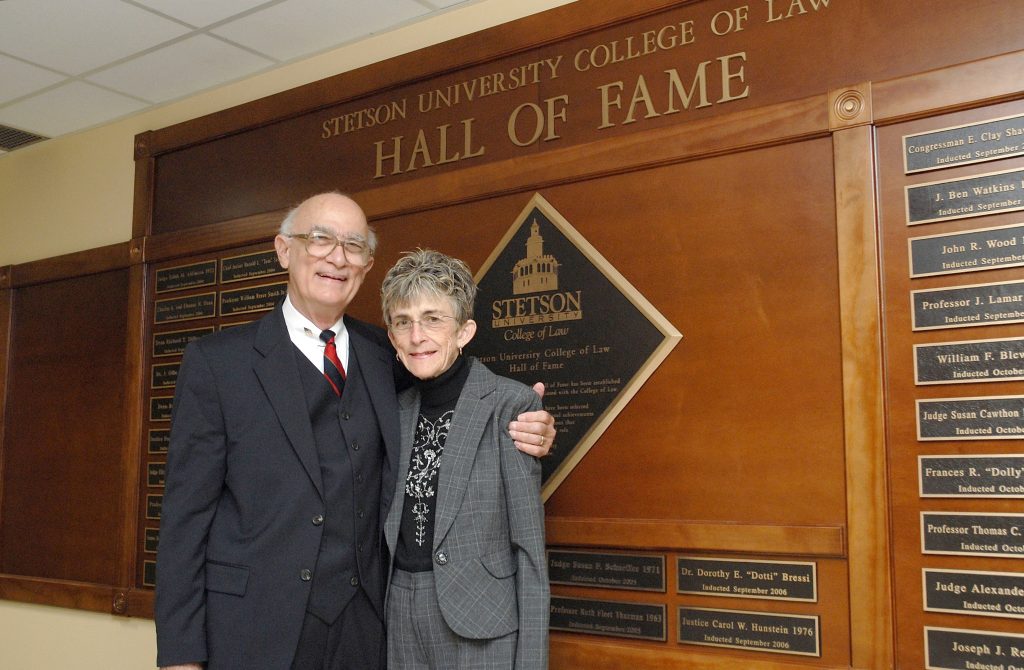
Stetson Law Dean Richard Dillon lured Marks from Alabama to return to his alma mater to join the law faculty in 1973. He taught U.S. and Florida constitutional law until his retirement in December 2007. He was inducted into the Stetson University College of Law Hall of Fame that same year. At that time, he said beyond his loving family, his greatest sense of accomplishment was the joy he found in teaching students. He said he felt blessed with cherished staff and faculty colleagues over the years.
Professor Marks and his wife, Nancy, at the Hall of Fame ceremony when he was inducted.
“He was extremely well-liked by many faculty, even folks like myself who were diametrically opposed in the political sphere,” said Professor Ellen Podgor.
She visited him after he retired and said it was wonderful to “talk about constitutional issues with a man who valued legal scholarship and enjoyed discussing the law. He was a man who loved Stetson and was extremely devoted to the law school. And this loss will be a difficult one for many here, including myself.”
Scholarly and Community Impact
Marks authored several books, including co-authoring the second edition of State Constitutional Law In A Nutshell and the fourth edition of Florida Constitutional Law. He wrote or co-wrote more than 50 law review articles and publications. He maintained many professional memberships, including with the United States Supreme Court Bar, the United States Court of Military Appeals Bar, the Supreme Court of Florida Bar, the U.S. Armor Association, the Professional Board of Editors of the annual State Constitutional Commentary issue of the Albany Law Review, the U.S. Naval Institute, the Florida Supreme Court Historical Society, and as a voracious reader, the Gulfport Library.
Spirituality was essential in Marks’ life. He provided the invocation remarks at countless Stetson ceremonies and taught adult Sunday school class at Pasadena Community Church before he and his wife of more than 50 years, Nancy, moved to Ocala.
They devoted their 1.5 acres to more than 30 special needs rescue dogs at what they called Freckles Farm, named for one of their beloved pooches. He told Stetson Lawyer magazine in 2018 that he believed it was important to find work-life balance and identify ways to give back.
“It’s one of the ways we contribute to society.”
Stetson Legacy
During his career, Marks established a Memorial Scholarship Fund in memory of his parents, Thomas C. Marks Sr. and Bernadine B. Marks. This annual scholarship is awarded to an entering first year student with financial need, who has demonstrated successful academic performance in his or her undergraduate institution. Following his retirement, The Thomas C. Marks Scholarship in Constitutional Law was created in his honor.
Stetson University College of Law faculty voted on Oct. 9, 2020, to approve an Antiracism Resolution that declares their commitment to “dismantling all forms of oppressive power dynamics and challenging any assumptions that diminish human dignity, including those that rely on racist assumptions.”
Professor Lance Long
The resolution grew out of the Diversity and Inclusion Committee’s and faculty’s concern about the national unrest that unfolded throughout the summer of 2020, particularly in response to the unjust killings of Black Americans – such as Ahmaud Arbery and Breonna Taylor – that were argued as being defensible under current law and were the catalyst for the resurgence of the Black Lives Matter Movement, said Lance Long, Professor of Law and faculty co-chair of the Diversity and Inclusion Committee.
Many Stetson Law students, including our Black Law Students Association, called upon the College of Law to not only reflect on what was happening nationally, but to take a stand, said Carmen Johnson, director of Diversity Initiatives and Recruitment and staff co-chair of the Diversity and Inclusion Committee.
Director Carmen Johnson
“Students wanted to know that they are attending an institution that not only recognizes the issue of systemic racism, but actively works to address it,” she said.
In response, the Diversity and Inclusion Committee, which comprises 15 members from the College of Law staff and faculty, drafted a resolution that acknowledges racial and societal injustices that have been in place since the establishment of this country and includes a multi-point call to action.
“The faculty and Diversity Committee acknowledge that racism is an affliction that we must never enable, and that we should actively be antiracists and take responsibility to condemn and end racism. Further, that we need to identify and challenge systemic prejudice wherever it exists, that we are all accountable for doing the work necessary for policy changes that dismantle structural systems of oppression that perpetuate racial inequities in our society, that we will strive to be better listeners and supporters of those who are the victims of racism, that we will never rest until every American feels safe, free and accepted in our country, and that we will continuously abide by the goal of providing respect and equal treatment to all in upholding the rule of law.”
“I am proud to be part of a community, like Stetson Law, that is so openly dedicated to tackling difficult issues, deeply committed to learning and to persisting toward equity, even when the dialogues and processes of coalition building are challenging. The democratic process that has unfolded these last four months at our law school began with the students. And, it continues to be inspired by them,” said Dean Michèle Alexandre.
Faculty and staff participated in a campus-wide, collaborative process where everyone had a chance to review and comment on the draft resolution, participate in a virtual discussion with the Diversity and Inclusion Committee, and vote in an anonymous staff poll before the faculty approved the resolution on Oct. 9.
Of the staff members who participated in a poll on the resolution, 80 percent were in favor of it.
With the creation of the Veterans Advocacy Clinic in 2014, Stetson University College of Law firmly established its commitment to veterans and created an opportunity for students to gain real world experience by representing disabled veterans seeking benefits before the Department of Veteran’s Affairs. Since that time, students and staff attorneys with the Clinic have helped nearly 100 clients and secured more than $2 million in back pay benefits for them.
Stetson Law now offers an Advanced Veterans Advocacy Clinic to expand on that work, provide the next level of service, and create an even deeper learning experience for law students.
Stacey-Rae Simcox
“The Advanced Clinic is an opportunity for students who have experience working at the agency level of the Department of Veteran’s Affairs to represent veterans at the United States Court of Appeals for Veterans Claims,” said Professor Stacy-Rae Simcox, director of Veterans Law Institute and Veterans Advocacy Clinic.
The U.S. Court of Appeals for Veterans Claims, located in Washington, D.C., is one the most recently established federal courts. Consequently, new case law is being created every day. This new law then needs to be implemented at the agency level, which can be difficult to accomplish. Students in the Advanced Veterans Advocacy Clinic handle and potentially argue their cases on appeal.
Christine Cerniglia
“Usually, Advanced Clinic students have already had the Veterans Advocacy Clinic experience,” said Christine E. Cerniglia,associate professor of Law and director of Clinical and Experiential Education. “The work here feels very different … that appellate work is quite different than building the case.”
Students in the Veterans Advocacy Clinic dedicate more than 6,000 hours of pro bono legal work on cases each year. Many have used their clinical experience as a springboard to future careers. To date, 11 graduates have gone on to the Judge Advocates General Corps (JAG), and more than 20 alumni are now practicing veterans law in some way, whether that be at U.S. Court of Appeals for Veterans Claims, legal aid, veteran law non-profit organizations, or in law firms.
“It’s incredible to see students learn from this experience,” Simcox said. “They know how important it was to somebody. They’ve actually seen it up close and get to experience what it’s like being a lawyer, sitting at someone’s shoulder, and working together.”
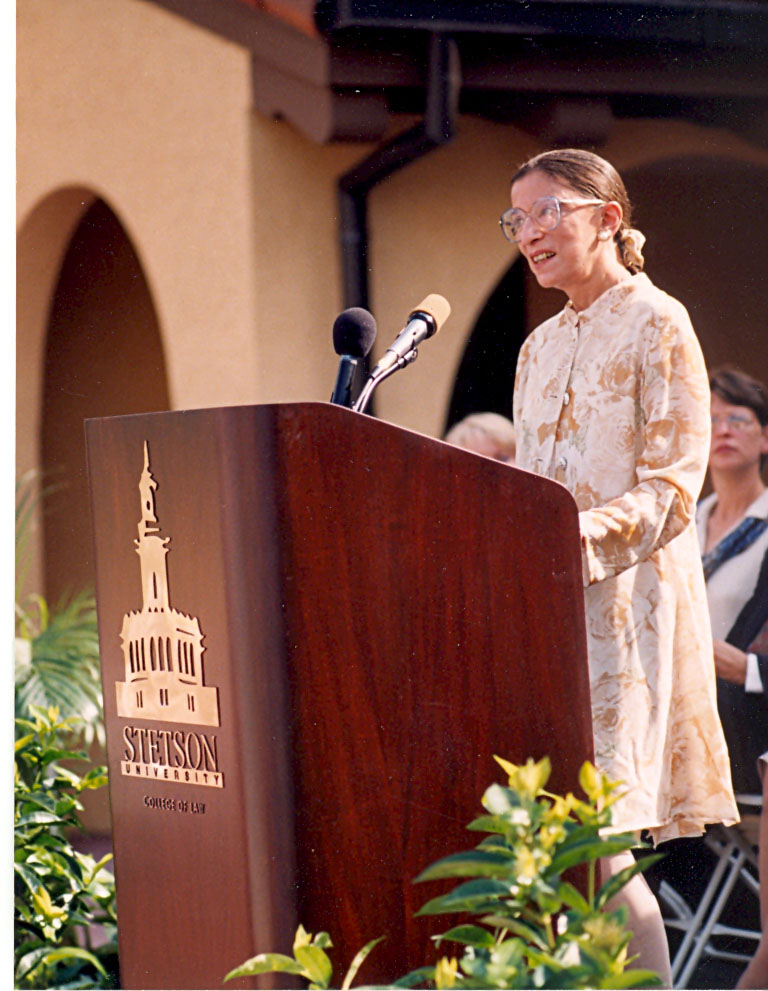
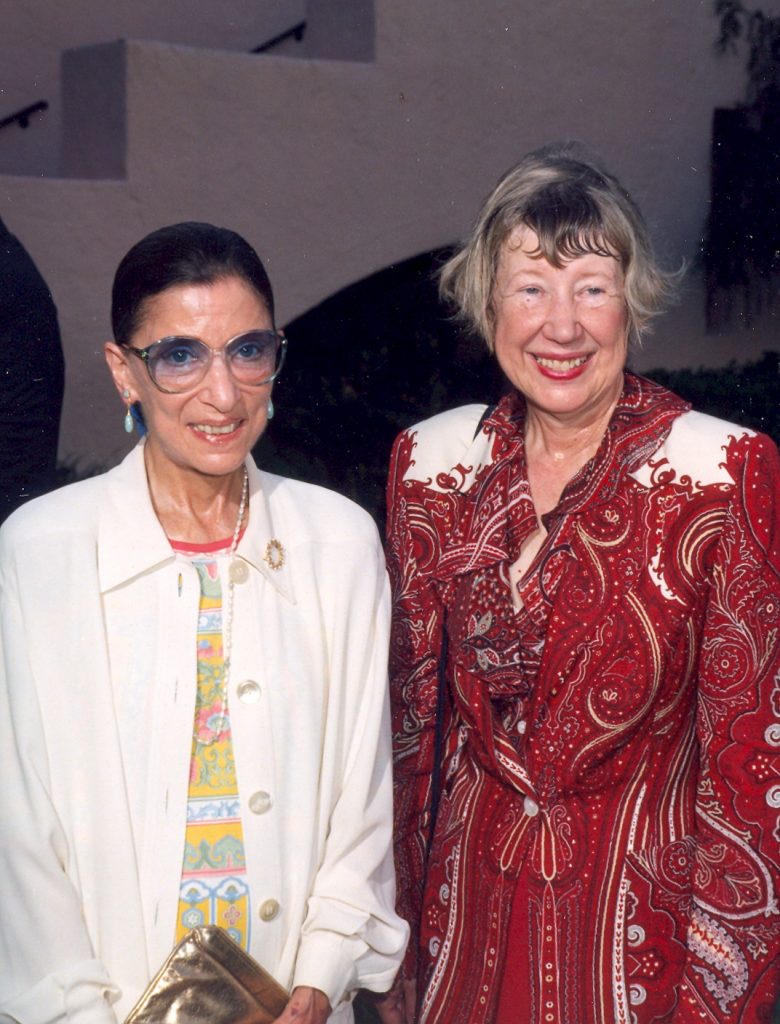
Justice Ruth Bader Ginsburg gives the keynote address at the dedication of Stetson’s Law Library in 1998.
United States Supreme Court Justice Ruth Bader Ginsburg died on Friday, Sept. 18, 2020, at her home in Washington, D.C., following complications of metastatic pancreatic cancer. She was 87 years old. She was only the second woman appointed to the court and served more than 27 years.
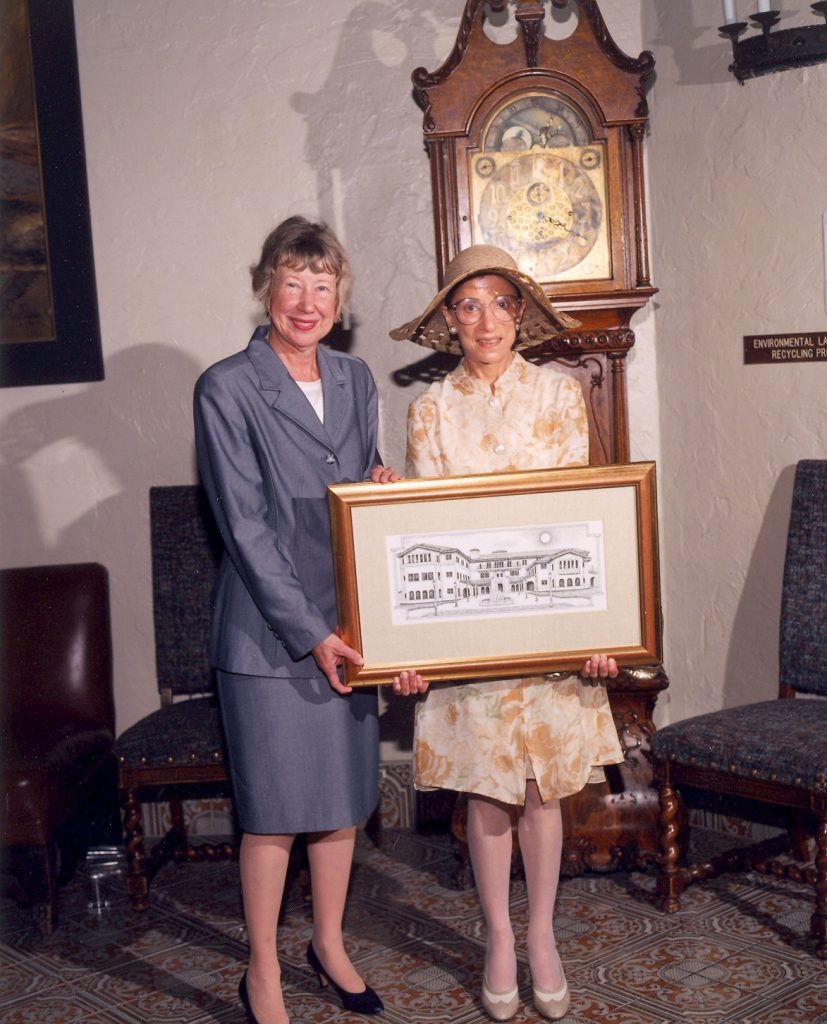
Stetson Law was fortunate to host Justice Ginsburg on campus as the keynote speaker for the dedication of the new law library on Saturday, Sept. 5, 1998. During the event, she discussed the history and evolution of law libraries in the United States, the changes in law education over the course of history, and the rise of women in the law profession. Her speech is still available online through C-SPAN.
Ginsburg had befriended then dean Lizabeth A. Moody when the two served on the Women’s Law Fund together in the 1970s and worked on a case challenging the pregnancy policy in Cleveland Public Schools. Ginsburg would become known for her work in gender discrimination litigation and efforts for gender equality.
The Stetson Law community continues to mourn Ginsburg’s passing, with members of the faculty and various student organizations sharing their memories and and honoring her legacy.
Professor Ellen Podgor
“For so many women, like myself, Justice Ginsburg was our inspiration. She was a brilliant jurist, trailblazer, feminist, educator, powerful, thoughtful, and righteous (confirmed by her passing on Rosh Hashanah). She fought the fight for all of us, even when ill and hurting. She managed to keep the issues separate from the people who advocated for those. It is now our job to carry that legacy forward. We need to restore civility in our country.”
Professor Luz Nagle
“While I was in law school at William & Mary, I consulted with the National Center for State Courts as an International Liaison. In this capacity, I hosted the justices of the Supreme Court of Chile on a visit to the U.S. Supreme Court. In addition to being their “chaperone,” I was the interpreter during their meeting with Justice Ginsburg and Justice Scalia. Things became quite lively when Justice Scalia made a comment about the right of women to vote, and Justice Ginsburg took issue with his remark. This led to an animated debate between the two, and it was a real challenge to keep up with them in translating their debate for the Chileans. The interesting thing is that this was a post-Pinochet [Augusto Pinochet, former president of Chile] court, and yet, the justices seemed to side with Justice Scalia. Justice Scalia was a large man with a big presence, and Justice Ginsburg was petite and unassuming. But the power of their minds in one room was overwhelming.”
Professor Christine Cerniglia, director of Clinical and Experiential Education
“Once when I was a law student at Loyola Law School in New Orleans, she was invited to speak, and just the invite to campus caused controversy raised by many conversative Catholics. The backlash was felt before she even stepped foot on campus, and I remember feeling like we, the law students, should speak up and let everyone know we want to hear from her, we want to hear what she has to say, we want to learn from her. I spoke up and wrote into the conservative Catholic newspaper. I can’t remember what I said, but I remember our Con Law and First Amendment professor pulling me aside at church and saying, “good job, proud of you.” The night she spoke, I arrived at the room early and planted myself right in the middle so I could absorb every word. I remember, despite the excitement, you could hear a pin drop when she spoke. She was petite (I’m the same height), and I remember reflecting on her quiet grace, passion and command of the room. As always, her words were carefully selected, and I remember her speech was for us – the law students. She knew her audience and inspired us to follow precedent and carefully study the law.”
“RBG has always represented the values I hold true, to stand up for what you believe in, to use the law to argue rationally, and to use the court system to right the wrongs. To work hard, very hard on the things you deeply care about and to never be intimidated, but instead use grace and strategy to persevere.”
Professor Peter F. Lake, director of the Center for Excellence in Higher Education Law & Policy
As a higher education professor, I instantly think of RBG’s decisive role in the VMI [Virginia Military Institute] case, which assured equal rights for women to access certain forms of adversative military training. This was a big step in helping women overcome stereotypes of being unsuited for certain roles. It also has helped to make America safer and stronger as barriers to highly qualified individuals who seek to defend our country have been lifted.
Professor James W. Fox Jr.
Tie I am teaching in today, honoring RBG (Contracts class, not Con Law, but still) pic.twitter.com/XZIecwHAWL
Additional photos from the September 1998 law library dedication where Justice Ginsburg was the keynote speaker.
Then Stetson Law Dean Lizabeth Moody with Justice Ruth Bader Ginsburg during the September 1998 weekend celebration of the new law library dedication.An overhead view of the ceremony celebrating the dedication of Stetson Law’s new library. Justice Ginsburg is at the podium in the bottom center of the photograph.Then Stetson Law Dean Lizabeth Moody presents Justice Ruth Bader Ginsburg with a rendering of the new law library.
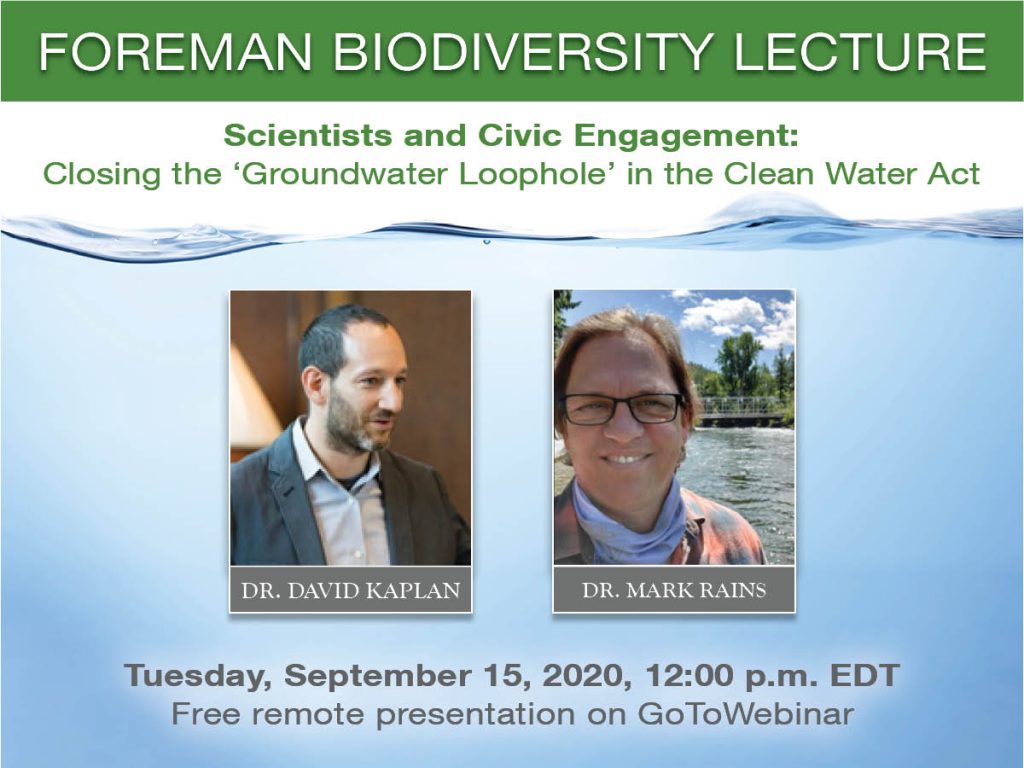
The inaugural Edward and Bonnie Foreman Biodiversity Lecture of the academic year is titled “Scientists and Civic Engagement: Closing the ‘Groundwater Loophole’ in the Clean Water Act” and will hosted online on Tuesday, Sept. 15 from 12-1 p.m.
The speakers will be Dr. David Kaplan and Dr. Mark Rains, both of whom were instrumental in working with Stetson Law’s Institute for Biodiversity Law and Policy on an amici curiae (“friend of the court”) brief in the U.S. Supreme Court in County of Maui v. Hawaii Wildlife Fund.
Academic scientists are often disengaged from civil discourse, especially in the legal domain. Most notably, academic institutions are not structured for civil discourse, and academic scientists themselves are often unfamiliar and perhaps uncomfortable with the nature of civil discourse itself. However, a group of academic scientists, including Kaplan and Rains, overcame these barriers, engaging as friends of the court in County of Maui v. Hawaii Wildlife Fund (2020). The brief informed the Supreme Court of the United States, resulting in a science-based ruling that has closed a massive loophole and strengthened the Clean Water Act.
Kaplan is an Associate Professor in the Department of Environmental Engineering Sciences within the Engineering School of Sustainable Infrastructure and Environment at the University of Florida and Director of the H.T. Odum Center for Wetlands. Rains is a Professor of Geology and the Director of the School of Geosciences at the University of South Florida.
Stetson Law now offers a new concentration in Business Law that is designed to hone skills and knowledge for those interested in pursuing careers in business law, including a strong focus on corporate and commercial law, tax law and related fields.
John Bartel
“It’s always been my belief that business and tax law touch every interaction with your client, so I was very happy to hear that Stetson Law officially sanctioned a business law concentration,” said John M. Bartel, a 3L J.D./M.B.A. candidate who enrolled in the new concentration.
The intense experiential curriculum includes opportunities in bankruptcy, intellectual property, documents of the deal, and much more to develop real world skills. Students will receive close mentoring from members of the faculty and can utilize Stetson Law’s partnerships with various financial, cybersecurity and other companies to further sharpen proficiencies and build relationships.
Prof. Theresa Pulley Radwan
“We aim to help students find their niche within an area that is incredibly broad,” said Theresa J. Pulley Radwan, Transitional Business Administrator and Professor of Law. “They will get the coursework to prepare them and access to the key experiences to make them successful. That starts with a mentor and expands beyond the classroom to include clinics, externships, and networking. Our partnerships with area companies give students incredible opportunities to develop real world skills.”
A concentration is different from an undergraduate major in that students go beyond the course work with the help of their faculty member mentors, as well as possibly professionals outside the faculty, to think through the careers and network after graduation. Students interested in the concentration do not need an undergraduate degree in accounting or related field to apply for the program. Radwan said that is one great feature about the concentration; students who take Business Entities or similar courses in law school and realize they love it have a new opportunity to pursue that further.
Stetson Law is known for its strong experiential learning opportunities that include clinics, externships, and pro bono work, and students in the Business Law Concentration must complete area-specific legal pro bono and an externship. They will benefit from the College of Law’s existing partnerships with a variety of local companies, including Citi Group and cybersecurity giant KnowBe4. The latter created the KnowBe4 Cybersecurity Law Program Fund last year to support the establishment and growth of a cybersecurity law program within the Business Law Concentration, as well as merit-based scholarships. Other opportunities include summer fellowships with the Business Law Section of The Florida Bar, In-House Counsel externship, and Intellectual Property externship.
Bartel had the opportunity to be a tax preparer for the Volunteer Income Tax Assistance program and an extern to The Honorable Catherine P. McEwen in the U.S. Bankruptcy Court for the Middle District of Florida.
“I consider these experiences critical components of my education as a law student,” he said. “The coursework and experiences from the business law concentration prepared me for my summer associateship based around corporate and tax practice.”
After graduation, Bartel plans to enroll in a Tax LL.M. program to further specialize in the area.
Prof. Andrew Appleby.
Stetson accepted approximately 25 second- and third-year students into the program this first year. The application process is a rolling one, so there is no hard deadline. Concentration requirements include 21 hours in the business law curriculum, a 3.0 overall GPA and not less than 2.5 in any business law requirement. Professor Andrew Appleby, one of 10 faculty members in the Concentration, recommends students take Business Entities and Federal Tax 1 in their 2L year, as well as tax law if they want to apply for the Concentration. They must also demonstrate proficiency in finance and accounting principles and Microsoft Excel.
Businesses interested in partnering with Stetson Law on mentoring students, offering externships or other opportunities should contact Professor Radwan at [email protected].
GULFPORT, Fla. (Sept. 1, 2020) — Stetson University College of Law received the 2020 Higher Education Excellence in Diversity (HEED) Award from INSIGHT Into Diversity magazine, the oldest and largest diversity-focused publication in higher education. As a recipient of the annual HEED Award — a national honor recognizing U.S. colleges, universities and professional schools that demonstrate an outstanding commitment to diversity and inclusion — Stetson Law will be featured, along with other recipients, in the November 2020 issue of INSIGHT Into Diversity magazine.
Dean Michèle Alexandre
“At Stetson Law, we are committed to the work being undertaken here and university-wide to implement meaningful inclusionary practices among students, faculty, and staff, and to continuing to foster an inclusive community where everyone is expected to lead with humanity and professionalism, so we could not be more thrilled that our efforts thus far have been recognized nationally,” said Dean Michèle Alexandre.
Why Stetson Law
INSIGHT Into Diversity magazine selected Stetson Law – one of only two law schools to receive the award this year – for increasing the diversity and representation of student and staff/tenured faculty communities, increasing the reach and structure of campus-wide diversity and cultural competence education and resources, and expanding the reach of its social justice advocacy program and initiatives to emphasize the importance of social justice in all that they do.
“The HEED Award process consists of a comprehensive and rigorous application that includes questions relating to the recruitment and retention of students and employees — and best practices for both — continued leadership support for diversity, and other aspects of campus diversity and inclusion,” said Lenore Pearlstein, co-publisher of INSIGHT Into Diversity magazine. “We take a detailed approach to reviewing each application in deciding who will be named a HEED Award recipient. Our standards are high, and we look for institutions where diversity and inclusion are woven into the work being done every day across their campus.”
Key Initiatives
Two of Stetson Law’s specific accomplishments were: the implementation of a concentrated effort to recruit and retain historically underrepresented and first-generation students through a pre-law pipeline program, personalized support and mentorship throughout their academic career, and specialized fundraising efforts for scholarships and endowments to ensure they have the financial wherewithal to complete law school; and the launch of an Inclusive Hiring Strategic Plan to provide a transparent framework to broaden the college’s continued advancements in increasing diversity and representation among faculty and staff.
Carmen Johnson
“We are passionate about this work and have emphasized the importance of analyzing the impact of our inclusion and equity efforts to ensure we are accomplishing our action plans with intention and consistency,” said Carmen Johnson, co-chair of Stetson Law’s Diversity Committee and director of Diversity Initiatives and Recruitment. “Our Stetson Law community should be proud of this recognition and let it serve as inspiration to reinforce our long-term commitment to our goals.”
About Stetson University College of Law
Stetson University College of Law, Florida’s first law school, has prepared lawyers and leaders since 1900. Today, Stetson leads the nation in blending legal doctrine with practical training, evidenced by its top-ranked programs in advocacy and legal writing. Through its academically rigorous curriculum and commitment to social responsibility, Stetson produces lawyers who are ethical advocates ready to succeed in the legal profession.
About INSIGHT Into Diversity
INSIGHT Into Diversity magazine is the oldest and largest diversity publication in higher education today and is well-known for its annual Higher Education Excellence in Diversity (HEED) Award, the only award recognizing colleges and universities for outstanding diversity and inclusion efforts across their campuses. For more information about the 2020 HEED Award, visit insightintodiversity.com.
Stetson Law’s Veterans Advocacy Clinic celebrates recent successes for veterans
In September 2020 Stetson Law’s Veterans Advocacy Clinic celebrated yet another victory for a veteran in need – this time for a Vietnam combat veteran who was terminally ill with esophageal cancer.
The Veterans Consortium Pro Bono Program, a national charity that provides free legal services in federal venues for veterans, referred his case to Stetson. Alumna Julie Munderback dedicated hours to get a remand from the U.S. Court of Appeals for Veterans Claims to give Stetson students a chance to collect new evidence to support the veteran’s claims.
Students Jakob Braun, JP Steinmetz, and Julia Knoll worked tirelessly, researching and developing medical theories as to how his service could have caused his cancer, including his exposure to chemicals and the possibility that other medical problems could have led to his cancer. They then prepared evidence and correspondence for a medical expert. The students’ work enabled the medical expert to formulate an expert opinion on the causes of the cancer that rebutted the Veteran Administration’s own medical expert opinions.
Stacey-Rae Simcox
The work of the students on this case was extremely detailed and laborious, said Professor Stacy-Rae Simcox, director of Veterans Law Institute and Director of Veterans Advocacy Clinic. From combing through medical journal articles with Law Librarian Sally Waters, to spending long sessions diagramming theories on whiteboards and then trying to frame their questions for the doctor in medical language that would be clear to him, the students remained diligent and dedicated to this case. Once students received the doctor’s answers and opinion, they then translated them into words the VA would understand.
In September, the Board of Veterans’ Appeals decided that this veteran’s cancer was service connected. They agreed to pay him $142,000 in back benefits. They also determined his wife will be entitled to widow benefits after he passes away, which was his primary concern.
“This is another example of why the work you all do is so important,” Simcox told those who worked on the case in her announcement of the VA’s decision. “It makes me proud to be a Hatter and proud to work with each and every one of you! Don’t forget this feeling you have right now – you can make a difference using your hard-earned skills.”
This is just one of many examples of the impact of Stetson Law’s Veterans Advocacy Clinic. Another was a decision handed down just prior to the end of 2020. A widow filed a widow’s pension claim in 2010, but over the years, the VA failed to appropriately adjudicate it several times.
Vasilios “Billy” Zimarakos (the best oralist at the 2019 National Veterans Law Moot Court Competition) won a remand the case from the U.S. Court of Appeals for Veterans Claims before he graduated in May 2020. Michael O’Quinn, a 3L, and Morgan MacIsaac, Veterans Law Institute staff attorney, took over and drafted a brief to the Board of Veterans’ Appeals explaining why the widow deserved an earlier effective date for her claim. The Board agreed and awarded the woman $55,000 in back benefits.
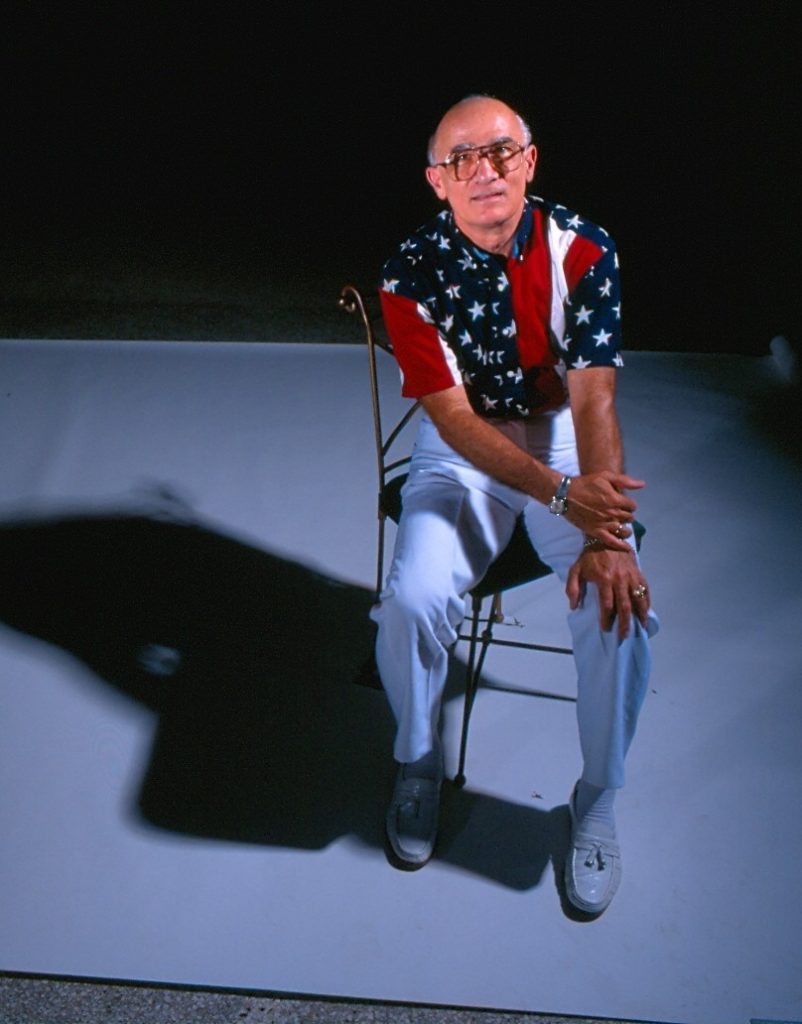
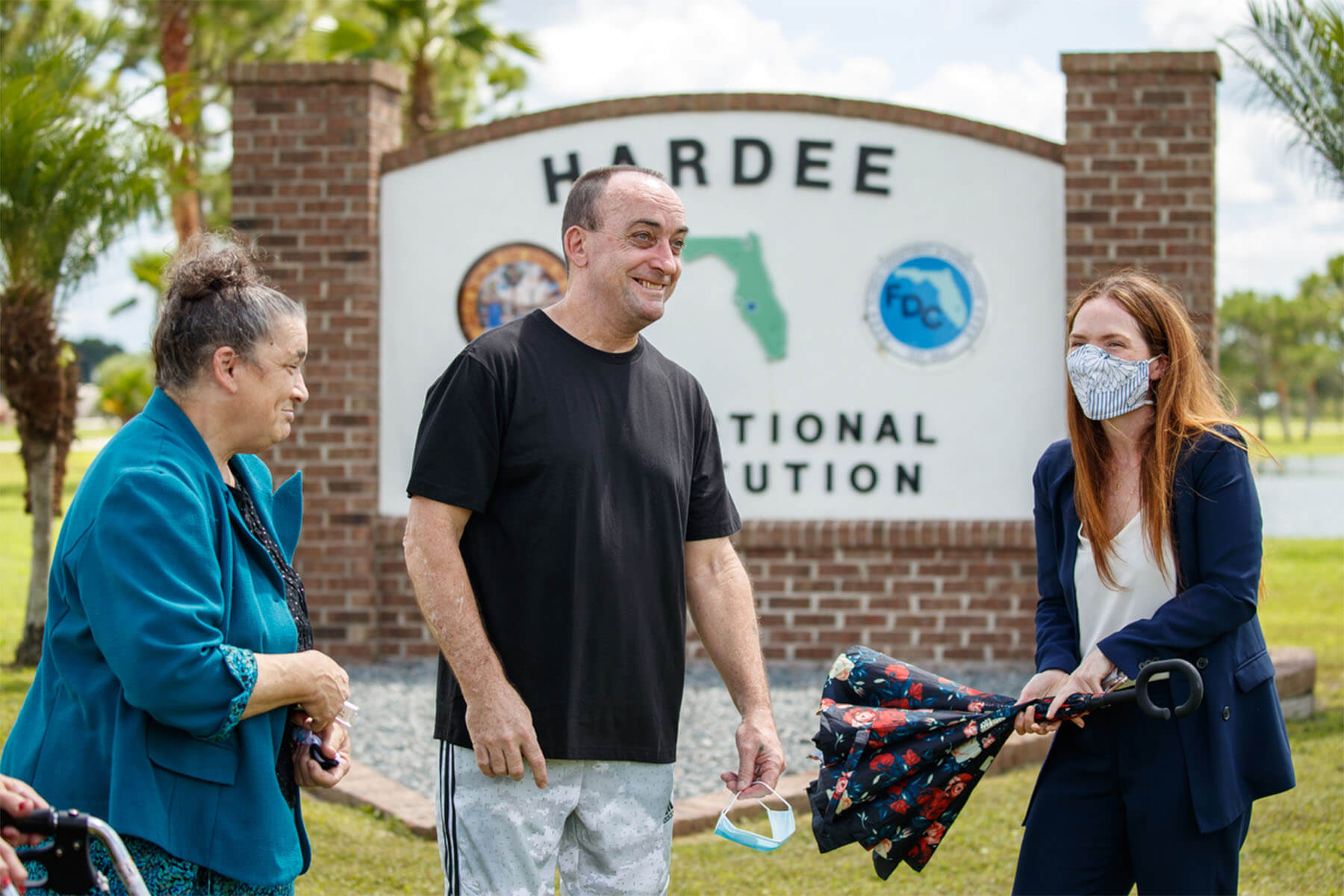
After nearly 40 years, Robert DuBoise reunites with his sister Harriett (left) and attorney Susan Friedman after his release from Hardee Correctional Institute (Image: Casey Brooke Lawson/ The Innocence Project).
“The work toward justice is many times a long road, but the rewards renew us all! This is why I love clinical education,” said Christine Cerniglia, professor and director of Director of Clinical and Experiential Education.
Christine Cerniglia
Cerniglia was celebrating a multi-pronged accomplishment – one that involved many years and many players but ultimately forever changed the life of one man, Robert Duboise. After being incarcerated for 37 years, he was exonerated when newly discovered DNA evidence thought to be lost revealed his innocence in a 1983 Tampa rape and murder.
Duboise’ release was accomplished through The Thirteenth Judicial Circuit State Attorney’s Office’s (Hillsborough County, Fla.) Conviction Review Unit (CRU). Attorneys for the CRU worked with Stetson law externs to review the prior conviction and evidence, which helped secure Duboise’s release from prison on Aug. 27, 2020.
Wilma Metcalf
The Conviction Review Unit is one of Stetson Law’s externship placements where students have been contributing for almost two years, and 3L Wilma Metcalf had the opportunity to work on Duboise’s case. She was tasked with researching and summarizing the use of bite mark evidence (that’s what was primarily used to convict Duboise) and why it has ultimately been discredited as unreliable.
“It felt really, really good to be part of something that big,” Metcalf said.
Teresa Hall, the supervising attorney for the Conviction Review Unit, is the externship supervisor for students. Hall also serves as adjunct clinic professor for Stetson’s Tampa Prosecution Clinic. Cerniglia said she is the true force of energy in the partnership with Stetson.
“The students always speak so highly of Teresa and the incredible mentoring received in the field,” Cerniglia said. “She makes them see the law differently and how important lawyers are to protect justice in the criminal system.”
Hall insists the law students are an integral part of the work at the Conviction Review Unit.
“We are so proud of the work that we have done and the partnership with your clinics and having externs participate in the system,” Hall said.
Teresa Hall
It’s a win-win collaboration, Hall explained, because students bring fresh eyes to complex criminal prosecutions and provide a new and different perspective. Students, meanwhile, gain knowledge about criminal trial work from both the prosecution and defense perspective, as well as contacts with individuals throughout the area, including trial attorneys, community leaders and future employers.
“Twenty years ago, I began my work in prosecution by being a certified legal intern with the law school I attended in Indianapolis,” Hall said. “This is where my fulfilling career began, and it helped make me the trial attorney I am today. I urge all law students to participate in the clinical experience. It is invaluable.”
Of course, the individuals who benefit most from these partnerships are those, like Duboise, who regain their freedom after years of wrongful incarceration.
“I am grateful to be here, now with a chance to move forward, but I know there are more innocent people like me still behind bars,” DuBoise told members of The Innocence Project.
About Stetson Law
Stetson Law is known for its clinical and experiential education programs designed to enhance classroom-based learning and give students opportunities to gain valuable, real-world experience. These experiences allow students to observe and participate in the application of substantive law and find solutions to problems that confront attorneys daily. Learn more on our website: https://www.stetson.edu/law/academics/clinical-education/.