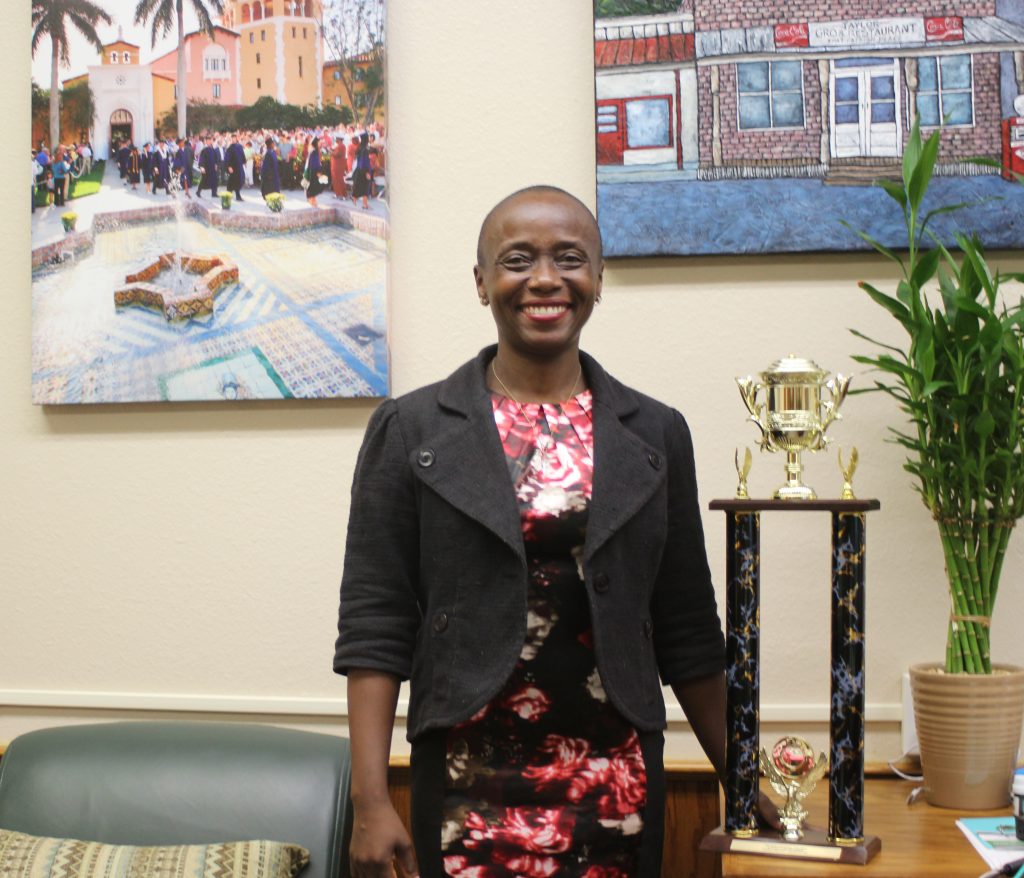
The Florida Bar Foundation announced the winners of the 2020 Florida Pro Bono Law School Challenge, and Stetson Law took top honors for most law school clinic engagement.
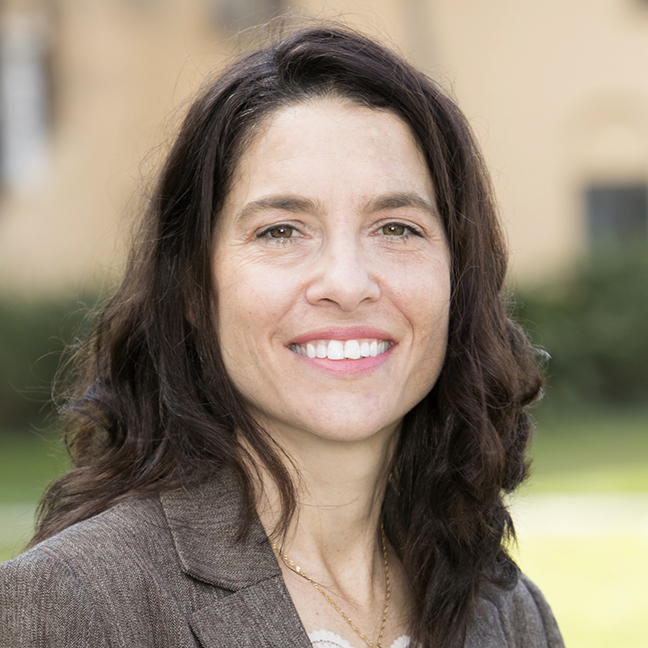
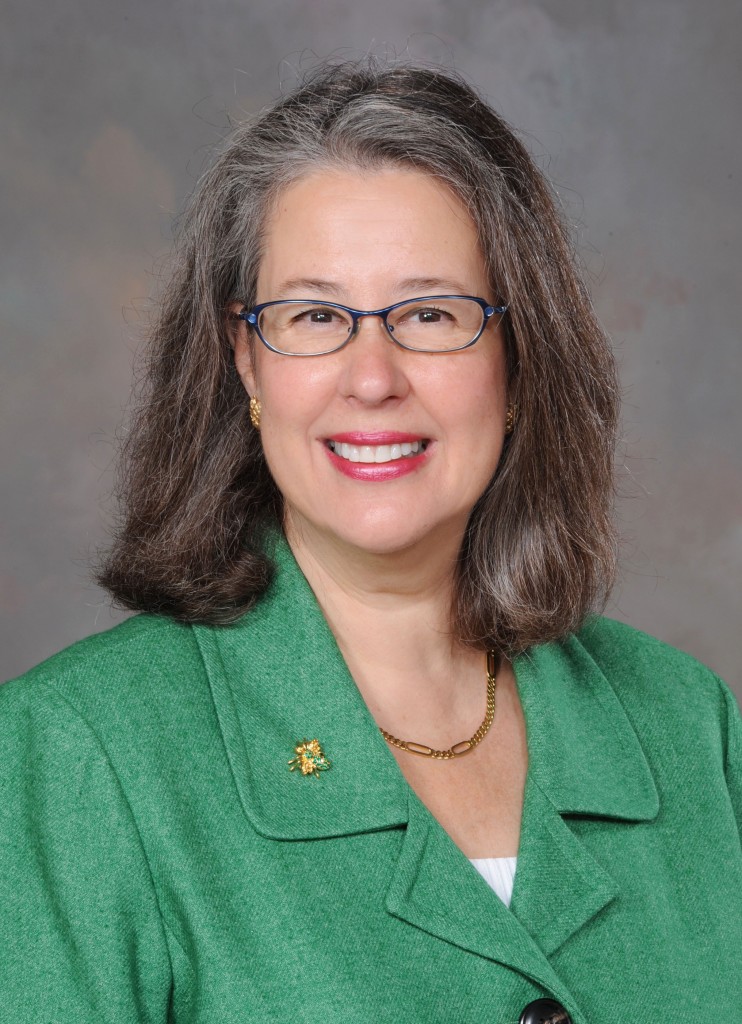
“This is great news,” said Christine E. Cerniglia, director of Clinical and Experiential Education at Stetson Law.
This is the second iteration of the Challenge, which launched with a pilot version in 2019. Using an online platform at FloridaLawSchoolChallenge.org to match students with alumni mentors, Florida’s law schools competed to see which could take the most pro bono cases. Students and lawyers from all of Florida’s 12 law schools participated this year, as did 47 Florida lawyers who graduated from out-of-state law schools.
Stetson Law is known, in part, for its experiential learning opportunities, including more than 300 clinic and externship opportunities annually. With approximately 28 clinic and externship courses at 60 hosting organizations, Stetson joins a handful of other law schools across the country who guarantee that every student can participate in a clinic or externship course during law school.
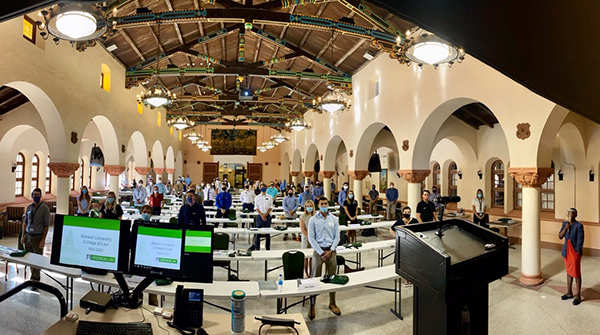
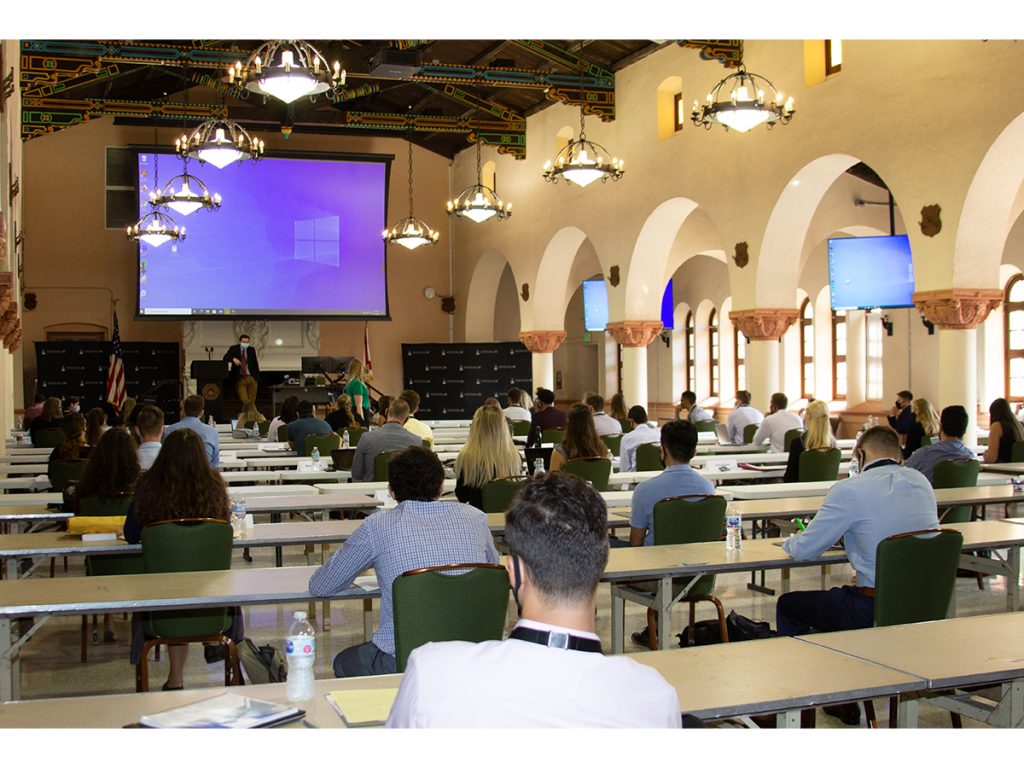
This year’s orientation was one of the longest and most logistically complicated programs in the law school’s history. Stetson Law staff worked hard to accommodate this year’s large incoming class while maintaining physical distancing.
Mario Makram, an incoming first year law student from Clearwater, said he was nervous on his first day of orientation August 11. But, he clarified, it was typical “first day of law school” jitters, rather than fears associated with coronavirus. Thanks to the protocols in place, he was not as anxious as he might have been, he said.
Stetson University and Stetson University College of Law implemented many new policies, procedures, and physical adjustments, as well as invested in new equipment and supplies, to comply with the Centers for Disease Control and Prevention (CDC) mandates regarding COVID-19 and to ensure that students, faculty, and staff would be safe returning to campus for the first day of class August 17.
The efforts that went in to make an in-person educational experience possible this year include:
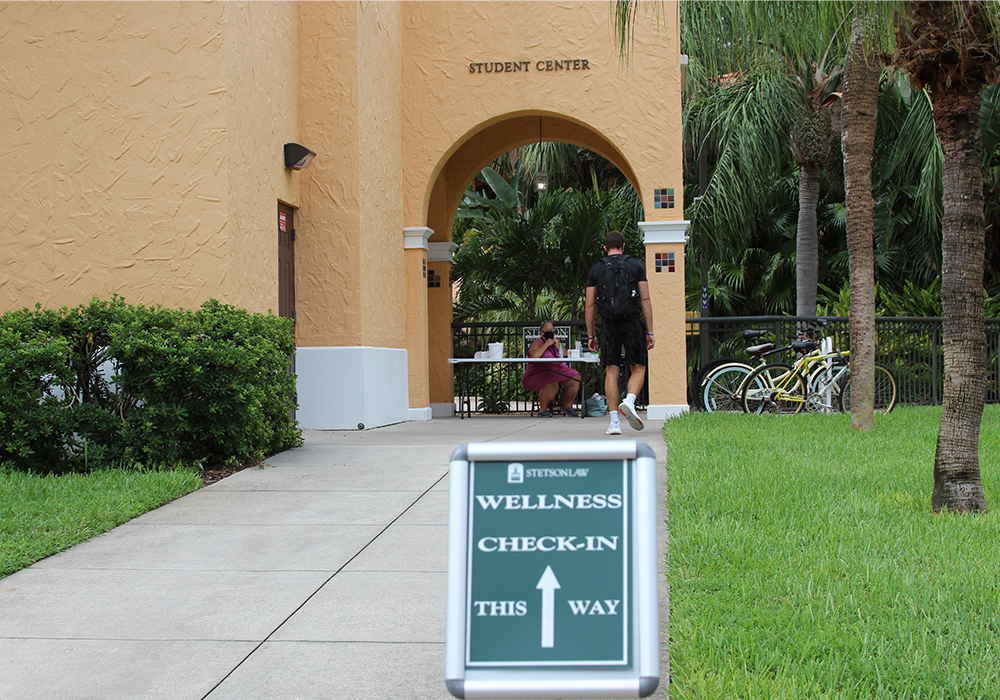
Wellness Centers screen visitors.
Launching the Safer Stetson website for both the main campus in DeLand and the College of Law in Gulfport with all of the up-to-date information, resources, and FAQs;
Creation of designated Wellness Stations as main access points during busy business hours and class times where students, employees, and visitors will be required stop for health screening;
The installation of physical barriers in classrooms and offices where there is an increased potential for close contact with others;
Improving air quality via HVAC systems and other methods;
Considerable technology investment to ensure all classrooms are outfitted with the necessary technology for dual-delivery classes, as well as giving both the Great Hall and Mann Lounge major technology upgrades so those large spaces (typically used for major gatherings) can be utilized as classrooms this year;
Partnership with iSelectMD that provides Stetson Law students 24/7 access to real-time virtual medical consultations with physicians for COVID-19 concerns, as well as many other non-urgent, acute illnesses such as sinusitis and the flu;
Extensive new cleaning regimens using Environmental Protection Agency (EPA)-approved cleaning solutions and tools, including electrostatic sprayers;
Color-coded Stetson branded lanyards to help distinguish between students, employees, and visitors;
Visitor Screening form for campus guests, who must also stop at the Wellness Station in the horseshoe for additional screening prior to entering;
Periodic testing of students and employees at the College of Law; and
Of course, face coverings. Stetson Law purchased face coverings for all students and employees and implemented a strict Face Covering Policy.
Residential students and those attending in-person classes were asked to obtain PCR testing within the two weeks before arrival to campus and provide the results to the Office of Student Life. Stetson will report all positive COVID-19 test results on the Safer Stetson website, though the site will not include any personally identifying information.
Masks are required on campus.
Stetson Law offered students a choice of taking classes in person, remotely or a combination of both for this academic year and worked to ensure all students who preferred to attend in-person classes would be able to do so. Approximately 75 percent of the incoming first-year class opted to pursue in-person for most or all of their classes, though many second and third-year students are taking a mix of both. The College of Law is able to offer this additional remote education pursuant to an approved American Bar Association variance to the rules regarding distance-education programs for ABA accredited law schools.
Our admissions team worked diligently to bring in one of the largest classes in the last 10 years. Of the incoming 1Ls, about 85 percent chose to attend in-person orientation.
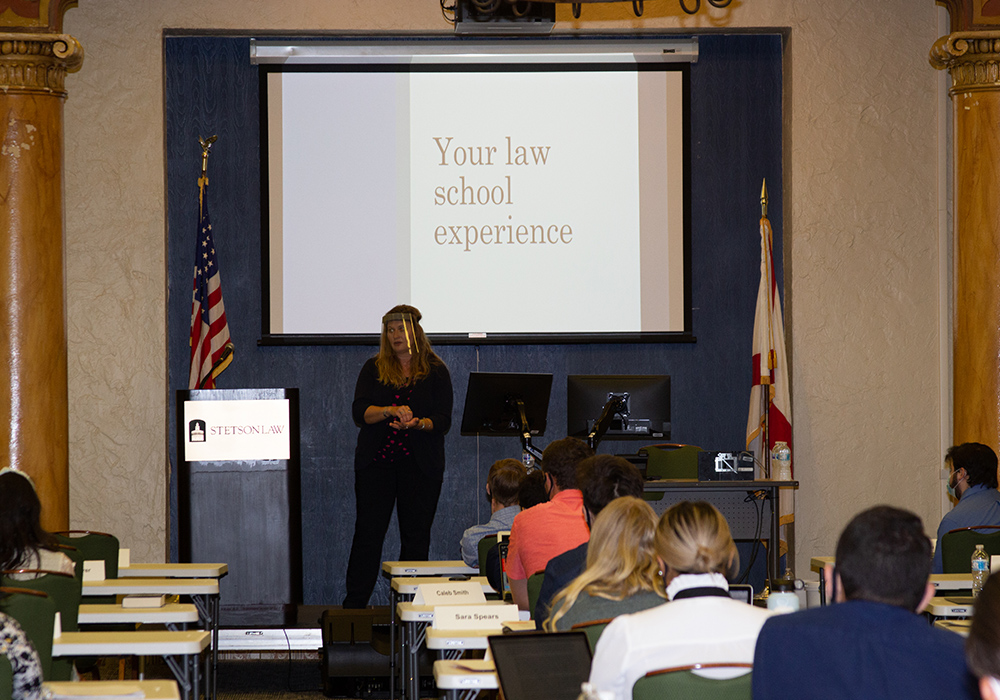
JoCynda Hudson, assistant dean for Student Affairs, and her team worked tirelessly to produce one of the longest and most logistically complicated orientation programs in the law school’s history to accommodate this year’s large incoming class while maintaining physical distancing and those who preferred to attend online. Orientation typically lasts only three days, but this year it ran from August 7-14 in multiple sessions.
Amanda Mercado, an incoming 1L from St. Petersburg who attended in-person orientation, said the orientation schedule was “inclusive,” and giving students the option of whether to attend in person or online alleviated any worries they might have had about safety.
Mia Hartley, an incoming 1L from St. Pete Beach, was moved to online remote orientation because of lack of capacity but found that she and her fellow students were still able to establish a rapport through online conversation and bond as a group.
“It was great! Even online I found the presenters to be very engaging, and the conversation through the chat tool to be productive and efficient,” Hartley said.
Professor Simcox wears a face shield.
The Stetson Law community realizes that the key to making the 2020-2021 academic year safe and successful is for everyone to do their part.
Jason Bent, associate dean for Academic Affairs, told one group of 1Ls, “If you want in-person classes, we want to deliver in-person classes, but we can only do that if you follow the rules.”
The rules being: wear a mask, maintain physical distance, and do not gather in groups larger than 10. All staff and students should be aware that the new COVID-19-related policies have been added in addendums to both the Stetson University Personnel Policy and College of Law’s Code of Student Professionalism and Conduct.
Another key to making in-person classes possible this year is, ironically, technology.
While all of Stetson Law’s classrooms include the standard tech and audio/visual bundles of computers, projectors, media cabinets and microphones, they were equipped further with live webcasting appliances, additional microphones and cameras to make “dual delivery” possible.
“That’s our big secret sauce,” said Daniel Payne, director of the Office of Media Services.
Dual delivery is when professors are teaching in-person classes, but students can watch remotely online in real time. Unlike live streaming, which is a one-way communication, the dual delivery enables the remote students to utilize their computer microphones and cameras to actively participate in classes, just like in a Zoom or GoToMeeting.
The Great Hall now boasts a 16 ft. x 10 ft. remote-operated projection screen hung from the ceiling, as well as six, 70-inch Samsung monitors mounted along the side walls, and a state-of-the-art sound reinforcement system to ensure sound is clearly delivered to the back of the room and to remote viewers. The Mann Lounge also features enhanced sound and multiple 70-inch monitors mounted to stands so they can be moved.
The new 16 ft. x 10 ft. projection screen, six, 70-inch Samsung monitors mounted along the side walls, and a state-of-the-art sound reinforcement system, make the Great Hall ready for dual-delivery classes.
Payne spent four straight weeks designing the necessary technology infrastructure and working with a supplier to track down the equipment. Much of it is made in China and not readily available because of COVID-19 shutdowns and increased demands from schools across the country, leading to a nationwide search, Payne said.
Without this new equipment, the College of Law would have run out of space to host physically distant, in-person classes, he added.
Even with the technology, creating an academic calendar was a logistical challenge. The faculty and staff collaborated in stellar fashion to meet it. And all of the law school staff worked to ensure the campus was clean, safe and beautiful for the start of classes, said Dean Michèle Alexandre.
“This academic year is going to be unlike any other, and we truly appreciate the patience and support of our College of Law community. We are confident our students will still experience the same rigorous legal education whether their classes are remote or in person, and that everyone will benefit from the safe environment we’ve worked hard to create and maintain. We are excited to welcome everyone back to campus.”
Starting August 1, 2020, Stetson Law students will have access to real-time virtual medical consultations with physicians 24 hours a day, seven days a week, through a new telehealth partnership with iSelectMD.
Students can simply visit https://mhealth.iselectmd.com/stetson-law.html to register and create an account. They will then gain access to a toll-free number and/or mobile health portal for consultations with health care providers for COVID-19 concerns, as well as many other non-urgent, acute illnesses such as sinusitis and the flu.
KRD Advisors, a private non-profit organization that specializes in telehealth promotion, awarded Stetson Law a Telehealth Grant to fund the program and subsidized physician services for students, said Michael Iaquinta, president and founder of iSelectMD.
While the service is free for students, they could incur costs (billable to health insurance if applicable) If the provider needs to refer them for additional services, or the student’s condition requires a prescription.
The core objective of the Telehealth Grant is to assist colleges and universities to safely allow students to return to campus while ensuring that, in the event of an uptick in coronavirus cases, students have access to physicians in real time
Prof. Theresa Pulley Radwan
“We are glad to be able to offer Telehealth as an additional tool to help keep our students healthy this year,” said Theresa J. Pulley Radwan, professor and transitional business administrator for Stetson, as well as a member of the Safer Stetson Taskforce.
iSelectMD, formed in 2010, has triaged tens of thousands of students. By significantly improving access, telehealth has become a valuable tool for reducing stress on college health care systems, reducing costs, and delivering peace of mind to parents and students.
“iSelectMD is excited to be improving access to health care for both students returning to school in the fall and those participating in online studies. The peace of mind that comes with telehealth is transforming the landscape when dealing with health care concerns. iSelectMD leadership and Stetson University College of Law have worked closely together to develop a program that assists in removing barriers to returning to class,” Iaquinta said.
Clinical and Experiential Education is a key component of the Stetson Law experience, one that College of Law officials feared might be impacted by the COVID-19 pandemic. Faculty and staff, expecting that many of Stetson’s community and professional externship partners might not be able to host students in summer 2020, did what they do best: innovated.
In an effort to simulate the learning opportunity students would typically get through an internship or externship, they created three new courses:
The Impact of COVID-19 on the Criminal Legal System and Human Rights
The Impact of COVID-19 on the Civil Legal System
Judicial Practice
The Impact of COVID-19 on the Criminal Legal System and Human Rights
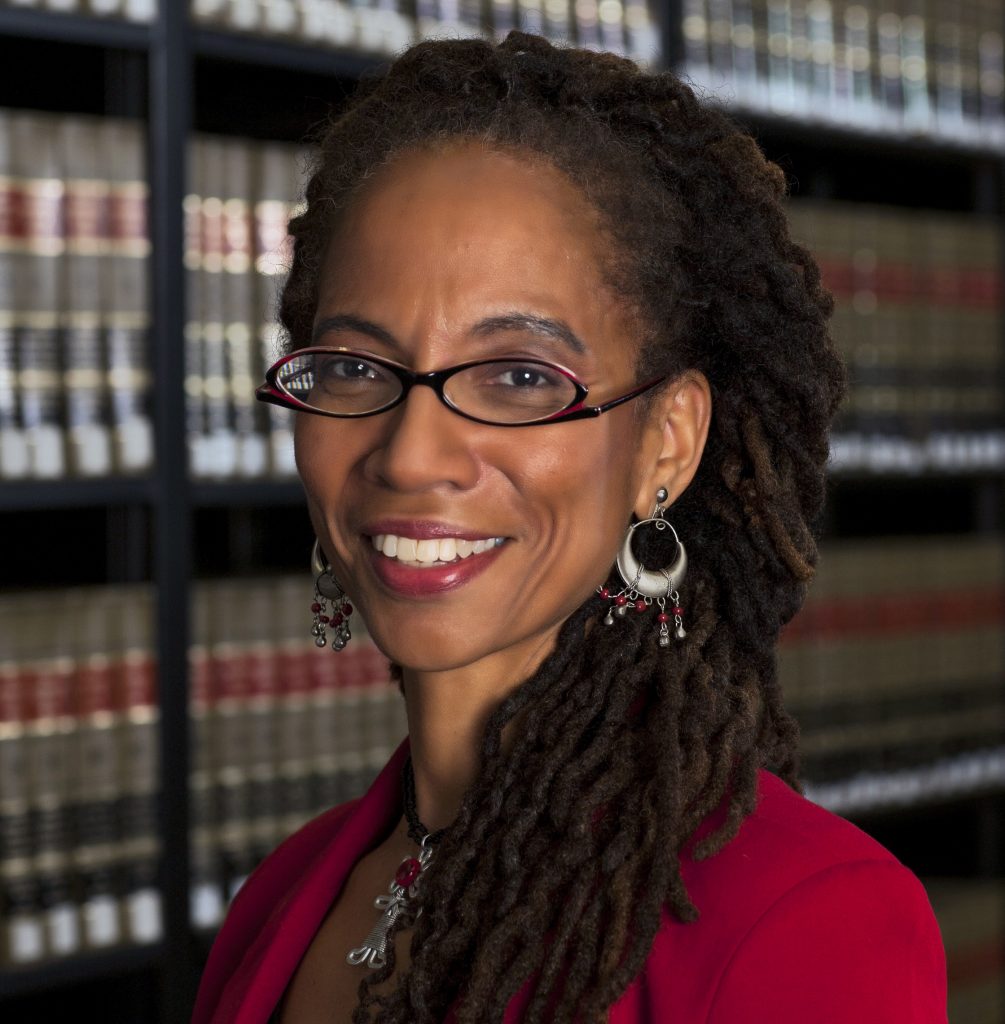
Professor Judith Scully
Criminal and social justice expert Professor Judith A.M. Scully designed this course so students could explore the impact that COVID-19 had on basic criminal legal proceedings in spring and early summer 2020. It included a thorough review of criminal legal reform issues placed under scrutiny as a result of COVID-19, such as Bail Reform; the impact of fees and fines on the jail and prison population; prison and jail conditions; prison and jail release policies; policies impacting the reentry of former prisoners back to the community both during COVID-19 and in general; and the role of public defenders, prosecutors and judges in the times of emergency.
Students studied an array of official COVID-19-related documents, including Department of Justice executive agency memos, Court policies, and basic motions filed by attorneys during such emergency situations. They also explored international human rights documents that govern prisoner treatment and racial discrimination, as well as COVID-19-related policies specifically (and legal policies and practices in general) that have had disproportionately negative impacts on Asian American, Native American and African American communities.
The Impact of COVID-19 on the Civil Legal System
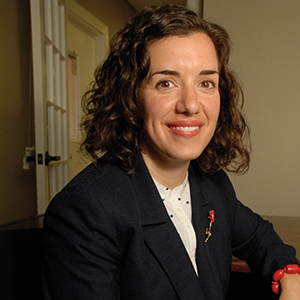
Prof. Christine Cergniglia
The course, led by Professor Christine Cerniglia, director of Clinical and Experiential Education, was designed to prepare students for the many legal issues now relevant in the civil setting and the increased demand on the civil court systems. Students studied the needs of communities vulnerable before the pandemic, as well as a growing vulnerability for those hit hardest by the economic impact. This included focus on child welfare, custody cases, domestic abuse, landlord/tenant eviction proceedings, and a growing homeless population, as well as civil court procedure and client representation issues. Guest lectures and expert panels gave insight into the rapidly changing legal issues.
Judicial Practice
Prof. Lou Virelli
Taught by constitution law expert Professor Louis J. Virelli III, this course helped students develop skills and garner experience relevant to working in a judge’s chambers, either as an extern or a full-time judicial clerk, including researching and drafting documents for the court and observing court proceedings. It shed light on the judicial process—ways in which judges make decisions and how the judicial approach may vary depending on the type of proceeding, the specific court, or the parties to the case. Students learned ways in which cases are filed and managed in the federal court system, including the full range of rules and requirements that apply to litigants in federal court. In addition to valuable research and writing experience, students grew their expertise in the wide range of legal topics that come before federal judges.
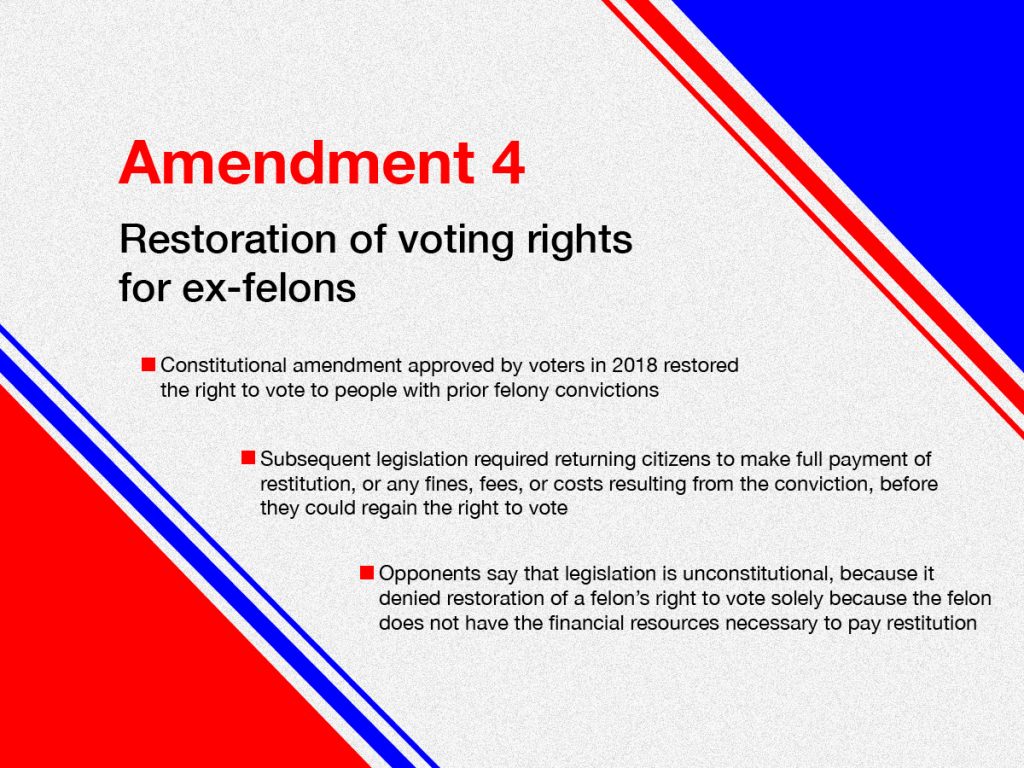
GULFPORT, Fla. – Stetson University College of Law and Community Law Program (CLP) received a $33,500 grant from the American Bar Endowment (ABE) to create clinics to help returning citizens previously convicted of felonies get their voting rights restored.
In 2018, 65 percent of Floridians voted to amend the Florida Constitution to restore voting rights to 1.4 million citizens previously convicted of felonies (commonly referred to as “returning citizens”). Months later, the Florida Legislature passed Chapter 2019-162 Committee Substitute for Senate Bill No. 7066 requiring all financial obligations of returning citizens’ sentences be paid before they could vote. This meant only those returning citizens with enough money to pay financial obligations such as court fees, fines, and restitution in full would be eligible to vote. The requirement eliminates access to justice and civic engagement for hundreds of thousands of low-income and indigent citizens.
Litigation is pending on this issue, and a new hearing is scheduled for August 11. In the meantime, returning citizens still need help reviewing their court records, determining what, if any, type of legal financial obligations are owed and whether it’s necessary for them to pay the legal financial obligations.
“When the law imposes barriers to a right as fundamental as the right to vote, and when those barriers disproportionately impact poor people, we had to get involved,” said Kimberly Rodgers, executive director for Community Law Program. “I’m so thankful to the American Bar Endowment for enabling our organization and Stetson to come together on this important work.”
To combat possible confusion around this issue, CLP, with the help of students and faculty at Stetson University College of Law, have started a series of Restoration of Voting Rights Remote Clinics serving Pinellas County, Fla. CLP staff will recruit, train, and support volunteer attorneys to host virtual clinics twice a month to review legal options with returning citizens interested in restoring their voting rights.
Professor Judith Scully
“The effort to ensure the right to vote to all citizens in the state of Florida is crucial to ensuring a fair democracy in which all of our voices count,” said Stetson Law Professor Judith A. Scully. “To allow restrictions on a citizen’s right to vote is an affront not only to the individual’s civil and political rights, but it is an affront to the entire legal system. Our students and alumni attorneys who participate in this project will demonstrate Stetson’s commitment to equal justice. We are proud to be a part of the campaign to restore the voting rights of individuals who were previously incarcerated.”
Stetson Law selected four student fellows who will support CLP’s outreach efforts through assisting with intake, research, and outreach. The law students also will assist in recruiting, organizing and training other law student volunteers and community partners. Stetson faculty will help provide ethics training for volunteer attorneys and students regarding pro bono outreach efforts.
Professor Christine Cerniglia
“The students have become community organizers and leaders on these important issues,” said Christine E. Cerniglia, Stetson Law professor and director of Clinical and Experiential Education. “This type of work is an opportunity to engage students in outreach outside of the classroom and for them to learn about community lawyering. ”
Community Law’s first clinic took place online on June 25. Clinics will be every first and third Thursday of month from 5-7 p.m. People can call CLP at 727-582-7480 to schedule an appointment.
ABE Opportunity Grants are awarded to “boots-on-the-ground” initiatives and innovative projects that:
Enhance access to justice through innovative legal services delivery;
Promote the rule of law and improve the justice system; and
Increase the public’s understanding of the law and the legal system and increase civic engagement.
About Community Law Program
Community Law Program, Inc. (CLP) was formed in 1989 by a small group of members of the St. Petersburg Bar Association concerned about the unmet civil legal needs of the poor in the community. Since then, CLP has blossomed into a 501(c)(3) non-profit corporation that offers an array of programs and services designed to ensure equal access to justice for all. Over the years, they have helped thousands of poor and disadvantaged individuals, families, and social service organizations.
About Stetson University College of Law
Stetson University College of Law, Florida’s first law school, has prepared lawyers and leaders since 1900. Today, Stetson leads the nation in blending legal doctrine with practical training, evidenced by its top-ranked programs in advocacy and legal writing. Through its academically rigorous curriculum and commitment to social responsibility, Stetson produces lawyers who are ethical advocates ready to succeed in the legal profession.
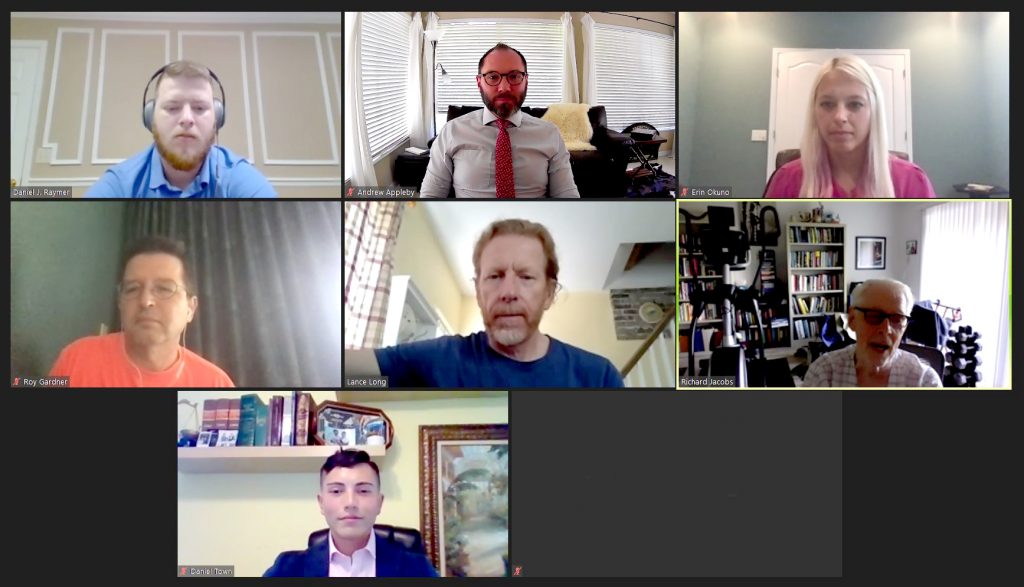
Environmental and tax law professors at Stetson Law hosted a virtual awards ceremony for the winners of the inaugural Stetson Environmental Tax Policy Writing Competition. Top row from left: second place winner Daniel Raymer, Professor Andrew Appleby, and Assistant Director of the Institute for Biodiversity Law and Policy Erin Okuno. Second row from left: Director of the Institute for Biodiversity Law and Policy Royal Gardner, Professor Lance Long, and attorney and writer Richard O. “Dick” Jacobs. Bottom row: winner Daniel Town.
GULFPORT, Fla. (July 28, 2020) – Stetson University College of Law launched a new competition to galvanize students to develop innovative tax law policies that could fund solutions for sea level rise.
Though tax policy might not be the first discipline to come to mind in which to seek tools to combat climate change, attorney and author Richard O. “Dick” Jacobs felt confident Stetson students, if given the challenge, could mine it to great effect. Rising sea levels are a pressing issue for Florida’s future, and Jacobs thought funding a competition would jump start a conversation by focusing on tax policy solutions to help address the problem.
And so The Stetson Environmental Tax Policy Writing Competition: Tax Policy Solutions to Address Sea Level Rise was born. Students submitted their ideas in late spring, and a committee of tax and environmental lawyers judged the competition using the following criteria: (1) breadth and depth of analysis and sources, (2) creativity and originality, (3) objectivity and legal accuracy, (4) effectiveness of writing style, (5) practicality for addressing the issue, and (6) compliance with the contest rules.
Submissions could include proposed changes to the Florida Constitution and to Florida tax and regulatory law. The first and second place winners split a $1,000 cash prize. The winners of the inaugural competition were Daniel F. Town (first place) and Daniel Raymer (second place).
First Place: Daniel F. Town
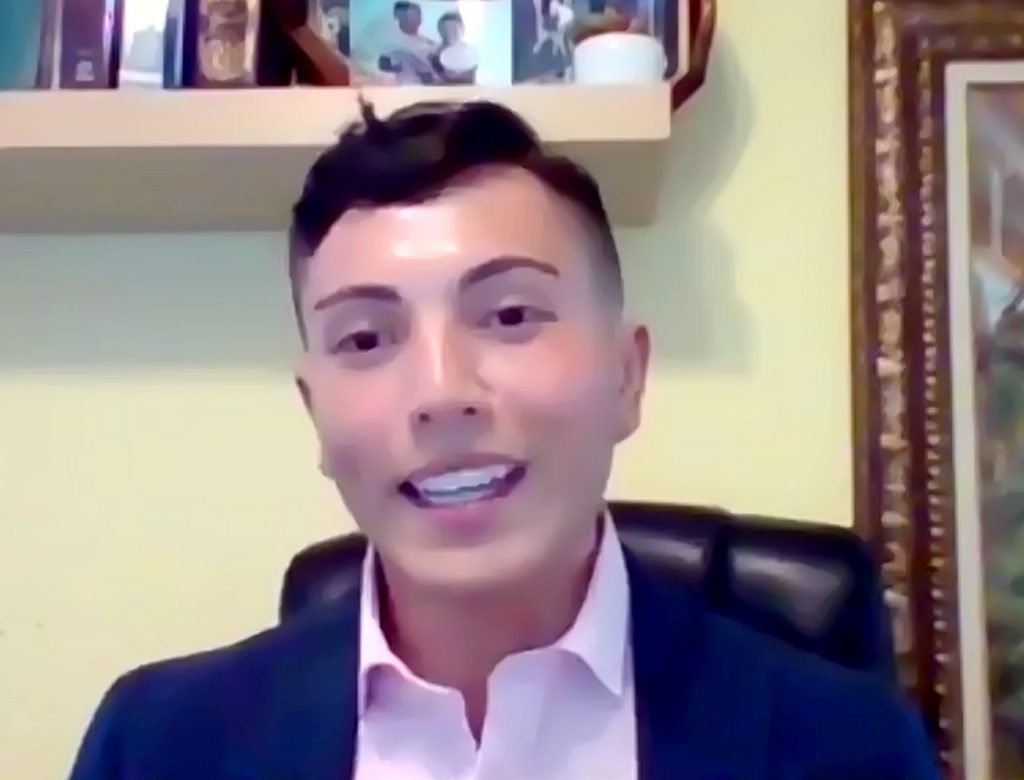
Daniel F. Town
Town, a May 2020 graduate, was born in Bogota, Colombia, and moved to Tampa Bay with his parents and brother at the age of six. He attended the University of South Florida, St. Petersburg, where he received his B.A. in Psychology. He is a first-generation college graduate and plans to work in the realm of tax and business law after taking the Bar Exam this summer.
Town said he has always considered himself an environmentalist, and the competition allowed him to merge that passion with his newfound interest in tax law. He focused on carbon taxes, utility regulation reform, and how take advantage of existing policies or modify others to increase revenue for use in environmental mitigation.
Paper title and synopsis: From Futile to Utile: Addressing the key role of Florida’s Electric Utility Companies in mitigating Sea-Level Rise
Florida’s unique tax structure, revenue sources, and diverse environment provide an opportunity to address sea-level rise through the lens of the highest carbon emitters: electric utility companies. The proposed solutions include [1] a gradual increase in taxes and fees on some aspects of Florida electric utility companies, [2] offering tax credits and subsidies for transitioning to more environmentally-friendly power-generation, and [3] reforming electric utility regulations as an incentive to adopt a more climate-conscious, public welfare approach—all while maintaining a profit-making structure that can both maintain revenue and reduce the impact of sea level rise in Florida. An analysis of three potential solutions indicates that the case for carbon dioxide mitigation initiatives is strong and able to yield significant revenue over time, while simultaneously contributing to the overall reduction in emissions to help reduce the impact of sea level rise in Florida and beyond.
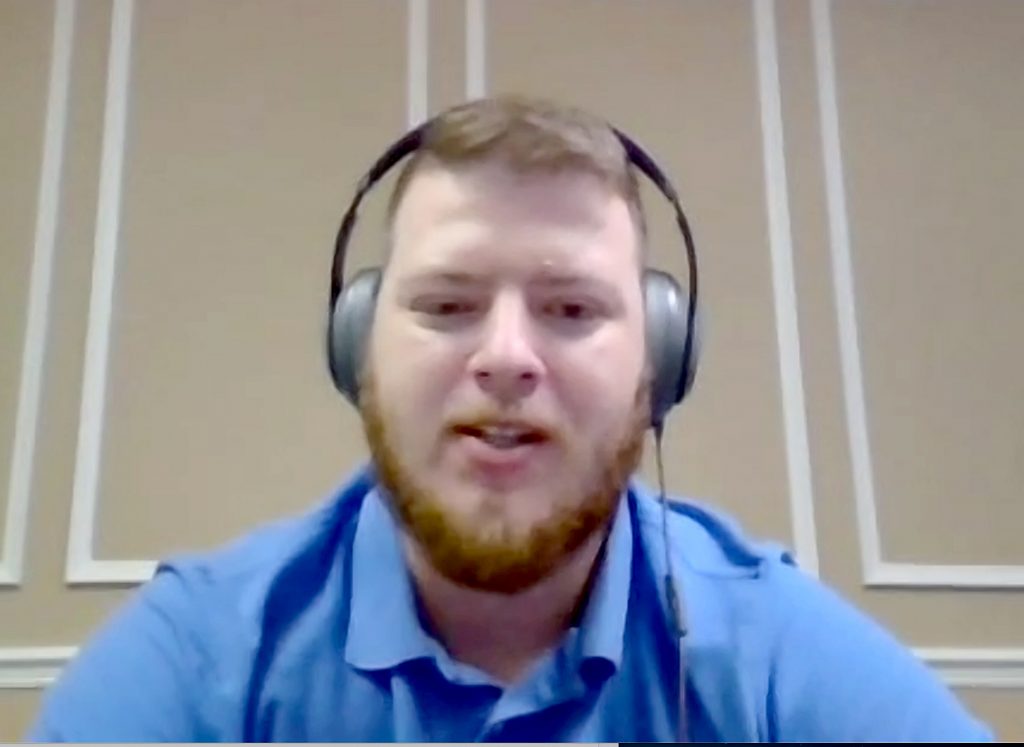
Raymer is a recent graduate of Stetson Law and will begin the LL.M. in Taxation program at the University of Florida Levin College of Law in Fall 2020. Following the LL.M. program, he plans to practice tax law and commercial litigation.
For his submission, Raymer was inspired by how the paper straw he received at a St. Petersburg restaurant disintegrated while he tried to drink a milkshake; in that moment, he would have been willing to pay for a plastic straw.
He hypothesized that giving consumers a “pay-to-play” option for a more convenient – though less environmentally friendly – choice could put a lot of money in the state coffers to subsidize climate change mitigation projects. His research showed how much plastic we use as a society, further convincing him that adding a tax to everyday items that is both small enough not to be an inconvenience, but substantial enough to make a difference, would be a practical answer.
Paper title and synopsis: Plastic Tax: An Alternative to Plastic Alternatives
The consequences of rising sea levels, specifically shoreline regression, pose a unique and substantial threat to Florida’s economy. With nearly $100 billion dollars—or 10 percent of Florida’s gross domestic product—coming from beach tourism and coastal real estate taxes annually, the need to subsidize these inevitable economic losses cannot be overstated. This article proposes a hybrid of upstream and downstream taxes on targeted single-use plastics. While the proposed taxes are modest, the resulting revenue would be around $3.52 billion annually.
Jacobs praised both students for crafting solutions that were practical and would not require amendments to the state constitution – something he initially thought would be necessary for any successful plan.
A 1967 graduate of Stetson Law, Jacobs has a history donating to environmental programs at the college, such as The Dick and Joan Jacobs’ Environmental Externship Fund. He has written several books, including Wonderlust, a book of his photography and lessons learned trekking seven continents. His travels also led him to the realization that both Florida and the United States as a whole are ill prepared – from a revenue standpoint – to tackle the problems climate change will present. Jacobs thought tapping the creativity of younger generations could be fruitful.
Faculty will work to get the students’ papers published in law review journals and in the hands of state lawmakers where they could perhaps one day influence policy. And that would meet another of Jacobs’ goals for the competition: By giving students a medium to develop an expertise in an area that has been ignored by state and national leaders, it might launch them into careers as “solution makers,” he said. “I would really love to see that.”
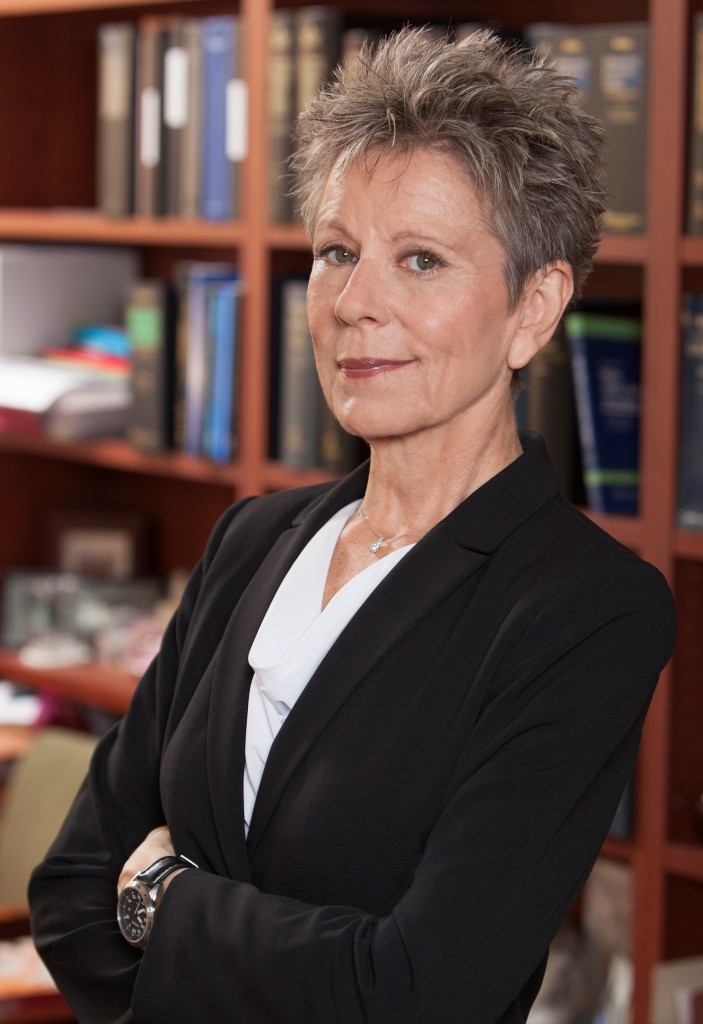
The National Academy of Elder Law Attorneys (NAELA) announced that Stetson Law’s own Professor Rebecca C. Morgan is the winner of the 2020 Powley Elder Law Award.
The award is presented annually to a NAELA member who is recognized in his or her community as a leader in promoting a greater understanding of the rights and needs of the elderly and people with special needs, and of how elder law attorneys advocate for those rights.
Professor Rebecca Morgan
“I’m not usually at a loss for words, but when I got the call that I had been picked as the recipient, I have to say, I was at a loss for words,” Morgan said.
NAELA organizers pointed to a number of reasons Morgan was selected for this year’s distinction.
She was an elder law attorney before it was a specialty and founded the Center for Excellence in Elder Law at Stetson University College of Law. She created an elder law curriculum for JD students, many of whom have gone into the field.
Morgan has held many leadership roles during her career, has been recognized by the U.S. Supreme Court for founding the Penick Inns of Court for Elder Law, and is a valued speaker domestically and internationally.
Her many accomplishments are of less importance, they said, than the fact that she walks-the-walk, giving not only of her knowledge, but her time and resources to seniors in St. Petersburg, Fla., where she lives. She and her husband, Jay, were given the keys to the City of St. Petersburg for service and contributions to elders. They recently constructed a model apartment adjacent to their home, which is a prototype for home living for compromised seniors who want to remain home but lack the assistive features that would allow them to do so.
Morgan was also the impetus behind the country’s first age-friendly courtroom at Stetson Law. It was designed specifically with the needs of elderly people in mind, including thoughtful features such as color schemes designed to enhance the vision of elders and rounded corners on all tables and desks. In 2007, Morgan began an online LL.M. program in elder law that enables professionals to enhance their legal education.
“She is not a board member for accolades, she is an active participant whose special talent is to connect people to people, people to organizations, and organizations to organizations – all for the purpose of improving the lives of seniors in an amazing variety of ways. Becky Morgan is the most innovative, proactive, responsible, and caring individual I’ve ever known, and there is no more deserving Powley Award recipient.”
Mary Alice Jackson, the person who nominated Rebecca Morgan for the award
For Morgan, it is all part of her lifelong effort to provide specialized legal services to the elderly —- a calling that she says is still critical.
“Now, more than ever, it is so important for attorneys to do the good work in elder law.”
The Powley Elder Law Award was established in the memory of Wes and Helen Powley, grandparents of NAELA member Timothy L. Takacs, of Hendersonville, Tenn. Both Wes and Helen were active in civic affairs for all of their lives, and Wes practiced dentistry well into his 80s. The award is funded by a grant from the Takacs Family Foundation.
Members of the National Academy of Elder Law Attorneys (NAELA) are attorneys who are experienced and trained in working with the legal problems of aging Americans and individuals of all ages with disabilities. Upon joining, NAELA member attorneys agree to adhere to the NAELA Aspirational Standards. Established in 1987, NAELA is a non-profit association that assists lawyers, bar organizations, and others. The mission of the National Academy of Elder Law Attorneys is to educate, inspire, serve, and provide community to attorneys with practices in elder and special needs law. NAELA currently has members across the United States, Canada, Australia, and the United Kingdom. For more information, visit NAELA.org, or to locate a NAELA member in your area, visit NAELA.org/findlawyer.
GULFPORT, Fla. (June 24 2020) – In light of longstanding and recent acts of racist violence, the Deans of the 12 law schools in Florida have formed the Florida Law Schools’ Consortium for Racial Justice (FLSCRJ). This collective will leverage the strengths and educational roles of every law school in the state to assist community organizations fighting for racial justice and policy reform throughout Florida.
FLSCRJ manifests each of the law schools’ commitment to racial justice. The law schools stand against bigotry and racism and seek to act in concrete ways to make the state of Florida more just for all.
Dean Michèle Alexandre
Michèle Alexandre, Dean and Professor at Stetson University College of Law, announced the consortium by stating, “Supreme Court Justice and civil rights legend Thurgood Marshall once said, ‘Where you see wrong or inequality or injustice, speak out, because this is your country. This is your democracy. Make it. Protect it. Pass it on. You are ready. Go to it.’ This advice is timeless. For law schools, lawyers, and law students, it is a moral imperative.”
How the Consortium will work
Each law school will designate at least one student fellow to work with FLSCRJ every year. The fellows will collaborate with groups in Florida that have long pursued anti-racism initiatives. Examples of possible initiatives include changes to the process by which juveniles are charged as adults; attempts to end disparate criminal sentences on the basis of race; better regulation of public school resource officers; attempts to equalize funding across public school districts; disruption of the school-to-prison pipeline; ensuring Black-owned businesses have access to loans and state contracts; and the passage of local and state ordinances designed to achieve equal pay for equal work, among many other possibilities.
The law schools’ current partners, including community foundations, non-profit groups, law firms, businesses, policy centers, art collectives, advocacy groups, educational entities, and bar associations, are already well placed to be part of this collaboration. The consortium also welcomes other interested organizations.
Law student fellows will assist FLSCRJ’s partners with legal research, policy reform, strategic advocacy, and ways to use language to resolve conflicts and improve society at large. Fellows will also undergo tailored training to model effective dialogue about race within each law school and across the state as a whole.
Anthony E. Varona, Dean and M. Minnette Massey Professor at the University of Miami School of Law, emphasized that FLSCRJ also “will spearhead or partner in the planning of educational gatherings, conferences, and scholarly symposia, convening scholars, students, and leading practitioners to discuss, devise, and propose legal reforms.”
Why law schools must act
The 12 law schools in Florida understand that law schools’ highest duty is to train intellectually strong and culturally competent lawyers who seek justice. Inherent in legal training is the expressed expectation that lawyers hold a special responsibility to denounce injustice, particularly in the state of Florida. The Preamble to chapter 4 of the Rules Regulating The Florida Bar states:
“A lawyer, as a member of the legal profession, is a representative of clients, an officer of the legal system, and a public citizen having special responsibility for the quality of justice . . . As a public citizen, a lawyer should seek improvement of the law, access to the legal system, the administration of justice, and the quality of service rendered by the legal profession. As a member of a learned profession, a lawyer should cultivate knowledge of the law beyond its use for clients, employ that knowledge in reform of the law, and work to strengthen legal education.”
Law schools in Florida therefore have an obligation to teach students how to speak up when they see wrongs. FLSCRJ will emphasize lawyers’ roles in advancing social justice and help law students develop the consciousness they need to speak out against inequalities.
“The consortium will be an alliance in support of existing organizations, signaling that law schools are committed to joining the cause,” said Laura A. Rosenbury, Dean and Levin, Mabie & Levin Professor at the University of Florida Levin College of Law. “The initiatives will also make our students stronger, and less myopic, lawyers.”
What’s next
FLSCRJ will begin by hosting a joint forum on the role of lawyers in crafting policies, advancing racial justice, and correcting social wrongs. With the help of community partners, the consortium will then identify three or four specific projects on which the student fellows will focus over the next year. Finally, FLSCRJ will partner with scholars interested in researching the legacies of Slavery and Jim Crow in Florida and their lingering vestiges today.
12 Florida law school deans
Kevin Cieply, President & Dean, Ave Maria School of Law
Leticia M. Diaz, Dean & Professor, Barry University Dwayne O. Andreas School of Law
Nicky Boothe Perry, Interim Dean & Professor, Florida A&M University College of Law
C. Peter Goplerud III, President & Dean, Florida Coastal School of Law
Antony Page, Dean & FIU Foundation Professor, Florida International University College of Law
Erin O’Hara O’Connor, Dean & McKenzie Professor, Florida State U. College of Law
Debra Moss Vollweiler, Interim Dean & Professor, Nova Southeastern University Shepard Broad College of Law
Tamara F. Lawson, Dean & Professor, St. Thomas University School of Law
Michèle Alexandre, Dean & Professor, Stetson University College of Law
Laura Ann Rosenbury, Dean & Levin, Mabie & Levin Professor, University of Florida Levin College of Law
Anthony E. Varona, Dean & M. Minnette Massey Professor, University of Miami School of Law
James McGrath, President & Dean, WMU – Cooley Law School Tampa Bay Campus
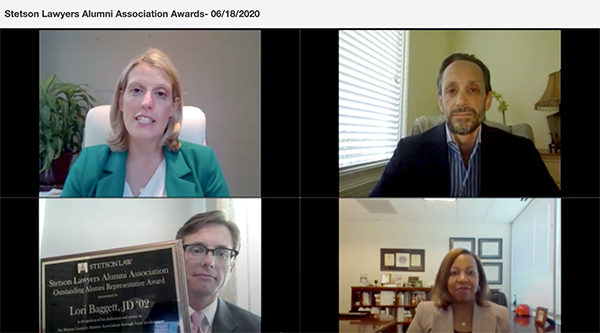
Lori Baggett, bottom right, received the Outstanding Alumni Representative Award during the 2020 Stetson Lawyers Alumni Association Awards presentation on June 18.
SLAA has honored alumni accomplishments with awards for more than 25 years. The ceremony typically takes place in conjunction with the annual Florida Bar Convention, but this year was held virtually. The award recipients are Lori Baggett, June Level, Amy Rigdon, Seymour Gordon, Chris Sprowls, and Joseph “Jay” Landers Jr.
Outstanding Alumni Representative Award
Stetson Law alumna Lori Baggett is the recipient of this year’s Outstanding Alumni Representative Award, an honor designed to recognize dedication and service to the Stetson Lawyers Alumni Association through involvement in local alumni activities.
A 2002 graduate, Baggett is a member of the Stetson Lawyers Alumni Association Board. She hosted a number of alumni events at Carlton Fields, including a chapter reception and a welcome reception for Dean Michèle Alexandre. She also served on the Black Law Student Association (BLSA) Reunion planning committee and recently established the Baggett Family Scholarship Endowment to provide need-based scholarship assistance to an African American student.
“Shirley Chisholm has one of my favorite quotes,” Baggett said when accepting her award. “She says, ‘Service is the rent we pay for the privilege of being here on earth,’ and I certainly view being a member of the Alumni Association and giving back as the embodiment of that statement, so I’m very honored by the award. Thank you very much. And I look forward to continuing to serve.”
Baggett is managing shareholder of the Tampa office of Carlton Fields, the third-largest law firm in the Tampa Bay area with 99 local attorneys and more than 300 nationwide. She represents companies in labor and employment law issues, with an expertise on workplace safety and health matters, and is one of a handful of Florida lawyers with OSHA 30 certification.
Distinguished Service Award
June Level
The Distinguished Service Award is presented to a non-alumnus of the College of Law in recognition of their significant, meritorious and continuing contributions to support the College of Law. This year’s recipient is June Level.
“It was a surprise, a joy, and a delight to learn that I had received it,” June Level said in previously-recorded remarks. “Thank you, Stetson Law School. I am privileged to be associated with you, but even more than that to receive this award.”
Her late daughter, Meredith E. Level, was a 1994 graduate of the College of Law, and June Level since remained involved with the College of Law.
June Level spent most of her career in education, including teaching in multiple states, working as the Media Consultant for the Kansas State Department of Education, teaching children’s literature at Emporia State College, and serving as the Children’s Youth Services Director for the Martin County Library System. She is an active member of the American Library Association.
President’s Award
Amy Rigdon
The President’s Award is presented to the outgoing president of the SLAA in recognition of their term of service. This year’s recipient is Amy Rigdon.
Rigdon is a “Double Hatter,” earning her bachelor’s degree from Stetson University in 2005, and her J.D. in 2008. During her term as president, she led the board through a time of unprecedented change, including welcoming a new dean and the College of Law’s transition from classroom instruction to online learning in response to the COVID-19 pandemic. She also led the board in developing new fundraising initiatives and created a series of events to encourage student leaders to remain involved following graduation.
“I am humbled and honored by this award,” said Rigdon. “It has been my absolute pleasure to serve as president of the Stetson Lawyers Alumni Association for the past two years.”
Rigdon is a partner in the Washington, D.C. office of Latham & Watkins, where she represents fund sponsors in fundraising and operating traditional private equity funds as well as non-traditional investment funds, including special purpose acquisition companies (SPACs) and collective investment trusts.
Paul M. May Meritorious Service Award
Seymour Gordon
The Paul M. May Meritorious Service Award recognizes an alumnus for showing continued support for the College of Law through the contribution of both time and gifts. This year’s recipient is Seymour Gordon.
Gordon is a 1960 graduate of the College of Law and has been active in the local alumni community ever since. He taught classes at Stetson Law as an adjunct Professor and served as an alumni mentor for 1L students. He and Dean Bruce Jacob worked to organize a joint 50-year reunion for the Classes of 1959 and 1960. Gordon and his wife, Susan, have also given back to the College of Law by establishing the Seymour and Susan Gordan Endowed Scholarship.
“Stetson has enabled me to have sixty wonderful years of practicing law,” Gordon said in previously-recorded comments. “It has enabled me to be a professional. It has enabled me to support my family and also to be of service to my community. For all of this, I do thank Stetson.”
Gordon practices in the area of real estate, commercial law and estate planning and was a managing partner of Gay & Gordon for most of his career. The St. Petersburg Bar Foundation honored him with the Hero Among Us Award for his extensive service to the community.
Distinguished Alumnus Award
State Rep. Chris Sprowls
The Distinguished Alumnus Award is given to an alumnus that is recognized as being outstanding in his chosen profession and for his service to humanity, which has brought honor to himself and the College of Law. This year’s recipient is State Rep. Chris Sprowls, a 2009 graduate of the College of Law.
“You know, I learned so much as a student at Stetson,” Sprowls said in a recorded statement. “I learned not just about what it means to be a great advocate, but I learned that one of the most important things is to learn how to ask the right question. I learned from Bernie McCabe, a mentor of mine, one of our alumni, and a former recipient of this award, that when you ask the right question, never to be afraid of the answer. That is part of the legacy of what we learned here a Stetson. I’m grateful for that education, for this award, and for all of the mentors we’ve had along the way.”
Prior to being elected to the Florida House of Representatives in 2014, Sprowls served as an Assistant State Attorney, where he handled dozens of jury trials, many involving serious felonies such as murder, kidnapping, and child molestation. In his first session in the House, Sprowls passed legislation to assist craft breweries, legislation geared at reforming the Public Service Commission, and a bill to protect property owners from losing their homes at the hands of out-of-state corporations. Sprowls was re-elected to the Florida house in 2016 and this fall will become the first College of Law alumnus to serve as the Speaker of the House.
Ben Willard Award
The Ben Willard Award recognizes an alumnus who expends that extra effort to prevail for the benefit of the citizens of Florida. The award also recognizes an individual whose humanitarian achievements have brought distinction to themselves and the College of Law. This year’s recipient is Joseph “Jay” Landers Jr.
Landers is a “Double Hatter,” earning his bachelor’s degree from Stetson University in 1964, and his J.D. in 1970. He served 20 years as a Stetson University Trustee, including four as Chair.
“Thank you for this honor,” he said. “The main thing I wanted to do is use this as an opportunity to say thank you to Stetson. As was mentioned, I went to Stetson undergraduate and law school, and it truly made a difference, both of them in different ways, in my future career and life. I was quite an idealist in undergraduate school, and Stetson nurtured that.”
Landers spent an early part of his legal career in state government, serving as aide to Florida Secretary of State Tom Adams and then chief cabinet aide and principal environmental advisor for Gov. Reuben Askew. In 1974 he was appointed executive director of the Internal Improvement Fund (the state land management agency), and then first secretary of the newly-established Florida Department of Regulation. Later, Landers agreed to serve as interim executive director of the Florida Department of Natural Resources.
He left government in 1979 to join a Tallahassee law firm before co-founding his own firm, Landers and Parsons. His clients included Walt Disney World, the City of Orlando, and the artist Christo. In 1995, he resigned from his law practice to create a niche patient finance company, USMed. Ten years later JPMorganChase purchased the company and named Landers CEO of ChaseHealthAdvance. He retired in 2007.
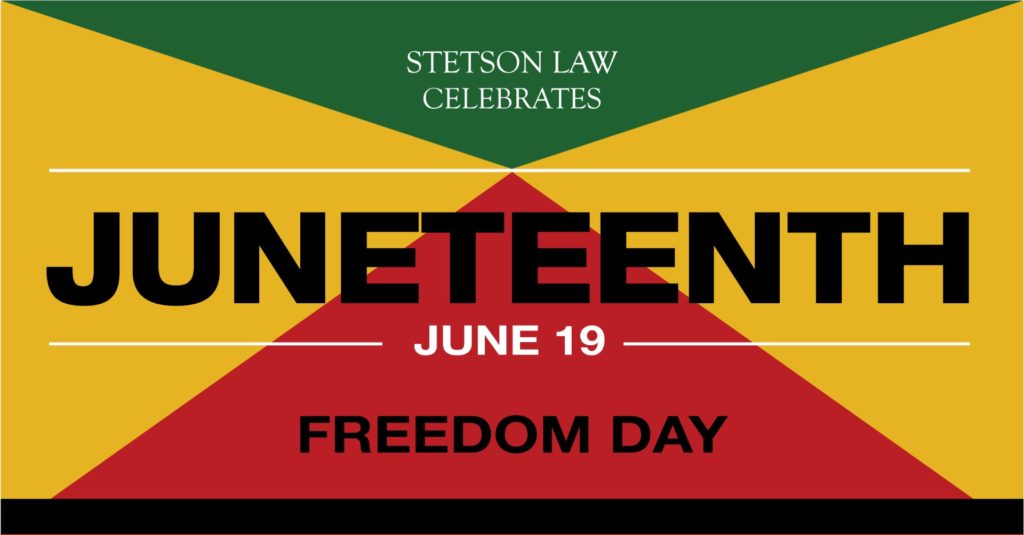
Officially a federal holiday in the United States since 2021, Juneteenth is synonymous with freedom. The day commemorates the date enslaved Black people in Texas were informed of the Emancipation Proclamation – albeit nearly two years after its enactment.
Marking the official end to legal enslavement – and celebrating those who fought hard for freedom – has taken many forms throughout the United States. Juneteenth, June 19th of every year, represents a uniform recognition and celebration of that pivotal moment in our history.
Below is a brief summary of the historical facts, but you can learn even more by consulting the links listed below or exploring the numerous resources catalogued in libraries across the United States.
History of Juneteenth
With this formal announcement of the end of slavery in Texas, June 19th quickly became the symbolic commemoration and celebration day for African Americans. Emancipation Day celebrations already had a history—African Americans in New York had been celebrating July 5th since the end of slavery there in 1827, and Black residents of Washington, D.C., gathered on April 15, 1866, to honor freedom. But in the decades following the war, Juneteenth became the focal date for African American communities to memorialize liberation across the country.
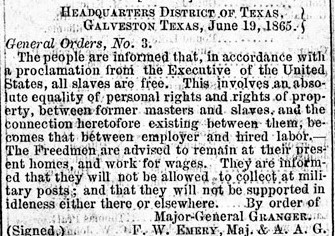
General Order No. 3 announcing the enforcement of the Emancipation Proclamation.
On June 19, 1865, Gen. Gordon Granger arrived with the Union Army in Galveston, Texas, and issued General Order No. 3 announcing the enforcement of President Lincoln’s Emancipation Proclamation (which had been issued more than two years earlier on Jan. 1, 1863) and ending slavery in Texas. Even though the Confederate army had surrendered at Appomattox in April, the war persisted in more remote places across the south and southwest, and it took the arrival of the Union troops and northern control of land and government to enforce liberation in many of those areas.
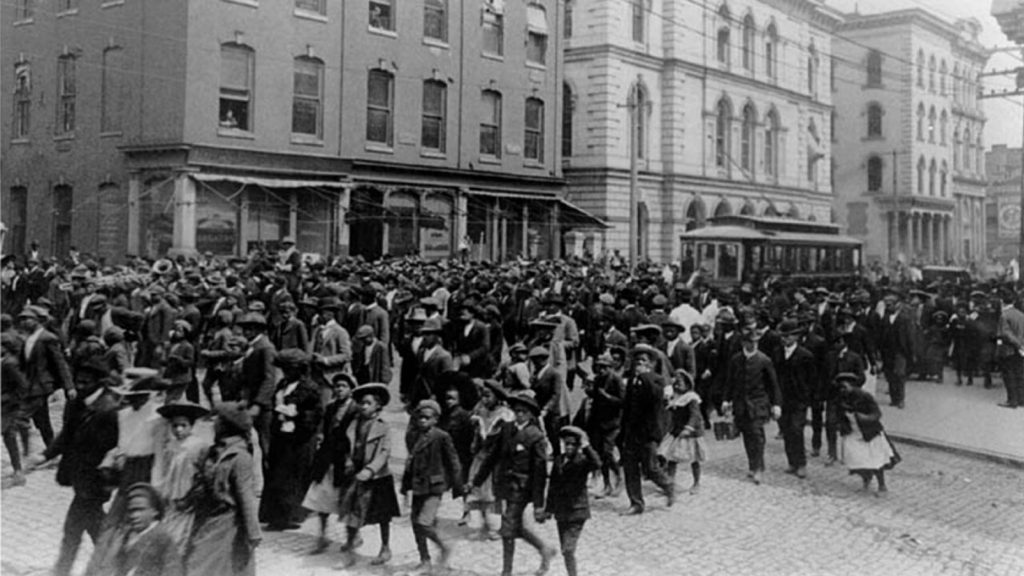
A Juneteenth parade in Richmond, Va., in 1905.
African American churches helped raise money to buy land and create Emancipation Park in Houston in 1872 for a location to hold these celebrations. Juneteenth became a traditional African American holiday in Texas and also nationally, celebrated with speeches, music, and parades. These celebrations remained community-led, however, because prior to 1979, neither states nor the federal government officially recognized a day celebrating the dramatic achievement of emancipation.
Eventually, in 1979, Texas passed a bill introduced by State Rep. Al Edwards recognizing Juneteenth as a state holiday – the first state to do so. Since then, 45 states have recognized Juneteenth as a holiday or day of observance (Florida did so in 1991).
Juneteenth was made a federal holiday in 2021 and was added to the Stetson University holiday calendar in 2022.
Stetson Law takes part in racial justice initiatives
As a legal education institution that takes its role of advocating for justice seriously, Stetson Law has partnered with community organizations that do important work for underrepresented populations.
One such initiative is the St. Petersburg Truth, Racial Healing, and Transformation Center (TRHT), a partnership with Eckerd College that aims to leverage local resources in a manner that will ultimately enrich the communities that need it most with economic opportunities, greater health outcomes, and more.
Stetson’s Black Law Students Association will be holding an event on Wednesday, June 19 from 4:00 to 6:00 P.M. at War Veterans’ Memorial Park at 9600 Bay Pines Boulevard in St. Pete. More details here.
Numerous other organizations are holding events to celebrate Juneteenth throughout the Tampa Bay region. Here are a few:
Gulfport’s Celebrate Juneteenth Event from 10:00 A.M. to 1:00 P.M. Saturday, June 15 at Gulfport Casino.
R.O.C. the Block Juneteenth Festival, Raymond James Stadium, Tampa (June 15)
The Phyllis Wheatley Rise to Read Campaign Juneteenth Gospel Fest at 2901 54th Avenue South on Sunday, June 16 from 4:00 to 6:00 P.M. St. Petersburg College’s Juneteenth Celebration from 11:00 A.M. to 2:00 P.M. June 18 in the Health Education Center Lobby on their campus at 7200 66th St. N. in Pinellas Park.
Hearing scheduled today on motion for temporary injunction to proposed Navigable Waters Protection Rule
A new amici curiae (friend of the court) brief written on behalf of aquatic scientific organizations by the Institute for Biodiversity Law and Policy at Stetson University College of Law lends support to 17 states and the District of Columbia seeking a preliminary injunction to halt the Trump administration’s attempt to limit Clean Water Act (CWA) protections.
A hearing on the motion for preliminary injunction in the case, State of California et al. v Wheeler et al., will be held in the U.S. District Court for the Northern District of California on Thursday, June 18, 2020, at 1:30 p.m. (PDT) and is available for public viewing via Zoom (see the link and meeting information below).
Background
Under federal law, the CWA prohibits discharges of pollutants from point sources to “navigable waters,” unless permitted by either the U.S. Environmental Protection Agency (EPA) or the U.S. Army Corps of Engineers (or a state with an approved program). In April, the federal agencies published the Navigable Waters Protection Rule, which more narrowly defines which waters constitute navigable waters—and thereby considerably restrict the wetlands and other waters that are federally protected under the CWA.
States from across the country, including California, New York, and Wisconsin, filed a lawsuit and have since petitioned to temporarily block the new rule from taking effect. Stetson’s Royal Gardner, professor and director of the Institute for Biodiversity Law and Policy, and Erin Okuno, assistant director of the institute, co-authored with a team of attorneys an amici brief in support of the injunction. They pointed out that utilizing science is critical to achieving goals of the CWA, but the EPA and Army Corps disregarded the available science when crafting the new rule.
Issues
“Although the Agencies concede the importance of science, they largely ignored the scientific understanding of how streams and wetlands contribute to the chemical, physical, and biological integrity of downstream waters,” they wrote in the brief.
“The Agencies acted arbitrarily and capriciously by failing to inform themselves—and the public—about the 2020 Rule’s significant negative effects. The 2020 Rule’s reduction of Clean Water Act protection threatens irreparable harm to every American who benefits from and relies on the integrity of the Nation’s waters.”
The only other amicus brief in the case is from New York University’s Institute for Policy Integrity. It focuses on the agencies’ disregard of the economic consequences of their actions and notes they used an economic analysis “to obscure the rule’s anticipated harms” and “misrepresent environmental costs and compliance cost-savings.”
View court proceedings
Members of the public and press can click the link or use the information below to view or listen to the court proceedings via Zoom or telephone. Gardner said the judge may issue a ruling on the motion before June 22, the day when the new rule is scheduled to go into effect.
Dial by your location +1 929 205 6099 US (New York) +1 253 215 8782 US +1 301 715 8592 US +1 312 626 6799 US (Chicago) +1 346 248 7799 US (Houston) +1 669 900 6833 US (San Jose) Find your local number: https://zoom.us/u/ac4JkPfcjo
Per the Court order, PLEASE NOTE: Persons granted access to court proceedings held by telephone or videoconference are reminded that photographing, recording, and rebroadcasting of court proceedings, including screenshots or other visual copying of a hearing, is absolutely prohibited. See General Order 58 at Paragraph III.
June 17, 2020 — Stetson University College of Law is thrilled to announce a $10 million planned gift to establish a Distinguished Scholarship Program.
The donors prefer to remain anonymous at this time. However, they expressed how important it is to them to recognize the role Stetson Law played in their professional achievement. They desire to do what they can to help future generations achieve their goals and dreams, as well as inspire others to remember Stetson in similar ways.
Dean Alexandre
“This generous planned gift means that we can offer even greater opportunities to talented and driven individuals, thereby furthering the College of Law’s mission to mold outstanding lawyers and leaders who serve the profession and society,” said Dean Michèle Alexandre, who today celebrates her one-year anniversary with Stetson Law. “This unprecedented investment in our students elevates the College of Law’s stature nationally and demonstrates an unwavering faith in our current direction and future vision. We are so grateful to them!”
Scholarship Details
This competitive scholarship program will provide 10 annual full-tuition scholarships with the goal of attracting student scholars with financial need whose intelligence, attitude, character, communication skills, and drive give them the potential for leadership at Stetson and beyond.
Dr. Wendy Libby, President of Stetson University
In addition to demonstrating financial need, scholars must have achieved scores in the 90th percentile on national admissions qualification tests; demonstrated a record of performance showing that they are truly ambitious, talented, and enthusiastic in their academic and extracurricular activities; exhibited leadership traits that are predictive of their capacity to emerge as tomorrow’s innovative and leading attorneys, entrepreneurs, and leaders in their communities, businesses, and profession; and demonstrate extraordinary skills, talents, curiosity to learn and grow, good moral character and unique characteristics that distinguish them from their peers.
“This donation will enable us to continue our strong tradition of educating well-rounded legal professionals who are more than prepared to tackle all aspects of business law,” said Stetson University President Wendy B. Libby, Ph.D. “We are so appreciative that the donors chose to commit to Stetson University College of Law in this extraordinary way. They honor us with their philanthropy and light the way for others to do the same.”
About Stetson University College of Law
Stetson University College of Law, Florida’s first law school, has prepared lawyers and leaders since 1900. Today, Stetson Law leads the nation in blending legal doctrine with practical training, evidenced by its top-ranked programs – including being No. 1 in Trial Advocacy for 22 times in 26 years and No. 3 in legal writing with U.S. News & World Report 2021. Through our academically rigorous curriculum and commitment to social justice advocacy, Stetson lawyers are ethical, practice-ready advocates prepared to succeed in the legal profession.