Skip to content

Ruth Thurman Retires From Stetson Law

Contact Frank Klim

727-562-7889
[email protected]

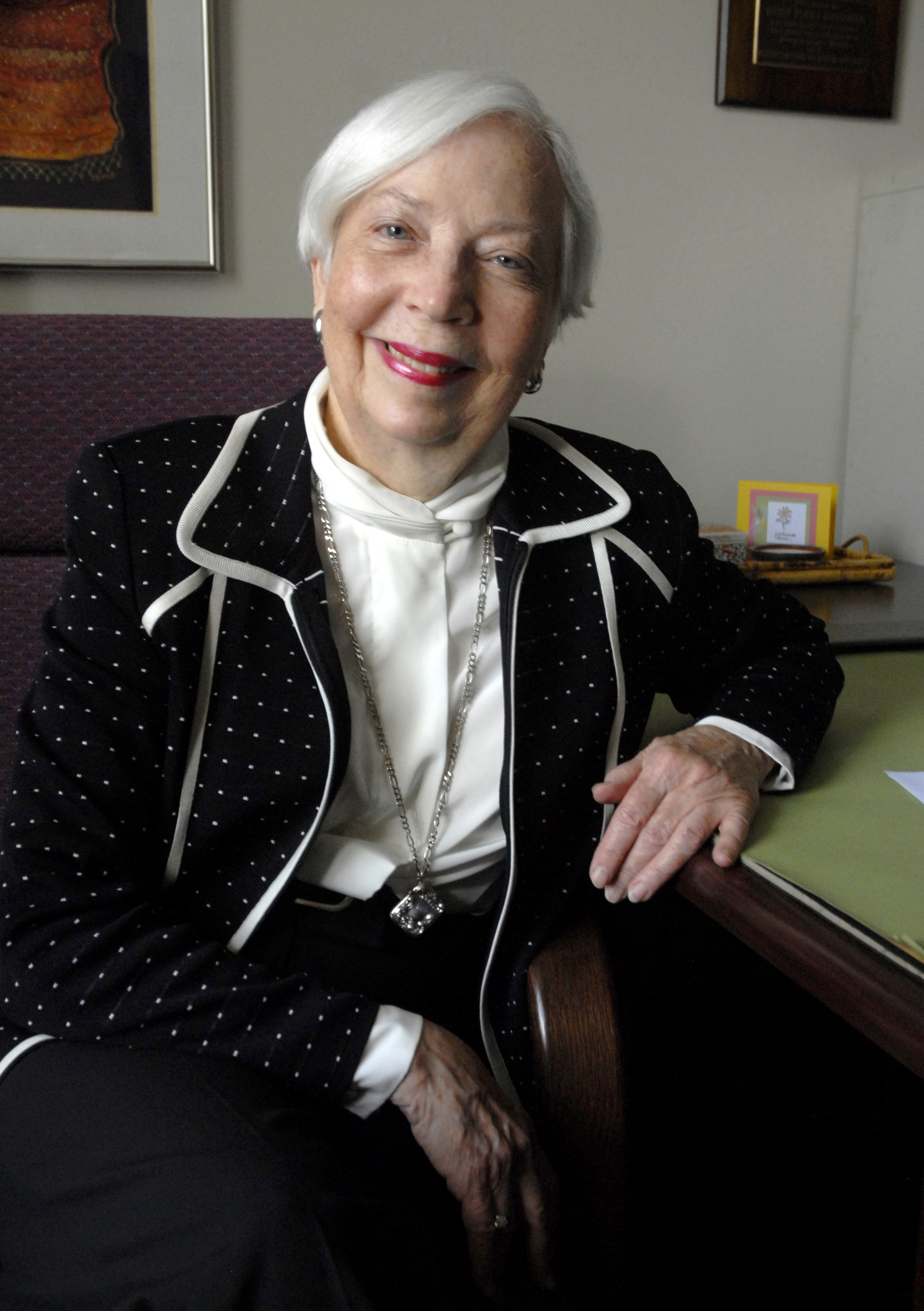
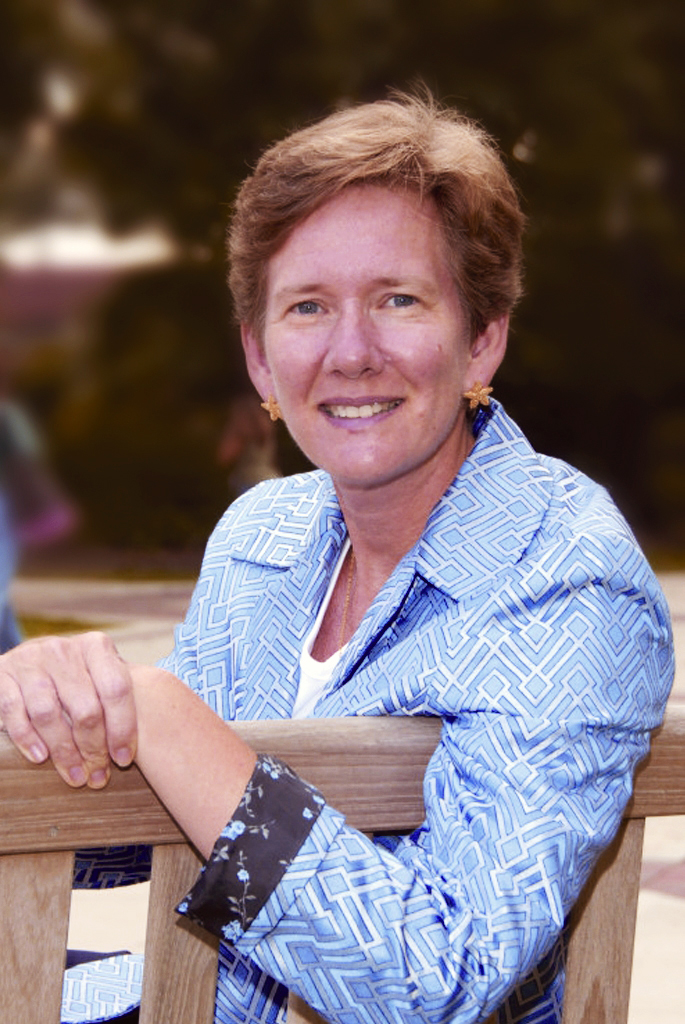
Professor Ruth Thurman.
Professor Ruth Thurman. Click for high-resolution image.

On May 31, 2009, Ruth Fleet Thurman will retire from her full-time position at Stetson University College of Law, leaving behind a legacy that began almost five decades ago.

As her son began kindergarten in 1960, Professor Thurman began her legal studies at Stetson University College of Law, graduating three years later as the only female in her class.

“It was a lifelong dream to go to law school,” said Thurman, whose eyes still sparkle with enthusiasm. “We studied the Supreme Court when I was in the sixth grade, and that’s when I decided that I’d like to be a lawyer.”

After graduation, she practiced law for nearly 13 years and was the first woman to serve as assistant state attorney in the 6th Judicial Circuit of Florida. In 1975, she was asked to join the Stetson faculty and has the distinction of being Stetson’s first tenured female law professor.

In addition to her teaching duties, Thurman had responsibilities for career placement, alumni relations, editing the Stetson Lawyer, publicity and continuing legal education. She launched Stetson’s first bankruptcy seminar with Judge Alexander Paskay.

Thurman has written articles, monographs and books on professional responsibility and family law, also her major fields of teaching. She is a former member of the Florida Board of Bar Examiners; the Board of Visitors of the United States Army Judge Advocate General’s School; The Florida Bar Committee on Certification, Designation and Advertising; and is past president of the Florida Association of Women Lawyers.

She served on The Florida Bar Special Study Committee on the Model Rules of Professional Conduct, and the editorial board of The Florida Bar Journal. She also served on the advisory council of the American Bar Association “Ethics 2000 Commission,” and the ABA Legal Writing Committee. She is a life fellow of the American Bar Foundation, and for many years was a member of the House of Representatives of the Association of American Law Schools. She was a founding member of the Canakaris Inn of The American Inns of Court.

In 1989, Thurman was a visiting scholar at Wolfson College and member of the Faculty of Law of Cambridge University in England. In 1994, Stetson University awarded her the Homer and Dolly Hand Award for Excellence in Faculty Scholarship. Professor Thurman earned her LL.M. from Columbia University School of Law in 1984. In 1998, she received the “Unsung Hero Award” from the Stetson Child and Family Law Association for “outstanding service to children and families of Tampa Bay through work with the Stetson University College of Law.” In 2005, she was inducted into the Hall of Fame at Stetson University College of Law. In 2009, she was honored with a bronze relief of her likeness as a “Legal Pioneer” by Vice President and Dean Darby Dickerson.

Thurman said that she will have fond memories of her students and colleagues, but that she is pleased with her decision to retire. University President H. Douglas Lee — who will himself retire this month — approved the faculty and Dean’s recommendation to name Thurman a Professor Emeritus.

“I feel that I’m leaving the school in good hands. I’m really proud of the law school, and I’m happy about my contribution to it.”

sub_qanda_ruththurman

When you began at Stetson, were your male colleagues welcoming to you and other female students?

I felt very much accepted. People were really nice to me. I think there were some, particularly the younger unmarried students right from undergraduate school, who were somewhat dubious about what women were doing in law school. But we had an older student body, and many of them were married and supporting families while they were in law school.

How did you respond to those students who were dubious?

Because I had been out of school for a while, was married and had a child, I was certainly amused by it. I was so grateful for the opportunity to be here that I couldn’t take too seriously any skepticism about my being here. [laughs]

What are your fondest memories of Stetson University College of Law? What will you miss the most?

Some of my fondest memories have been time spent with colleagues. In the beginning, when our faculty was small, everyone who wasn’t teaching a class during the lunch hour came over to what we called the coffee shop at that time, the cafeteria. We were able to have informal time together. And, of course, I loved teaching. I will miss the students.

What was your favorite aspect of relating with students and the teaching process?

There’s a lot of satisfaction in helping these eager, young students get a grounding in the law and preparing them for the profession. Through the years, I’ve had a number who where children of friends, second generations of students, and children of classmates. Thousands and thousands through the years.

How has the field of law changed for women since you graduated as the only female in your 1963 class?

When I started in law school, and even when I graduated three years later, I think that less than three percent of the lawyers in the country were women. This year, I think it’s more than 30 percent. When I started teaching in 1975, 20 percent of the student body was made up of women, and 25 percent of the entering class that year were women. So it was a big surprise to me when I walked into the classroom the first time to see so many women in the class. And now, it’s not unusual for there to be more women than men in our entering classes and student body. So that’s been a big change.

Have we reached true gender equality in the field of law?

From the time I started teaching, it was not unusual for the three top students to be women. And it took a little while for the firms to be willing to hire them. And as placement director at Stetson, I can remember telling prospective employers if you want the brightest and the best, you’ll hire the women. There was one who was number one in her class, was married to a lawyer, and was eight months pregnant, and I told the prospective employer that he should hire her, that she had been editor-in-chief of the Law Review. He did, and she’s had an illustrious career. I think national statistics show that women are still not in the upper echelons of their partnerships, although there are certainly a number who are. But true gender equality, I’m not sure that we’ve reached that yet.

What do you think of President Obama’s selection of Judge Sonia Sotomayor as a Supreme Court nominee?

Oh, I’m very excited about that. After hearing the president’s announcement and hearing her response, I think she’s probably a very wise selection. I think she’s extremely well qualified.

Why would you recommend the legal profession to young people?

I would recommend it for the same reason that I wanted to do it. I think it’s a helping profession. To help people resolve their problems is a high calling. Law as an institution is so essential to civilization. To have a hand in that is profoundly satisfying.

Equal Justice

Contact Brandi Palmer

727-562-7381
[email protected]

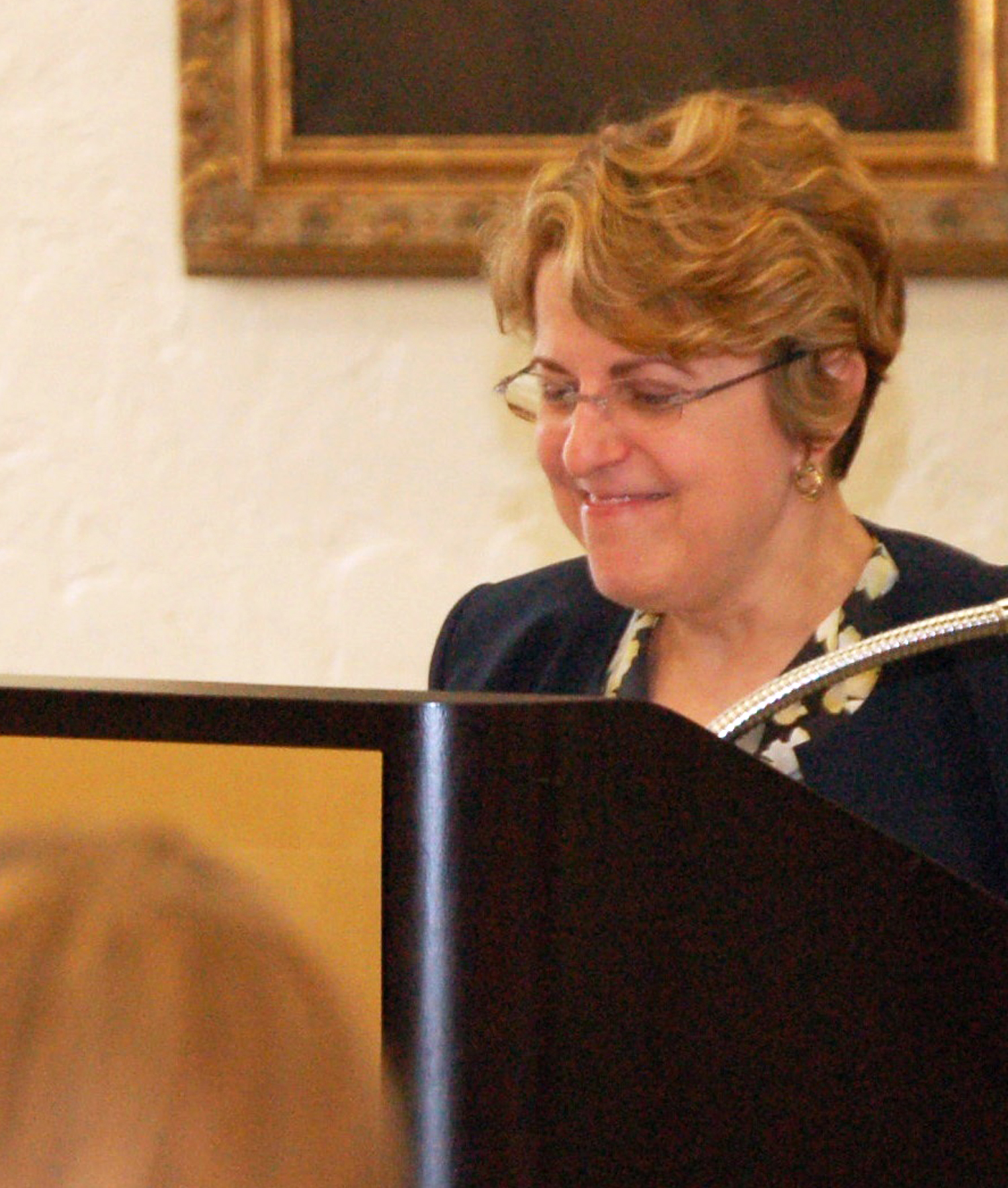
Judge Rosalyn Richter speaks on Stetson Law's Gulfport campus.
Judge Rosalyn Richter speaks on Stetson Law's Gulfport campus. Click for high-resolution image.

New York Supreme Court appellate Judge Rosalyn Richter spoke on Stetson Law’s Gulfport campus Monday afternoon about the hurdles she faces as a person with a disability on the bench and the importance of reasonable accommodation to the courthouse and in the courtroom. Judge Richter made headlines this March after being appointed as New York’s first appellate judge who is both openly gay and has a disability.

Judge Richter was elected as a New York Supreme Court justice in November 2002, and has spent decades in the legal field. She was on campus providing the keynote at a luncheon for the TIPS Equal Access to Justice program at Stetson Law on May 18.

The judge reflected on the seemingly small challenges she faces every day on the job, like simply climbing the steps to talk with attorneys during sidebar. She stressed the importance of providing people with disabilities access to the courts and to every available career in law, including trial advocacy.


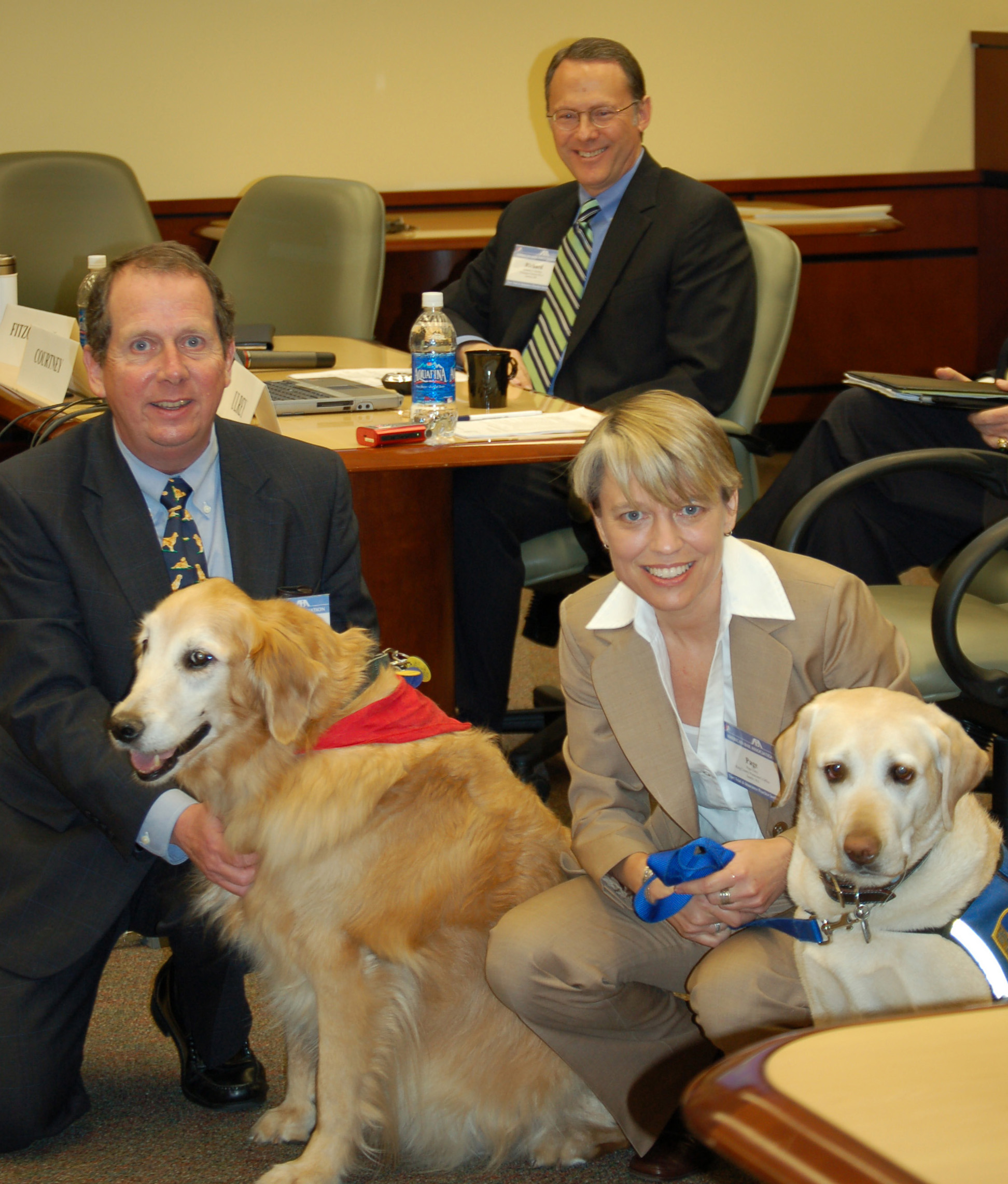
Stetson Law Professor Peter Fitzgerald and attorney Page Ulrey demonstrate the use of service animals.
Stetson Law Professor Peter Fitzgerald and attorney Page Ulrey demonstrate the use of service animals. Ulrey is the senior deputy prosecuting attorney in the Courthouse Dog Program, King County Prosecutor's Office, Seattle, Wash. Click for high-resolution image.

A national faculty of experts met on Stetson Law’s campus to make presentations to judges, attorneys and court administrators from across the nation. Topics included courtroom design; use of service animals; jury selection; and access for jurors, parties, attorneys and judges. Student leaders in Stetson Law’s chapter of the Lambda Legal Society also attended the luncheon with the judge.

Stetson Law is home to the barrier-free Eleazer Courtroom, designed specifically to give courtroom access to people with physical challenges and disabilities. The first elder-friendly courtroom in the nation, the Eleazer uses cutting-edge technology, including flat panel monitors to display evidence and  hearing amplification devices to make speech more audible. The courtroom, including gallery, jury box, judge’s chambers and bench, is wheelchair accessible.

For more information about the TIPS program, please visit the ABA at www.abanet.org/tips.

Inaugural Public Service Scholarship Awarded

Contact Brandi Palmer
Manager of Media Relations
727-562-7381
[email protected]

Rickisha Hightower-Singletary is Stetson Law's first Public Service Scholarship recipient.
Rickisha Hightower-Singletary is Stetson Law's first Public Service Scholarship recipient. Click for high-resolution image.

Stetson University College of Law has named a rising third-year student as the inaugural recipient of its Public Service Scholarship.

Rickisha Hightower-Singletary has been awarded a full-tuition scholarship for her final year of law school based on her history of public service and commitment to follow that path after graduation.

After graduating from Stetson Law in 2010, this inspirational student plans to work in the greater Tampa Bay area as a civil rights advocate for low-income and homeless families.

“I think that public service is required of us as individuals,” said Hightower-Singletary. Over the past decade, Hightower-Singletary, who recently became a mother, has volunteered as a tutor for low-income youth and interned with the Victim Witness Assistance Program in the Albany-Dougherty County District Attorney’s Office in Albany, Ga.

“Countless individuals need assistance and voices that will advocate for them and change society,” Hightower-Singletary said.


Stetson Law student Rickisha Hightower-Singletary is on the path to public service.
Stetson Law student Rickisha Hightower-Singletary is on the path to public service. Click for high-resolution image.

Hightower-Singletary received a Florida Bar Foundation fellowship to work with the Community Law Program this summer. She has completed more than 120 pro bono hours with the Southern Legal Counsel advocating for the homeless. As a member of Stetson’s Black Law Students Association, she has helped restore the voting rights of felons through voter registration drives. Through Stetson’s Amnesty International chapter, she has worked to increase awareness of both the crisis in Darfur and women’s legal rights. Hightower-Singletary also has served as a Teaching Fellow, Public Service Fellow, and Guardian ad Litem volunteer at Stetson Law.

“Stetson’s unique scholarship recognizes the importance of public service and rewards the student who has demonstrated a prior commitment and dedication to a career in public interest,” said Director of Career Development Cathy Fitch.

The scholarship will be awarded annually to a law student in his or her final two semesters. Scholarship recipients are expected to work in full-time public service for at least three years following graduation.

Bankruptcy Seminar March 2010

Contact Frank Klim
Executive Director of Communications
727-562-7889
[email protected]

For the first time,Stetson University College of Law and the American Bankruptcy Institute will partner to present the 34th annual Alexander L. Paskay Bankruptcy Seminar March 4-6, 2010, in Tampa. The continuing legal education seminar will offer plenary sessions and workshops on cutting-edge topics in bankruptcy law led by a national faculty of practitioners and judges.

“The partnership with the American Bankruptcy Institute substantially enhances the scope and quality of this already preeminent bankruptcy conference,” said seminar chair and namesake Judge Alexander Paskay, who was a founding member of the board of directors of the American Bankruptcy Institute. The ABI, which sponsors programs with top law schools, has become the most prominent educational institute devoted entirely to the practice of bankruptcy in the nation, with more than 12,000 members.

Accommodations for seminar attendees will be offered at a first-rate conference hotel in Tampa. The seminar will include optional events for networking and business development, including a golf outing and/or a spring training game of either the Yankees or the Rays, and a break-out session on fundamentals for new professionals in the field.

Leading practitioners from the top insolvency firms in the Middle District of Florida have been invited to serve on the Seminar Advisory Board to help identify panel topics, speakers and sponsors.

For more information, contact Judge Alexander Paskay at 813-301-5146, Sam Gerdano at 703-739-0800, or Stetson University College of Law’s Office of Conferences & Events at 727-562-7898.

Stetson Honors Lee Roy Selmon

Contact Brandi Palmer
Manager of Media Relations
727-562-7381
[email protected]

Football legend Lee Roy Selmon receives Stetson's inaugural Tower Award May 2.
Football legend Lee Roy Selmon receives Stetson's inaugural Tower Award May 2. Click for high-resolution image.

Stetson University College of Law honored football legend Lee Roy Selmon for his years of community service with its inaugural Tower Award during a scholarship gala on May 2.


The Tower Award recognizes those who reached the pinnacle of their careers and have made outstanding contributions to the Tampa Bay community. “I am humbled to be selected as Stetson’s first Tower Award recipient,” said Selmon, the first Tampa Bay Buccaneer inducted into the NFL Hall of Fame. “With all of the joys I have had in life, I did not get here alone. This award represents those very special people who help us to become the very best that we can be.”

The event was held to raise funds for law student scholarships. As the Tower Award recipient, Selmon also designated a portion of the proceeds to his preferred charity, the USF Foundation Partnership for Athletics.


Lee Roy Selmon speaks to guests at Stetson's scholarship gala.
Lee Roy Selmon speaks to guests at Stetson's scholarship gala. Click for high-resolution image.

“I was the recipient of a student athletic scholarship at Oklahoma University, and I can attest that it made a big difference in my life,” Selmon said. “Scholarships make a big difference in the lives of young people.”

Selmon has been recognized as NFL Defensive Player of the Year, Bucs’ Rookie of the Year and the team’s Most Valuable Player. He was named to the College Football Hall of Fame, the GTE Academic All-America Hall of Fame, and the National Football Foundation Hall of Fame. In 1999, the Crosstown Expressway was named in his honor. Selmon was a three-time All-American at the University of Oklahoma, where he devoted an average of 10 hours per week to volunteer projects.

Selmon rose to the position of athletic director at the University of South Florida and now serves as president of the USF Foundation Partnership for Athletics. He also founded the Lee Roy Selmon’s restaurant chain.

Tampa Bay Buccaneers General Manager Mark Dominik served as guest speaker, and the emcee for the evening was Fox 13 anchor Cynthia Smoot.

Stetson Uses Technology to Transform Legal Education

By Davina Y. Gould BA ’97

stetson_lawyer_vol49_coverimageThis article was first published in Stetson Lawyer, Vol. 49.
›› Download PDF

A second-year J.D. student doing a summer clerkship in Washington. A veteran elder law attorney practicing in Texas. A hurricane victim whose home law school is temporarily closed for repairs.

These students from very different backgrounds are among the many who have benefited from Stetson’s expanding electronic education curriculum.

Compared to traditional “live” classes, online courses at Stetson University College of Law are not easier—in fact, far from it. Students and professors are discovering that the advantages of distance learning extend beyond flexibility in time and location.

In contrast to the correspondence courses of the past, electronic education is bringing distance learning to mainstream higher education. Nearly all public universities offer distance learning courses, and some top universities require students to take at least one distance education course to graduate.

Traditional Courses Transformed

Stetson electronic education courses work through a system that combines video-on-demand broadcasts of lectures and PowerPoint presentations with discussion boards. To make the best use of the technology, professors must re-think their strategy for each course.

“Trying to replicate a live classroom doesn’t work,” explained Ellen Podgor, Stetson’s associate dean of faculty development and electronic education. “The key is not replicating a live classroom, but making a classroom that’s better. What we’re doing here is unique and cutting-edge.”

All classes are asynchronous, as students may listen to lectures and contribute to discussions 24 hours a day, seven days a week. The recorded lectures are high-quality productions, with the vast majority filmed in a studio with professional lighting. Most classes average around 17 students.

Even though Stetson has no intentions of offering required J.D. or bar-subject courses online, the law school has discovered that student performance in electronic classes has been identical, and sometimes better, than in the live classroom.

“There are no absences, no way to miss class, no way to avoid interaction,” Podgor said, noting that a survey of one online class found that 70 percent of students reported investing more time into their electronic courses, with the remainder reporting that the workload was the same.

Associate Dean of Academics Mark Bauer noted another major advantage of using new media: “They have the ability to replay material and listen to lectures at their own pace. We find that comprehension is higher, and students do better on exams.”

Total Class Participation

In lieu of calling on students to answer in class, all Stetson electronic education courses require students to submit a number of posts to discussion forums each week.

“You get to hear from students who may be shy or intimidated and don’t usually speak up in regular classes,” said Professor Rebecca Trammell, who taught Advanced Legal Research electronically this summer.

Students have been enthusiastic about the format as well. “There was total class participation during this summer’s media law class. I was able to hear the views and thoughts of all my classmates on every week, during every topic we were discussing,” said Claudine Duclos, who took the Media Law Seminar online. “If I would ever have the choice of an electronic or live class covering the same subject, I would have to choose the electronic class.”

Professor Catherine Cameron discovered that online format led to more in-depth, intellectual conversations among students. “There was robust discussion; students had more time to deliberate on what to write. They would bring in case law cites and interesting information you couldn’t expect in a classroom.”

Adapting Traditional Classes

Even though the online format allows for most of the same communication as traditional classes through video, handouts and discussion forums, Stetson’s asynchronous classes require professors to carefully plan each semester and become more accessible to students.

“You can’t take the same course you’ve been teaching for 20 years and put it straight online. You have to think about how you’re going to communicate this, and make sure the students understand what you’re saying.” Trammell said.

Trammell added that the online format usually results in more faculty/student engagement. Instead of two days of class and a few office hours a week, most professors respond to their online students more often because of increased e-mail and off-campus accessibility.

Because lectures are usually recorded early in the semester, some professors find that they must plan their schedules in more detail. “Live classes are really malleable—we can tell students what to read for tomorrow,” Cameron said.

Lecturing for a camera creates an interesting dynamic for new online instructors. “You don’t get an immediate reaction from the classroom, which takes some getting used to,” described Bauer. “Teaching online requires a complementary set of skills, but there are also new ones involved.”

New Academic Horizons

Another advantage of electronic learning is the ability to expand the market of potential students for each class.

Several summer seminar courses have been taught online, increasing access for students in internships outside the Tampa Bay area or from other law schools. In the aftermath of Hurricanes Katrina and Rita, Stetson also offered distance education for students from New Orleans area law schools.

“This is never a replacement for the classroom experience; it’s an adjunct for where there could be no class,” Bauer said. He cited Stetson’s new LL.M. in elder law and M.J. in law and aging programs as examples of Stetson extending its reach.

“We have a remarkable amount of talent and experience here in regard to elder law. It was desirable to offer an LL.M. program, but how many people in Tampa Bay need an elder law degree? Even if it’s several hundred, once we’ve taught them, we’re done.

“Through the online program, we’re reaching the U.S., and the entire world, for everyone who desires advanced training in elder law, but can’t take a year off and relocate to attend class. Distance learning allows us to bring education to attorneys wherever they are. We couldn’t even conceive of offering this degree if it were held on campus, and that’s exciting,” said Bauer.

The system also is used for Stetson’s Advocacy Resource Center, a free subscription service for public service attorneys nationwide, and for the Overview of the U.S. Legal System program, which is a 17-part lecture series that will be available for pre-law students, foreign lawyers and foreign government personnel in 2009. In addition to the online lectures, Stetson is publishing a book with LexisNexis to accompany the course.

Stetson remains committed to the highest standards of legal education regardless of how courses are delivered, according to Dean Podgor. “Our strategy is to do it better, or don’t do it at all.”

Stetson University Names New Provost

Contact Cindi Brownfield
Office of Public Relations and Communications
386-822-7214
[email protected]

Dr. Elizabeth L. Paul, Stetson University provost and vice president for academic affairs.
Dr. Elizabeth L. Paul, Stetson University provost and vice president for academic affairs. Click for high-resolution image.

Stetson University has named Dr. Elizabeth L. Paul provost and vice president for academic affairs – a new position at Stetson. She will start in July 2009, the same month Dr. Wendy B. Libby will become Stetson’s ninth president.

Paul is currently vice provost and professor of psychology at The College of New Jersey, a public residential college of 6,000 undergraduate and 600 graduate students. Through a comprehensive transformation of its academic programs over the last several years, The College of New Jersey (TCNJ) has become nationally recognized for excellence in liberal arts and professional education. TCNJ also shares Stetson’s commitment to educating students to be leaders in their communities.

Paul will work closely with Libby, senior staff and the university’s academic leadership on strategic planning and educational policy issues at Stetson. She will play a central role in faculty recruitment, promotion, professional development and college-wide curriculum assessment programs. The new provost was selected following a national search that drew nearly 120 candidates.

“The Council of Deans, which has led Stetson’s academic program for more than a decade, and I are delighted that Dr. Beth Paul will be joining us this summer at Stetson,” Libby said. “The Stetson community looks forward to having a chief academic officer enhance the Council of Deans’ work on academic programs and planning across the university.

“Beth Paul has significant experience in strategic planning and in working with an institution that values academic quality and has a strong commitment to community-based service learning,” Libby said. “Her analytical abilities and thoughtful approach will be assets to Stetson. She will bring national attention to our academic program with her focus on excellence. She’s the right match for Stetson.”

Paul has served at The College of New Jersey since 1992, holding positions including interim provost and vice president for academic affairs, chair of the Department of Psychology and interim vice president for student life. She is also a consultant, focusing on student learning outcomes assessment, strategic planning and change management. Her academic experience includes faculty positions at The College of New Jersey and Wellesley College and as a research assistant at Harvard University.

As vice provost, Paul is responsible for a wide array of academic programs including TCNJ’s Bonner Center for Civic and Community-engaged Learning. Stetson is also affiliated with the philanthropic Bonner Foundation of Princeton, N.J. Through Stetson’s Bonner Scholars Program, 60 students work with partners in the community to perform service aimed at community transformation and social justice.

“Dr. Beth Paul is one of the most promising academic administrators with whom I have ever worked,” said Dr. Barbara Gitenstein, president of The College of New Jersey. “What she has accomplished during her years of exemplary service at TCNJ is simply extraordinary. While I will miss Beth at the college, I am very happy for her, incoming President Wendy Libby, and Stetson University. This is the perfect choice for all involved.”

Paul earned her undergraduate and graduate degrees from Boston University, receiving a doctorate in personality psychology in 1989. She earned a certificate in Higher Education Administration from Harvard Institute for Educational Management in 2007. She and her husband, Dr. William Ball, who is chair of the Political Science Department at The College of New Jersey, have two daughters. Ball will be teaching and continuing his community work here at Stetson.

“I have long been inspired by Stetson’s mission and core values, an inspiration that deepened throughout the search process,” she said. “I am excited by the commitment and energy that I felt as I engaged with members of the Stetson community. I am eager to work with President-elect Wendy Libby and the full Stetson community to lead Stetson in defining anew its aspirations and achieving its goals.”

More information about Stetson’s provost search is available online at www.stetson.edu/other/provostsearch/ .

Stetson Law Honors Faculty Scholarship

Contact Brandi Palmer

727-562-7381
[email protected]

Stetson Law applauded faculty scholarship at a luncheon on the Gulfport campus on April 29. The event offered a rare glimpse into the considerable and varied research being done at Stetson as professors each offered summaries of their recent and forthcoming publications.

The faculty published more than 38 books, 48 book chapters, 152 law review articles and 50 other forms of scholarly works over the past three academic years. These publications include casebooks, course books and treatises published by Aspen, West, LexisNexis, Carolina Academic Press and other major publishers in areas including commercial transactions, federal courts, international business transactions, white collar crime, elder law, advocacy, property, tax, higher education law, state constitutional law and international sales. The Stetson Law faculty also published works in leading journals including the Journal of College and University Law, Harvard Civil Rights-Civil Liberties Law Review, UCLA Law Review, Minnesota Law Review, Washington & Lee Law Review and other law reviews.

The Social Science Research Network ranks Stetson Law among the top 100 law schools (number 95 this month) whose scholarly articles are downloaded from the SSRN Web site. SSRN is a widely read online resource for academic researchers around the globe.

#1 in Advocacy, #5 in Legal Writing

Contact Brandi Palmer
Manager of Media Relations
727-562-7381
[email protected]

The 2010 U.S. News & World Report has again ranked Stetson University College of Law first in trial advocacy among law schools across the country. U.S. News also ranked Stetson Law fifth for legal writing and 16th for part-time law programs.

Stetson has consistently ranked at the top in the nation for trial advocacy since the rankings began in 1995. Stetson has ranked within the top six programs in legal writing since that specialty was added. In the first-ever ranking of part-time programs, Stetson, which started a part-time program in 2002, placed 16 out of 68 among ranked accredited law schools.

“Stetson is very proud to continue to be recognized as the best law school in the country for trial advocacy and legal writing,” said Vice President and Dean Darby Dickerson. “Effective advocacy and writing are critical skills for all lawyers, and we’re committed to providing students the best possible training and experiences in these areas.”

“We look forward to expanding our advocacy programs to share the Stetson Method of ethical advocacy with more students, professors and attorneys around the nation,” said Professor Charles H. Rose III, director of Stetson’s Center for Excellence in Advocacy.

Stetson currently provides an online Advocacy Resource Center, a free resource for public service attorneys, including government attorneys, legal aid personnel, district attorneys, public defenders, military attorneys, and other attorneys who work on behalf of the public good.

Stetson offers full and part-time programs leading to J.D., J.D./M.B.A., J.D./M.D., J.D./M.P.H. degrees; it also offers LL.M. degrees in elder law and international law and an M.J. in Law and Aging for non-lawyers.

Elder Consumer Expo April 22

Contact Brandi Palmer
Manager of Media Relations
727-562-7381
[email protected]

Stetson University College of Law invites area seniors to its Gulfport campus for a free Bay Area Elder Consumer Protection Expo on April 22 between 8 a.m.-12 p.m. in the Great Hall at 1401 61st St. S.

Expo attendees will learn more about how to protect themselves from becoming the victims of fraud, exploitation, identity theft and abuse. A free continental breakfast will be provided.

AARP State President Doug Heinlen will speak at 9:50 a.m. Representatives will speak from the office of Senator Bill Nelson at 8:40 a.m., the office of Representative C.W. Bill Young at 9:20 a.m. and the office of Senator Mel Martinez at 10:20 a.m.

A shredding service for proper disposal of personal documents will be on campus during the Expo. Participants will have an opportunity to learn more about “Do-Not-Call” and “Opt-Out” registries, win door prizes, listen to presentations, and collect information from exhibits by local, state and federal agencies.

Parking is available at Stetson at the corner of 61st St. S. and 15th Ave. S. Expo attendees may also be dropped off at the entrance to the school before parking their vehicles.

Stetson Accepting Hall of Fame Nominations

Contact Brandi Palmer
Manager of Media Relations
727-562-7381
[email protected]

Stetson University College of Law is currently accepting nominations for its prestigious Hall of Fame. The deadline for submissions is June 15.

The Hall of Fame recognizes individuals who have reached the pinnacle of their professions and who have affected a profound, positive influence on the law school. New members will be inducted into Stetson Law’s Hall of Fame during a special program on Oct. 24.

Nomination forms may downloaded from the Stetson Law Web site here and should be sent to the Office of College Relations, Stetson University College of Law, 1401 61st St. S., Gulfport, Fla. 33707. E-mail nominations are also accepted at [email protected].

Learn more about Stetson’s past Hall of Fame honorees by  viewing biographical videos of each.

Stetson Wins National Championship

Contact Frank Klim

727-562-7889
[email protected]

Stetson Law's team won the AAJ National Student Trial Advocacy Competition. (L-R): Nelson Baez, Aaron Watson, Derrick Connell, and Sara Mieczkowski.
Stetson Law's team won the AAJ National Student Trial Advocacy Competition. (L-R): Nelson Baez, Aaron Watson, Derrick Connell, and Sara Mieczkowski. Click for high-resolution image.

A team of four students from Stetson University College of Law won the prestigious American Association for Justice (AAJ) Student Trial Advocacy Competition during the finals in West Palm Beach, Fla., April 2-5.

Stetson’s team of Nelson Baez, Derrick Connell, Sara Mieczkowski and Aaron Watson scored consecutive victories in mock trials against teams from Loyola of Los Angeles, University of Maryland, Loyola of Chicago, and Samford University.

“This is the most prestigious competition in the nation because of its scope and the participation of distinguished members of the bench and the attorneys who judge the competition,” said Nathalie Etori, manager of the AAJ event.

The competition began with a staggering 248 squads from 147 law schools. Stetson advanced to the national final after winning a regional tournament in Providence, R.I., five weeks ago.

“This competition is not an invitational,” said Professor Lee Coppock, who directs Stetson’s trial team and travelled with the team. “Our students had to earn their way to the nationals and there we met, and defeated, the best from every other region in the country. It was a great win for Stetson.”

Stetson Law’s fourth championship in the national competition, which has occurred annually for more than 25 years, has created a sense of accomplishment among trial team participants.

“This is the reason I came to Stetson,” said Derrick Connell, a third-year Stetson Law student. “My goal was to bring home a national championship, and we’ve done that. It’s just an amazing thing.”

Connell said that since receiving the tournament case file in January, the trial team has been practicing nearly every day. He attributes their success to strong coaching and to how well the students worked with each other.

“We had such great chemistry,” said Connell. “You have to be able to look over at your teammate and know that they’re there for you and you’re on the same page.”

Judge David A. Demers, Adjunct Professor Susan Demers and Professor Roberta Flowers coached the winning team.

Trial advocacy competitions allow law students to practice their trial skills before distinguished members of the bar and bench. Teams are judged on their skills in case preparation, opening statements, use of facts, the examination of lay and expert witnesses, and closing arguments.

For more information about Stetson’s advocacy programs, see www.law.stetson.edu/excellence/advocacy.