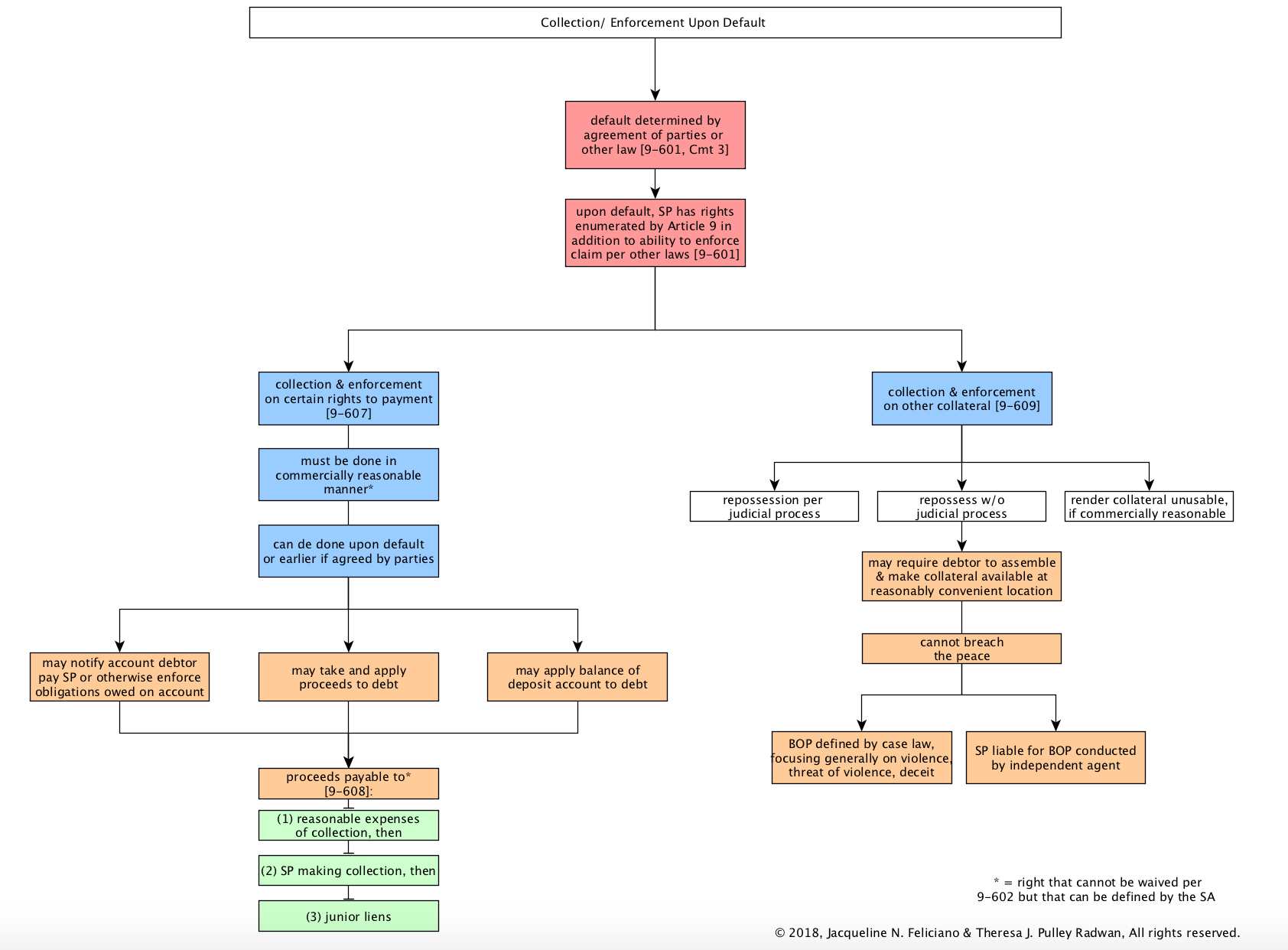
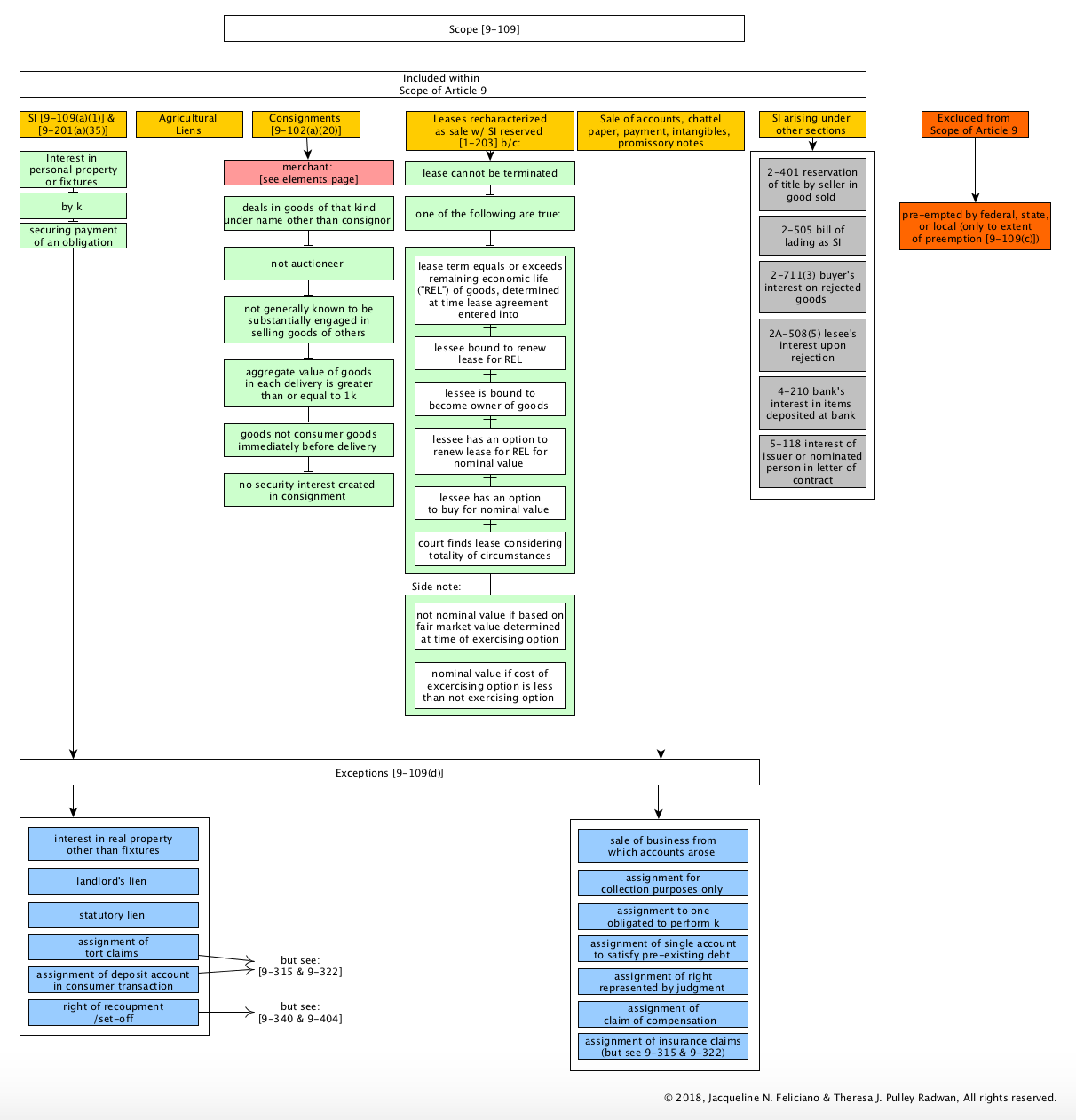
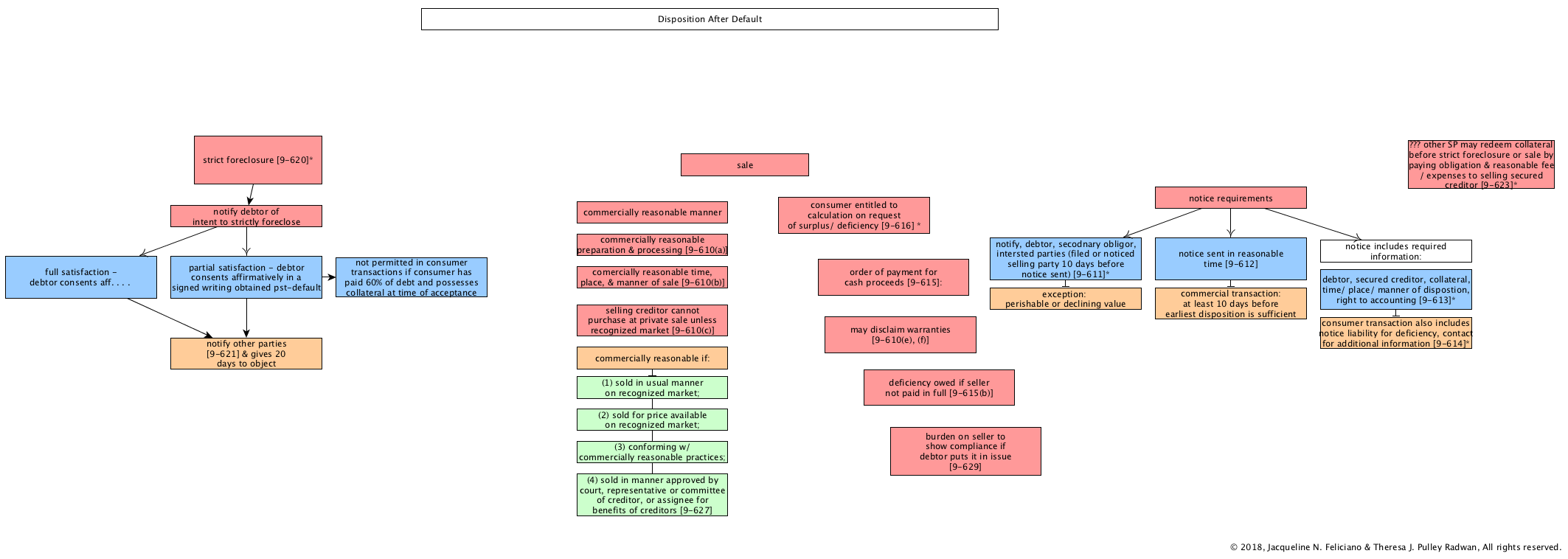
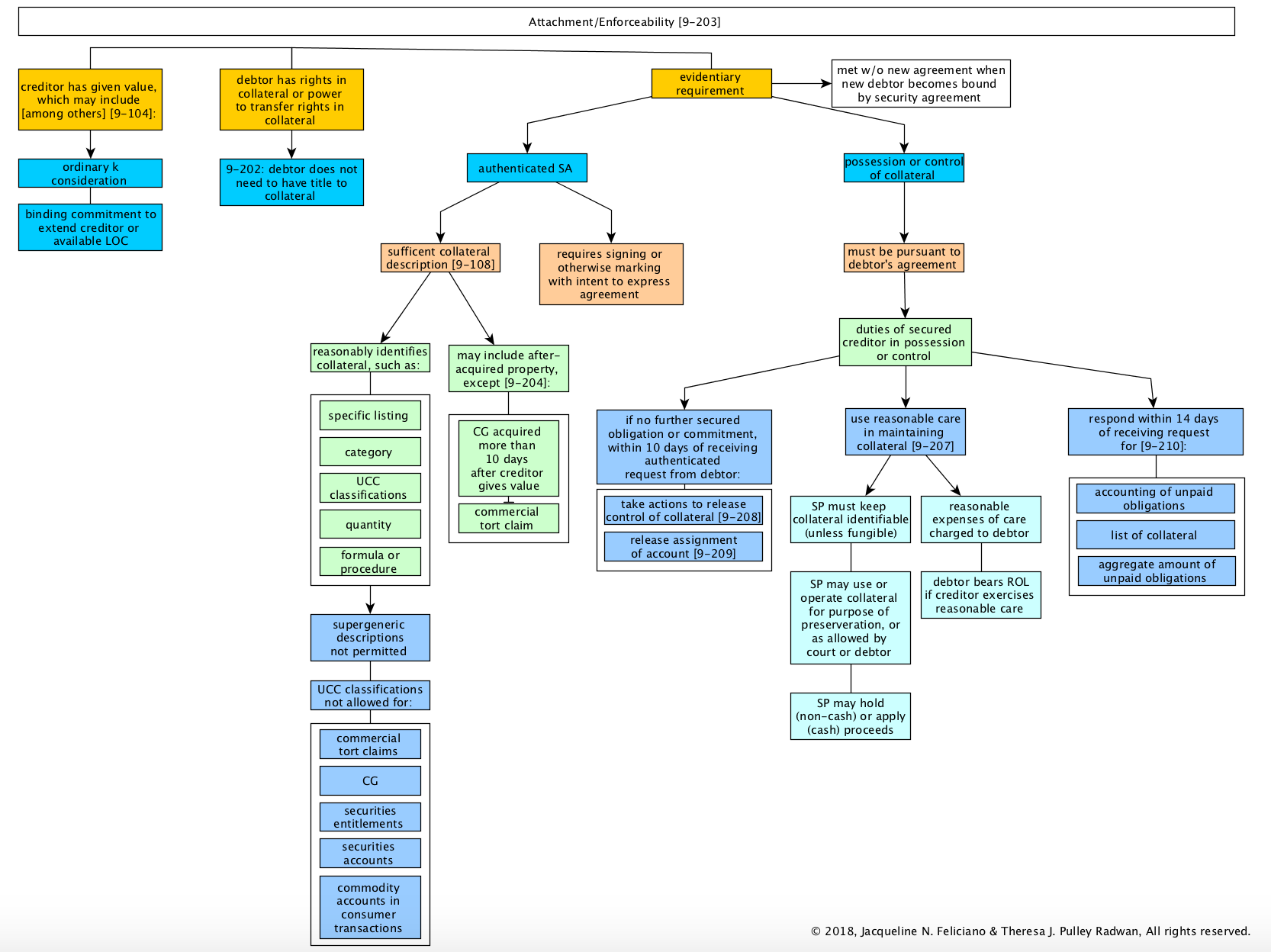
Flowchart – Slide 9: Control Priority Media
Date of Publication:
Recommended Citation
Theresa J. Pulley Radwan, Flowchart – Slide 9: Control Priority (2018)Clicking on the button will copy the full recommended citation.
Date of Publication:
Theresa J. Pulley Radwan, Flowchart – Slide 9: Control Priority (2018)Clicking on the button will copy the full recommended citation.
Date of Publication:
Ellen S. Podgor and Louis J. Virelli, Accountability in Criminal Discovery, in Comparative Perspectives on Privacy in an Internet Era (Russell L. Weaver et al. eds., Carolina Academic Press, 2018)Clicking on the button will copy the full recommended citation.
Date of Publication:
Grant Christensen, Civil Rights Notes: American Indians and Banishment, Jury Trials, and the Doctrine of Lenity, 27 Wm. & Mary Bill Rts. J. 363 (2018)Clicking on the button will copy the full recommended citation.
Indian defendants appearing before tribal courts are not protected by the Bill of Rights. Instead, Congress enacted the Indian Civil Rights Act in 1968 to extend some, but not all, constitutional protections unto Indian reservations. Fifty years later and there continues to be extensive litigation surrounding ICRA.
This paper looks at all of the ICRA cases decided in 2017 to attempt to evaluate the merits of ICRA’s protections of tribal rights. The picture is decidedly mixed. From these cases the paper calls for three changes that directly respond to trends in civil rights litigation. 1) The paper suggests that courts expand the understanding of habeas jurisdiction to extend when an individual has been banished. It argues that banishment is a form of confinement and a restriction of liberty – albeit one where the jail cell is large, essentially the world minus the reservation. 2) Tribes must adopt codes that provide for a trial by jury and rules for determining who constitutes the jury and how it may be empaneled. While ICRA provides for a trial by jury, tribal courts have an affirmative duty to inform defendants of their right to request a jury trial. It is a violation of ICRA if the tribe does not make provisions for a jury when requested. 3) Finally tribal court judgments, when used in other forums, may be ambiguous because tribal law and tribal procedures are distinct from those followed by states or the federal system. Accordingly, any ambiguity that arises in response to a tribal court judgment should be resolved with a reference to the doctrine of lenity.
Date of Publication:
Theresa J. Pulley Radwan, Flowchart – Slide 10: Special Priority Rules for Goods Intermingled with Other Collateral (2018)Clicking on the button will copy the full recommended citation.
Date of Publication:
Grant Christensen, Reading Indian Law: Evaluating Thirty Years of Indian Law Scholarship, 54 Tulsa L. Rev. 81 (2018)Clicking on the button will copy the full recommended citation.
This article surveys thirty years of law review articles and compiles a formal ranking system to create a list of the 100 most influential Indian law scholarly pieces from the last thirty years. As Indian law has grown from a niche field offered by a couple schools to a robust legal discipline it is now impossible for the thousands of professors, students, practitioners, and judges to identify the most important pieces published each year. This piece, with its first of its kind approach to ranking Indian law scholarship, has the potential to not only highlight other important works but to become an article that is itself the focus of conversation.
Date of Publication:
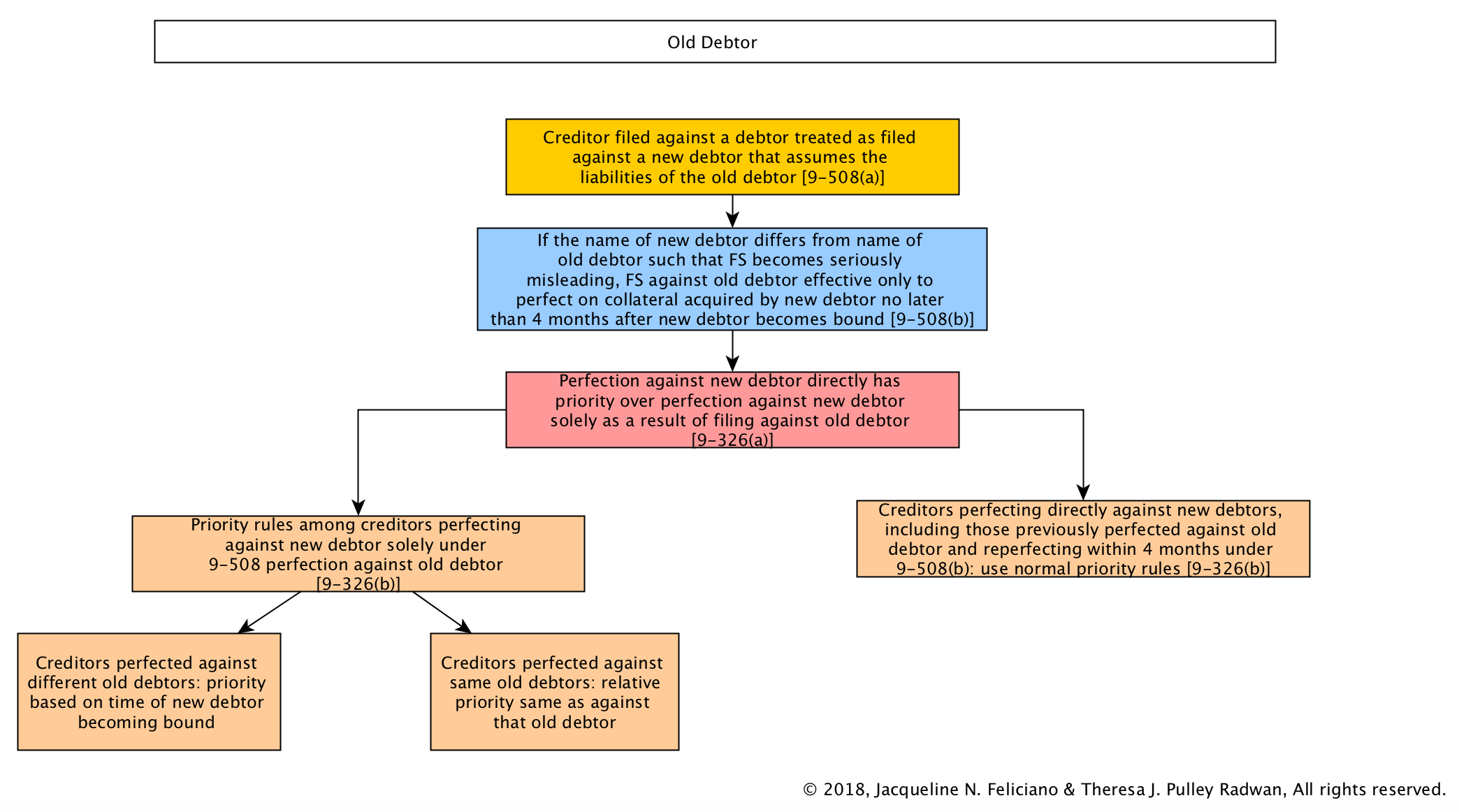
Theresa J. Pulley Radwan, Flowchart – Slide 11: Old Debtor (2018)Clicking on the button will copy the full recommended citation.
Date of Publication:
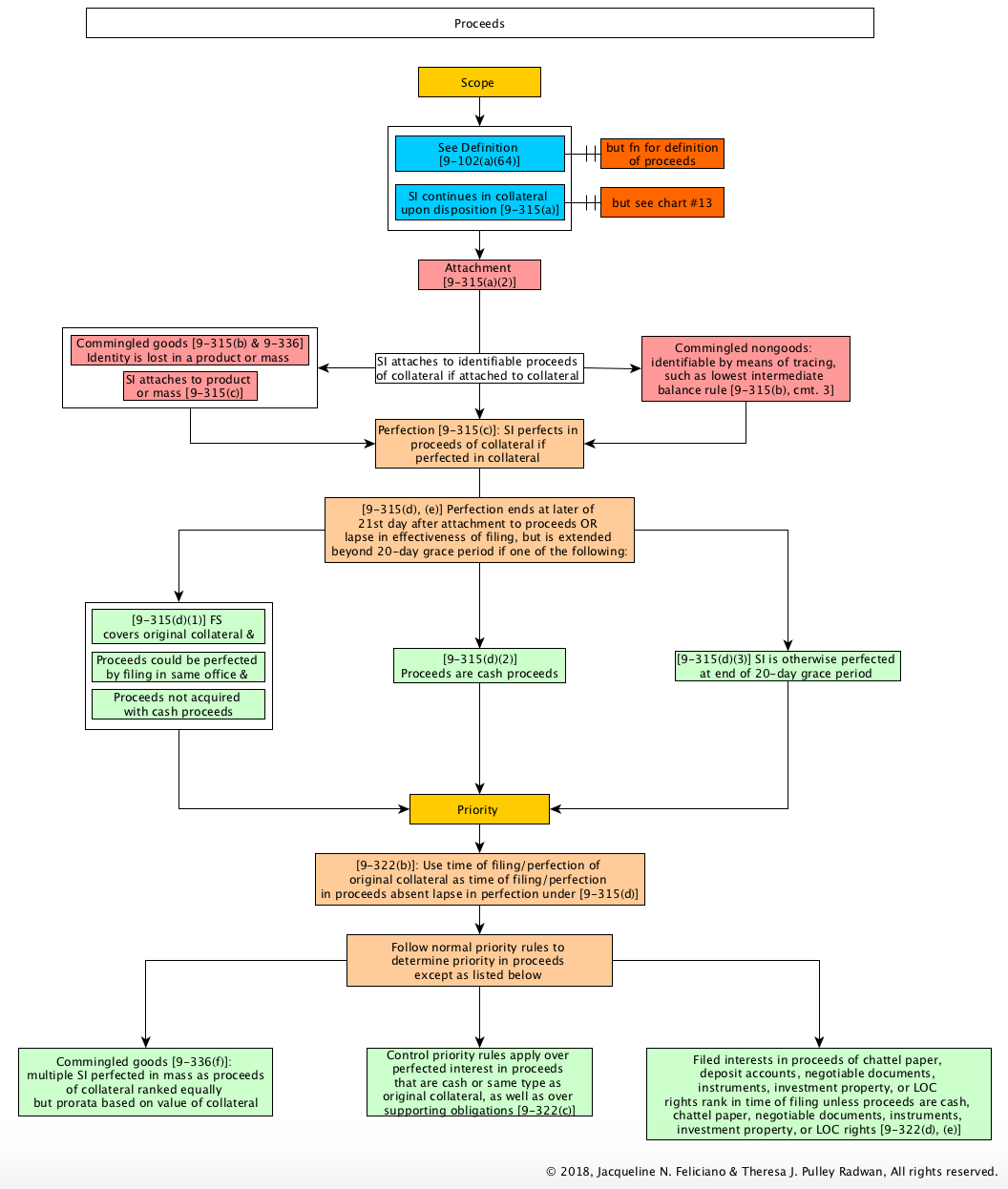
Theresa J. Pulley Radwan, Flowchart – Slide 12: Proceeds (2018)Clicking on the button will copy the full recommended citation.
Date of Publication:
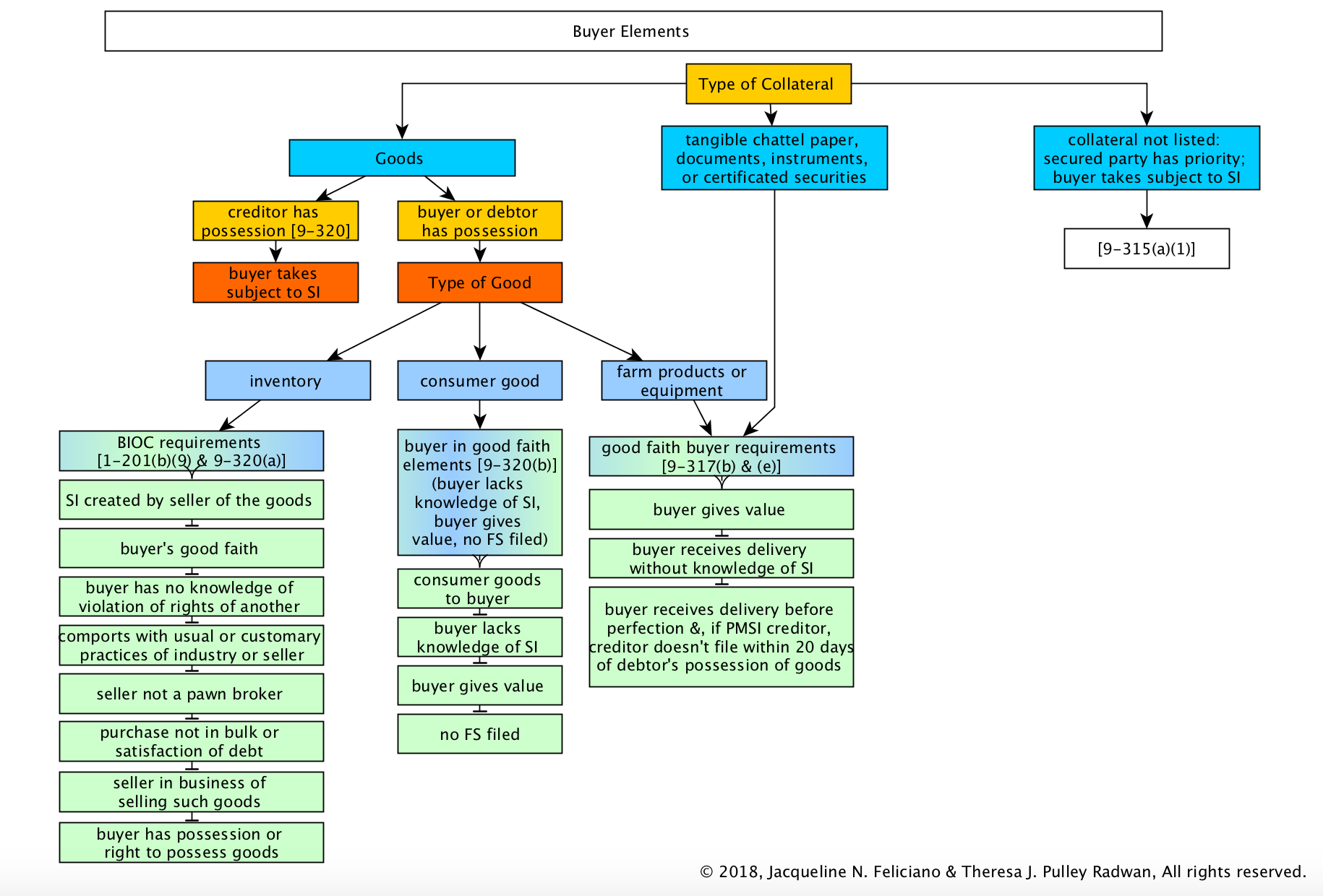
Theresa J. Pulley Radwan, Flowchart – Slide 13: Buyer Elements (2018)Clicking on the button will copy the full recommended citation.