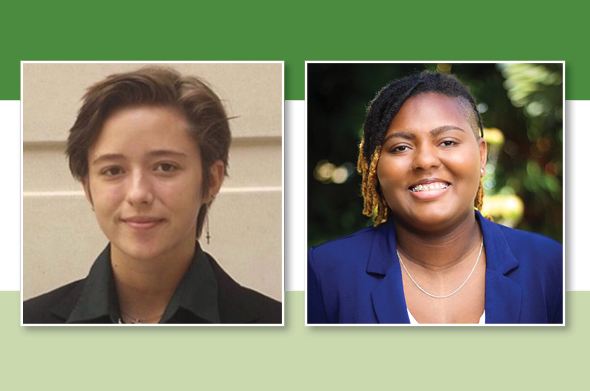
From an applicant pool featuring numerous contenders, Buffalo, New York-based firm Milestone chose Stetson Law 3L Savannah Green as the recipient of its 2022 Trial LawHER Scholarship, an award of $10,000.
Milestone holds the annual competition to empower women who aspire to be plaintiff trial lawyers while increasing awareness in the area of settlement planning. The competition attracts applications from female law students across the country. The application process includes an essay and a video portion – and to those who reviewed the applications, Green’s submission dramatically stood out.
“Savannah’s grasp on the scope and magnitude of settlement planning truly stood out among the applications we received,” said Amy Fogle, CEO of Milestone and member of the scholarship selection committee. “It’s encouraging to see the next generation of trial lawyers embracing this crucial step in the civil justice process.”
An active presence on campus
Green, who is originally from Pensacola, is incredibly involved on campus at Stetson Law. She is president of the Florida Association of Women Lawyers at Stetson (FAWLS) and serves as editor of the Stetson Journal of Advocacy and the Law. In the classroom, she stands out as a student who is quick to grasp the principles that will form the foundation of her practice.
Green was in Law Professor Elizabeth Boals’ Evidence class last fall and is currently in Boals’ Evidentiary Foundations class. Boals said she excels in her understanding of her chosen area of study.
“Savannah is an excellent advocate who has demonstrated her mastery of procedural and substantive law in class after class,” Boals said. “She is poised, organized and passionate in her courtroom advocacy – so it’s no wonder she stood out among a national pool of applicants.”
Passion & diligence pays off
Over the summer, Green said she spent extensive time learning about the settlement process of civil litigation. She was able to use that experience and research in her scholarship essay and accompanying video. Her submission featured elements at the core of the award’s purpose: well-focused research and a demonstration of passion behind the subject at hand.
“I am incredibly honored and grateful to have been chosen for the 2022 Milestone Trial LawHER Scholarship,” said Green. “I am proud to play a role in promoting education around female empowerment in the legal field and the importance of settlement planning in the civil justice system, especially as an eager future plaintiff’s attorney.”
After she graduates in spring, Green plans to work at Pensacola-based firm Aylstock, Witkin, Kreis, & Overholtz, where she has already accepted a position. She said she is thankful for the recognition Milestone has given her and excited to be part of an effort to empower women in the legal profession.
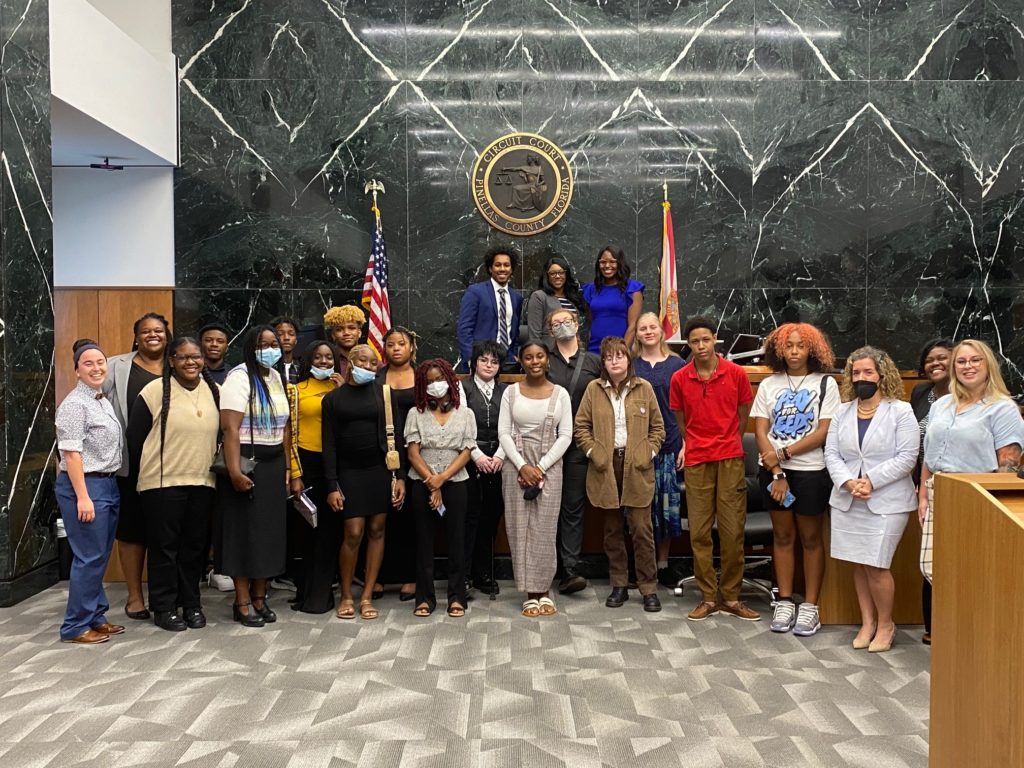
The 2022 participants of the Youth Civic Engagement Program, which invites local teens to explore their potential as advocates for themselves and their communities.
Call it a trifecta.
For the third consecutive year, Stetson University College of Law has won INSIGHT Into Diversity magazine’s 2022 Higher Education Excellence in Diversity (HEED) award. The award recognizes colleges and universities that demonstrate a sustained, measurable commitment to diversity, equity, and inclusion on campus and beyond.
As the oldest and largest publication dedicated to promoting diversity in higher education, INSIGHT Into Diversity is uniquely equipped to recognize institutions with outstanding initiatives related to diversity.
Creation of the executive diversity officer role and office
As part of this recognition, Stetson Law will be featured in the publication’s November, 2022 edition.
Years of targeted efforts
Upon hearing news of the latest award, members of campus leadership said the award was an encouraging sign that the Stetson Law community is taking important strides to live up to its commitment to promote justice for all.
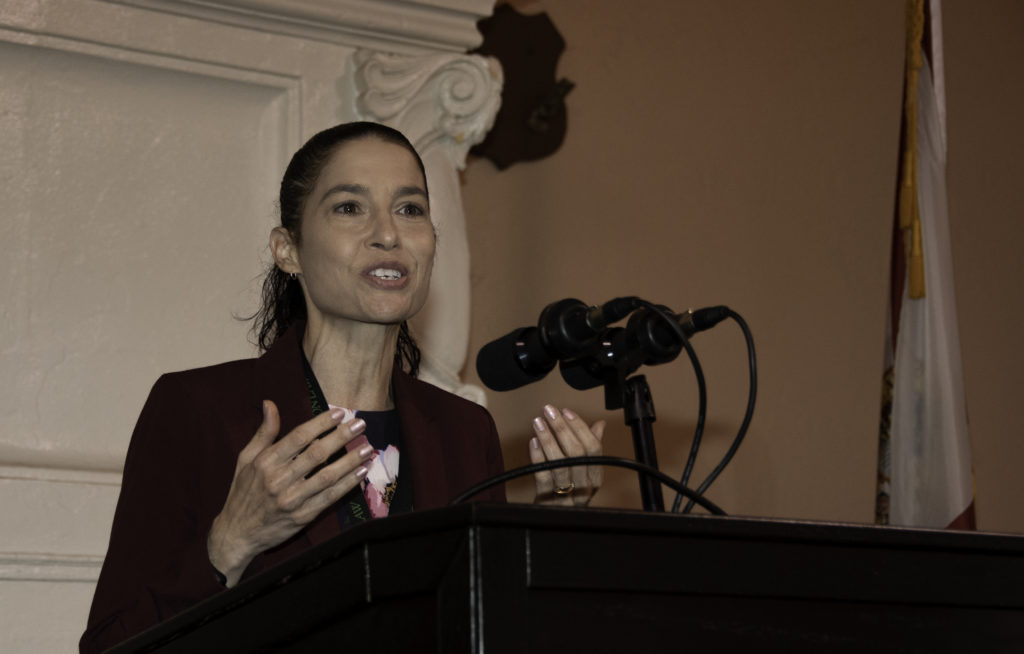
Interim Dean Theresa Pulley Radwan speaks to 2022 Youth Civic Engagement Program participants and their families.
“We’re very proud of this latest HEED award and the hard work it recognizes,” said Stetson Law Interim Dean Theresa Pulley Radwan. “Whether it’s through thoughtful coursework, student-focused initiatives, or community outreach, the Stetson Law community is committed to growing as a space where students, faculty, and staff from myriad backgrounds will not only feel accepted here, but celebrated for their unique contributions.”
Stetson University College of Law will continue to identify opportunities for fostering greater diversity on campus as well as leveraging its greatest strengths to lift others within the greater community. Though challenging at times, this work is a reflection of the passion that drove those who have undertaken it to pursue legal education in the first place.
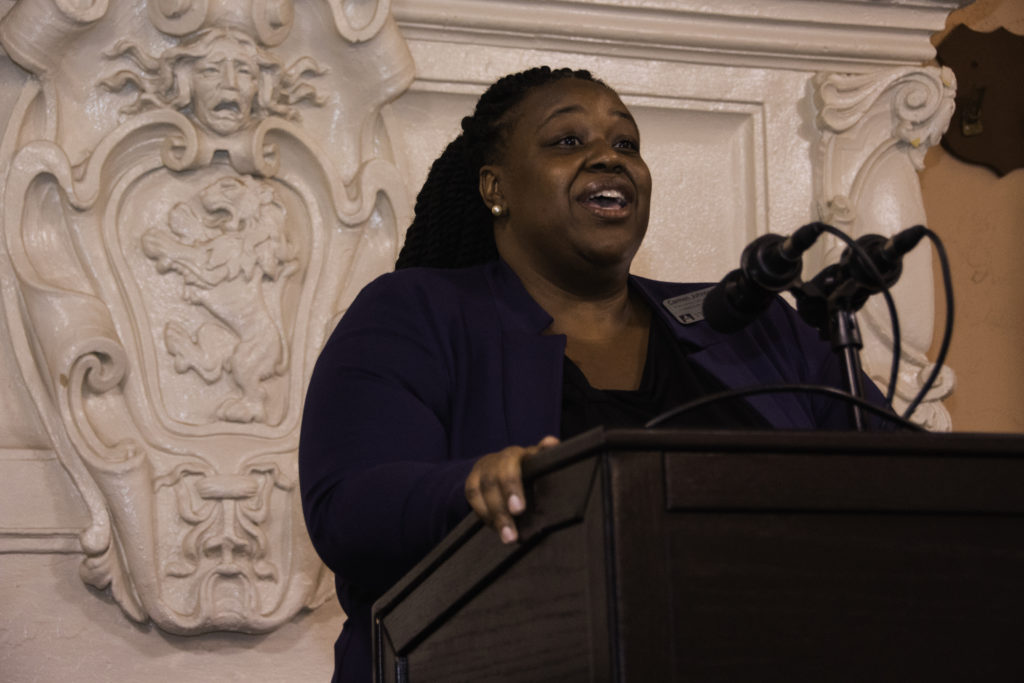
Carmen Johnson, Stetson University’s Executive Officer for Diversity, Collaboration, and Inclusion.
“As educators with a passion for creating a better society for all, we develop these initiatives with the intent of creating meaningful outcomes for our Stetson communities as well as the students as they diligently prepare to become advocates and professionals who will lead an increasingly diverse and inclusive world,” said Carmen Johnson, Stetson University’s Executive Officer for Diversity, Collaboration, and Inclusion. “We will continue to strategically use the expertise throughout the Stetson community along with best practices in higher education and the legal academy– and recognition like the HEED Award only inspires us to build on this continued momentum.”
One of three law schools recognized
This year, INSIGHT Into Diversity recognized 104 U.S. higher education institutions with a HEED award out of thousands nationwide, from community colleges to state university systems and postgraduate institutions. Stetson Law is one of just three law schools to receive a 2022 HEED award.
To even be considered for the award requires an intensive application and review process.
“The HEED Award process consists of a comprehensive and rigorous application that includes questions relating to the recruitment and retention of students and employees — and best practices for both — as well as continued leadership support for diversity and other aspects of campus diversity and inclusion,” said Lenore Pearlstein, publisher of INSIGHT Into Diversity magazine. “We take a detailed approach to reviewing each application in deciding who will be named a HEED Award recipient. Our standards are high, and we look for institutions where diversity and inclusion are woven into the work being done every day across campus.”
A community that embraces diversity
A look back at the factors behind the previous two years’ awards shows a broad swath of diversity-related initiatives that continually build on past successes.
In 2021, the magazine chose Stetson Law for curriculum initiatives that focused on inclusion, such as Criminal Law and Research and Writing courses; efforts to Americans with Disabilities Act initiatives, such as the creation of the Disability Allied Law Student Association; and development efforts, scholarship, and alumni engagement driven by diversity.
In 2020, Stetson Law was recognized for concentrated efforts to, among other things, recruit and retain historically underrepresented and first-generation students via a “pre-law pipeline” program that featured mentorship throughout participants’ academic journeys and targeted development efforts to ensure they had the financial capability to finish law school. As the 2022-2023 academic year advances, there’s even more in store.
In her award-winning essay about the potential legal challenges stemming from sea-level rise, law student Brooke Cleary points to the erosion of waterfront land in communities like Vilano Beach, Florida (pictured). Photo credit: Felix Mizioznikov
Exploring a critical, ever-evolving aspect of climate change that affects – among many other places – her hometown proved a winning strategy for Stetson Law 2L Brooke Cleary.
Earlier this month, the Environmental Land Use Law Section (ELULS) of the Florida Bar Association selected Cleary’s submission as the winner of its annual Law School Note Competition. Ahead of its annual conference, which this year celebrates ELULS’s 50th anniversary, the competition was open to all law students in Florida.
Under the theme “Looking Backwards, Looking Forwards: 50 Years of Florida Environmental Law,” they were asked to write about “an important or pressing environmental and/or land use topic of the writer’s choosing” and its intricacies in the legal realm.
A subject close to home
Cleary went with a topic that could profoundly affect her hometown, Ponte Vedra, a community on Florida’s Atlantic coast.
Stetson Law Student Brooke Cleary
“I decided to write about the legal implications of sea-level rise,” Cleary, who recently joined Stetson Law’s environmental law concentration program, said. “In my paper, I wrote about how sea level rise will impact public health, freshwater supplies, real estate, coastal habitats, climate refugees, resources, and international relations/securities.”
She said that when Law Professor Royal Gardner sent her information about the writing competition, she decided to write the piece for fun – and to deepen her understanding of sea-level rise and its relation to public policy.
It took her a couple of weeks to research and write the essay. She reached out to Neptune Beach’s Community Development Director, with whom she talked about how sea-level rise should start factoring into building codes, comprehensive plans, and property boundary lines – as well as what cities, property owners, and entities like the military need to do to minimize potential property damage from rising seas.
Advocating for a proactive approach
Her paper calls for more deliberate efforts among federal, state and local governments as well as citizens to proactively tackle coming challenges related to sea-level rise, from sea water contaminating Florida’s freshwater aquifer to shifting property lines as a result of coastal erosion. She enjoyed the work – so winning was an added bonus.
“I didn’t have any intentions to win; I truly did the research because I wanted to learn more about sea-level rise and how coastal cities should be preparing for it and its repercussions,” Cleary said. “So, to hear I won the contest was very rewarding because I wrote about something that I care a lot about.”
To Professor Gardner, who is also co-director of Stetson Law’s Institute for Biological Diversity & Policy, the recognition demonstrates how law students can meld their legal studies with the passions that drive them in meaningful ways.
“One of the biggest reasons for teaching law is to empower future lawyers to work toward solutions to the challenges we face in the coming decades,” Gardner said. “I hope achievements like this inspire Brooke and others to keep working toward a more sustainable tomorrow – and I know it will.”
As the essay contest winner, Cleary will get to attend ELULS’s 50th Anniversary Conference and Celebration, including presenting at the event’s Executive Council Meeting. She will be featured in the ELULS Section Reporter and may even see her note get published in the Reporter.
“She showed an impressive amount of initiative and diligence by developing her thoughts [and] refining her research,” said Joan Matthews, chair of ELULS’ Law School Subcommittee. “It was a winner!”
With a sharp focus on racial justice, two Stetson Law students will spend the next year building a more equitable community through collaboration with fellow students from a range of backgrounds.
As part of the St. Petersburg Higher Education Racial Equity Consortium (SPHERE), the two will serve as Racial Justice Fellows alongside students from each of St. Petersburg’s higher-learning institutions. The fellowship program, now in its second year, consists of students from Eckerd College, St. Petersburg College, Stetson University College of Law, and University of South Florida St. Petersburg. Through an application process, consortium organizers selected two students from each institution.
The aim is to bring participants face to face with community leaders, faculty, and mentors to collaborate on projects that will help create progress within St. Petersburg through influencing public policy and challenging the status quo.
“Working with leaders in the community and the SPHERE consortium, this class of Racial Justice Fellows will build on the work of the first cohort and help to establish real change through projects focused on shaping policy and transforming systems to create more equitable outcomes for all,” said Michelle Madden, campus diversity officer at USF’s St. Petersburg campus.
Meet Stetson Law’s two student fellows
Though their backgrounds differ, the students selected share a deep passion for advocating for the underserved – and the hope of applying skills and tools they are gaining through their legal education to do so.
For Stetson Law student Zenea Johnson, who is pursuing a J.D. with a social justice advocacy concentration, the fellowship is her next step in understanding the many fights taking place within the space of social justice. It would build on lessons from a career she has so far spent dedicated to helping women from underrepresented populations, from domestic abuse survivors to refugees in the process of resettling in the U.S. She said her own experience as a woman from an underrepresented group has inspired her to keep going.
“After years of experiencing life through the lenses of the many intersections of my identity, there is one lens that will always have a greater impact on how I see society and that just so happens to be the one part of my identity that society sees first,” Johnson said.
Law student Jessica King, who earned her B.A. in sociology with minors in history and leadership studies, said she came to law school with a dream of using her law degree in the service of progressing racial equality in the South. She believes the fellowship can help give her the mentorship and direction she needs amid the rigors of her studies. The program is a win-win, she added, given how she gets to help others while connecting to people, places, and opportunities she may not have otherwise known.
“I believe this fellowship will greatly shape my leadership journey and career because I came into law school with a dream to use my law degree to work and progress racial equality in the South and I believe this fellowship would give me the direction and mentorship I need,” King said.
What the fellowship entails
As with the inaugural 2021 edition of the program, the Racial Justice fellows will participate in regular meetings on how to build on the previous cohort’s strategic vision for what’s known as a Truth, Racial Healing and Transformation Center for Pinellas County.
Each student will receive a stipend of up to $2,000 for the 2022-2023 academic year and will work as interns in summer of 2023. Last year’s participants interned at organizations like the NAACP, the City of St. Petersburg, the Youth Farm, and Community Tampa Bay.
The students will also serve as interns in the summer of 2023 and will meet regularly for meaningful discussions surrounding diversity, equity, and inclusion. One such discussion that took place last year revolved around the idea of a “new normal” and how the struggles of 2020 have made campus life for underrepresented students even more difficult than before.
Faculty mentors see the program as a building block for meaningful careers current participants will spend advocating for those who need it most.
“We hope that SPHERE’s one-year fellowship and summer community internships will introduce our students to a lifetime commitment of addressing racial injustices,” said Stetson Law Professor Judith Scully, director of Stetson Law’s Social Justice Advocacy program. “Our curriculum is merely a foundation for our students to stand upon as they begin to see themselves as courageous leaders with a focus on racial equity.”
For indigenous Hawaiians – or, as they’re known in the Hawaiian language, Kanaka Maoli – the land, or ‘aina, has a sacred place in Hawaiian religion, culture, and identity. Despite recent attempts at stronger protections and restoring lands, much is still lost to development, military exercises, and certain agricultural practices.
Recent Stetson Law alumnus Will Davis laments the status quo – but sees a potential solution.
Through his pro bono work with the Office of Hawaiian Affairs in 2021, Davis said he saw possible ways to prevent harmful activities from further impeding on some Kanaka Maoli land rights. He wrote about it in “Perpetuated in Righteousness: Proposals for Strengthening Hawai‘i’s ‘Ceded Land’ Protections,” a paper published in Environs, a University of California Davis environmental law journal.
Stetson Law alumni Will Davis, J.D. ’22
His first published article, the paper reflects a lifelong passion for promoting Indigenous rights, social justice, and environmental protection. He said in the research and writing of the article, he was mindful of his position as a haole (person of European descent), and tried to take a tone that respects Hawaiians while sharing legal insights that could inspire a new way forward.
“The daily and unwavering commitment by activists and leaders of the Kanaka Maoli people to protect their rights and land is something that I have a deep and lasting respect for and is why I decided to write this article,” he said.
A new way forward for ‘ceded lands’?
A controversial phrase dating back to the U.S.’s 1893 overthrow of the Hawaiian monarchy, “ceded lands” refers, loosely, to some of the land the U.S. took at the time with no compensation to Hawaiians. It is now considered public land subject to protection. These lands are, by law, set aside for the benefit of Native Hawaiians.
While at OHA, Davis said he saw a large gap when it came to protections for ceded lands, specifically land under lease to another government agency – like the U.S. Department of Defense – or a private entity. Despite what he viewed as a clear need for better protections for these lands, he said he didn’t trust the Hawai‘i State Legislature to act.
A state constitutional amendment looked like the safest bet – so he got to work.
“I enjoy drafting rules and legislation, and so drafting a series of constitutional amendments was great fun,” he said.
There are two ways of getting a proposed amendment on the ballot: either by a two-thirds majority vote in both legislative chambers or by constitutional convention. Unlike some states, Hawaii law does not allow for citizen-driven ballot initiatives.
In all, he presents five amendment options, along with their strengths and weaknesses. Option one, for example, would set forth a clear policy barring sale, lease, or transfer of “ceded lands.” While it would offer the strongest protections, its rigidity could doom it from passage by the legislature, or even voters.
His work impressed Stetson Law faculty members he worked with.
“Will’s scholarship is capturing an important moment in the law of Indigenous people,” said Law Professor Grant Christensen, who specializes in law relating to Indigenous populations. “The field has moved from focusing on the federal-Indigenous relationship to asking what we can learn from Indigenous law and how we can revive and implement Indigenous traditions. Will’s piece captures this trend perfectly.”
One striking thing about the piece, Christensen said, is how it incorporates Hawaiian language.
“Language constructs law,” he said. “His piece builds an argument from the conceptualization of land rights based in the Hawaiian language which doesn’t have any perfect analogy in the common law. This cultural understanding makes his scholarship both more important and directly responsive to the issues raised by Native Hawaiians.”
A striking example of sacred lands lost
The Hawaiian island of Kaho‘olawe is, to Davis, a dramatic example of how lands that ought to be protected because they are sacred to Kanaka Maoli – the Hawaiian people – can fall prey to destructive interests.
The uninhabited Hawaiian island of Kaho’olawe, seen here from the South Shore of Maui, was a U.S. military bombing range for decades.
Visible from the South Shore of Maui, it never had many inhabitants due to sparse freshwater sources. Yet Hawaiians farmed, mined basalt rock, fished, made petroglyphs, conducted rituals, and even had a penal colony there.
It became a bombing range for the U.S. during World War II and remained one for roughly five decades, including for Operation Sailor Hat, a series of powerful blasts in 1965 intended to mimic the power of a nuclear blast using hundreds of tons of TNT.
The island is now part of Hawaii’s Public Lands Trust, an entity that aims to protect areas throughout the Hawaiian Islands from exploitation. Other places, like a stretch of The Big Island between Mauna Kea and Mauna Loa, haven’t seen what Davis views as adequate protections – they’re used for live-fire training and testing that includes use of depleted uranium.
From Stetson Law to Palau
Davis is currently clerking with the Supreme Court of Palau, a nation consisting of hundreds of islands in the South Pacific – an opportunity he said he learned of through Professor Christensen.
Law Professor Grant Christensen
Born and raised in Panama City, Florida, Davis received his bachelor’s in political science from University of Central Florida in 2019 before enrolling at Stetson Law to earn a J.D. with an environmental law concentration. He said he believes people in positions of privilege have the responsibility to “right the wrongs of the past and build a better, freer, fairer world for tomorrow.”
When he returns to the U.S., he plans on taking the Navajo Bar Exam to practice Indian Law for the Navajo Nation.
“He has a clear passion for a niche but critically important area of law and is fast moving from student to expert in the field,” Christensen said.
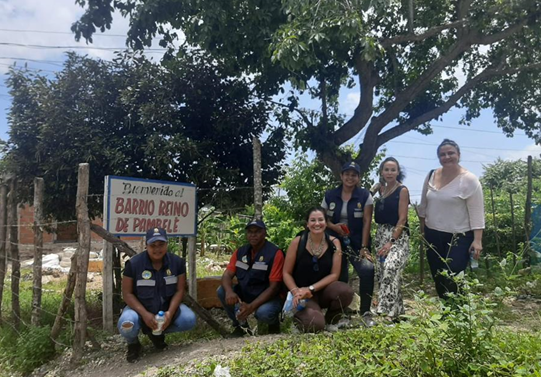
Law Professor Luz Nagle (second from right) visits with Fundación Dignitas to Barrio Reino de Palambé, Cartagena in August, 2022.
As part of a critical project sponsored jointly by the American Bar Association Rule of Law Initiative (ROLI) and USAID, Stetson Law Professor Luz Nagle spent part of her summer sharing her deep expertise about human trafficking and how to stop it in Colombia.
The USAID project Conectando Caminos por los Derechos/Connecting Paths for Human Rights (CCD) brought Nagle to Bogota and Cartagena to share recommendations and guidelines to help local, regional, and national officials and organizations combat human trafficking, a rampant problem globally that is particularly devastating in the region.
CCD is an entity that supports the transition between humanitarian aid and medium- and long-term development for Venezuelan migrants, Colombian returnees, and host communities in Colombia. It aims to foster cohesion and citizen security and ensure the rights of all members of society to live free from all forms of crime and violence, regardless of their legal status within the country.
Battling the scourge of exploitation
During her travels, Nagle met with some of the country’s most vulnerable populations and spoke to numerous media outlets about how government leaders can directly reduce the incidences of the human rights violations most common in Colombia as well as related crimes. These include labor and sexual exploitation, human trafficking, disappearance of individuals, and gender-based violence.
The populations that are most vulnerable to crimes of this nature include women, children, and members of the LGBTQ+ community.
An international law expert who has written and spoken extensively on how to prevent human trafficking, Nagle has worked with government agencies and non-government organizations alike to develop effective strategies for promoting human rights.
IN PHOTOS: Stetson Law Professor Luz Nagle’s August 2022 Colombia trip
LuzNagleBarriodePalambe4August2022
LuzNagleBarriodePalambe3August2022
LuzNagleFundacionDignitasAugust2022
LuzNagleLGBTQorgvisit2August2022
LuzNagleBogotaAGofficeAugust2022
LuzNagleBogotaworkshop1August2022
LuzNagleBogotaworkshop2August2022
LuzNagleLGBTQorgvisit1August2022
LuzNaglefaith-basedorgvisit2August2022
LuzNaglefaith-basedorgvisit1August2022
LuzNagleBogotaOmbudsmanoffice1August2022
In Colombia, such entities included Talitha Qum, a Cartagena nonprofit that helps girls and adolescents avoid trafficking and abuse, Corporacion Caribe Afirmativo, an entity that advocates for LGBTQ+ rights, the city of Cartagena government, and El Fiscal, the Colombia attorney general’s office.
Throughout her visit, she advised CCD and other organizations on how to sharpen their strategies for combatting trafficking in persons (TiP), participated in meetings with organizations that are fighting human trafficking in their area, gave a keynote address at an event on human trafficking, and spoke to members of the media about the issue.
Sharing insights on human trafficking
At the core of the problem, she has said, is corruption, which she calls “the grease that facilitates human trafficking” and should be looked at as part of investigations into such offenses. Because it is so profitable, money laundering is also often linked to human trafficking, Nagle said, which is why banks should use greater scrutiny to look for signs of it.
“It is the obligation of all institutions to know their customers and follow the money to determine if they are involved in human trafficking and money laundering,” Nagle said during a panel discussion. “We do it for trafficking in drugs, and we should do it to protect human beings.”
She added that any money laundered as part of a human trafficking operation should be confiscated and used to help victims of the crime.
Left to right: Logan Jackson, Ashley Adams, Selina Nadeau
In keeping with Stetson Law’s focus on experiential learning as well as its dedication to community service, the college is yet again taking part in a Community Foundation of Tampa Bay fellowship program that harnesses Stetson Law’s greatest asset, advocacy.
Through a partnership called the Alliance for Advocacy and Philanthropy, three Stetson Law students will spend the fall 2022 semester helping the nonprofit carry out its mission of fostering vibrance and prosperity for all who live in the Tampa Bay region.
The three students chosen for the semester are Ashley Adams, Logan Jackson, and Selina Nadeau. Each student brings the ideal combination of passion and advocacy skills to their new role.
Ashley Adams, 3L
Originally from the Tampa Bay area, Adams is pursuing a law degree with a social justice advocacy concentration. She is a graduate in the University of Florida who spent several years working in advertising in New York City and Austin, TX before being called back to higher education.
In her current studies, Adams is focused on the intersection of advocacy and philanthropy as well as putting holistic and community lawyering concepts to work to help people confront both legal and social challenges they face.
After she graduates, she said she hopes to start or work for a nonprofit – or work in the public defender’s office. Adams is married, and together she and her partner have two English Bulldogs, Elizabeth and Margaret.
Logan Jackson, 3L
As the new president of Stetson Law’s Black Law Students Association, Jackson is an active campus leader who is committed to racial and social justice.
During her time at Stetson Law, Jackson served as a fellow with the Florida Law Schools Consortium on Racial Justice, a coalition comprising faculty, staff, and students from every Florida law school that aims to foster important conversations about the role of race and racism in the legal system. In that role, she focused heavily on investigating the racial impact of legislation that has been enacted or rejected in the State of Florida.
She has also been a member of Stetson Law’s Mock Trial Team, which has helped shape her skills as an advocate – something that will be critical, given her aspiration to be a community advocate.
She said the experience will give her critical insights on how to best serve the populations she hopes to help.
“I wanted to learn better how to serve and access resources for the communities that I will soon be working in,” she said. “As I desire to be a servant leader, I must learn how to support and empower those in need through community philanthropy. I believe that this fellowship will help me do just that.”
Originally from St. Louis, Missouri, Jackson attended Loyola University New Orleans, where she earned a Bachelor’s in Sociology with a concentration in Social Justice and Inequalities with a minor in African and African American Studies.
Selina Nadeau, 3L
Raised in Texas, Nadeau is currently pursuing a J.D. with a concentration in environmental law. She is the current vice president of Stetson Law’s Environmental Law Society.
She said she plans to pursue a career as a litigator working on environmental justice issues.
In 2017, Nadeau earned her bachelor’s degree in journalism with a minor in political science pre-law and certificates in law, justice & culture and women’s studies from Ohio University. Before coming to Stetson Law, she served as an AmeriCorps Member in the Ohio Stream Restore Corps.
In her free time, she enjoys open-air activities like roller-skating and paddleboarding.
About the alliance
Through these paid fellowships, the students will get an up-close look at how community philanthropy works as well as what it’s like working with nonprofit organizations. The Alliance for Advocacy and Philanthropy was formed in 2019 as a means of solidifying CFTB’s and Stetson Law’s shared commitment to lifting the community by aligning Stetson Law’s powerful advocacy with CFTB’s philanthropic endeavors. Learn about the 2021 fellows.
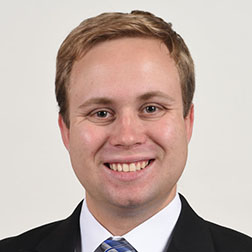
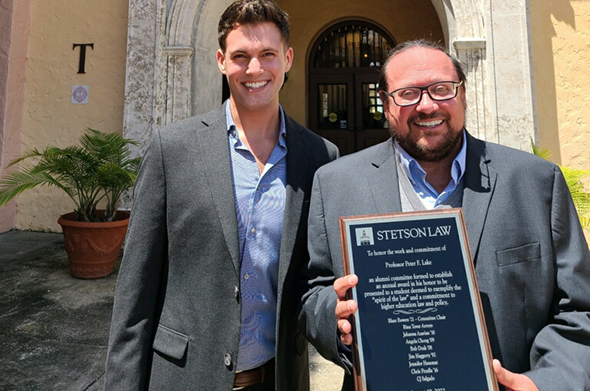
Left: Stetson Law alumnus Blaze Bowers; Right: Stetson Law Professor Peter Lake
A new annual award named for an influential Stetson Law professor will soon reward students who go above and beyond in the field of higher education law and policy.
On August 22, the Stetson Law community celebrated the full endowment of the award, the Peter F. Lake “Spirit of the Law” Endowed Annual Award, which they announced to Professor Lake, director of the college’s Center for Excellence in Higher Education Law & Policy, during a surprise reveal on Stetson Law’s Gulfport campus.
About the award
Each year, the award will be given to a graduating Stetson Law student who has dedicated time and service to the advancement of higher education law and policy and who has exemplified the “spirit of the law” by promoting development of character, competence, and access to the law.
The recipient of the award will be announced during Stetson Law’s annual Honors and Awards Ceremony, which typically takes place on the eve of spring commencement.
The new scholarship comes at a time of unprecedented challenges for colleges, universities, and other institutions and the legal questions they create for the industry, from political challenges to curriculum to the pandemic’s ongoing effects on mental health and learning.
“There has never been a time where the need for Stetson-trained higher education lawyers has been greater,” Lake said. “This award rewards students for exceptional commitment and achievement in the nation’s leading Center for higher education law and policy.”
Reflecting the Stetson Law community
Nearly a dozen alumni and other members of the community helped endow the award.
Among key contributors was alumnus Jim Haggerty, J.D. ’92, who has known and worked with Lake for many years. He said naming a scholarship after Lake is the perfect way to recognize his contributions.
“Professor Lake epitomizes everything that is good about Stetson Law – that unique combination of the academic and the practical,” Haggerty said of Lake. “He thinks about both what the law is and what it should be. His reputation in higher education circles is well-deserved.”
A national higher-ed thought leader
Every spring, Lake and his team host the National Conference on Law and Higher Education, a major event held on Clearwater Beach. It’s an event that draws stakeholders and decision-makers from across the country from all aspects of higher education, from campus safety officers to legal counsel to executive leadership. Lake often hosts webinars for national audiences of higher-ed industry members on emerging topics like changes to Title IX, and frequently speaks to local and national media outlets on the many challenges facing the sector, such as how campus health centers in some states will adjust to a post-Roe world.
“He sees the whole playing field when it comes to the issues facing higher education, be they legal, law enforcement or public perception-related,” Haggerty, who has collaborated with Lake on the conference over the last several years, said. “He is not just a friend and colleague in these thought-leading exercises, but also a mentor, leading everyone in the process towards asking the right questions before thinking about answers.”
Stetson Law alumnus Blaze Bowers, J.D. ’21, who helped coordinate the new award, called it “an honor to organize this for one of my closest friends and dearest mentors.”
Interested members of the Stetson Law community can contribute a gift to this fund by visiting the Stetson Law donation page and specifying that they’d like to give to the Peter F. Lake Award.
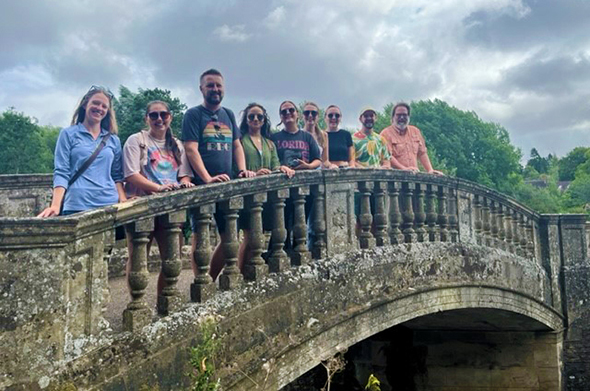
Between their studies, students taking part in the study abroad program in Oxford, England had plenty of time to explore.
After two years of COVID-19-related travel limitations, two popular summer study abroad programs returned to Stetson Law. The courses brought globe-trotting students and faculty to Oxford, England and The Hague, Netherlands for immersive experiences with a sharp focus on key aspects of international law.
The intensive sessions were complemented by generous amounts of time to explore the surrounding areas, their incredible history, and their vibrant cultures. Students came away from the experience with new perspectives and renewed enthusiasm for their study of the law.
Advocacy in Oxford
For two weeks in July, a group of students from Stetson Law and other institutions gathered in the U.K. to explore advocacy through theory, practice, and collaboration, and examine the similarities and differences between legal systems. Students were also exposed to the fundamental tenets of comprehensive case theory development, advanced witness examination, and persuasive storytelling.
Stetson Law professors Elizabeth Boals, Roberta Flowers, and Stephanie Vaughan were part of the team of instructors that led the course. Boals said one experience that stood out to her was Professor Rafe Foreman’s creative storytelling exercise, which involved a student trying to make a case in a language nobody understood, thus having to rely on gestures, vocal tones, and facial expressions to get her point across.
The lesson aimed to show students how understanding and conveying underlying emotions in a particular case is critical to persuasive storytelling – something many students struggled with at first, but eventually began to grasp.
Students and faculty took time to see the sights in Oxford.
“It was thrilling to see how far they progressed in their storytelling techniques during their closing arguments at the end of the course,” Boals said. “Their stories were persuasive, rich, compelling, and steeped in emotion.”
When they weren’t studying, participants explored the historic campus and surrounding environs, snapping photos of the incredible architecture and other unique sights.
Stetson Law student Greg Mueller, who participated in the program said his favorite part about the Oxford program was connecting with students and faculty from both Stetson Law and their across-the-pond counterparts.
“It was fun to be abroad and to experience so many amazing things that I had only heard or read about, but the best part of the experience for me was being surrounded by teachers and peers that made seeing those things so much fun,” he said. “From sightseeing together to just chatting over a pint, we became a close-knit group in a matter of days. I learned so much from my incredibly talented teachers, but what surprised me was how much I learned from my friends.”
Part-time Stetson Law student Tyler Vansant said he loved being able to build the experience into an unforgettable summer getaway with his family.
“It was wonderful to bring my wife and sons along for the trip; they got to explore many other parts of the UK and we still had plenty of family time on several evenings and during the weekend,” he said. “Also, being able to study in an environment so steeped in rich academic history like Oxford was very intriguing.”
To Professor Boals, it was an engaging, collaborative experience that proved invigorating.
“It was amazing to offer this intensive hands-on experience in such a historic and inspiring location,” Boals said. “The students and faculty alike were hungry to explore and engage and interact with colleagues. It was a wonderful experience and reminded me why I do this work.”
International Justice in The Hague
Also in July, Stetson Law was part of a program that gave students a front-row seat to international courts and tribunals in The Hague, one of the Netherlands’ two capitals.
Known as the International City of Peace and Justice, The Hague has played an integral role in diplomacy and international affairs since the late 19th Century. This past March, world leaders convened there to participate in the Nuclear Security Summit on the prevention of nuclear terrorism around the globe.
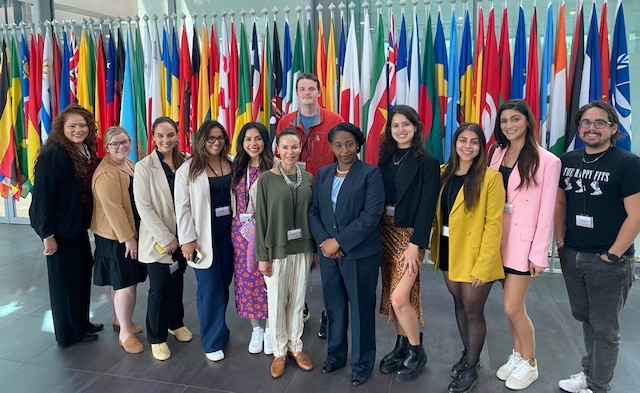
Law Professor Luz Nagle (sixth from left) led an important course on violence against women in The Hague in summer of 2022.
The program consisted of four weeklong courses: Indigenous Peoples in International Courts, Freedom of Expression: Modern Challenges and Comparative Perspectives, Comparative Transnational Criminal Procedure, and Violence Against Women: Armed Conflict, Exploitation and Subjugation. The course covering violence against women was led by Stetson Law Professor Luz Nagle. Law Professor Jim Sheehan served as the program’s Residential Director.
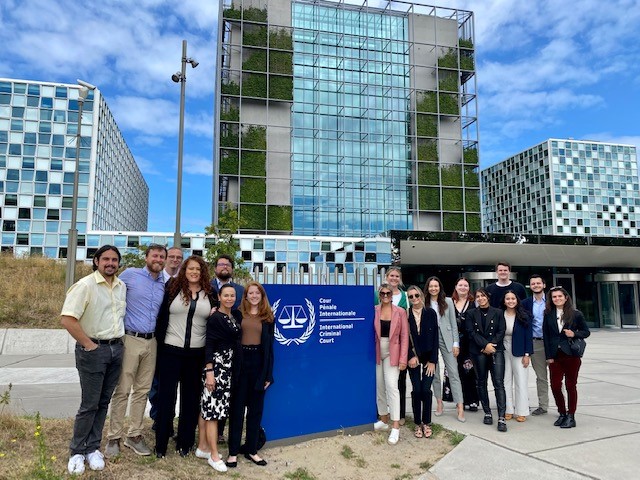
Students found the summer 2022 study abroad experience in The Hague, Netherlands, enlightening.
To students, it was an eye-opening experience.
For 2L Sondos Hassan, it was an opportunity to compare legal systems while learning to understand and appreciate the overlapping nature of American law and other legal bodies. It was a great way to stay productive over the summer, she said, adding that her favorite part of the program was visiting the International Criminal Court and the International Court of Justice.
“Seeing the collective attempt to create a center for the enforcement of human rights on an international level was both inspiring and humbling as we got to witness the challenges to those aspirations, such as jurisdictional issues, and also the philosophical ideations of what level human rights should be relative on an international scale,” Hassan said.
Professor Nagle said The Hague, a place where crimes against humanity are addressed at the international level, provided the right backdrop to tackle the difficult topic she was teaching on, violence against women, because it took the matter out of the abstract.
“I will like to believe that all the students learned something about violence against women that was previously abstract or remote,” Nagle said “By taking such a course, some of the students will remember the topics and know how to look for signs of violence in future clients or understand the root causes and impacts in the civil society in which they will be practicing lawyers.”
As for the overall experience, she said it was liberating for everyone.
“It was wonderful to see students engaging in the travel experience, and they took full advantage. Many visited other cities and nearby countries during their weekends and before and after the program,” she said. “As for the teaching experience, it felt great to teach “live” somewhere other than on campus. The change of environment was good for my motivation and great for the students.”
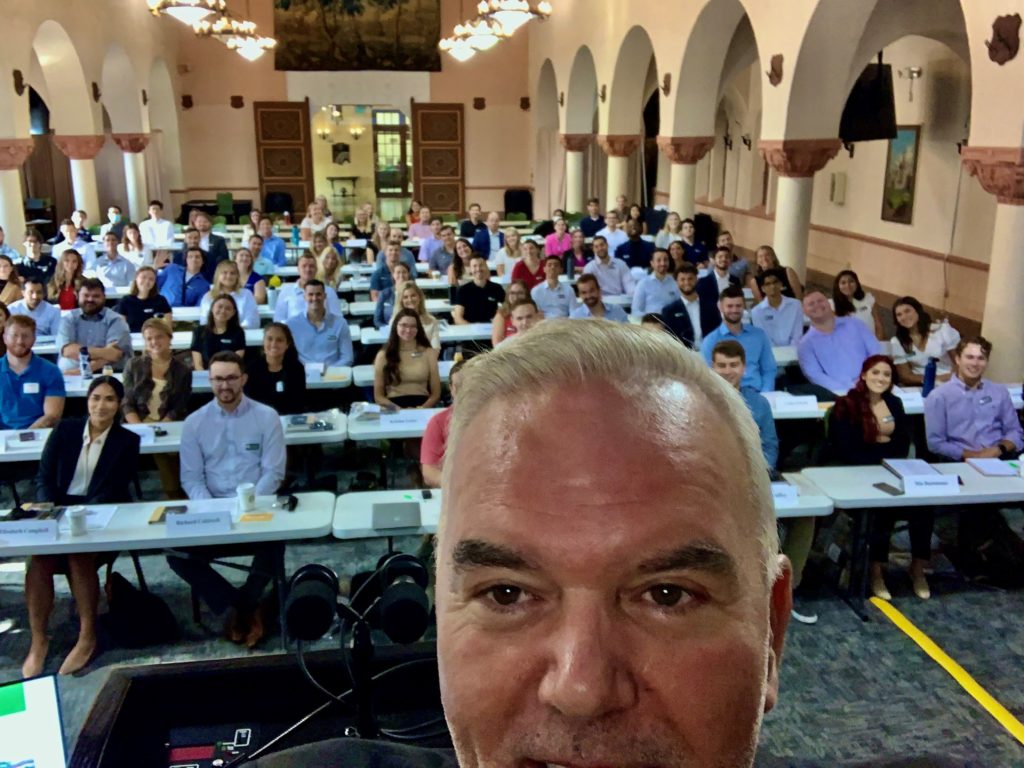
Darren Kettles, Director of Admissions at Stetson Law, takes a selfie with the fall 2022 incoming class during the new student orientation.
In the week ahead of the start of the 2022 fall semester, the Stetson Law community welcomed its newest members, 306 first-year students in all, to campus for a lively orientation. Faculty and staff sought to show the students, who are both part- and full-time, the opportunities that await them as well as the resources available to help ensure their success in law school and beyond.
Events took place in the Great Hall and Mann Lounge on the Gulfport campus. The students came from a diverse range of backgrounds and represented nearly 30 states and half a dozen countries.
Here are some more stats for Stetson Law’s incoming class.
28% racial/ethnic diversity
28 states outside Florida represented
6 non-U.S. countries represented
Median LSAT: 158
Median GPA: 3.51
The Stetson Law community looks forward to a vibrant academic year, which begins on August 22. See more Stetson Law news & stories.
Three Stetson Law alumni have recently been appointed judges in Tampa Bay area courtrooms.
In a single day, three Stetson Law graduates got well-deserved promotions to key judgeships in Tampa Bay area courtrooms. On August 5, the office of Florida Governor Ron DeSantis announced the appointment of the three alums to benches in Hillsborough and Hernando counties, which adds to the ever-growing number of important roles Stetson alums hold in courtrooms, legislatures, and other critical areas.
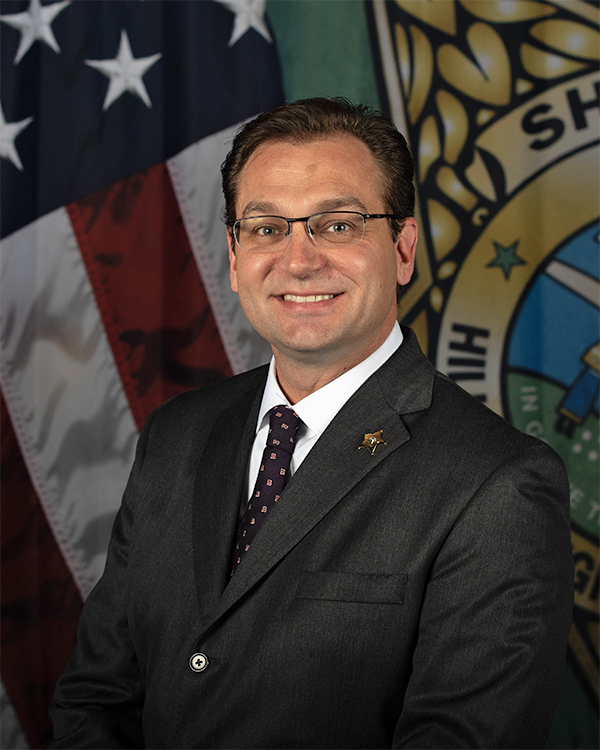
Marc Makholm, Hillsborough County Court
Stetson Law alumus The Hon. Marc Makholm
After years working in both private practice and public service, Makholm was appointed to the bench in Hillsborough County to fill the vacancy left by Judge James Moody III. For the prior 11 years, Makholm served as general counsel to the Hillsborough County Sheriff’s Office. While working as a criminal defense attorney in Tampa, The Tampa Bay Timesprofiled him in 2010. He received his B.A. from the University of Florida and his J.D. from Stetson Law. The Hillsborough Clerk of the Circuit Court is headquartered in downtown Tampa, with satellite locations in Brandon and Plant City.
Stetson Law alumna The Hon. Cynthia Oster
Cynthia Oster, Thirteenth Judicial Circuit Court
Following four years of service as a Hillsborough County court judge, Oster was appointed to the bench in Florida’s Thirteenth Judicial Circuit, which covers Hillsborough County. Prior to becoming a judge, she spent 18 years as a senior county attorney in the Hillsborough County Attorney’s office. She earned her bachelor’s from the University of Florida and her J.D. from Stetson Law. Her appointment fills the vacancy left by the departure of Judge Emmett Battles.
Barbara-Jo Bell, Hernando County Court
A native of Spring Hill, Bell has been working as an assistant state attorney in Florida’s Fifth Judicial Circuit for a year. Prior to that, she spent years as an assistant public defender. She earned her undergraduate degree from the University of Tampa and her J.D. from Stetson Law. Her appointment fills the vacancy left in the wake of the departure of Judge Kristen Healis. The Hernando County Clerk of the Circuit Court has a headquarters in Brooksville and has a second location in Spring Hill.
More recent Stetson Law alums-turned-judges
Graduates of Stetson Law aren’t just earning judicial appointments in the Tampa Bay area. Recent notable bench appointments for alums include Natasha R. Shaw, who was appointed to a newly established judgeship in Hawaii’s District Family Court in March of 2022. In August 2022, Alumnus Christian Towns was appointed a judge in the San Bernardino County Superior Court.
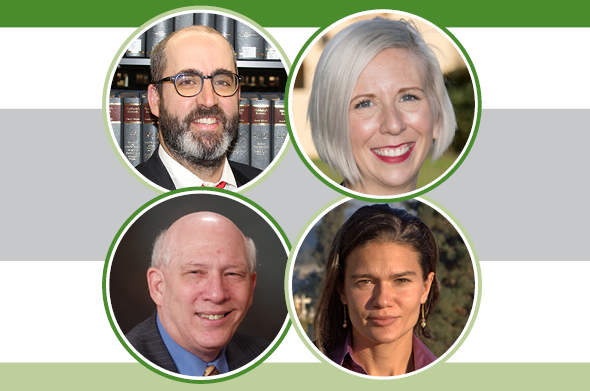
Clockwise from top left: Assistant Professor of Law William Bunting, Assistant Professor of Law Ashley Krenelka Chase, Visiting Professor of Law William Henning, Assistant Professor of Law Jaclyn Lopez
The start of every academic year at Stetson Law represents new beginnings in more ways than one. For new and returning students, it’s a time to set goals and intentions. For returning faculty, it’s a time to plan what they hope will be transformative lessons for students.
For those about to set foot on campus as new professors of law, it’s a time to delve into the Stetson Law community’s warm, welcoming, and hardworking culture. The 2022 fall semester kicks off such experiences for three new faculty members as well as one new visiting professor of law.
“As a fresh academic year begins, I am thrilled to welcome our new and visiting faculty to campus,” said Interim Dean Theresa Pulley Radwan. “I look forward to the ways in which they will enrich our community.”
Each will bring unique, invaluable knowledge and experience to class at Stetson Law. Here is some background on each of the individuals the college proudly welcomes to campus:
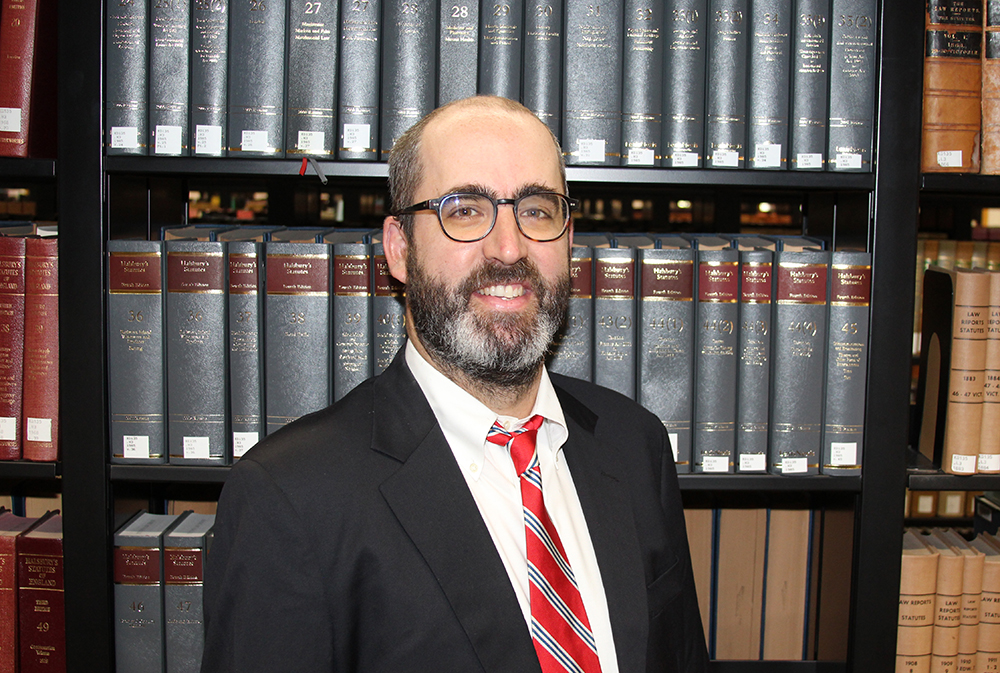
William Bunting,Assistant Professor of Law
Stetson Law Professor William Bunting
With a strong background in business law’s complex relationship with civil rights and economics, Bunting joins Stetson’s Law faculty from Temple University’s Fox School of Business, where he taught and conducted research as part of the Department of Legal Studies in Business.
Before academia, he worked as an economist in the U.S. Department of Justice’s Civil Rights Division, where he developed models and other tools to help the agency better serve consumers, served in the American Civil Liberties Union’s Center for Justice, was a practicing attorney in New York City, and worked as a law clerk for The Hon. Theodore H. Katz, a federal judge in the Southern District of New York.
Bunting holds a Ph.D. in economics from Yale University, a J.D. from New York University School of Law, and a B.A. in mathematics and economics from Carleton College.
Ashley Krenelka Chase, Assistant Professor of Law
Stetson Law Professor Ashley Chase
While she is not new to campus, Chase’s exciting new role as full-time faculty is just beginning.
An influential force in promoting “electronic-first” research methods, Professor Ashley Chase has worn a lot of hats in her years at Stetson Law. Most recently, she served as associate director of the Dolly & Homer Hand Law Library, where she helped plan, develop, and evaluate reference and circulation initiatives and activities.
She became an instructor of law at Stetson in 2015; classes she taught have included an advanced legal research course developed with Digital-Age law students in mind. The American Association of Law Libraries named her an Emerging Leader in 2017.
She earned her J.D. from the University of Dayton School of Law as well as a M.A. in Library and Information Science from University of South Florida and a B.A. in English from Bradley University.
William Henning,Visiting Professor of Law
Visiting Professor of Law William Henning
An expert in the Uniform Commercial Code, Henning has a passion for reforming commercial laws to better reflect the needs of people. He visits Stetson Law from Texas A&M University School of Law, where he taught Contracts, Sales & Leases of Goods, Secured Transactions, and other courses. He has been a law professor for over four decades; his teaching experience also includes the University of Missouri Columbia School of Law and the University of Alabama School of Law.
Henning is a life member of the Uniform Law Commission and a member of the American Law Institute. He received his B.A. from the University of Tennessee-Chattanooga, his J.D. from the University of Tennessee College of Law, and an LL.M. from the University of Illinois College of Law.
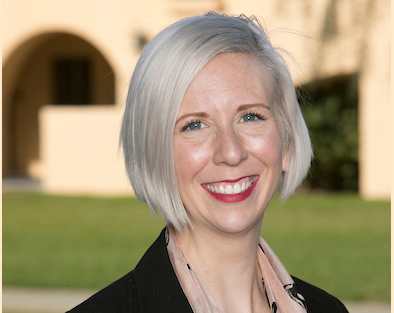
Jaclyn Lopez, Assistant Professor of Law
Stetson Law Professor Jaclyn Lopez
A Florida native with a passion for conserving the state’s wildlife and natural spaces, Lopez comes to Stetson Law from the Center for Biological Diversity, where she served as the environmental nonprofit’s Florida Director and senior attorney. She holds an LL.M. in environmental and land-use law from the University of Florida and a J.D. from the University of Denver Sturm College of Law. She also holds a master’s degree in urban planning from the University of Arizona.
While at the Center for Biological Diversity, Lopez’s work involved advocating for protection of ecosystems in the Caribbean and the Southeast U.S. She has written, taught, and presented extensively on environmental topics, including at Stetson Law. Lopez presented on red tide in Florida waterways in August of 2021 as part of the Edward and Bonnie Foreman Biodiversity Lecture Series. In January of 2017, she spoke about the hazards of Florida’s phosphate industry as part of the series, and in April of 2016, she presented at the 16th International Wildlife Law Conference on “The Miraculous Life of a Sea Turtle.” She also served as a final-round judge for the 2020 International Environmental Moot Court Competition.