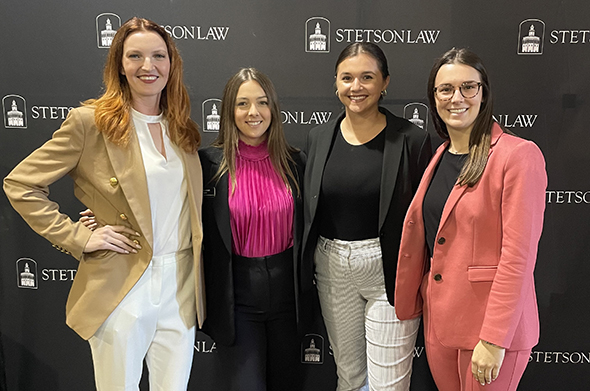
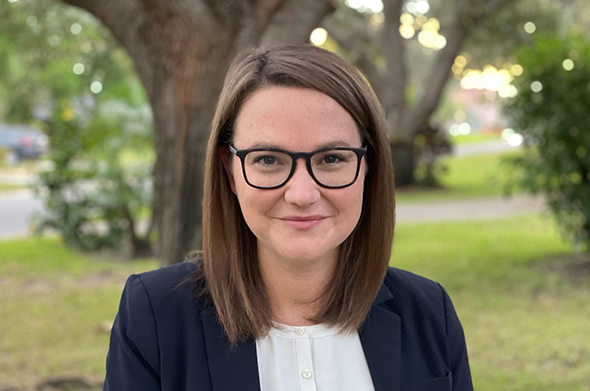
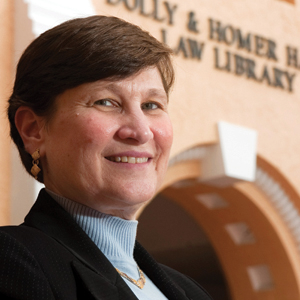
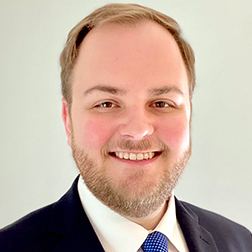
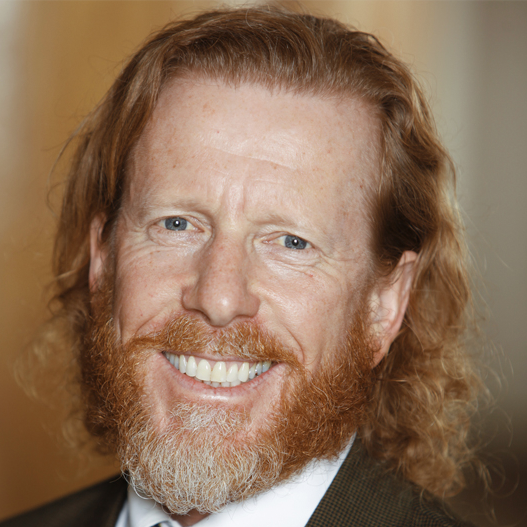
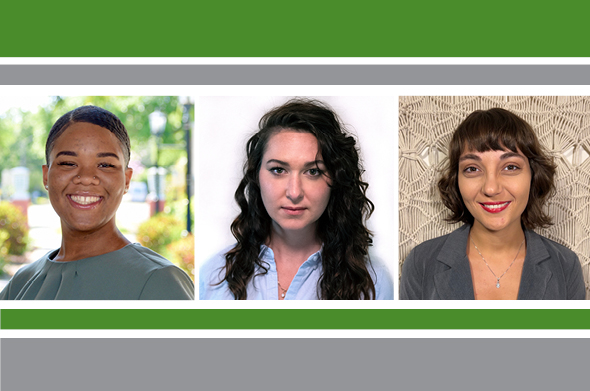
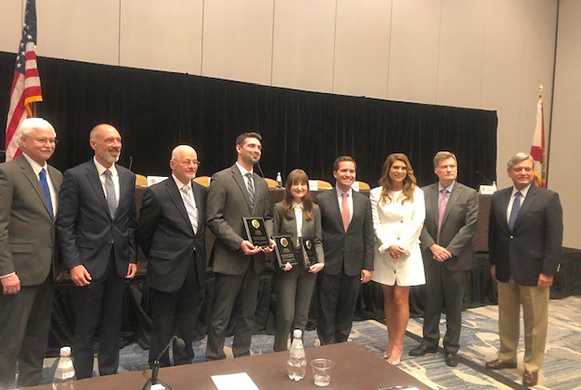
Left to right: Avery Sherrer, Savannah Green, Madison Hanna, Lauren Johansen
Over the last year, there’s been a lot of activity within the Florida Association for Women Lawyers at Stetson (FAWLS), the college of law’s chapter of the Florida Association of Women Lawyers (FAWL). Organization leadership at the state level have taken notice.
Citing the chapter’s effective strategies for growing and engaging membership, encouraging members to become leaders, and involvement with the surrounding community, FAWL has recognized its Stetson Law chapter with the 2023 Outstanding Student Chapter Award.
The Outstanding Student Chapter Award aims to recognize a Student Chapter that has been particularly active both in its local community and in the state FAWL organization.
“Your Chapter has developed innovative ways to build its membership, including by providing programs and services which specifically encourage and assist members to become leaders in the profession and in the community,” said FAWL President Donna Eng, Esq. in a letter congratulating the group. “We recognize how much work chapter leadership has put into these efforts, and we thank you for the investment you have made in the organization.”
Sustained efforts to promote women in law
This award focused on FAWLS’ extensive events, membership, and pro bono activities from the past year, including the group’s annual Women’s Week programming.
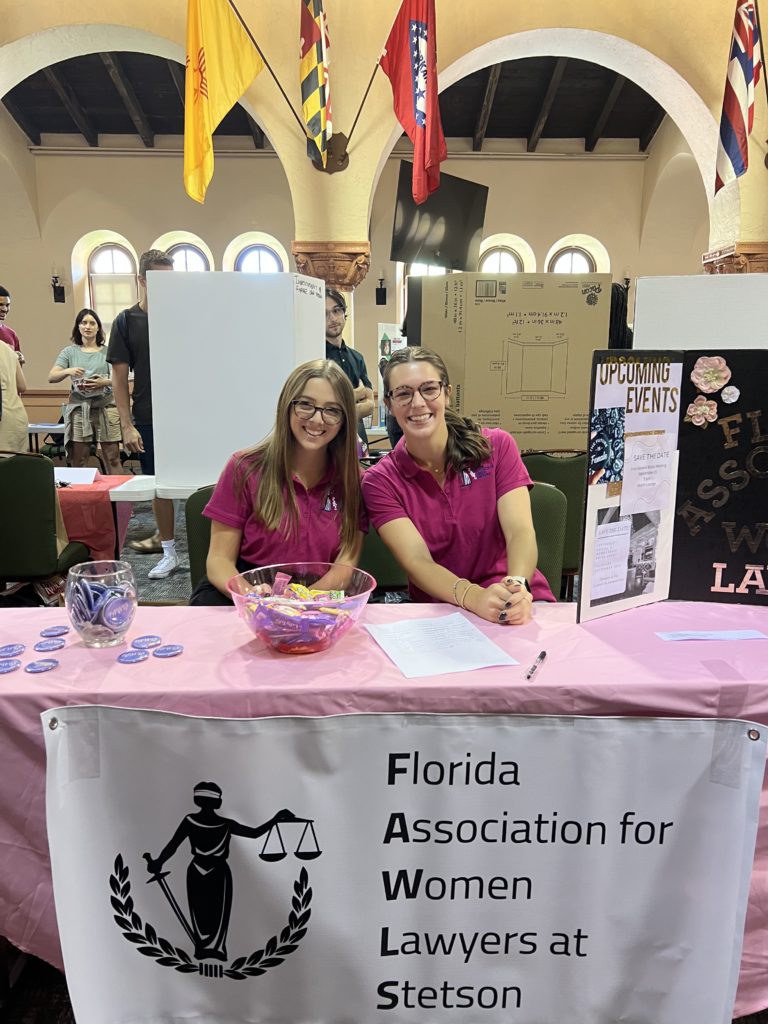
FAWLS President Savannah Green and Pro Bono Chair Lauren Johnson tabling at an event.
Other activities involve partnering with the Pinellas Florida Association for Women Lawyers, Southeastern Women in Financial Services, the Office of Diversity, Collaboration and Inclusion at Stetson, and multiple Stetson Law student organizations to hold events for our members. These collaborations have helped FAWLS’ actively promote gender equality and leadership roles in the legal profession through networking events, informative panels, professional development opportunities, and empowerment activities for students at Stetson.
“Coming in as FAWLS President, I had a focus on increasing membership and expanding our collaboration both on and off campus,” said FAWLS President Savannah Green. “I am so proud that FAWLS has successfully done both over the past year! I am very grateful to have an incredible executive board and passionate members who support one another and exemplify what it means to be strong women leaders.”
FAWLS’ executive board consists of: Green (president), Vice President/Treasurer Cara Zimmerman, Secretary Madison Hanna, Chapter Representative Avery Sherrer, and Pro Bono Chair: Lauren Johansen.
Recognition at the Florida Bar convention
As a recipient the award, the chapter will receive a $250 prize. The check, along with a certificate recognizing the achievement, will be presented at FAWL’s Awards & Installation Celebration in June during The Florida Bar’s annual convention.
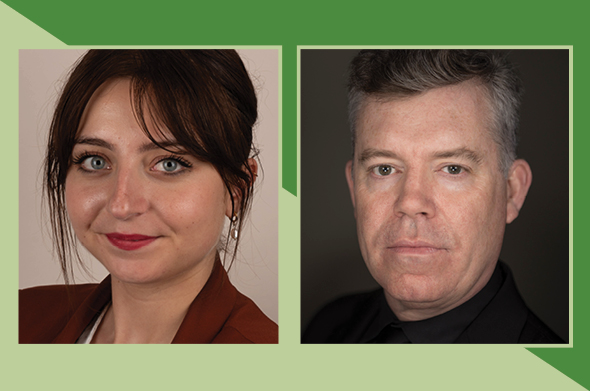
Left: Flore Foulon. Right: Visiting Law Professor James Hart.
A visiting professor and a recent alumna spent much of the summer developing a sharp piece of analysis on one of the biggest U.S. Supreme Court decisions in recent memory.
The article’s title is A Comparative Law Guide to a post-Dobbs America and it is set to be published in the Cardozo Journal of Social Justice and Equal Rights. Looking at how civil law and common law can create differing outcomes when it comes to abortion rights, it is currently in the editing process.
Even prior to the leaked draft Supreme Court opinion that preceded the decision itself, then-student Flore Foulon spoke with Visiting Law Professor James Hart during his office hours near the end of the Spring 2022 semester. She had expressed an interest in writing a paper about abortion and bodily autonomy through a comparative law lens.
Foulon, who has studied law in three countries, said what inspired her to pursue the article was “the fascinating legal framework in different jurisdictions.”
“Writing an article using comparative law to delineate possible outcomes seemed the most logical approach following my education,” she said. “I am passionate about comparative law and this article is a good illustration of inspirations one can derive from it.”
Hart said he co-authored his first post-law-school article with his Constitutional Law professor at University of Denver Sturm College of Law, Jan Laitos, which made collaborating with a student even more meaningful for him.
Collaborating from afar
Working over the summer – Hart from his home in Denver, where he is finishing his career as a violinist with the Colorado Symphony, and Foulon from Paris (“utterly unfair!” Hart jokes), the two split their analysis down the middle. Foulon, who has a deep understanding of civil law, took on that portion while Hart covered the common law side.
As the Dobbs decision came down, a side-by-side look at how civil and common law determine the extent of abortion rights and access to reproductive care made the most sense to the pair. Hart explains that the main difference between the two systems is that in common law systems, it is the judiciary that makes law through legal outcomes that create precedents, which guide future case outcomes. Civil law systems, meanwhile, involve a legislative body that creates policy through statutes and other measures.
Comparing the two systems as they relate to the current abortion-rights landscape made sense.
“I felt that the comparative law angle was especially relevant, as once the Dobbs decision came out, the field of battle had shifted from the Court(s) to the Congress and state legislatures,” Hart said. “This made civil law legal systems instantly more relevant to a post-Dobbs America.”
Meaningful mentorship
Foulon said it feels surreal to be published for the first time, and that she greatly appreciates the opportunity.
“Being an international student, I often suffered a little from the imposter syndrome. However, it feels extremely gratifying to see my work being published,” she said. “I have a genuine passion for law and research and being published for the first time feels like the consecration of this passion. I am extremely grateful for Professor Hart to have written this article with me as it exceeded all the expectations for the article I had in mind when I first walked into his office.”
Of his former student, Hart said Foulon’s research and writing were extraordinary and that it reminded him of his collaboration with Professor Laitos. It was interesting to be on the other side of the mentor-mentee dynamic, he said – and that he couldn’t have picked a better mentee.
“One of the most meaningful aspects of being a law professor is watching your students become your colleagues as the years pass. I was so pleased that this collaboration worked out,” he said. “There is a wonderful Latin phrase, Docendo Discimus; to teach is to learn. That sums up my collaboration with Flore better than anything I could say.”
Hart will be returning to Stetson Law in January to teach Constitutional Law and a related seminar over the Spring 2023 semester.
Fresh from winning a prestigious award at the Tampa Hispanic Bar Association’s Scholarship Gala, Francesca Little isn’t resting on her laurels.
The Stetson Law 3L is busy with events like a Thanksgiving GIVEBACK initiative to collect donations for refugees, a project on which she is collaborating with Gulf Coast Jewish & Family Community Services (GCJFCS). It is underway November 28 through December 2.
It’s easy to see why she stood out to THBA officials seeking to honor a law student whose efforts to provide legal services for the Hispanic/Latinx community have proven exemplary. Through her extensive volunteer work as well as her work as social media manager for immigration law firm Dubrule & Nowel, PLLC, she has sought to advocate for the region’s Hispanic/Latinx and refugee communities. It’s a community with which she deeply identifies; Little is the daughter of Venezuelan migrants who brought her to the U.S. when she was a child.
“Francesca is a zealous advocate on behalf of her clients and remains optimistic in even the most complex cases,” said Chelsea Nowel, owner and co-founder of Dubrule & Nowel. “She always has a positive attitude and is fully engaged with them, even through long sessions of writing declarations and gathering evidence.
Representing dedication to service
The scholarship with which TBHA honored Little is called the Victoria Cruz-Garcia award. Its namesake is a 2003 Stetson Law alum who practices with Solomon Law Group, a Tampa-based business and family law firm.
“To me, it represents someone passionate who is dedicated to promoting positive changes for our Hispanic/Latinx community,” Little said of the award. “As such, receiving this particular award before I graduate next year, I felt lucky that all my hard work throughout my time at Stetson Law was recognized as helping to benefit my community.”
Making a real difference
As president of both Stetson Law’s Hispanic Bar Association (HBA) and Immigration Law Student Association (ILSA), she has sought to grow both organizations and get them more deeply involved with important community causes. Collaboration – both within these groups and with other organizations – has been her focus.
She recently coordinated the school’s first Hispanic/Latinx Heritage Month Celebration at Stetson Law’s Tampa Campus, an event that fostered networking between current Stetson Law students, alumni, THBA members, and local judges.
Little also helped coordinate the start of “Spanish-speaking Client Help Days” with Bay Area Legal services, which she hopes will allow more of her Hispanic/Latinx community members to have access to legal aid resources. She recently facilitated a “TPS Talk” event on campus with an immigration attorney who spoke to students about the process of Temporary Protected Status (TPS) in the immigration arena and how they can help others apply.
Whenever HBA or ILSA holds an event involving food, Little said, she seeks out Hispanic/Latinx-owned businesses to provide food and drink.
Interested in contributing to the Thanksgiving GIVEBACK? Stetson law students can earn up to three non-legal pro bono hours by bringing non-perishable food items and hygiene products to the Gulfport campus library November 28 through December 2. Three donated items constitute one pro bono hour.
Each year, the Women’s White Collar Defense Association® (WWCDA) recognizes individuals and groups whose work impacts white collar law while serving to elevate women in the practice, from late-career pioneers to law students who show promise in the law. This year, the international nonprofit has chosen Stetson Law student Nancy Eriksen the recipient of the Justice Ruth Bader Ginsburg Outstanding Law Student Award.
Stetson Law Professor Ellen Podgor nominated her for the award, for which she was chosen from an international pool of contenders. This fall, Eriksen will travel to Washington, DC to accept the award on November 29 at the annual WWCDA Awards Gala, where she will have the opportunity to connect with women who are leaders in the field.
“I am thrilled and honored to receive this award, and I am so thankful to Professor Podgor for nominating me,” Eriksen said. “I am particularly pleased that as this year’s recipient, I will have the opportunity to be mentored by a member of the Women’s White Collar Defense Association. I appreciate the WWCDA’s enthusiasm for encouraging the next generation of criminal defense attorneys.”
Honoring a trailblazer
Now in its second year and in honor of the late Justice Ginsburg, the award is given to a female law student in the final year of her legal education who demonstrates unwavering dedication to justice for all, an exceptionally strong work ethic, a commitment to perseverance, and other qualities for which Justice Ginsburg was known. The award was created in the wake of her 2020 death.
A 3L who came to Stetson Law after graduating from Tufts University with a B.A. in political science and anthropology, Eriksen spent six years as an officer in the U.S. Air Force and the U.S. Air Force Reserve. She is a mother of three who participates heavily in campus activities, including as an editor of the Stetson Law Review and Moot Court Board.
“We honor Justice Ginsburg because she was the ultimate trailblazer – none of us would be where we are in the practice of law had she not accomplished all that she did for us,” said Karen Popp, WWDCA’s global chair and co-founder. “Recognizing a female law student like Nancy Eriksen, who reflects Justice Ginsburg’s commitment to hard work and service to others , is also intended to pay tribute to one of the most consequential women the legal profession has ever known.”
Founded in 1999 – when there were only a few women working in the field – WWCDA currently has 45 chapters with 3000 members throughout the world. WWCDA strives to bring more diversity to the white collar defense space, connecting women in private practice with information, resources, and opportunities while celebrating those whose pioneering work helped open the area of practice to women. WWCDA has a number of initiatives to help advance women in the field. The Awards Program is a way to honor those who have helped women and to recognize the women who are the future of the practice. Popp said it is also part of the organization’s mission to connect with women still in law school through the Justice Ginsburg award and to offer them mentoring opportunities as they begin their practice.
Generations of passionate advocacy
To Podgor, who is Stetson Law’s Gary R. Trombley Family White-Collar Crime Research Professor of Law, the award is well-deserved recognition of a student whose exceptional ability to balance the pressures of multiple roles reflects Justice Ginsburg’s legacy. The fact that this is only the second award of its kind to be given should also be a point of pride, she said.
“Ruth Bader Ginsburg is surely looking down and smiling knowing that Nancy Eriksen is receiving an award in her name,” said Podgor. “Like Justice Ginsburg, Ms. Eriksen has juggled it all: family, service to our country, and law school. Importantly, she makes Stetson Law School proud being only the second law student to receive this prestigious award.”
Law Professor Ellen S. Podgor
The gala will take place in Washington, DC on November 29 and will be emceed by former U.S. Attorney General Loretta Lynch, who is now a partner with the firm Paul, Weiss. Eriksen will attend to accept her award; Podgor plans to speak at the event.
“We are thrilled that Professor Podgor will be speaking at the WWCDA Awards Dinner Gala this year. Her work in white collar crime – in the courtroom and through her scholarly contributions – have helped shape this ever-evolving area of law,” Popp said. “Her life’s work, along with her passion for helping women pursue careers in this space exemplify this organization’s mission and values.”
The event is open to the public with members of the white-collar defense and greater legal community in attendance. Single tickets and tables of eight are now available; those who are interested are encouraged to reserve early to ensure their spot. Learn more about WWDCA and find details about the 2022 Awards Gala.
Despite hard-fought gains in social and economic justice over the years, not all sectors appear to be delivering progress for Black Americans.
One such area, writes Stetson Law student Kyle Ridgeway in a recent paper, is agriculture, where instead of growing or maintaining a presence reflective of the overall population, Black farm ownership has dropped drastically. While Black farmers once represented 14 percent of farm owners in the U.S., he notes, that number has plummeted to just two percent.
Ridgeway’s paper, which he originally wrote for Law Professor Lance Long’s Food Law & Policy course, explores the possible reasons for this decline and why it’s critical for the federal government to address it. The paper was recently selected for publication by the UC Davis Social Justice Law Review.
Kyle Ridgeway, ’23
Ridgeway said a key culprit is unfair distribution of federal funding for farmers, both by way of federally backed farm loans and national farm subsidies.
“This decline is fundamentally connected to the well documented history of discriminatory lending practices by the United States Department of Agriculture, and as such is a national issue that demands a federal response and remedy,” Ridgeway, who is a member of Stetson Law’s Social Justice Advocacy concentration program, said.
Rare insight, pervasive problem
The disparity remains, Ridgeway writes, despite numerous past attempts to remedy the long history of discriminatory lending practices by the USDA and to stop the decline. Most recently, the American Rescue Plan Act (ARPA) attempted to provide a remedy to all socially disadvantaged farmers and ranchers – but white operators have fought to stall the progression of debt cancellation under the ARPA through legal action.
Long said this topic, though unexplored, is incredibly timely – and Ridgeway did such a good job with it that he encouraged him to seek to have it published in a law review. Though student contributions to such publications are uncommon, three law journals accepted the paper. Ridgeway went with UC Davis, a law school with a lauded social justice advocacy program.
Stetson Law Professor Lance Long
“It is significant that a prestigious journal from a top social justice law school (and two other law reviews) offered to publish his article because, generally, articles from student authors are not sought and published in such journals,” Long said.
Ridgeway said he couldn’t have done it without Law Professor Ellen Podgor, who helped him navigate the process of submitting a paper for publication.
“Being published as a law student is a great honor,” Ridgeway said. “I want to thank Professor Podgor for her help through the entire publication submission process. She was instrumental in my success.”
A reflection of Social Justice Advocacy at Stetson Law
Stetson Law Professor Judith Scully
As part of Stetson Law’s Social Justice Advocacy (SJA) concentration, Ridgeway and his classmates are encouraged to apply the legal skills they’re cultivating in ways that can help foster a more equitable society. The program was designed to provide students with the support, mentorship, and curriculum to advance research and activism in a way that will shed light on inequities in our society while promoting meaningful change.
“Kyle Ridgeway’s work focusing on Black farmers, represents the type of research that SJA students at Stetson are doing every day,” said Law Professor Judith Scully, a founder of the program. “Their goal is to bring attention to issues of injustice and participate in the development of solutions. I am so proud of Kyle and our entire SJA community.”
From an applicant pool featuring numerous contenders, Buffalo, New York-based firm Milestone chose Stetson Law 3L Savannah Green as the recipient of its 2022 Trial LawHER Scholarship, an award of $10,000.
Milestone holds the annual competition to empower women who aspire to be plaintiff trial lawyers while increasing awareness in the area of settlement planning. The competition attracts applications from female law students across the country. The application process includes an essay and a video portion – and to those who reviewed the applications, Green’s submission dramatically stood out.
“Savannah’s grasp on the scope and magnitude of settlement planning truly stood out among the applications we received,” said Amy Fogle, CEO of Milestone and member of the scholarship selection committee. “It’s encouraging to see the next generation of trial lawyers embracing this crucial step in the civil justice process.”
An active presence on campus
Green, who is originally from Pensacola, is incredibly involved on campus at Stetson Law. She is president of the Florida Association of Women Lawyers at Stetson (FAWLS) and serves as editor of the Stetson Journal of Advocacy and the Law. In the classroom, she stands out as a student who is quick to grasp the principles that will form the foundation of her practice.
Green was in Law Professor Elizabeth Boals’ Evidence class last fall and is currently in Boals’ Evidentiary Foundations class. Boals said she excels in her understanding of her chosen area of study.
“Savannah is an excellent advocate who has demonstrated her mastery of procedural and substantive law in class after class,” Boals said. “She is poised, organized and passionate in her courtroom advocacy – so it’s no wonder she stood out among a national pool of applicants.”
Passion & diligence pays off
Over the summer, Green said she spent extensive time learning about the settlement process of civil litigation. She was able to use that experience and research in her scholarship essay and accompanying video. Her submission featured elements at the core of the award’s purpose: well-focused research and a demonstration of passion behind the subject at hand.
“I am incredibly honored and grateful to have been chosen for the 2022 Milestone Trial LawHER Scholarship,” said Green. “I am proud to play a role in promoting education around female empowerment in the legal field and the importance of settlement planning in the civil justice system, especially as an eager future plaintiff’s attorney.”
After she graduates in spring, Green plans to work at Pensacola-based firm Aylstock, Witkin, Kreis, & Overholtz, where she has already accepted a position. She said she is thankful for the recognition Milestone has given her and excited to be part of an effort to empower women in the legal profession.
In her award-winning essay about the potential legal challenges stemming from sea-level rise, law student Brooke Cleary points to the erosion of waterfront land in communities like Vilano Beach, Florida (pictured). Photo credit: Felix Mizioznikov
Exploring a critical, ever-evolving aspect of climate change that affects – among many other places – her hometown proved a winning strategy for Stetson Law 2L Brooke Cleary.
Earlier this month, the Environmental Land Use Law Section (ELULS) of the Florida Bar Association selected Cleary’s submission as the winner of its annual Law School Note Competition. Ahead of its annual conference, which this year celebrates ELULS’s 50th anniversary, the competition was open to all law students in Florida.
Under the theme “Looking Backwards, Looking Forwards: 50 Years of Florida Environmental Law,” they were asked to write about “an important or pressing environmental and/or land use topic of the writer’s choosing” and its intricacies in the legal realm.
A subject close to home
Cleary went with a topic that could profoundly affect her hometown, Ponte Vedra, a community on Florida’s Atlantic coast.
Stetson Law Student Brooke Cleary
“I decided to write about the legal implications of sea-level rise,” Cleary, who recently joined Stetson Law’s environmental law concentration program, said. “In my paper, I wrote about how sea level rise will impact public health, freshwater supplies, real estate, coastal habitats, climate refugees, resources, and international relations/securities.”
She said that when Law Professor Royal Gardner sent her information about the writing competition, she decided to write the piece for fun – and to deepen her understanding of sea-level rise and its relation to public policy.
It took her a couple of weeks to research and write the essay. She reached out to Neptune Beach’s Community Development Director, with whom she talked about how sea-level rise should start factoring into building codes, comprehensive plans, and property boundary lines – as well as what cities, property owners, and entities like the military need to do to minimize potential property damage from rising seas.
Advocating for a proactive approach
Her paper calls for more deliberate efforts among federal, state and local governments as well as citizens to proactively tackle coming challenges related to sea-level rise, from sea water contaminating Florida’s freshwater aquifer to shifting property lines as a result of coastal erosion. She enjoyed the work – so winning was an added bonus.
“I didn’t have any intentions to win; I truly did the research because I wanted to learn more about sea-level rise and how coastal cities should be preparing for it and its repercussions,” Cleary said. “So, to hear I won the contest was very rewarding because I wrote about something that I care a lot about.”
To Professor Gardner, who is also co-director of Stetson Law’s Institute for Biological Diversity & Policy, the recognition demonstrates how law students can meld their legal studies with the passions that drive them in meaningful ways.
“One of the biggest reasons for teaching law is to empower future lawyers to work toward solutions to the challenges we face in the coming decades,” Gardner said. “I hope achievements like this inspire Brooke and others to keep working toward a more sustainable tomorrow – and I know it will.”
As the essay contest winner, Cleary will get to attend ELULS’s 50th Anniversary Conference and Celebration, including presenting at the event’s Executive Council Meeting. She will be featured in the ELULS Section Reporter and may even see her note get published in the Reporter.
“She showed an impressive amount of initiative and diligence by developing her thoughts [and] refining her research,” said Joan Matthews, chair of ELULS’ Law School Subcommittee. “It was a winner!”
Left to right: Logan Jackson, Ashley Adams, Selina Nadeau
In keeping with Stetson Law’s focus on experiential learning as well as its dedication to community service, the college is yet again taking part in a Community Foundation of Tampa Bay fellowship program that harnesses Stetson Law’s greatest asset, advocacy.
Through a partnership called the Alliance for Advocacy and Philanthropy, three Stetson Law students will spend the fall 2022 semester helping the nonprofit carry out its mission of fostering vibrance and prosperity for all who live in the Tampa Bay region.
The three students chosen for the semester are Ashley Adams, Logan Jackson, and Selina Nadeau. Each student brings the ideal combination of passion and advocacy skills to their new role.
Ashley Adams, 3L
Originally from the Tampa Bay area, Adams is pursuing a law degree with a social justice advocacy concentration. She is a graduate in the University of Florida who spent several years working in advertising in New York City and Austin, TX before being called back to higher education.
In her current studies, Adams is focused on the intersection of advocacy and philanthropy as well as putting holistic and community lawyering concepts to work to help people confront both legal and social challenges they face.
After she graduates, she said she hopes to start or work for a nonprofit – or work in the public defender’s office. Adams is married, and together she and her partner have two English Bulldogs, Elizabeth and Margaret.
Logan Jackson, 3L
As the new president of Stetson Law’s Black Law Students Association, Jackson is an active campus leader who is committed to racial and social justice.
During her time at Stetson Law, Jackson served as a fellow with the Florida Law Schools Consortium on Racial Justice, a coalition comprising faculty, staff, and students from every Florida law school that aims to foster important conversations about the role of race and racism in the legal system. In that role, she focused heavily on investigating the racial impact of legislation that has been enacted or rejected in the State of Florida.
She has also been a member of Stetson Law’s Mock Trial Team, which has helped shape her skills as an advocate – something that will be critical, given her aspiration to be a community advocate.
She said the experience will give her critical insights on how to best serve the populations she hopes to help.
“I wanted to learn better how to serve and access resources for the communities that I will soon be working in,” she said. “As I desire to be a servant leader, I must learn how to support and empower those in need through community philanthropy. I believe that this fellowship will help me do just that.”
Originally from St. Louis, Missouri, Jackson attended Loyola University New Orleans, where she earned a Bachelor’s in Sociology with a concentration in Social Justice and Inequalities with a minor in African and African American Studies.
Selina Nadeau, 3L
Raised in Texas, Nadeau is currently pursuing a J.D. with a concentration in environmental law. She is the current vice president of Stetson Law’s Environmental Law Society.
She said she plans to pursue a career as a litigator working on environmental justice issues.
In 2017, Nadeau earned her bachelor’s degree in journalism with a minor in political science pre-law and certificates in law, justice & culture and women’s studies from Ohio University. Before coming to Stetson Law, she served as an AmeriCorps Member in the Ohio Stream Restore Corps.
In her free time, she enjoys open-air activities like roller-skating and paddleboarding.
About the alliance
Through these paid fellowships, the students will get an up-close look at how community philanthropy works as well as what it’s like working with nonprofit organizations. The Alliance for Advocacy and Philanthropy was formed in 2019 as a means of solidifying CFTB’s and Stetson Law’s shared commitment to lifting the community by aligning Stetson Law’s powerful advocacy with CFTB’s philanthropic endeavors. Learn about the 2021 fellows.
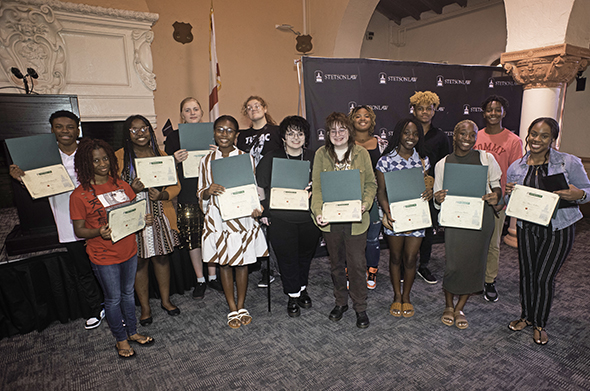
Left to right: Antonio Graham, Jr., Lachelle Allen, Corisa Foster, Kai Rutledge, Ciena Cumberbatch, Catie Parish, Julian Fuller, Kuiper Elza, Eniyah Cineas, Shyann Givens, Zach Kelly, JoShonna Harris, Antwon Howard, Ava-Marie Rollins.
Over the course of a week in July, high school students from in and around St. Petersburg got an up-close look at how government works at all levels – and how to use their voices to advocate for change.
The eye-opening experience, conducted in partnership with the nonprofit organization Foundation for a Healthy St. Petersburg, invited a diverse group of local youth to engage with Stetson Law faculty and staff, judges, lawyers, and other professionals. All shared insights on the justice system, how laws are made, and how to promote social justice at the ballot box and beyond.
It also involved thought experiments on how to create a society from the ground up, respectful debate about the role government should play in everyday life, lessons in post-high-school life, and self-care sessions.
IN PHOTOS: Stetson Law’s 2022 Youth Civic Engagement Program
Now in its second year, the Youth Civic Engagement Program aims to enhance civics education for the participants – thereby equipping students with a working knowledge of their rights and the avenues by which they can advocate for their communities.
“We must change the world for the better. No matter what,” said Carl Lavender, chief equity officer at the Foundation for a Healthy St. Petersburg, as the program started. “As aspiring young leaders…you’re able to go to trial and litigate on behalf of what is good for all of us as people.”
During virtual and in-person events, instructors sought to give participants a deeper understanding of their place in the world and how to challenge the status quo.
“One of the things that we want to do is to motivate you to learn more about why things are the way they are,” said Law Professor Judith Scully, who helped organize the program. “We want to also help you to understand that the words on the page that constitute the law may not always be the best possible way of protecting our rights.”
A broad range of backgrounds & interests
The students were selected to participate from an applicant pool of local youth ages 15-17. Program organizers sought diverse voices; participants ranged from an aspiring attorney to a talented visual artist. Among the issues they expressed interest in were criminal justice, civil rights, advocating for workers, LGBTQ+ issues, healthcare, and intellectual property.
Carmen Johnson, Executive Officer of Diversity, Collaboration, and Inclusion for Stetson University, said it’s the college’s role to examine the legal system and ways it can be used to foster a fairer society.
“Part of our work here at Stetson, and throughout higher education in general, is to analyze institutions that were created years ago and understand how many were not built with inclusion in mind,” Johnson said. “We want to find ways to benefit more and more people, and ensure that people of all backgrounds belong and can thrive throughout these important spaces.”
Over the course’s five days, faculty and community presenters introduced the students to topics ranging from social justice, advocacy, human rights, and civic responsibility to mindfulness, goal-setting, and planning for college.
Kuiper Elza, a student from St. Petersburg High School who participated in the program, said the emphasis on activism was a big draw for them.
“I found it really interesting to learn different tools for how to be an activist and advocate for yourself and communities – and different ways you can educate yourself, educate other people,” Elza said.
Field trip to a courthouse
On the final day, participants and instructors boarded a bus to the St. Petersburg Judicial Courthouse, a branch of Florida’s Sixth Judicial Circuit, where civil trials and other proceedings take place for Pinellas and Pasco Counties. There, Judge Steve Berlin gave them an overview of the judiciary and day-to-day life in the courtroom.
They also heard from three Stetson Law alumni currently working in different areas of law: Keongela Randle, an assistant public defender in the Sixth Judicial Circuit; Forest Sutton, an assistant state attorney from the 12th Judicial Circuit, which comprises Manatee, Sarasota and DeSoto counties; and Assita Toure, an attorney with the Rumberger Kirk law firm.
The alumni elaborated on their roles and shared insights on what law school was like before conducting a mock voir dire to show how attorneys vet potential jurors prior to a trial.
Challenging, but rewarding
The Saturday following the program, students and their families attended a brunch reception where they celebrated their success and reflected on the week’s events.
Interim Dean Theresa Pulley Radwan praised them for taking time away from their summer break to be part of a challenging program.
“We are in unprecedented times in this country,” she said. “Think about how you can be part of advocating for change about the things that you are most passionate about. I know that it was not an easy week, and I appreciate that you were willing to take that week and be part of what I hope was just the beginning of your future as an advocate, as someone who’s passionate about making change in the world and finding your place in it.”
Law Professor Christine Cerniglia, who co-organized the program and led many of the sessions, commended the students for the openness she saw over the week.
“We heard a deep understanding of what needs to happen in our country. We tackled topics from abortion to the recent Supreme Court cases to systematic issues of racial justice,” Cerniglia said. “The voices were powerful; absolutely powerful.”
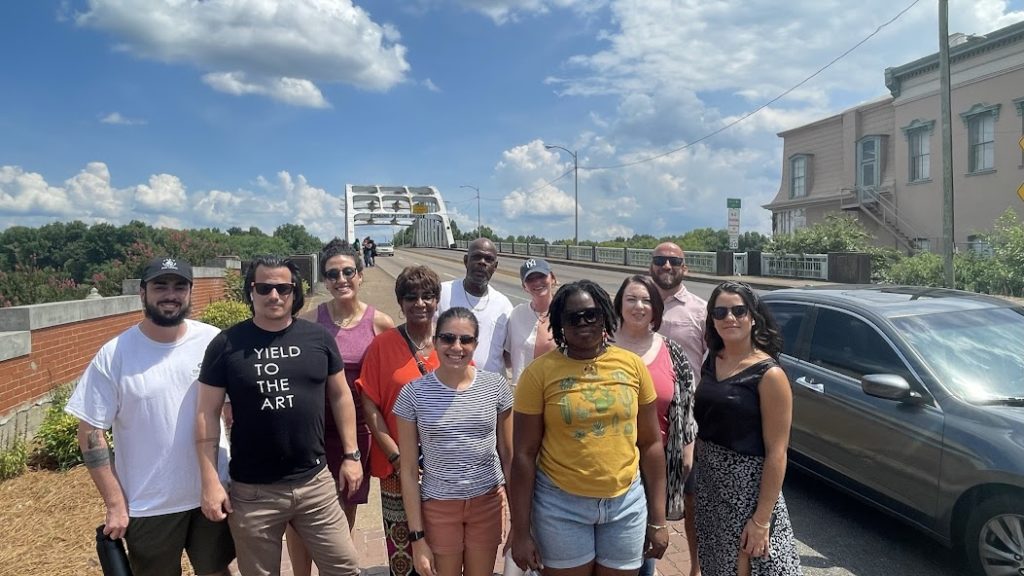
Students with Stetson Law’s 2022 Civil Rights & the Law Course pose for a group shot before following in the footsteps of activists who marched in Selma, Alabama.
A group of law students has just wrapped up a once-in-a-lifetime experience exploring the places, events, and people that shaped the Civil Rights Movement.
The two-week course took students to places like the Edmund Pettus Bridge in Selma, Alabama, the National Civil Rights Museum in Memphis, Tennessee, and the Equal Justice Initiative’s Legacy Museum in Montgomery, Alabama. Along the way, students had the opportunity to converse with activists and others whose actions led to fundamental shifts toward fairer treatment of Black Americans. The course’s first week consisted of in-class and virtual discussions to help set the table for the immersive experience that took place the following week.
This is the first time the course has been offered since before Covid-19 concerns limited travel, and all student travel expenses were covered by scholarships.
The course explored the Civil Rights Movement through a legal lens: namely, how state and federal law have been used as a tool for racial and social injustice, efforts to justify these laws, the movement’s enduring inspiration of modern civil rights campaigns, and how it was an intellectual, strategic, and legal endeavor in addition to being a movement around morals and shared humanity.
LibraryGroupShotCivilRights
LibraryConversationCivilRights
LynchingMemorialUnknown
LynchingMemorial2
LynchingMemoriallandscape
Lynchingmemorial
NationalCivilRightsMuseumexternal
McKendreeUnitedMethodistChurch
NationalCivilRightsMuseumLunchCounter
MassIncarcerationMonument
SlaveryMemorialLegacyMuseum
NationalCivilRightsMuseumslaveryquote
NationalCivilRightsMuseumMLKmotelroom
NationalCivilRightsMuseumslaveryship
16thStreetBaptistChurch
LawandtheCRMGroupPhoto
BirminghamtheWorldisWatching
IamaManPlaza2
CivilRightsMuseumslaveryexhibit
GroupPictureWoolworthon5th
IamaManPlaza
EdmundPettusBridgeSelmaGroupShot
JohnLewisMuralAtlanta
Stetson University Executive Director of Diversity, Collaboration and Inclusion Carmen Johnson and University of Alabama School of Law Professor Emeritus Martha Morgan co-taught the course, which is part of a university-wide curricular initiative and commitment to education about social justice and the lessons of the Civil Rights Movement. A similar undergraduate-level course was available to students at Stetson University’s DeLand campus this summer.
“It is an honor to have such an impactful course here at Stetson, where it is celebrated across our campuses as an inspiration for students to have an impact in their communities, no matter what career or passions they choose,” Johnson said. “This is a unique opportunity for students to not only study the grassroots and legal advocacy that occurred during Civil Rights Movement, but to also delve into some of the history that sparked the Movement and explore the strategies of current civil rights struggles.”
Experiential learning with purpose
The course took students to celebrated places where Civil Rights activists risked their lives to protest social injustice, infamous sites of racially motivated violence, somber monuments to acts of brutality endorsed by Southern policymakers in the Civil Rights era, and museums offering an immersive look at the movement.
In Montgomery, students engaged in an intimate dialogue with civil rights leader, Dr. Bernard Lafayette, who was one of the key organizers of the Nashville Student Sit-In Movement, the Freedom Rides, and the voting rights movement in Selma, Alabama in coalition with the Rev. Dr. Martin Luther King, U.S. Rep. John Lewis, and others. In Memphis, students explored the National Civil Rights Museum, which was established in the Lorraine Motel, the site of Dr. Martin Luther King, Jr.’s assassination. In Selma, Alabama, they walked the bridge where Civil Rights leaders like Rep. John Lewis were assaulted by police as they marched – and pondered the meaning of “Good Trouble” before a mural of Lewis in his Atlanta home district. In Montgomery, Alabama, students stood among the dramatic and somber memorials for enslavement, lynchings, and mass incarceration of Black Americans at both The Legacy Museum and The National Memorial for Peace and Justice.
While often emotionally challenging, students said the experience strengthened their resolve to advocate for greater social justice.
“I have a renewed call to action, to make an impact,” said student La’Tonya Lynn. “If I am resilient and persevere, I too can be victorious, even when faced with adversity.”
Asked what future law students should consider when taking the course, student Neil Dalson said the experience can be pivotal for any law student, regardless of their background or chosen area of expertise.
“It has been one of the most rewarding and eye-opening experiences,” Dalson said. “Regardless of why you chose law school, or what area you specialize in, this course will become central to how you approach law.”
Campus and university officials say it is important that this immersive experience is available to Stetson Law students – especially considering the college’s emphasis on advocacy.
“As an institution dedicated to advocacy education, it is critical that we offer experiences that show students why societies need passionate advocates like them,” said Stetson Law Interim Dean Theresa Pulley Radwan. “This course gives them a once-in-a-lifetime opportunity to learn about and reflect upon the profound, systemic injustices that spurred the Civil Rights Movement and the brave activists who sacrificed so much for progress – many of whom continue to do so today.”
Compelling Classroom Conversations
To help set the scene for students ahead of their trip, the course’s first week consisted of powerful perspective from Civil Rights leaders and historians.
Melissa Fay Greene, author of Praying for Sheetrock and The Temple Bombing, spoke about intersectionality and coalition building among different civil rights struggles, including the Black and Jewish communities during segregation in Atlanta.
University of South Florida Professor of Southern History Ray Arsenault, an expert on the Civil Rights Movement, spoke of the importance of civil disobedience in the push to change society.
“It’s the moral and physical courage of these individuals that disrupted and confounded the racists expectations of whites. They didn’t act the way that Black people were ‘supposed’ to act…because this movement culture gave them a new sense of identity, a new sense of themselves, empowering them, really, to challenge and bring down a legal and social system dedicated to racial discrimination and white supremacy.”
Dr. Alexander Brown, who participated in the Birmingham Crusade and Children’s Marches and was in Selma on the bridge on Bloody Sunday, told compelling stories about his experiences growing up in Birmingham, Alabama during segregation and the dawn of the Civil Rights movement there.
Brown, who knew two of the girls who died in the racially motivated bombing of the 16th Street Church, cautioned the students not to let their grief and anger over past events – however unjust and upsetting – consume them.
“You are about to go on a tour that’s going to really open your eyes,” he said. “Understand that negative feelings about that now are really unproductive. What we need now is a recognition of what has happened and your resolve to work toward that not happening again.”
Sackett v. Environmental Protection Agency could determine the extent of Clean Water Act protections across the U.S.
With help from faculty, Stetson Law students contributed significantly to an amici brief filed by Professor Royal Gardner, director of the college’s Institute for Biodiversity Law and Policy filed on behalf of twelve scientific organizations in a case that could prove critical in the fate of the Clean Water Act.
What the case is about
The case, Sackett v. Environmental Protection Agency, may change which waters are defined under the Clean Water Act. Expected to be the first the U.S. Supreme Court hears when its new term starts in October, it is the culmination of a lawsuit stemming from an Idaho couple’s attempt to construct a home on a wetland that the EPA considered to be “water of the United States” (WOTUS). For over a decade, litigation ensued, with environmental groups advocating for maintaining the current standard.
If decided in favor of the petitioners, the ruling could undo protections for millions of acres of wetlands directly connected to lakes, rivers, and other ecosystems.
Behind the brief
Amici curiae (“friends of the court”) briefs have been filed both for and against the Sacketts. Stetson Law faculty and students researched and wrote the brief on behalf of 12 scientific organizations that support stronger protections for waters of the United States (WOTUS).
These scientific organizations are the American Fisheries Society, American Institute of Biological Sciences, Association for the Sciences of Limnology and Oceanography, Coastal and Estuarine Research Federation, Ecological Society of America, Freshwater Mollusk Conservation Society, International Association for Great Lakes Research, North American Lake Management Society, Phycological Society of America, Society for Ecological Restoration, Society for Freshwater Science, and Society of Wetland Scientists.
Professor Royal Gardner, director of Stetson Law’s Institute for Biodiversity Law & Policy.
The brief asserts that science needs to inform the approach to determining whether wetlands should be protected, and the science shows that wetlands, even when one cannot see them connected to other waterways from the surface, support the integrity of other bodies of water.
“If Petitioners’ proposed ‘continuous surface-water connection’ to a traditional navigable water were required for wetlands, more than 50% percent of wetlands in some watersheds would no longer be protected by the Clean Water Act. Were such a standard applied to streams, ephemeral and intermittent streams would not be jurisdictional waters, and thus more than 90% percent of stream length in some watersheds would no longer be protected by the Clean Water Act,” the brief summary reads.
A valuable experience
To the Stetson Law students who participated, it was a chance to use their budding advocacy skills in an area they are passionate about.
“Though work on the brief was challenging, each of us who participated understood the importance of our efforts and the high stakes riding on the case,” said student William McCann, who assisted with the document’s citations.
Recent Stetson Law graduate Lauren Beames said she knew it would be an exciting, collaborative experience. Between sessions studying for the Florida bar exam, she saw Professor Gardner, who gave her a printed copy of the brief after it had officially been accepted.
“Seeing the time I spent sifting through copious amounts of scientific research and legal authority constructed into strong, sound legal arguments in an amicus brief that will go before the United States Supreme Court is an experience, I am extremely proud to have been a part of,” Beames said.
Student Cal Raubolt, who worked on the brief’s citations, said what struck him was how so many people came together to make it come about – something that is not always apparent when one reads a Supreme Court decision and its pertinent documents.
“In reality, there are dozens of hands that put in so much hard work for it to ever get to that point,” he said. “It is beautiful to be able to say that my hands were a part of that hard work, however small a part it was.”
Second-year law student Tyler Vansant, who assisted in research for the brief, said the experience gave him an even closer glimpse of the intricacies of environmental policy.
“Working on this brief was an invaluable way to learn more about the very complex science of wetlands (and WOTUS in general) and gave me a much deeper understanding of the challenges that the EPA and other agencies face in creating rules and policy in this area,” he said.
Brooke M. Cleary, who helped proofread the document, said the project was a critical exercise in legal writing that showcased Stetson Law’s culture of collaboration.
“This unique experience enhanced my writing competencies and furthered my passion for environmental law, specifically waters of the United States,” Cleary said. “I’m so thankful Professor Gardner provided this opportunity to assist with his presentation to the Supreme Court.”
The students were part of a legal team that included Katherine Pratt, Stetson’s Foreman Biodiversity Fellow, Prof. Erin Okuno of the University of Miami, Prof. Steph Tai of the University of Wisconsin, and Kathleen Gardner of Shearman & Sterling LLP, a global law firm that supports the Biodiversity Institute on a pro bono basis.
The brief is not the first Stetson Law project to play a role in a SCOTUS clean water case. In 2018, the college filed an amici curiae in County of Maui v. Hawaii Wildlife Fund et al. The following year, the Court cited the brief in its decision in favor of stronger protection of water resources.
Left to right: Justice Ricky Polston, Justice Alan Lawson, Chief Justice Charles T. Canady, Tyler Brown, Hannah Klonowski, Justice John D. Couriel, Justice Jamie R. Grosshans, Justice Carlos G. Muñiz, and Justice Jorge Labargo.
For the second year in a row, a Stetson Law team won the Robert Orseck Memorial Moot Court Competition at The Florida Bar annual conference in Orlando.
Team members Tyler Brown, Thomas Fuhrman, and Hannah Klonowski brought home the win from this prestigious competition—but the triumph doesn’t end with that back-to-back win. Klonowski won the Best Oralist, Preliminary Rounds award and the Best Oralist, Final Round award, repeating fellow student Jessica Merkel’s wins during the 2021 event. Professor Brooke Bowman, Director of the Moot Court Board, coached the students.
The overall competition win and the pair of Best Oralist awards make for a “double-double” at an important event that took place in-person for the first time in three years.
Hosted by the Florida Bar Association’s Young Lawyers Division, the competition happens each year as part of The Florida Bar conference. The proximity to so many legal professionals means that actual sitting judges from the circuit courts and the district courts of appeal join with attorneys to judge the preliminary rounds. Teams that advance to the final round get to argue in front of the justices of the Florida Supreme Court—something very few attorneys even have the honor of doing.
It’s an opportunity for students to make connections while sharpening their craft with help from some of Florida’s top lawyers.
Stetson Law’s track record at Orseck has been stellar. Here’s a look at the wins and other successes the college has had in the last 28 years:
Seven championship wins;
Nineteen appearances in the final round;
Six Best Advocate, Final Round awards;
Five Best Advocate, Preliminary Rounds awards;
Nine Best Brief awards;
Two double advocate awards;
Two times winning three awards—Best Team; Best Brief; and the Best Oralist, Final Round; and
One time winning all four awards—Best Team; Best Brief; Best Oralist, Preliminary Rounds; and Best Oralist, Final Round.