Skip to content

Professor Emeritus John Cooper Inducted into Stetson Law Hall of Fame

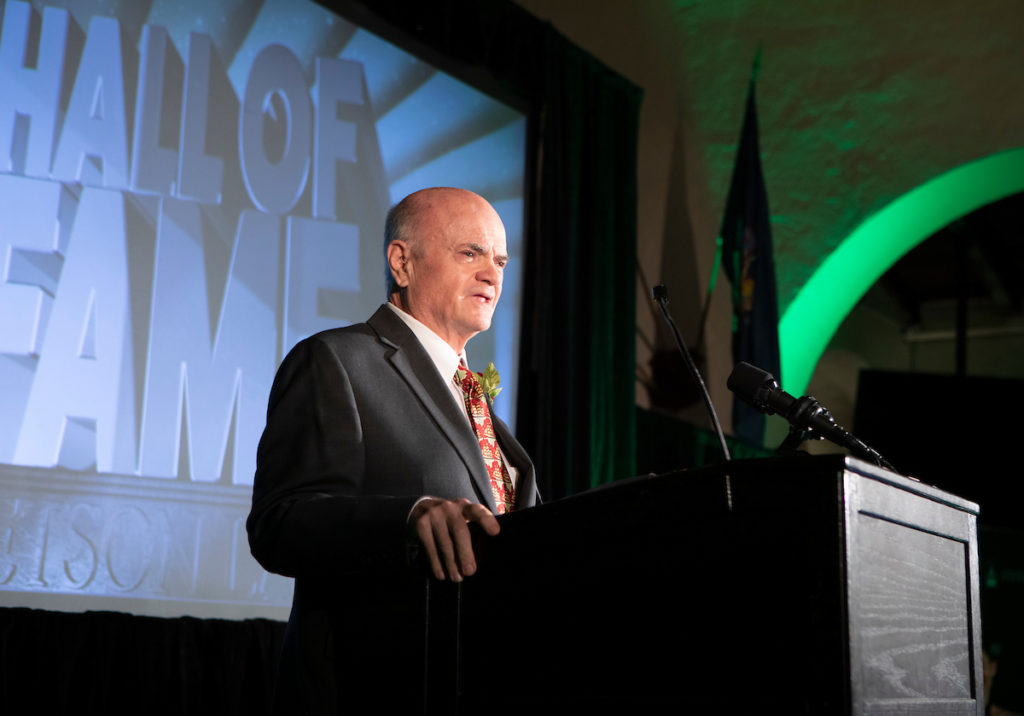
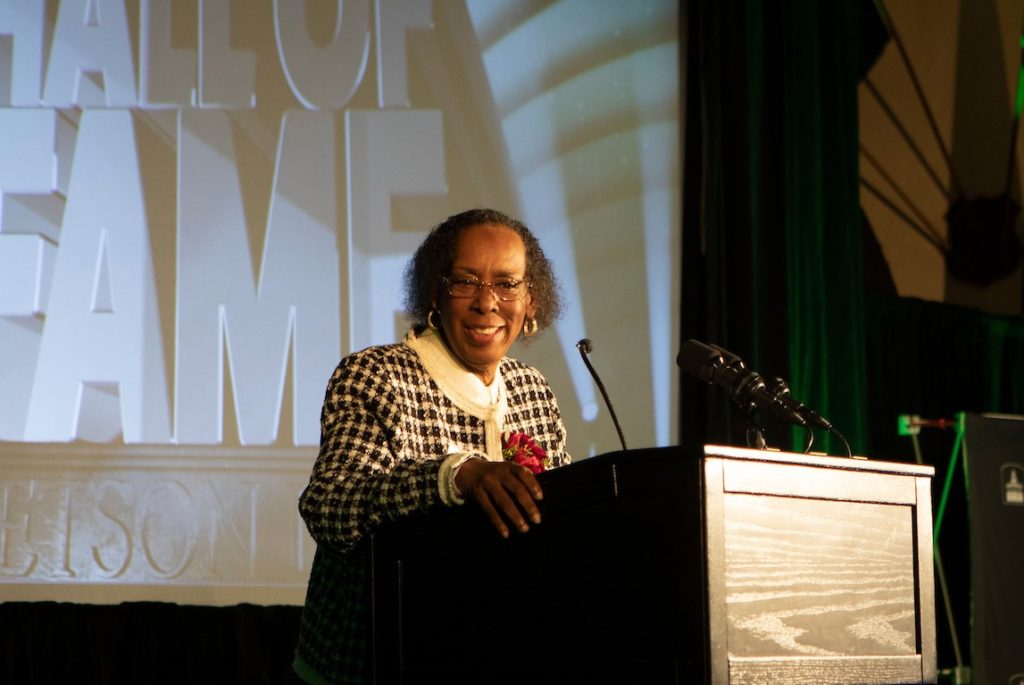
Stetson Law Professor Emeritus John Cooper gives remarks at Stetson Law’s 2022 Hall of Fame celebration

A beloved faculty member who radiates passion for learning and travel, Professor Emeritus John Cooper joined the Stetson University College of Law Hall of Fame on December 3, 2022.

Through his enterprising spirit and deep love of legal scholarship inspired countless others to expand their horizons through study and travel. His legacy includes establishing lasting connections here and around the globe. His journey began in Yokohama, Japan, where he was born on October 3, 1950. Cooper’s father was a career Army officer stationed in Japan after World War II. The family, consisting of Cooper, his father, his mother, and his older sister Charlotte, went on to live in places like Orleans, France; Heidelberg, Germany and Hawaii.

A lifelong love of travel

After graduating from the University of Oklahoma School of Law as a member of the academic Order of the Coif, he entered private practice and also served as an Assistant Attorney General for Oklahoma. Around this time, he visited the Soviet Union with a group of American legal professionals. The experience brought back memories of living abroad and made Cooper ask himself what he wanted to do with the rest of his life.

Teaching law became his goal. He interviewed with several law schools and ultimately accepted an offer to teach at Stetson. Cooper started in the fall of 1985.

Close friend and fellow Stetson tax law Professor Richard Gershon entertained during their daily noontime run. Their route started as a 5k, then they worked up to a 10k, talking and joking the whole time. It wasn’t long before Cooper was running marathons.

“When John started something, he was going to work at it – pretty intensely sometimes,” Gershon said of his friend.

Establishing global ties

He administered the Stetson LL.M program in international law and negotiated dual degree programs with law schools in Toulouse, France and Granada, Spain. He also administered a semester abroad program in London that offered practical internships in the British legal community. He established and administered study abroad programs in Estonia, the Netherlands, Switzerland, Germany, Spain, Argentina, China, and the Cayman Islands.

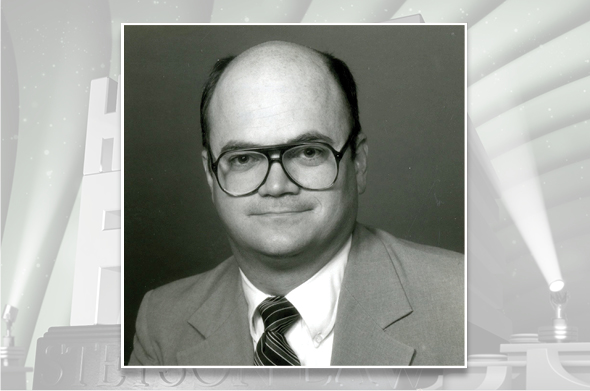
A black-and-white headshot of Professor Emeritus John Cooper
Law Professor Emeritus John Cooper

Cooper hoped that students would see studying abroad not as an opportunity for foreign travel, but as a potentially life-changing opportunity to gain new perspective on the law and life itself.

Retired, but not slowing down

Cooper earned the title of professor emeritus upon retiring. He and his wife, who retired in March of 2022, bought a cabin in the North Carolina mountains, and they split their time between there and St. Petersburg. Of course, Cooper has kept busy in retirement.

He studied gardening; qualified as a Master Gardener; raised compost worms, and grew shiitake mushrooms.

Cooper’s love for learning abroad endures. He is completing a manuscript on Vietnam POWs that he has researched and written over several years. He spent a year in Buenos Aires, Argentina to improve his Spanish language skills. While there, he traveled the country – from the tropical Iguazu waterfalls in the north to Patagonia in the south, where he, his wife, and his daughter explored the dramatic glaciers near El Calafate.

To learn more about Professor Emeritus John Cooper, see the video above.

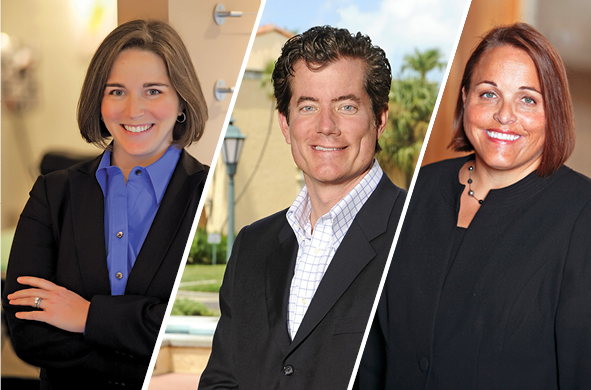
Learn more about the other 2022 Stetson Law Hall of Fame inductees: Professor Emerita Dorothea Beane, Judge Pamela Campbell, and Board of Overseers Chair Greg Coleman.

See all Stetson Law Hall of Fame inductees.

Professor Emerita Dorothea A. Beane Inducted into Stetson Law Hall of Fame

Stetson Law Professor Emerita Dorothea Beane gives her acceptance speech at Stetson Law’s 2022 Hall of Fame celebration

For her decades of trailblazing work and inspiring others to challenge their perceived limitations, Stetson Law Professor Emerita Dorothea A. Beane has been inducted into the Stetson University College of Law Hall of Fame in 2022.

When she joined the faculty in 1990, she brought with her a wealth of experience in a range of practice areas. She was also Stetson Law’s first minority faculty member who had a transformative impact on the college.

Her colleagues remember her for her warmth, high standards, and ability to reach students where they are to help them succeed.

A storied career

Beane began her legal career as a trial attorney for the U.S. Department of Justice in Washington, D.C. In 1983, she was appointed assistant U.S. attorney from the Middle District of Florida; she was the first Black female to serve in that role. There, she was senior civil litigating attorney from 1985 through 1990.

She practiced in a broad range of areas, including personal injury, medical malpractice, bankruptcy law, regulatory enforcement, and environmental law. In 1986, she received the Attorney General’s Special Achievement Award for Sustained Superior Performance of Duty.

Fostering growth and diversity

While at Stetson Law, Beane took particular interest in Black law student retention and success. She would engage them even if they didn’t take any classes with her, and would encourage them to push themselves.

 “You didn’t want to let her down,” said alumni Clinton Paris.

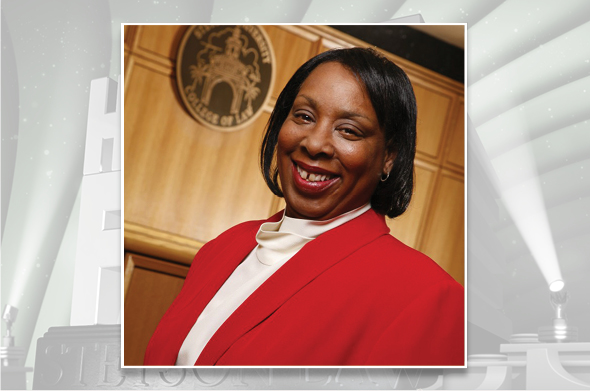
A headshot of Professor Emerita Dorothea A. Beane, who is wearing a red blazer and smiling into the camera.
Professor Emerita Dorothea A. Beane

Beane was founder and director of Stetson Law’s Summer Abroad Program in The Hague, Netherlands, where her work ethic proved a critical guiding force for the fledgling program.

She has written and lectured widely on the role of international tribunals – and served on the executive committee of the International Human Rights Law Section of the Association of American Law Schools.

She also co-directed Stetson Law’s Institute for Caribbean Law and Policy with Associate Dean Darryl Wilson.

She was just as busy off campus; her civic engagement ranged from attending meetings related to the International Criminal Court at the United Nations headquarters in New York to serving as a hearing officer for the City of St. Petersburg, Florida.

A stellar legacy

Over her career, Beane received extensive recognition. She was given the College of Law Teaching Excellence award in 2005. In 2018, the U.S. District Court Middle District of Florida honored her as a “First” in Tampa Bay for her distinguished career. Two years later, a distinguished committee of Stetson College of Law Black Law Students Association alumni created a scholarship to honor the work and career of Professor Beane. 

Having gained the distinguished title of Professor Emerita, after 30 years of dedicated service to the Stetson Law community, Professor Beane retired in 2020.

To learn more about Professor Beane, see the video above.

Learn more about the other Stetson Law Hall of Fame inductees: Judge Pamela Campbell, Board of Overseers Chair Greg Coleman, and Professor Emeritus John Cooper.

See all Stetson Law Hall of Fame inductees.

Stetson Law Joins Innovative Effort to Fight Nitrogen Pollution in Key Waterways

Thanks to a recent grant, environmental law experts from Stetson College of Law have joined a multidisciplinary effort to shed light on an urgent but little-known environmental challenge: nitrogen pollution.

The project, BlueGAP, brings Stetson Law’s Jacobs Law Clinic for Democracy and the Environment and the Institute for Biodiversity together with experts from four other institutions. Harnessing a variety of disciplines, their collaboration will present a holistic, visually engaging look at nitrogen pollution, how it affects communities, and how changes to public policy can lessen its impacts.

Confronting a rampant challenge

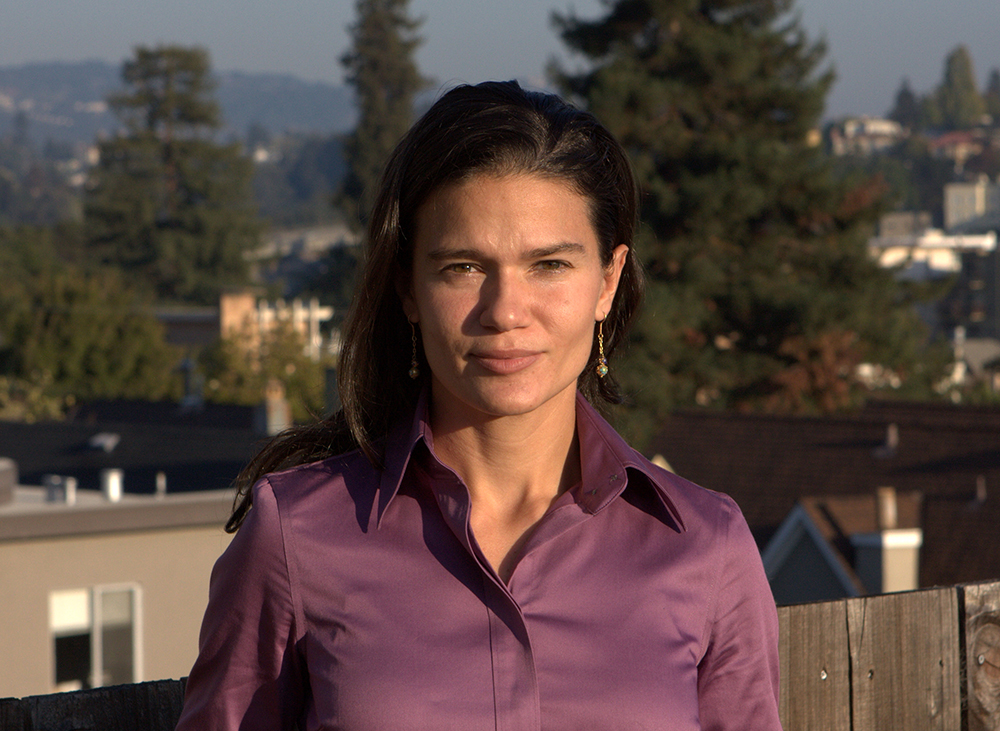
A headshot of Stetson Law Professor Jaclyn Lopez in front of a hilly outdoor backdrop.
Stetson Law Professor Jaclyn Lopez

This work has been made possible with help from a National Science Foundation grant, and Stetson Law Professor Jaclyn Lopez said the team is eager to get started.

Nitrogen pollution, which is caused by such factors as runoff from mass-scale meat-production facilities and other agricultural operations, can lead to negative consequences like fish kills, dead zones, and unsafe conditions for water-based recreation. All of these can be detrimental to local communities whose economies are directly tied to clean waterways.

“Nitrogen pollution may not be well-known by that name, but we see its devastating effects right here in Tampa Bay and in watersheds throughout the world,” Lopez said. “Rampant industrial pollution and unchecked runoff from agriculture and sprawl lead to significant nitrogen pollution of our rivers and coastlines, which fuel out-of-control algae blooms and fish kills. Helping people see – and care about – these relationships is the only way to combat nitrogen pollution.”

Lopez will work with Law Professor and co-director of Stetson Law’s Institute for Biodiversity Law and Policy Royal Gardner as well as Foreman Biodiversity Fellow Katherine Pratt. Stetson Law’s work will inform policy solutions and help communities advocate for environmental justice.

“Through BlueGAP, Stetson Law’s Jacobs Law Clinic and Institute for Biodiversity Law and Policy will develop and disseminate policy solutions that will empower communities to fight nitrogen pollution and secure a brighter future,” Lopez said.

An intersectional approach

While Stetson Law’s contribution to the project will offer concrete, real-world answers to questions of how to adequately manage nitrogen pollution and its effects, partner organizations are lending expertise in ecological data, mapping, civil engineering, graphic design, and other areas to help present an easy-to-understand picture of nitrogen pollution and how it affects them.

Waterways all over the world are affected by nitrogen pollution.

The University of South Florida is the project’s lead institution; other partners include the University of Iowa, Black in Marine Science, and the Tampa Bay Estuary Program. Geographically, their work will focus on three watersheds in Iowa, Florida, and the U.S. Virgin Islands with the intent of showcasing the project’s ability to work at varying scales.

“Our blue-green research efforts combine storytelling and data to make it easier for people to see how nitrogen pollution affects their health and livelihoods, and how to take actions that improve how nitrogen is managed whether at local, regional, national, or international scales,” said Maya Trotz, a professor of civil and environmental engineering from University of South Florida who is BlueGAP’s principal investigator.

Trotz added that the team’s highly interdisciplinary nature will help “bring an out-of-the-box, people-centered solution” to frontline communities who bear the brunt of negative impacts of nitrogen pollution.

Learn more about BlueGAP and Stetson Law’s Institute for Biodiversity Law and Policy.

AALS Elder Law Section Honors Professor Morgan for Stellar Career

Professor Rebecca Morgan.
Law Professor Rebecca Morgan

From being an early advocate for giving aging populations distinct legal considerations to sewing masks for nursing home residents at the dawn of the pandemic (when face coverings were rare), Law Professor Rebecca Morgan is an elder law pioneer and a tireless champion for aging populations.

That’s why the American Association of Law Schools (AALS) Section on Aging and the Law is giving its first-ever Lifetime Achievement Award to Morgan. AALS will honor her during its 2023 annual meeting in January.

To those tasked with reviewing nominations for the award, she was an obvious choice.

“Professor Morgan was selected for the AALS Aging and The Law Section’s inaugural Lifetime Achievement Award because she embodies everything that this award stands for,” said Katie Liss, Chair of AALS’ Aging & the Law Section and Executive Director of the Schiller DuCanto & Fleck Family Law Center at DePaul College of Law. “Professor Morgan has selflessly given and continues to give so much of herself and time to help law students, colleagues, and the community through her mentoring of others, writing, speaking, activism, and care for the aging community.”

A clear choice

To Law Professor Mark Bauer, it was obvious that Morgan should be the award’s inaugural recipient. That’s why he wrote a three-page nomination letter detailing her accomplishments and her transformative impact on elder law, including how critical she was in raising the profile of elder law as an essential doctrine.

“While laws concerning elders exist from the dawn of civilization, Becky is one of the few leading scholars who worked to give Elder Law recognition as a discrete doctrine,” Bauer said. “Plenty of people have studied and practice law that includes elder law, such as Trusts & Estates and Wills, as well as guardianship, custodial care, congregate housing, social benefit programs, and nursing home care.  But dividing the subject meant that no one was looking at elders as a separate group with distinct needs.”

Through founding the Center for Excellence in Elder Law, which hosts a J.D. concentration program, launching a distance LL.M. program, leading elder-focused consumer-protection projects, countless legal and non-legal pro bono projects benefitting elders locally and nationally, and many more efforts, she changed that.

“It is challenging to imagine elder law today, academically, in the law, and in regular practice, without Professor Morgan’s enormous and enormously positive contributions,” Bauer said.

Selfless Work, Countless Achievements

Morgan’s list of accomplishments in the elder-law space is seemingly endless. In addition to founding the Center for Excellence in Elder Law and launching the J.D. and LL.M. programs. Chief among them are:

  • Co-designing and raising funds for the nation’s first courtroom designed to accommodate elders.
  • Offering a special one-credit short course on Elder Law to increase student interest and awareness that she teaches as an overload most semesters.
  • Providing advice, support, and partnership on elder-focused programs for the City of St. Petersburg (FL), senators and governors of Florida, and officials from the U.S. Department of Health and Human Services as well as the Consumer Financial Protection Bureau
  • Serving in many leadership roles with organizations such as the National Academy for Elder Law Attorneys, the American Bar Association (ABA) Commission on Law and Aging, the Center for Medicare Advocacy, the American Society on Aging, and others.
  • Ensuring nearly all students with an elder law concentration are placed in suitable jobs when they graduate.
  • Recently, she joined the Special Needs Alliance’s Board of Directors.

She’s also a warm, kind person who makes time for the community she has fostered, colleagues say.

“Professor Morgan is a joy to be around, always upbeat, energetic, and frankly, quite inspiring,” Bauer said. “I can say without exaggeration that she inspires people to enter elder law or generally engage in public service to elders every single day. She is always the first to pitch in and she leads by example.”

Morgan said working as a law professor has been the honor of her life. It’s not something many people get to do, she said, adding that she’s honored to be recognized for doing work she loves.

“I am so grateful to the section for selecting me for this award,” Morgan said. “Educating law students on the legal issues facing older persons is so much fun. It is an area of law that is always interesting and very much cutting edge.”

Learn more about Professor Morgan and the Center for Excellence in Elder Law.

Professor Nagle Works to Fight Exploitation of Migrants in Colombia

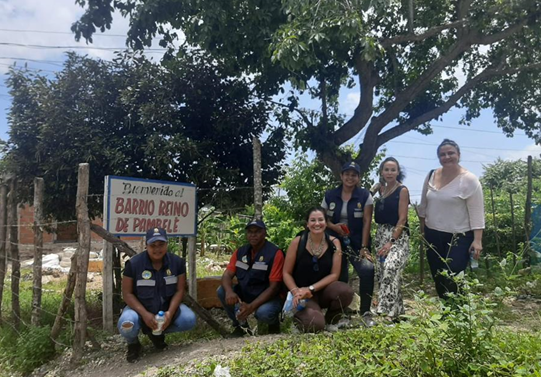
Law Professor Luz Nagle in Cartagena, Colombia.
Law Professor Luz Nagle (second from right) visits with Fundación Dignitas to Barrio Reino de Palambé, Cartagena in August, 2022.

As part of a critical project sponsored jointly by the American Bar Association Rule of Law Initiative (ROLI) and USAID, Stetson Law Professor Luz Nagle spent part of her summer sharing her deep expertise about human trafficking and how to stop it in Colombia.

The USAID project Conectando Caminos por los Derechos/Connecting Paths for Human Rights (CCD) brought Nagle to Bogota and Cartagena to share recommendations and guidelines to help local, regional, and national officials and organizations combat human trafficking, a rampant problem globally that is particularly devastating in the region.

CCD is an entity that supports the transition between humanitarian aid and medium- and long-term development for Venezuelan migrants, Colombian returnees, and host communities in Colombia. It aims to foster cohesion and citizen security and ensure the rights of all members of society to live free from all forms of crime and violence, regardless of their legal status within the country.

Battling the scourge of exploitation

During her travels, Nagle met with some of the country’s most vulnerable populations and spoke to numerous media outlets about how government leaders can directly reduce the incidences of the human rights violations most common in Colombia as well as related crimes. These include labor and sexual exploitation, human trafficking, disappearance of individuals, and gender-based violence.

The populations that are most vulnerable to crimes of this nature include women, children, and members of the LGBTQ+ community.

An international law expert who has written and spoken extensively on how to prevent human trafficking, Nagle has worked with government agencies and non-government organizations alike to develop effective strategies for promoting human rights.

IN PHOTOS: Stetson Law Professor Luz Nagle’s August 2022 Colombia trip

LuzNagleBarriodePalambe4August2022
previous arrow
next arrow

In Colombia, such entities included Talitha Qum, a Cartagena nonprofit that helps girls and adolescents avoid trafficking and abuse, Corporacion Caribe Afirmativo, an entity that advocates for LGBTQ+ rights, the city of Cartagena government, and El Fiscal, the Colombia attorney general’s office.

Throughout her visit, she advised CCD and other organizations on how to sharpen their strategies for combatting trafficking in persons (TiP), participated in meetings with organizations that are fighting human trafficking in their area, gave a keynote address at an event on human trafficking, and spoke to members of the media about the issue.

Sharing insights on human trafficking

At the core of the problem, she has said, is corruption, which she calls “the grease that facilitates human trafficking” and should be looked at as part of investigations into such offenses. Because it is so profitable, money laundering is also often linked to human trafficking, Nagle said, which is why banks should use greater scrutiny to look for signs of it.

“It is the obligation of all institutions to know their customers and follow the money to determine if they are involved in human trafficking and money laundering,” Nagle said during a panel discussion. “We do it for trafficking in drugs, and we should do it to protect human beings.”

She added that any money laundered as part of a human trafficking operation should be confiscated and used to help victims of the crime.

Learn more about Professor Nagle, including recent writings.

New Award Honors Professor Lake’s Contributions

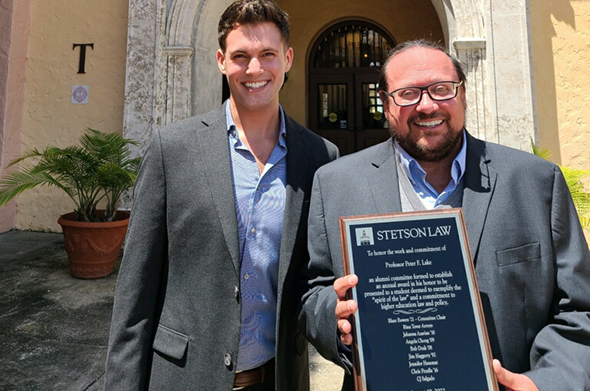
A Stetson Law alumnus stands next to a Stetson Law Professor in front of an entrance to the College of Law.
Left: Stetson Law alumnus Blaze Bowers; Right: Stetson Law Professor Peter Lake

A new annual award named for an influential Stetson Law professor will soon reward students who go above and beyond in the field of higher education law and policy.

On August 22, the Stetson Law community celebrated the full endowment of the award, the Peter F. Lake “Spirit of the Law” Endowed Annual Award, which they announced to Professor Lake, director of the college’s Center for Excellence in Higher Education Law & Policy, during a surprise reveal on Stetson Law’s Gulfport campus.

About the award

Each year, the award will be given to a graduating Stetson Law student who has dedicated time and service to the advancement of higher education law and policy and who has exemplified the “spirit of the law” by promoting development of character, competence, and access to the law.

The recipient of the award will be announced during Stetson Law’s annual Honors and Awards Ceremony, which typically takes place on the eve of spring commencement.

The new scholarship comes at a time of unprecedented challenges for colleges, universities, and other institutions and the legal questions they create for the industry, from political challenges to curriculum to the pandemic’s ongoing effects on mental health and learning.

“There has never been a time where the need for Stetson-trained higher education lawyers has been greater,” Lake said. “This award rewards students for exceptional commitment and achievement in the nation’s leading Center for higher education law and policy.”

Reflecting the Stetson Law community

Nearly a dozen alumni and other members of the community helped endow the award.

Among key contributors was alumnus Jim Haggerty, J.D. ’92, who has known and worked with Lake for many years. He said naming a scholarship after Lake is the perfect way to recognize his contributions.

“Professor Lake epitomizes everything that is good about Stetson Law – that unique combination of the academic and the practical,” Haggerty said of Lake. “He thinks about both what the law is and what it should be. His reputation in higher education circles is well-deserved.”

A national higher-ed thought leader

Every spring, Lake and his team host the National Conference on Law and Higher Education, a major event held on Clearwater Beach. It’s an event that draws stakeholders and decision-makers from across the country from all aspects of higher education, from campus safety officers to legal counsel to executive leadership. Lake often hosts webinars for national audiences of higher-ed industry members on emerging topics like changes to Title IX, and frequently speaks to local and national media outlets on the many challenges facing the sector, such as how campus health centers in some states will adjust to a post-Roe world.

“He sees the whole playing field when it comes to the issues facing higher education, be they legal, law enforcement or public perception-related,” Haggerty, who has collaborated with Lake on the conference over the last several years, said. “He is not just a friend and colleague in these thought-leading exercises, but also a mentor, leading everyone in the process towards asking the right questions before thinking about answers.”

Stetson Law alumnus Blaze Bowers, J.D. ’21, who helped coordinate the new award, called it “an honor to organize this for one of my closest friends and dearest mentors.”

Interested members of the Stetson Law community can contribute a gift to this fund by visiting the Stetson Law donation page and specifying that they’d like to give to the Peter F. Lake Award.

Stetson Law Welcomes New Faculty for Fall 2022

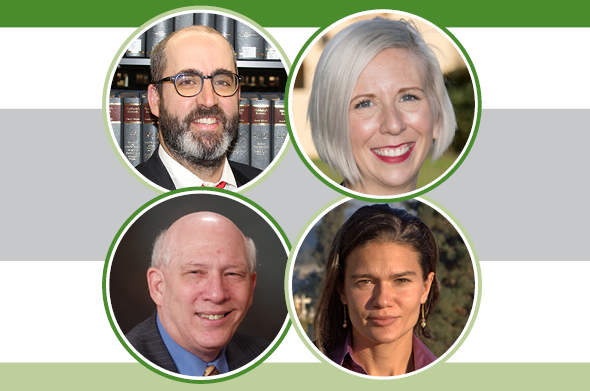
A collection of four headshots of Stetson Law faculty members
Clockwise from top left: Assistant Professor of Law William Bunting, Assistant Professor of Law Ashley Krenelka Chase, Visiting Professor of Law William Henning, Assistant Professor of Law Jaclyn Lopez

The start of every academic year at Stetson Law represents new beginnings in more ways than one. For new and returning students, it’s a time to set goals and intentions. For returning faculty, it’s a time to plan what they hope will be transformative lessons for students.

For those about to set foot on campus as new professors of law, it’s a time to delve into the Stetson Law community’s warm, welcoming, and hardworking culture. The 2022 fall semester kicks off such experiences for three new faculty members as well as one new visiting professor of law.

“As a fresh academic year begins, I am thrilled to welcome our new and visiting faculty to campus,” said Interim Dean Theresa Pulley Radwan. “I look forward to the ways in which they will enrich our community.”

Each will bring unique, invaluable knowledge and experience to class at Stetson Law. Here is some background on each of the individuals the college proudly welcomes to campus:

William Bunting, Assistant Professor of Law

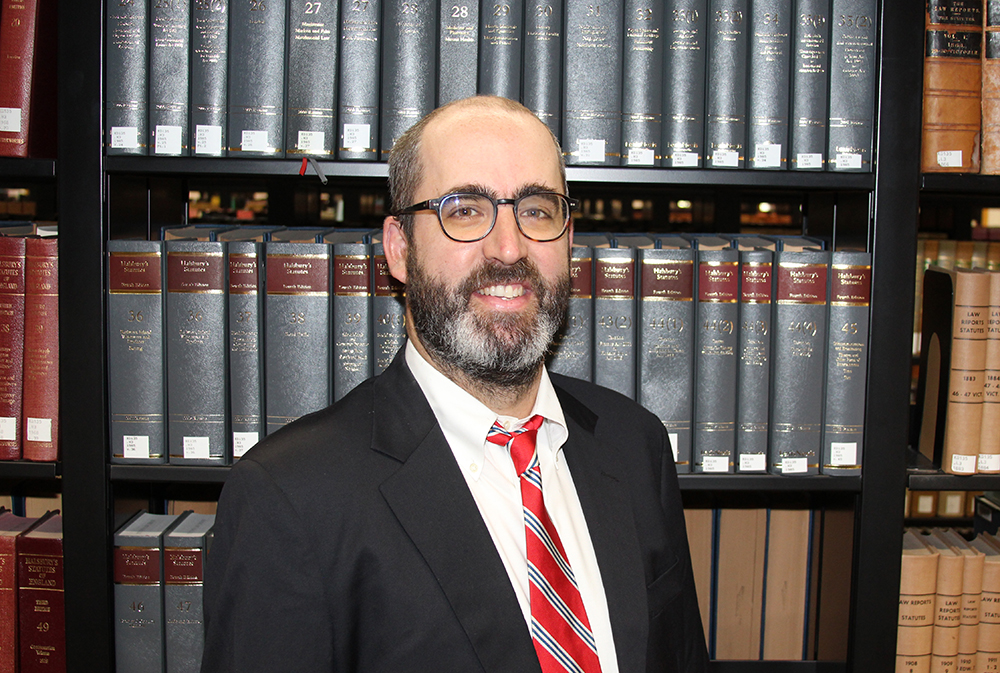
Law Professor William Bunting stands in front of a stack of law books
Stetson Law Professor William Bunting

With a strong background in business law’s complex relationship with civil rights and economics, Bunting joins Stetson’s Law faculty from Temple University’s Fox School of Business, where he taught and conducted research as part of the Department of Legal Studies in Business.

His scholarly work is incredibly timely; it includes a paper on a potential inverse relationship between access to mortgage dollars and crime as well as an article on how to rebuild the retail sector.

Before academia, he worked as an economist in the U.S. Department of Justice’s Civil Rights Division, where he developed models and other tools to help the agency better serve consumers, served in the American Civil Liberties Union’s Center for Justice, was a practicing attorney in New York City, and worked as a law clerk for The Hon. Theodore H. Katz, a federal judge in the Southern District of New York.

Bunting holds a Ph.D. in economics from Yale University, a J.D. from New York University School of Law, and a B.A. in mathematics and economics from Carleton College.

Ashley Krenelka Chase, Assistant Professor of Law

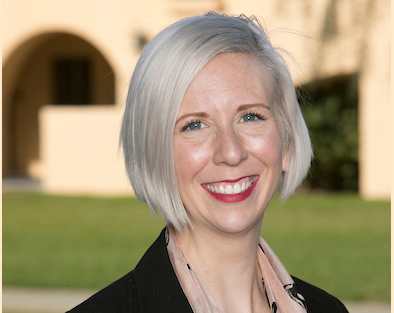
Stetson Law Professor Ashley Chase

While she is not new to campus, Chase’s exciting new role as full-time faculty is just beginning.

An influential force in promoting “electronic-first” research methods, Professor Ashley Chase has worn a lot of hats in her years at Stetson Law. Most recently, she served as associate director of the Dolly & Homer Hand Law Library, where she helped plan, develop, and evaluate reference and circulation initiatives and activities.

She became an instructor of law at Stetson in 2015; classes she taught have included an advanced legal research course developed with Digital-Age law students in mind. The American Association of Law Libraries named her an Emerging Leader in 2017.

Chase’s recent scholarly work includes “Neutralizing Access to Justice: Criminal Defendants’ Access to Justice in a Net Neutrality Information World” and “Upending the Double Life of Law Schools: Millennials in the Legal Academy.”

She earned her J.D. from the University of Dayton School of Law as well as a M.A. in Library and Information Science from University of South Florida and a B.A. in English from Bradley University.

William Henning, Visiting Professor of Law

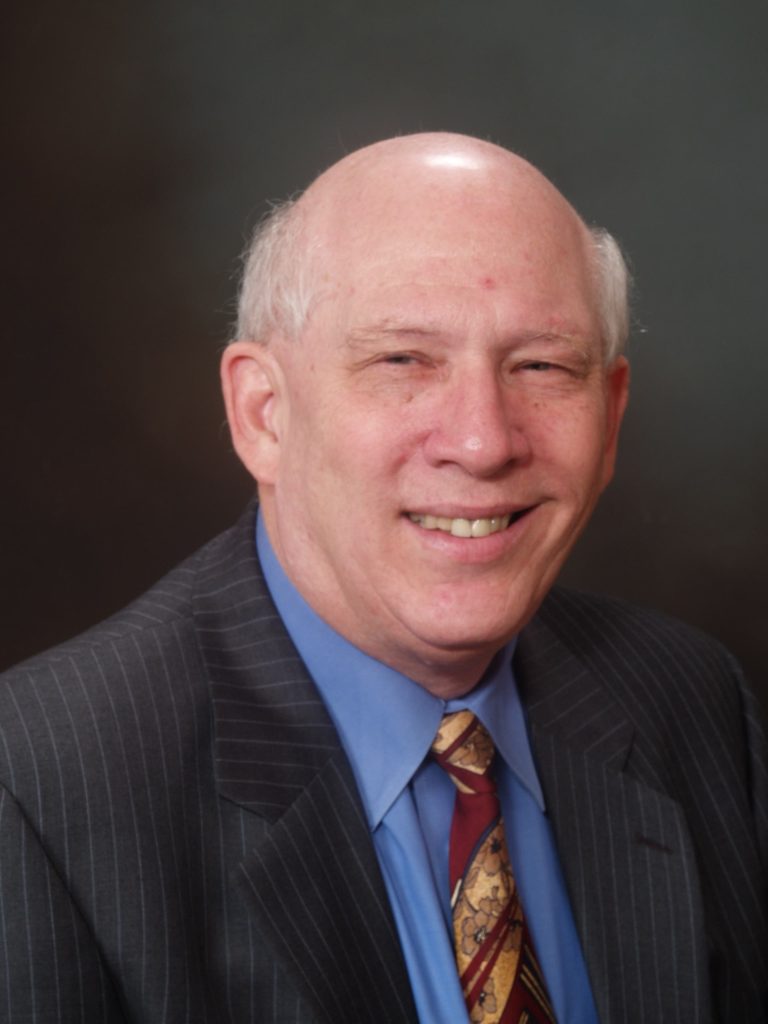
Visiting Professor of Law William Henning

An expert in the Uniform Commercial Code, Henning has a passion for reforming commercial laws to better reflect the needs of people. He visits Stetson Law from Texas A&M University School of Law, where he taught Contracts, Sales & Leases of Goods, Secured Transactions, and other courses. He has been a law professor for over four decades; his teaching experience also includes the University of Missouri Columbia School of Law and the University of Alabama School of Law.

Henning is a life member of the Uniform Law Commission and a member of the American Law Institute. He received his B.A. from the University of Tennessee-Chattanooga, his J.D. from the University of Tennessee College of Law, and an LL.M. from the University of Illinois College of Law.

Jaclyn Lopez, Assistant Professor of Law

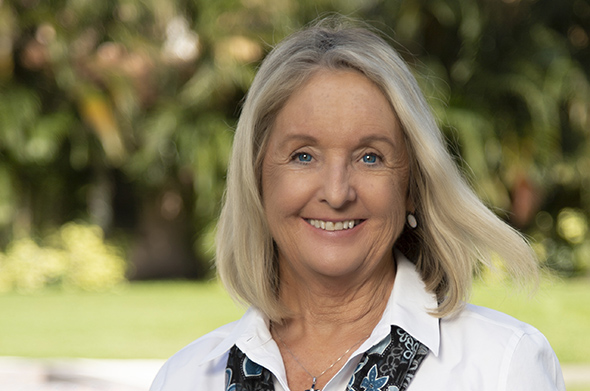
A headshot of Stetson Law Professor Jaclyn Lopez in front of a hilly outdoor backdrop.
Stetson Law Professor Jaclyn Lopez

A Florida native with a passion for conserving the state’s wildlife and natural spaces, Lopez comes to Stetson Law from the Center for Biological Diversity, where she served as the environmental nonprofit’s Florida Director and senior attorney. She holds an LL.M. in environmental and land-use law from the University of Florida and a J.D. from the University of Denver Sturm College of Law. She also holds a master’s degree in urban planning from the University of Arizona.

While at the Center for Biological Diversity, Lopez’s work involved advocating for protection of ecosystems in the Caribbean and the Southeast U.S. She has written, taught, and presented extensively on environmental topics, including at Stetson Law. Lopez presented on red tide in Florida waterways in August of 2021 as part of the Edward and Bonnie Foreman Biodiversity Lecture Series. In January of 2017, she spoke about the hazards of Florida’s phosphate industry as part of the series, and in April of 2016, she presented at the 16th International Wildlife Law Conference on “The Miraculous Life of a Sea Turtle.” She also served as a final-round judge for the 2020 International Environmental Moot Court Competition.

American Law Institute Names Professor Podgor A Life Member

Law Professor Ellen Podgor smiles in front of the library.
Law Professor Ellen Podgor, an expert in white collar crime

For her 25 years of service to its mission of clarifying, simplifying, and modernizing common law, the American Law Institute has given prestigious Life Member status to Stetson Law Professor Ellen Podgor.

Podgor, a nationally recognized criminal law scholar whose award-winning work focuses on white collar crime, was nominated to ALI and elected to the group in 1997. While several other Stetson Law faculty members are members, she is the only current faculty member to have a Life Membership.

Exclusive group, invaluable work

Currently on the eve of its centennial, the institute has been dedicated to the mission of making the law clearer, more consistent, and reflective of modern society since its founding in 1923. Its work entails drafting, discussing, refining, and publishing “Restatements of the Law, Model Codes, and Principles of Law that are enormously influential in the courts and legislatures, as well as in legal scholarship and education,” according to the organization’s website.

The ALI consists of law professors, lawyers, and judges who have earned significant achievements in their field and have shown interest in making the legal system better serve the people. Prospective members are nominated by current members, and the recommendation must be backed by at least two other members.

Rethinking the penal code

Since joining ALI, Podgor has been a member of six of the organization’s consultative projects, and has been an active member of the Model Penal Code Sentencing Project. The effort aims to examine the sentencing guidelines of the ALI’s existing Model Penal Code “in light of the many changes in sentencing philosophy and practice that have taken place” since the code was developed more than half a century ago.

Several years ago, she was also co-author, along with Rutgers Law Professor Roger Clark, of the Motion to Oppose the Death Penalty. Although the membership did not vote to oppose the death penalty, they did, two years later, remove the death penalty provisions from the Model Penal Code.

“Law reform work can often feel tedious as one works line-by-line through proposed statutory language,” Podgor said. “It is enormously rewarding, however, to look back over the past 25 years of being a part of the ALI’s important work and see all that has been accomplished to advance our legal process. But it is also important to recognize that there is so much more work yet to be done.”

Stetson Law’s ALI legacy

A popular professor who has authored numerous books and articles on white collar crime and other aspects of criminal law, has been quoted on major cases in national media outlets, and launched Stetson’s Law’s Business Law Review Symposium, Podgor was named the college’s Gary R. Trombley Family White-Collar Crime Research Professor in 2011. She is editor of the highly regarded White Collar Crime Law Prof Blog.

Those who have worked with her over the years say her ALI Life Member status is fitting.

“Achieving Life Member status is a well-deserved recognition Professor Podgor has received for her dedication to law reform and justice,” said Stetson Law Interim Dean Theresa Pulley Radwan, who is also an ALI member. “She elevates everything in which she is involved, and we are incredibly fortunate that she is a member of the Stetson Law community.”

The other Stetson Law faculty members belonging to the ALI are professors Kristen Adams, Rebecca Morgan, Luz Nagle, and Candace Zierdt, as well as Liz Moody, emeritus professor, who is also a Life Member.


Professor Flowers Inducted as NAELA Board President

A headshot of Professor Roberta Flowers, who is smiling before a backdrop of greenery.
Stetson Law Professor Roberta Flowers

On the heels of her one-year term as vice president of the National Academy of Elder Law Attorneys (NAELA), Stetson Law Professor Roberta Flowers has taken the reins as the board’s president.

Her new role became official Saturday, May 14 at the 2022 NAELA Annual Conference in Scottsdale, Arizona. Founded in 1987, the organization offers resources to attorneys, professional organizations and other entities whose work involves helping older and disabled Americans resolve problems unique to those populations. This work includes helping clients make critical healthcare decisions, drafting of special needs trusts, and seeking income benefits.

Building the elder law community

For Flowers, the role is the culmination of many years of leadership in the elder law community. She said her new title is an honor.

“I am so honored to serve as the president of the National Academy of Elder Law Attorneys. NAELA attorneys are compassionate, talented, and professional,” Flowers said. “It is an amazing group and I am proud to be a member.”

Over her term, Flowers said she has big plans for the nonprofit that aim to continue the legacy of the organization’s founders in maintaining the “NAELA kindred spirit” while welcoming the next generation of elder and disability law attorneys. 

She added that she will be looking for ways to encourage people of color to join the organization’s ranks so NAELA can continue to find ways to serve underrepresented communities. Concentrating on new technologies and ways to engage new elder and disability law attorneys will also be a priority.

A legacy of compassion & forward-thinking

A pioneering force for elder law at Stetson University College of Law and beyond, Flowers is director of Stetson Law’s Center for Excellence in Elder Law. Flowers and another elder law leader at Stetson Law, Professor Rebecca Morgan, were given the Florida Supreme Court Professionalism Award for a series of videos they created to train attorneys on how to confront ethical challenges that arise in elder law cases. They also created the first “elder-friendly courtroom” designed to accommodate the unique needs of elder Americans.

Under Flowers’ and Morgan’s leadership, Stetson Law hosts the annual National Conference on Special Needs Planning and Special Needs Trusts at the Vinoy Renaissance Resort & Golf Club in downtown St. Petersburg. This year’s event takes place October 12-14 and will feature nationally known speakers with critical insights on special needs trusts.

Mullins, Morrissey & Davis Earn Faculty Awards

The headshots of professors Anne Mullins, Joseph Morrissey, and Kirsten Davis
Professors Anne Mullins, Joseph Morrissey, and Kirsten Davis were recognized for excellence in teaching, scholarship, and research, respectively, in spring of 2022.

As the 2021-2022 academic year drew to a close, Stetson University College of Law Dean Michèle Alexandre recognized Stetson Law faculty members whose work best reflects the law school’s mission. The series of awards honored them for their impact on student achievement and Stetson Law’s national reputation.

The Homer & Dolly Hand Award in Faculty Research: Professor Kirsten Davis

Stetson Law alumna Dolly Hand established this award to honor faculty who are dedicated teachers, have recent notable scholarship or creative work achievements in their areas of expertise, and who strive to make a difference within their communities.

Professor Kirsten Davis’ work has gone above and beyond those criteria.

In recent years, she has been exploring the role of lawyers as citizens with a special responsibility for justice, a role that every state’s ethics rules recognize. Through a lens guided by rhetorical theory, her scholarly, creative, and service work has explored lawyers’ professional identity as a rhetorical practice – in particular, the lawyer’s ability and obligation to speak as public citizens on matters of public concern, including social justice.  

This work includes two scholarly articles, a book chapter, regular posts on LawProf Blog Network Appellate Advocacy Blog, and service that includes participating in the Florida Bar’s Special Committee to Review Professionalism in Florida.

The Dickerson-Brown Award in Faculty Scholarship: Professor Anne Mullins

Selected by the Dean with input from the Faculty Scholarship Committee, this award recognizes a faculty member who has published a book in the past two years, or multiple, highly regarded works of scholarship over a two-year period, thereby helping significantly enhance the College of Law’s academic reputation.

Professor Anne Mullins, who said she was “thrilled to receive the award,” said three projects were critical in helping her earn the recognition. She authored the new textbook Florida Legal Research, which multiple law schools throughout the state have adopted. As part of the Feminist Judgments Project, she reimagined U.S. Supreme Court Justice Clarence Thomas’s opinion in Desert Palace, Inc. v. Costa in a way that reached “the same ultimate result but through the application of feminist theory and very different rhetorical techniques.” The third project, Unending Conversation, involves working with the Stetson Law Review Forum to “feature essays responding to extant legal writing scholarship.”

She said working with students on Unending Conversation has been incredibly rewarding.

“I had the opportunity to work with an exceptional team of Stetson Law Review staffers, led by Liz Kellar, alongside a group of nationally known legal writing scholars,” Mullins said. “Every member of the project was incredibly thoughtful, engaged, and hard-working. They really inspired me in my work on the project.”

The Excellence in Teaching Award: Professor Joseph Morrissey

This award is given to a full-time professor who has made outstanding contributions in teaching students both inside and outside the classroom – as well as by example. A professor who is part of Stetson Law’s business law concentration faculty, Professor Joseph Morrissey was named the 2021-2023 Leroy Highbaugh Research Chair in May of 2021. Under that designation, he is researching and writing a book on surrogacy. He said it’s an honor to yet again be recognized for his passion for teaching and mentoring students.

“I’m deeply honored to receive this year’s Excellence in Teaching Award,” said Morrissey. “For me, working with and mentoring students is the reason I came to academia. It’s truly a privilege to be a part of each student’s personal and professional development. Moreover it is absolutely energizing to work with our students, who are generally infectiously enthusiastic about the future.”

Rebecca Morgan wins national elder law award

The Powley Elder Law Award, given to someone who has demonstrated commitment to promote greater understanding of rights and needs of older adults and people with disabilities.

The National Academy of Elder Law Attorneys (NAELA) announced that Stetson Law’s own Professor Rebecca C. Morgan is the winner of the 2020 Powley Elder Law Award.

The award is presented annually to a NAELA member who is recognized in his or her community as a leader in promoting a greater understanding of the rights and needs of the elderly and people with special needs, and of how elder law attorneys advocate for those rights.

Professor Rebecca Morgan.
Professor Rebecca Morgan

“I’m not usually at a loss for words, but when I got the call that I had been picked as the recipient, I have to say, I was at a loss for words,” Morgan said.

NAELA organizers pointed to a number of reasons Morgan was selected for this year’s distinction.

She was an elder law attorney before it was a specialty and founded the Center for Excellence in Elder Law at Stetson University College of Law. She created an elder law curriculum for JD students, many of whom have gone into the field.

Morgan has held many leadership roles during her career, has been recognized by the U.S. Supreme Court for founding the Penick Inns of Court for Elder Law, and is a valued speaker domestically and internationally.

Her many accomplishments are of less importance, they said, than the fact that she walks-the-walk, giving not only of her knowledge, but her time and resources to seniors in St. Petersburg, Fla., where she lives. She and her husband, Jay, were given the keys to the City of St. Petersburg for service and contributions to elders. They recently constructed a model apartment adjacent to their home, which is a prototype for home living for compromised seniors who want to remain home but lack the assistive features that would allow them to do so.

Morgan was also the impetus behind the country’s first age-friendly courtroom at Stetson Law. It was designed specifically with the needs of elderly people in mind, including thoughtful features such as color schemes designed to enhance the vision of elders and rounded corners on all tables and desks. In 2007, Morgan began an online LL.M. program in elder law that enables professionals to enhance their legal education. 

“She is not a board member for accolades, she is an active participant whose special talent is to connect people to people, people to organizations, and organizations to organizations – all for the purpose of improving the lives of seniors in an amazing variety of ways. Becky Morgan is the most innovative, proactive, responsible, and caring individual I’ve ever known, and there is no more deserving Powley Award recipient.”

Mary Alice Jackson, the person who nominated Rebecca Morgan for the award

For Morgan, it is all part of her lifelong effort to provide specialized legal services to the elderly —- a calling that she says is still critical.

“Now, more than ever, it is so important for attorneys to do the good work in elder law.”

The Powley Elder Law Award was established in the memory of Wes and Helen Powley, grandparents of NAELA member Timothy L. Takacs, of Hendersonville, Tenn. Both Wes and Helen were active in civic affairs for all of their lives, and Wes practiced dentistry well into his 80s. The award is funded by a grant from the Takacs Family Foundation.

Watch Professor Morgan’s Powley Award acceptance video.

About NAELA

Members of the National Academy of Elder Law Attorneys (NAELA) are attorneys who are experienced and trained in working with the legal problems of aging Americans and individuals of all ages with disabilities. Upon joining, NAELA member attorneys agree to adhere to the NAELA Aspirational Standards. Established in 1987, NAELA is a non-profit association that assists lawyers, bar organizations, and others. The mission of the National Academy of Elder Law Attorneys is to educate, inspire, serve, and provide community to attorneys with practices in elder and special needs law. NAELA currently has members across the United States, Canada, Australia, and the United Kingdom. For more information, visit NAELA.org, or to locate a NAELA member in your area, visit NAELA.org/findlawyer.

Linda S. Anderson publishes book on Florida Bar Exam essay prep

Linda S. Anderson, professor of law, wrote Florida Bar Exam Essay Prep: Strategies and Study Materials published by Cognella Academic Publishing. The book is a combination of substantive rules important for the Florida Bar Exam essays and specific study techniques and tools.

With the Florida Bar Exam now scheduled for an online format in August because of COVID-19 challenges and concerns, this new book offers students additional guidance as they prepare.

From the publisher

Florida Bar Exam Essay Prep: Strategies and Study Material helps students cultivate the legal writing skills necessary to craft effective responses to the essay portion of the Florida Bar Exam. The text covers essential rules for a variety of subjects and equips students with tools and strategies for studying, memorizing, and retaining large amounts of information.

The Florida Board of Bar Examiners identifies a long list of subject areas from which they create the questions on the Florida Bar Exam. This book focuses on the subject areas that have been tested more frequently than others and emphasizes rules specific to Florida.

Opening chapters provide an overview of the Florida Bar Exam, basic skills for writing a bar essay, and proven study strategies. Additional chapters address intentional torts, negligence, strict liability and product liability, Florida constitutional law, contracts, real property, landlord-tenant law, family law, trusts, and professional responsibility. End-of-chapter checklists, sample essay questions, and introductions reinforce key learnings.

Florida Bar Exam Essay Prep is an essential resource for law students preparing for the bar or attorneys licensed in other states who wish to practice in Florida.