Week 8 – COACH

This week, I focused heavily on my final project. Just to clarify how I conducted the survey: I posted it as a student working on a school project about COACH, not as a brand employee. I felt it was important to make that distinction, as I don’t have the authority to represent the brand officially, and presenting myself that way could be compromising for both me and COACH. So I chose to keep it neutral.

I only received 18 responses (which wasn’t the number I was aiming for), but those 18 participants were incredibly engaged. Many of them wrote in-depth responses about their experiences with the brand, and their feedback was extremely insightful. I plan to quote a few of their comments in my final presentation to reinforce my key points with real voices from the audience.

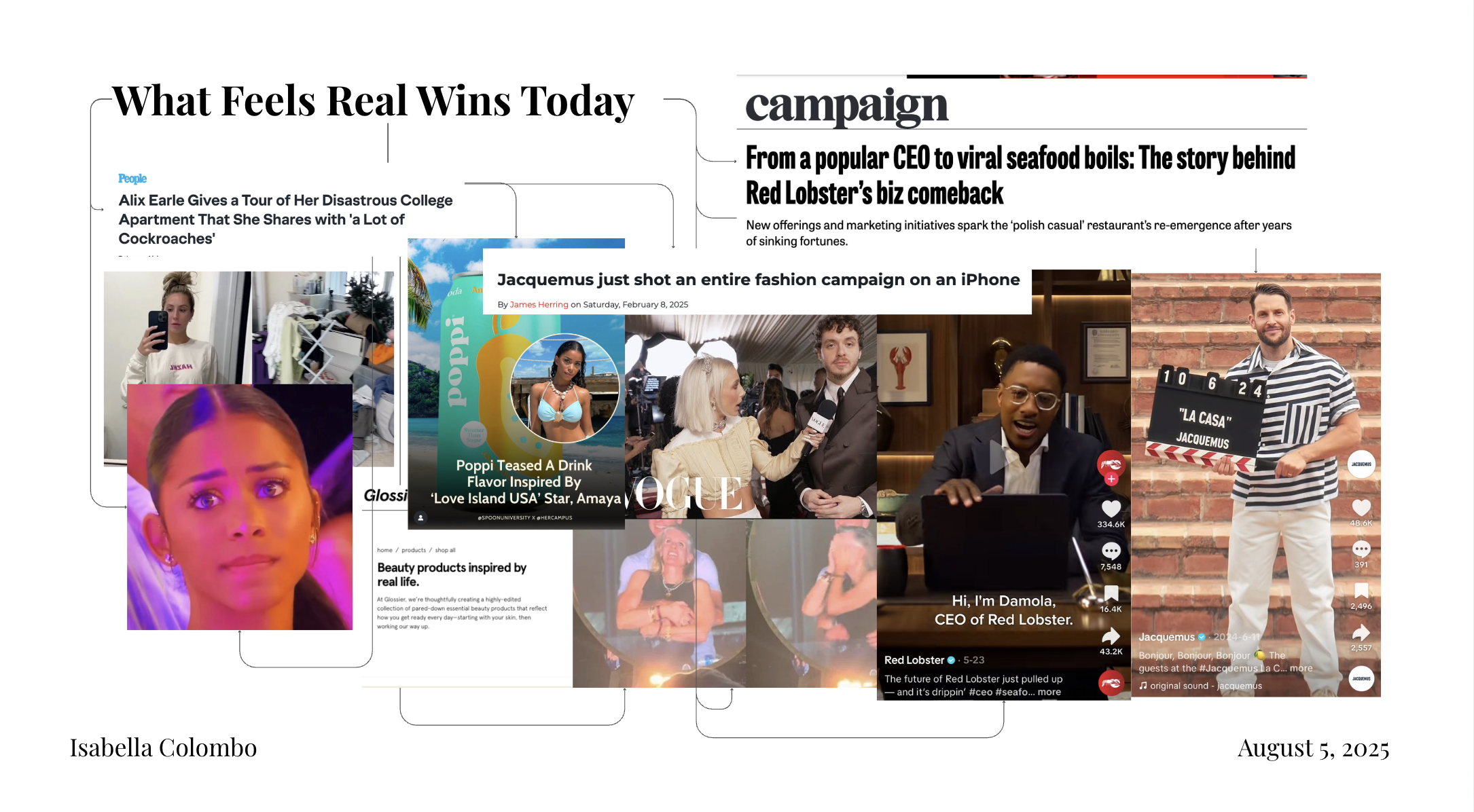
As for the presentation itself, I’m planning to open it with a look at some of the most viral content from the past two years — analyzing what they have in common and why they went viral. The answer? They all share the same quality: authenticity. Real life, unfiltered, unscripted content. Just real people doing real things. I think this is a strong way to start the presentation and get the audience thinking about why “real” content resonates so deeply, especially with Gen Z, who are craving authenticity, experience, and community. And the main place they seek that is on social media. Brands either adapt to this shift or risk being left behind.

I did a lot of research and found valuable data from recent Vogue Business reports, including performance insights from top fashion brands. The data shows how social media presence and engagement directly correlate with brand growth. Brands like Jacquemus and Dior are evolving by becoming more approachable and relatable online — a major shift from the traditional luxury image of exclusivity and distance. People now want to feel represented. They want authenticity, diversity, and emotional connection — and that is exactly the foundation of my project.
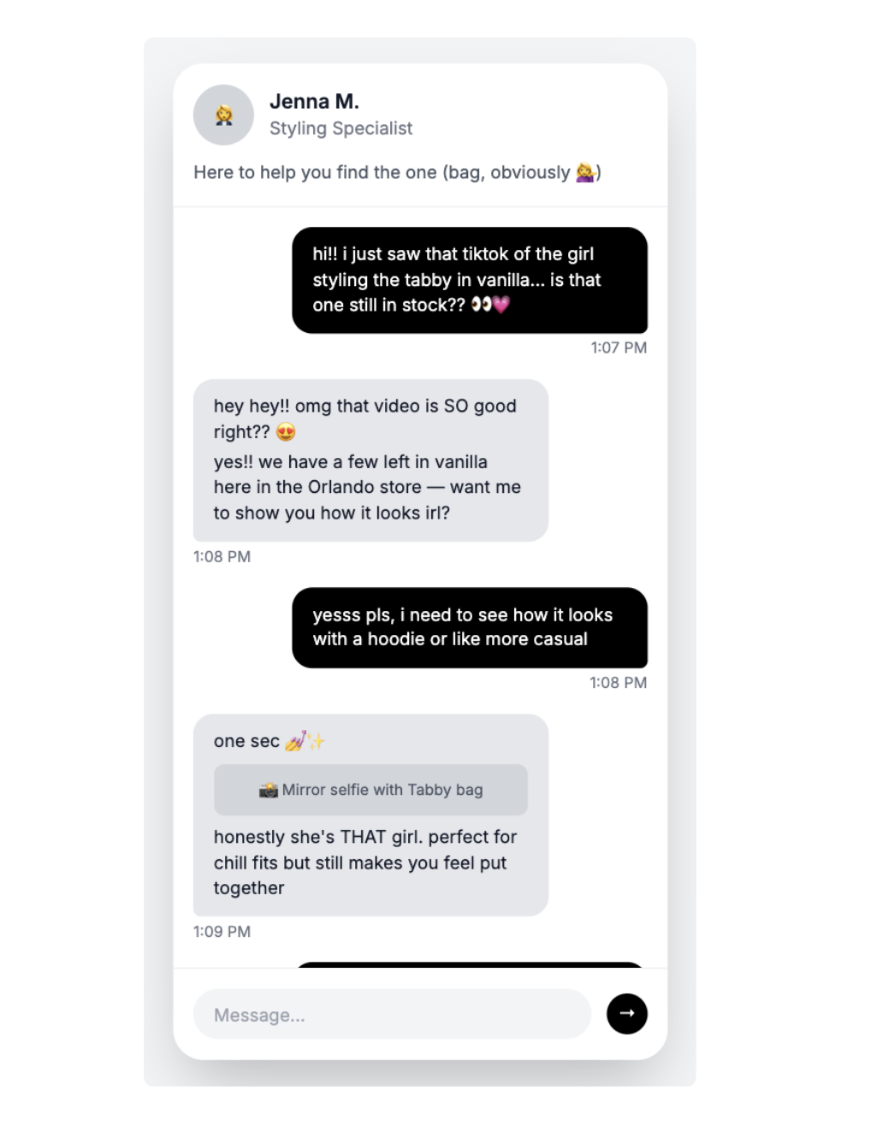
I also made great progress on the visual elements of my presentation. Using Canva AI, I created an interactive, simulated chat between a customer and a COACH sales associate. This supports one of my key strategies: clienteling. It’s all about creating a direct communication channel between the brand and the customer. Not just to support the purchase decision, but to build a deeper, more human connection. My presentation follows the “show, don’t tell” approach — no long bullet points or dense slides. Instead, I’m using visuals, examples, mockups, videos, and links to make everything seamless and easy to understand. That’s where my interest in UX really comes into play.

On the corporate side, we had two amazing calls this week. The first was about the COACH (Re)Loved + Sustainability initiative. This program transforms old, irreparable bags into something completely new and unique, giving them a second life. The call focused on how sustainability is not just an environmental responsibility, but also a key purchasing factor for younger generations. COACH is prioritizing sustainable practices more than ever, understanding that this shift is both urgent and expected by consumers.
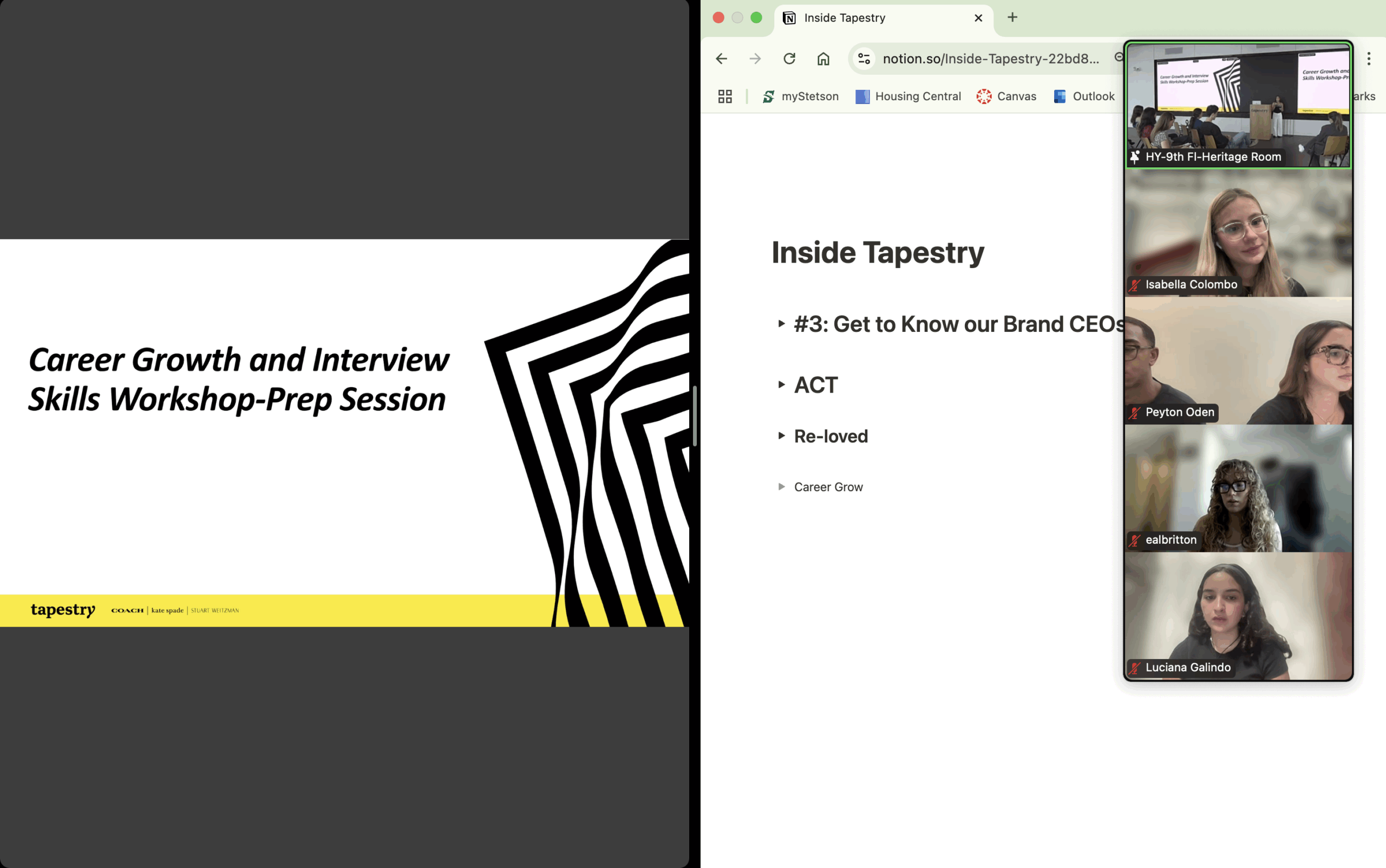
The second call was all about career growth and interview tips, led by the Talent Acquisition team. It was especially valuable because they offered specific guidance for interviews with Tapestry, in case we decide to pursue roles within the company in the future. They explained the types of questions they ask, what they’re looking for in candidates, and the rationale behind their process. As someone who is definitely interested in returning to the brand, I found this session incredibly helpful and motivating.
Week 7 – COACH

During Week 7 of the internship, we had a call with a group of leaders from COACH who are part of a program called ACT — an elite initiative for store and general managers. We learned about the structure of the program, who participates, how it’s implemented, and the results it generates. The ACT program includes top-performing store managers from across the U.S., and each participant is challenged to develop a year-long project focused on analyzing different teams and stores at COACH. The goal is to create a plan that helps them grow as leaders, and also support the development of others through mentorship.

Throughout this internship, I’ve already learned a lot about leadership. But this conversation helped me understand the more technical side of it: how to approach colleagues, how to inspire rather than give orders, how to communicate clearly and meaningfully, how to set goals, and how to navigate difficult conversations — whether it’s about performance, expectations, or customer interactions. It was incredibly valuable to gain practical strategies that go beyond theory. Sometimes people assume being a leader is just about directing others, but I’m learning that real leadership is about guidance, connection, and setting an example.

Later in the week, we visited the COACH retail store at the Mall at Millenia to observe their daily operations, customer experience, business performance, and visual merchandising. It was both insightful and engaging — and admittedly a bit challenging because I wanted every single bag in the store (so yes, I also had to practice self-control! kkkkkkk).

We reviewed their KPIs and compared them to outlet store performance. For instance, the total weekly sales volume in retail is often what outlets can achieve in just a few hours. However, the retail customer experience is elevated. Thanks to the calmer environment, retail teams can fully implement the COACH service approach: Connect, Build, Close, and Continue. It was interesting to compare both segments and see how they complement each other — outlets drive business volume, while retail stores sustain the brand identity and deepen customer relationships.

We were also introduced to a new project this week: a business performance presentation to Glenn King, Divisional Vice President. Interns are pairing up — I’ll be working with Marlo since we’re placed at the same location — to analyze our store’s business dashboard and present KPIs, customer demographics, product performance, and business insights. It mirrors the presentations store managers deliver to COACH leadership, and it’s an opportunity for us to train and develop our technical and analytical skills.

Although it’s a bit overwhelming considering our final project presentation is scheduled for August 5 and this one is on August 8, I’m genuinely excited. It’s another opportunity to apply what I’ve learned, showcase my skills, and gain a deeper understanding of the business. As a Digital Arts major with a strong interest in marketing, I really value experiences like this — especially since I don’t always get this level of business exposure through my marketing minor. I’m embracing every learning opportunity and challenge with enthusiasm.

Week 9

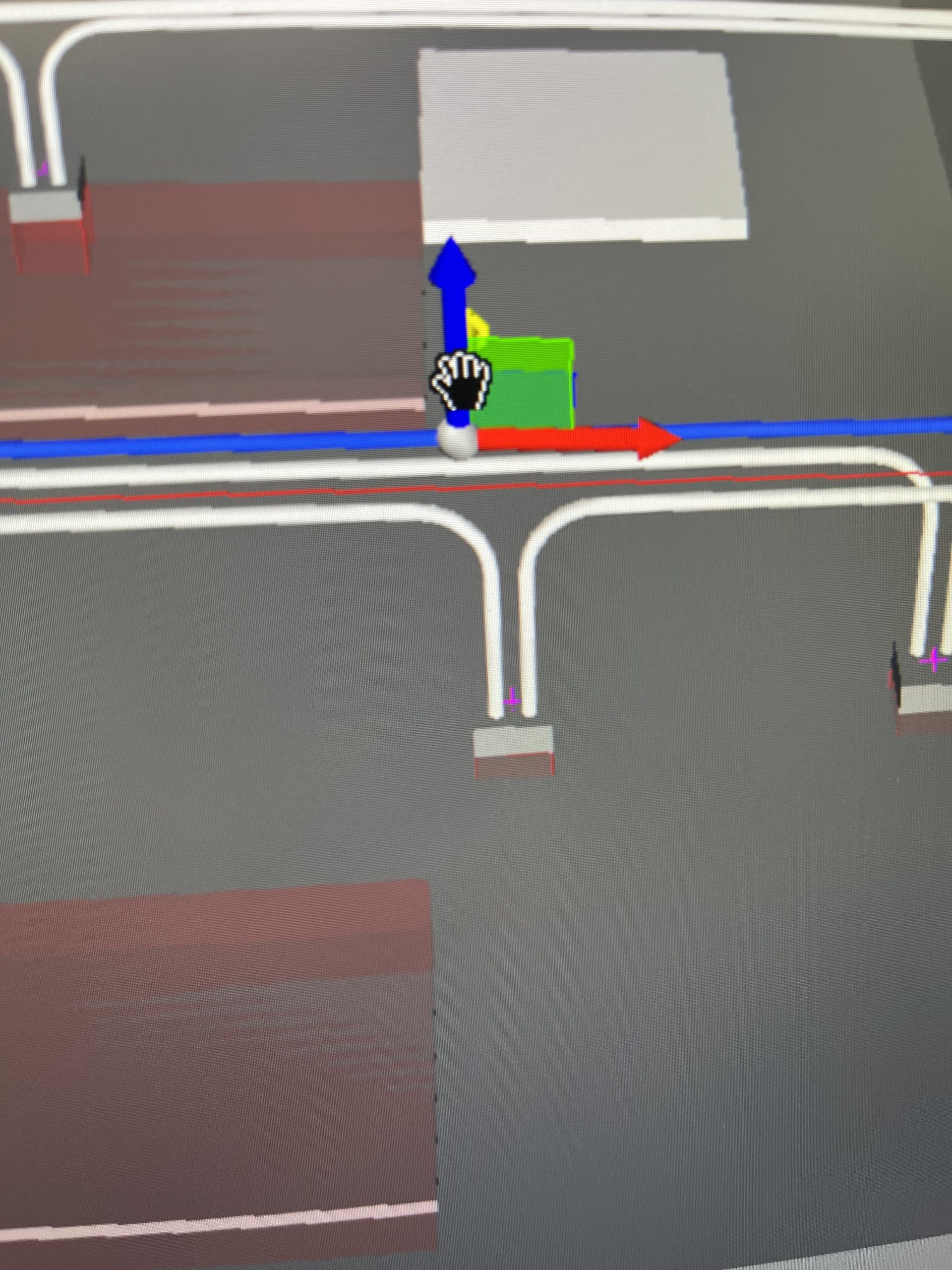
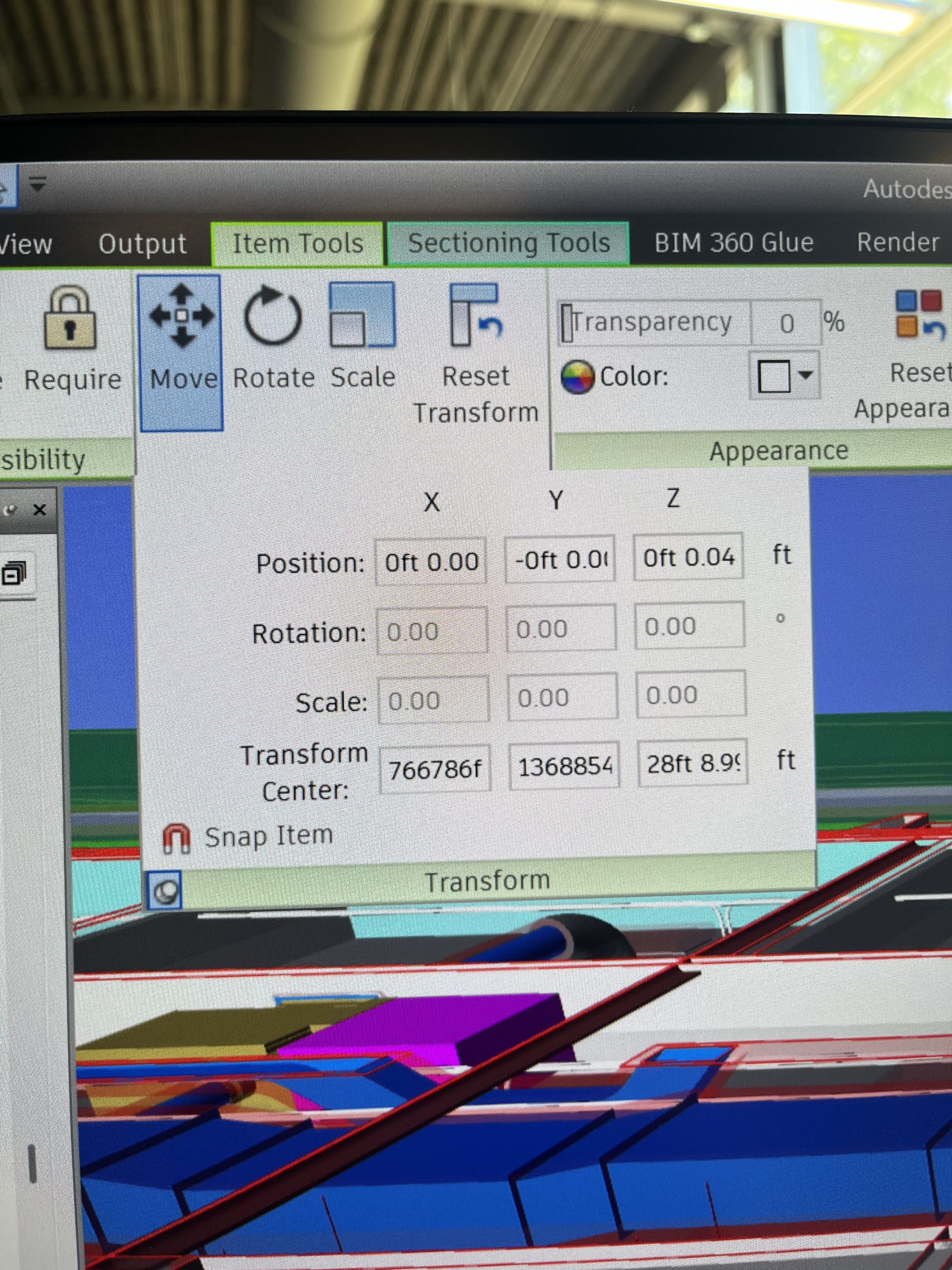
A long week to put it simply. With class and football season starting up and being thrown into the mix of finishing the internship strong. I was still working in the same floor going through the routine of clash detection. Megan’s wondrous trick of the week for me was within Navis again. You can move and manipulate the conduit within Navis to gauge how much you have to move something on vertically or horizontally. Transforming and being able to see what the move will look like in Navis before I change it in the model is a game changer. Unlike using the measuring tool to just get the calculation of how far I need to move the conduit, I get to actually see what the result will be for an entire run or the specific clash I am trying to avoid. This tool has a similar function to adjusting and transforming the entire floor and sections of what you are able to see

The highlighted blue box in the bottom left corner allows you to pin the screen down so you don’t have to keep opening it up as you move around.

The blue red and green arrows is exactly the same for when using the move tool for sectioning off areas and different levels.

Next week will be more of the same work until the exit interviews and the wrapping up of the summer. Discussing the work I’ve done, and laying down what the next steps look like here at Miller! This summer has definitely flown by!

Phoenix Generation Internship Week 8

After multiple sessions of recording podcasts and interviews, week 8 was spent on editing and communicating with the recording studio. No cameras were rolling, but the lessons we learned were no less important.

Editing Marathon

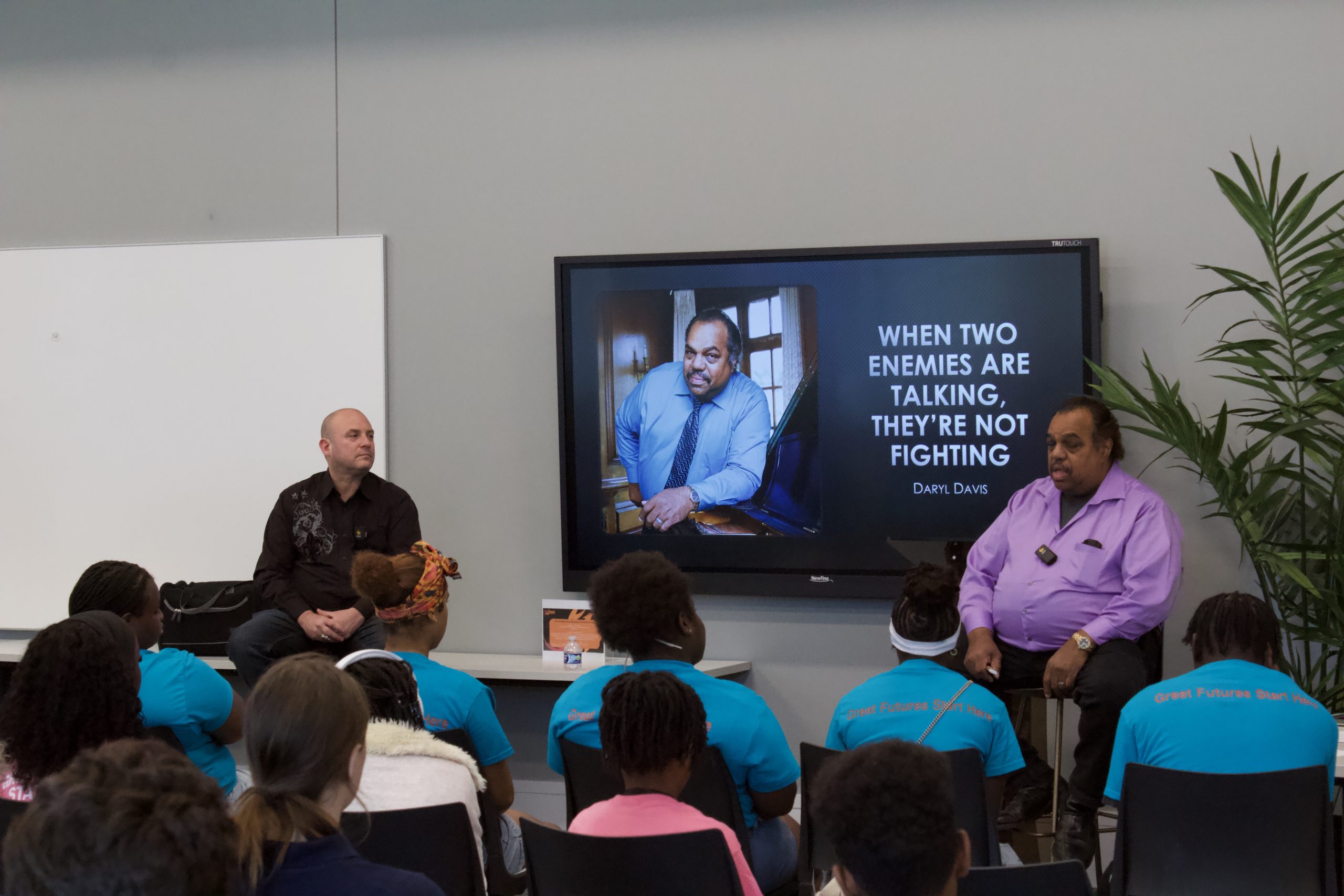
With the recording paused, we had some time to finish editing our old interview. First was the 50-minute Daryl Davis interview from Courageous Conversations. I incorporated Dr. Lua’s feedback, made color correction changes, and added an outro. I exported it, and after the review, it was fully ready for publishing.

Next came the interviews with Alan Ginsburg and Marc McMurrin. They were shorter, cleaner, and mostly raw – it required much less editing work compared to Daryl’s lengthy interview. By mid-week, both were rendered and ready for final approval. We still have minor changes to make in those interviews, but they are mostly done too. Dr. Lua’s interview is still in the works, but I am confident that we can finish it relatively soon. Each finished project is a little checkpoint that reminds me how much this internship experience has taught me in just eight weeks.

Communication with Recording Studio

While exporting video footage, a bigger problem arose: the July 10 Let’s Get Deep session returned as fifty minutes of complete darkness for one of the guests’ videos – perfect audio, no video. Hi-Hello’s system didn’t capture the footage on their system, and their camera backups weren’t started.  

I wrote a detailed email explaining the loss and asking for clarity, a refund, or at least a credit for a reshoot. Their reply was, “We do not have any backup. We did not handle the recording; therefore, it is not our responsibility.” This was, after we had double-checked with them that everything was good to go. There was no refund, but it was a valuable lesson, as I have previously not had an experience with resolving such problems.

Reflection

Week eight showed that post-production is part creativity and part crisis management. Turning raw interviews into ready-to-publish material feels great, but finding a black screen where footage should be does not. The studio’s response was not as we expected, but it pushed us to tighten our workflow and have multiple checks before starting the recording.

Week 8

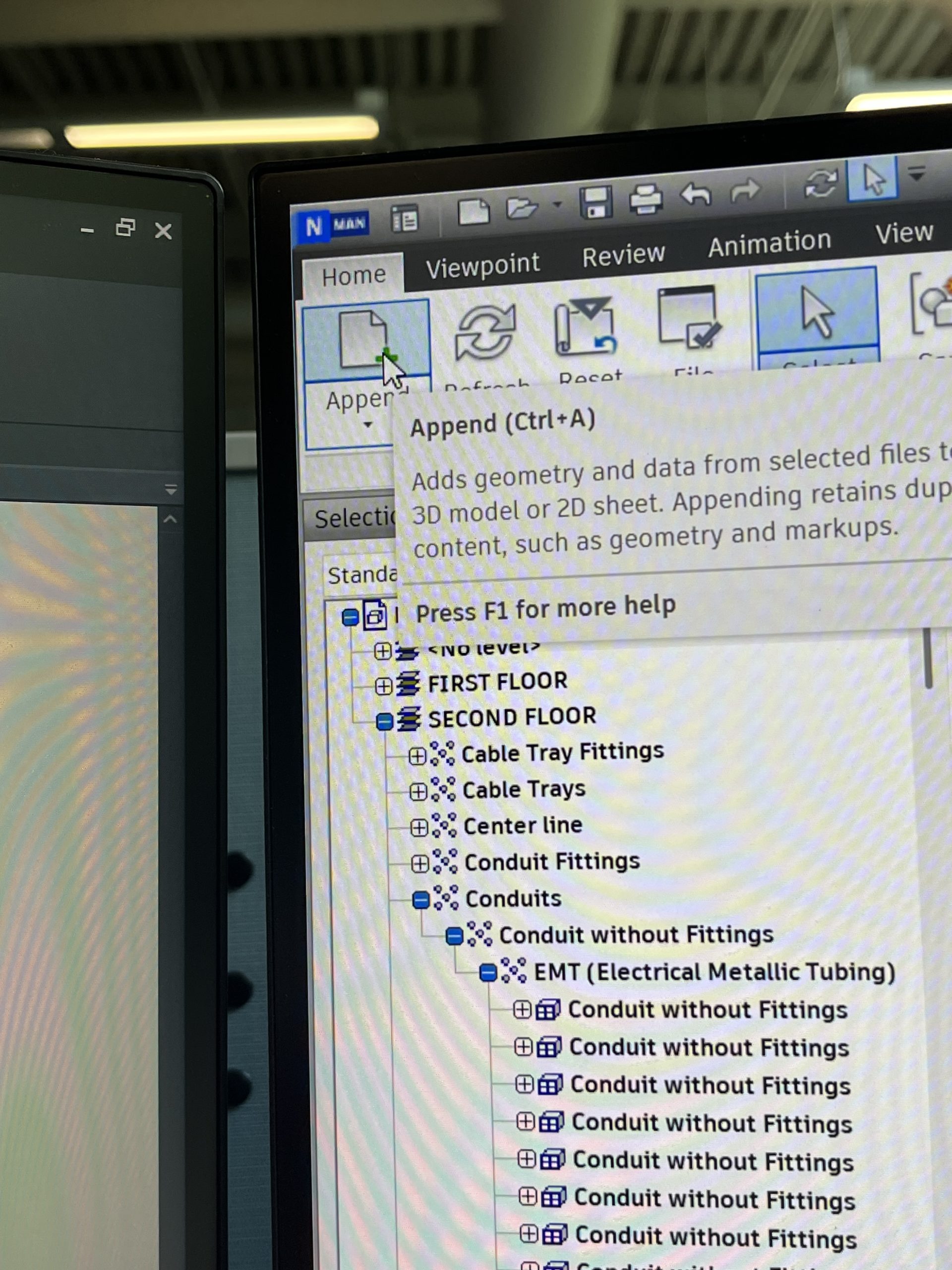
Another week of the same work as the last. Lots of clash detection and moving conduit out of the way of HVAC. A trick I learned in Navisworks, the software that shows other trades, you can section off only what I want to export from Revit to Navis. The export feature allows you to append only what you have modeled to compare with the trades. This helps to not overload the software and make it run smoothly when you are trying to work quickly in one specific area. The model can also be refreshed without having to reopen it constantly.

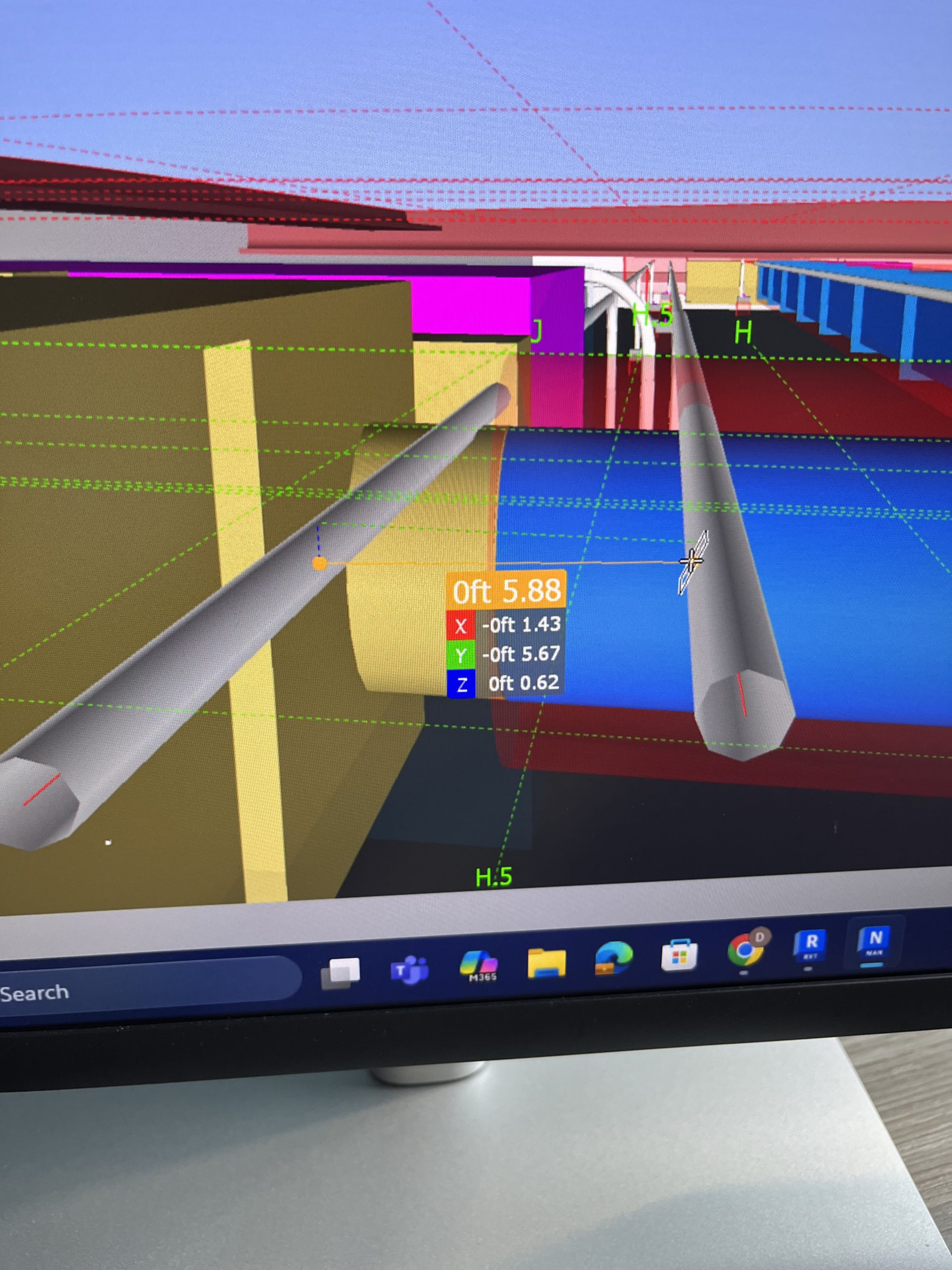
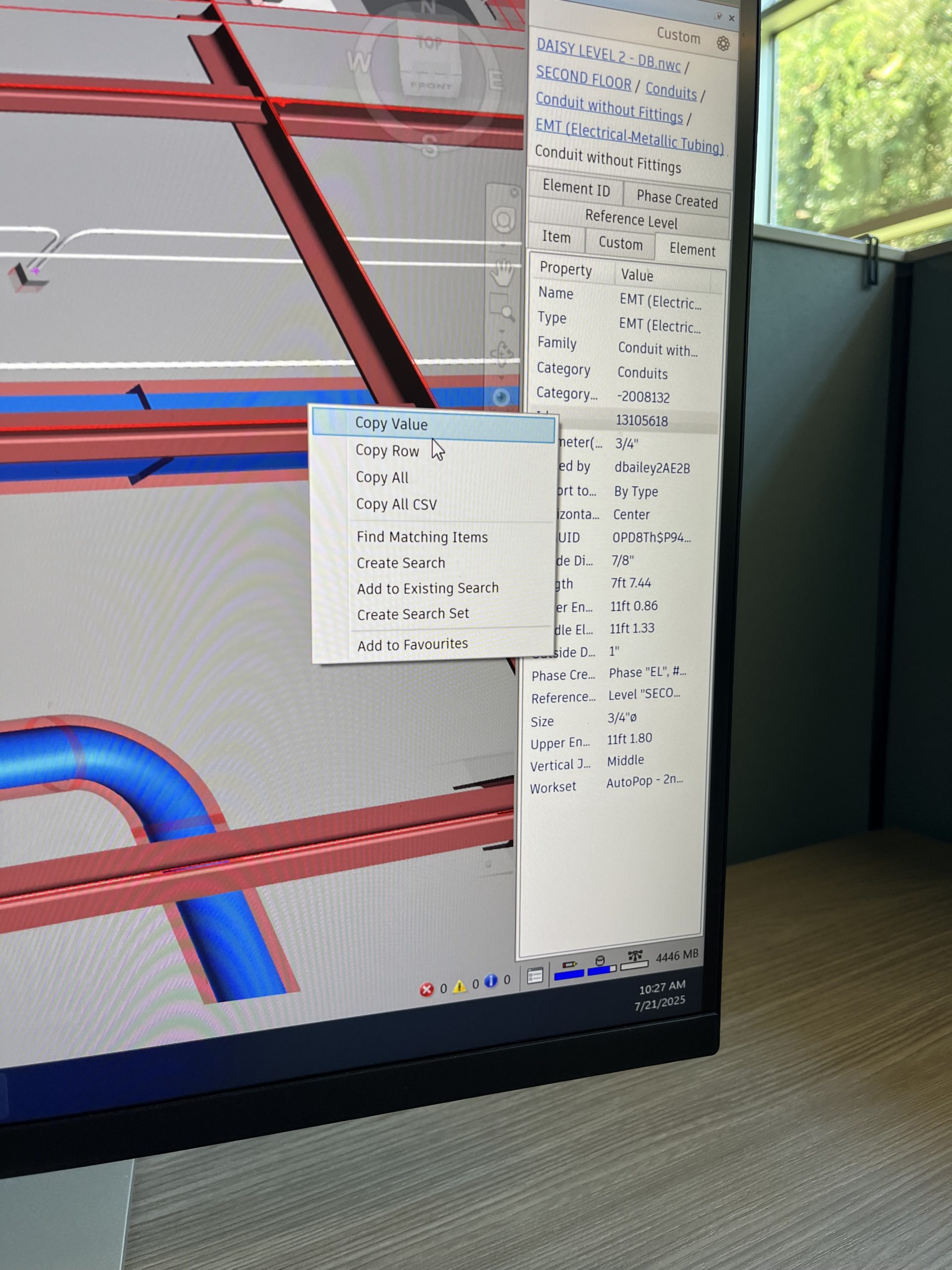
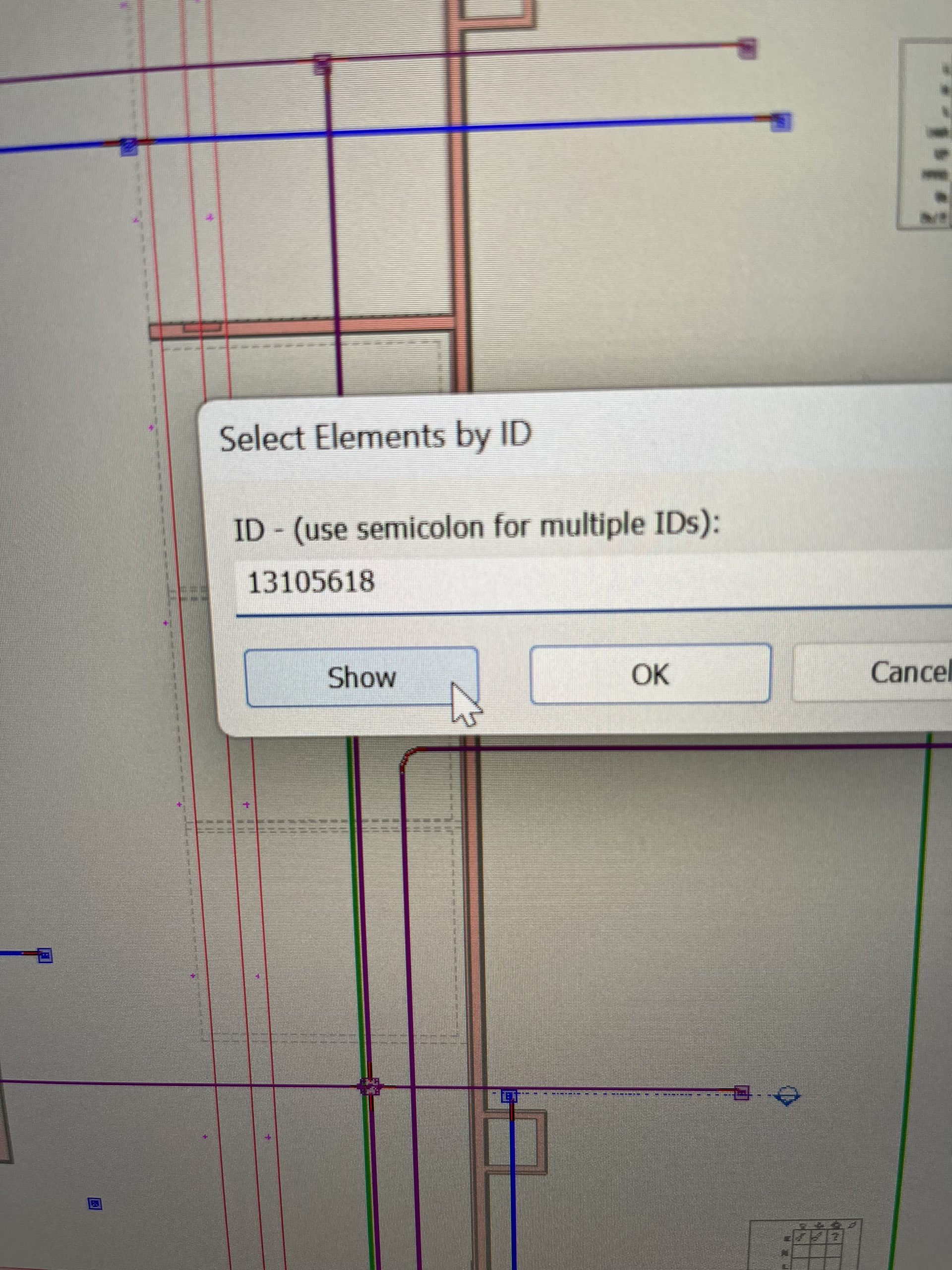
Once inside Navis you can look up specific conduit IDs and then look up the precise location of it in Revit. This helps to find what you need to move instantly instead of having to scroll around and compare the floor in Navis and Revit. Navis also has a measuring tool. It can adjust and snap to the all sides of two objects you are trying to measure between. A very helpful tool when trying to fit conduit into tight spaces that need exact measurements. The Navis software also allows you to view every floor of the building or project. As well as adjust that floor and check on and off different planes for different floors or adjust horizontally or vertically what is displayed

Here is a picture of the measuring tool. Getting the measurement of the side of one conduit to another.

This picture is the exported file from Revit appended to the Navis main file along with the refresh button when changes are made.

These two pictures are showing how you can lookup the conduit IDs from Navis to Revit

Although this week was more of the same as the past couple it was no less rewarding and fulfilling.

Phoenix Generation Internship Week 7

This week, we started filming the first podcasts, which we had been planning for a long time, writing scripts, and getting equipment. Things didn’t go exactly as planned, but we made progress.

Magazine Meeting

Early in the week, Mr. Marc proposed a big idea: a magazine and annual report to release in January 2026. Since I work on The Reporter at Stetson, I volunteered to help with the design. We sent out a Doodle poll, scheduled a brainstorming session, and I promised to bring sample spreads from my past layouts. Seeing my skills combined with Phoenix Generation’s tasks feels like a perfect match. It also reminds me that my InDesign skills are still useful in a video-heavy internship.

First Podcast Shoot – Diverse Talks 

Monday was our first official recording day. The concept is simple: gather students from different countries and share culture-shock stories. We created a Google Form, informed our guests, and prepared questions like “What’s a stereotype about your home that’s wrong?” Fifteen minutes before call time, one of the guests texted that his car broke down and he could not make it. Five minutes later, another one canceled too. We had two empty chairs in a recording studio, and we had to figure out something as the time of recording just keeps going. The other podcast intern and I switched our behind-the-camera roles, jumped on set, and started being recorded. Surprisingly, the conversation felt natural – probably because we didn’t have time to overthink. We ended up with solid footage and a valuable lesson in solving problems quickly. 

Second Podcast Shoot – Let’s Get Deep 

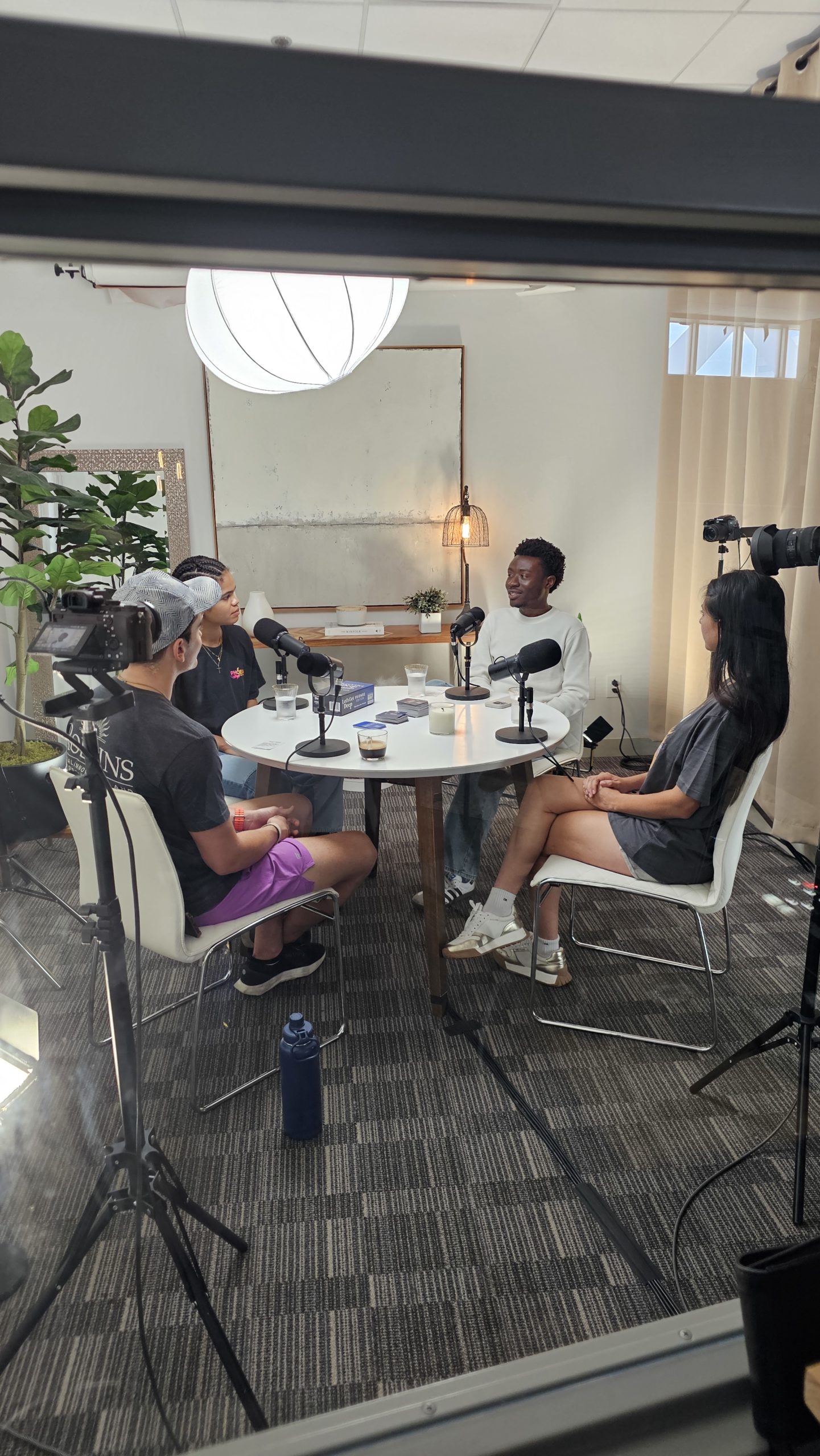
Wednesday’s episode used a card game with different types of questions (Icebreaker, Deep, Deeper) to encourage conversations. I reviewed every card beforehand and picked prompts that fit our theme – this was a good choice because some were unrelated and would make the video not interesting to watch. We adjusted the camera angles and had a couple of guests switch seats for balance. Once we started recording, the dialogue flowed smoothly. There were fewer problems than on Monday, and overall it went great.

Dealing with the Raw Footage 

After video shoots, we began the tedious task of data organizing – labeling audio tracks, syncing camera files, and organizing everything into clearly named folders. I believe that it is an important part of video editing as it makes the video editing flow faster.

Reflection 

Week seven taught me two important lessons: plans can fall apart, and you need to be ready for it, but preparation still pays off. When two of the guests dropped out, we adjusted quickly, and I am grateful that we were able to figure it out on the spot. Even though the magazine project is still in the brainstorming phase, it already feels like the next big challenge. This internship keeps pushing my skills in every direction – design, photo, video, and crisis management. I wouldn’t want it any other way.

Week 6 – COACH

I’ve been focusing a lot on my project and made great progress. I’m dividing my proposal into a 3-phase strategy combining organic content, influencer partnerships, and digital clienteling on social media. I believe I have great data from research and articles I found to support my ideas. I also finished my first draft and presented it to my mentor, George, and he was very impressed. He suggested I work on reorganizing my data to build a stronger structure to support my claims. I even sent a copy to my former Stetson professor, Todd Haderlie — we had a Digital Marketing class last fall and he was one of the best professors I had during my time at Stetson. I thought he’d be a great person to give me feedback, and he was super open to it. Now I’m excited to see what he has to say! Hopefully, I’ll know the answer by the next post kkkkk

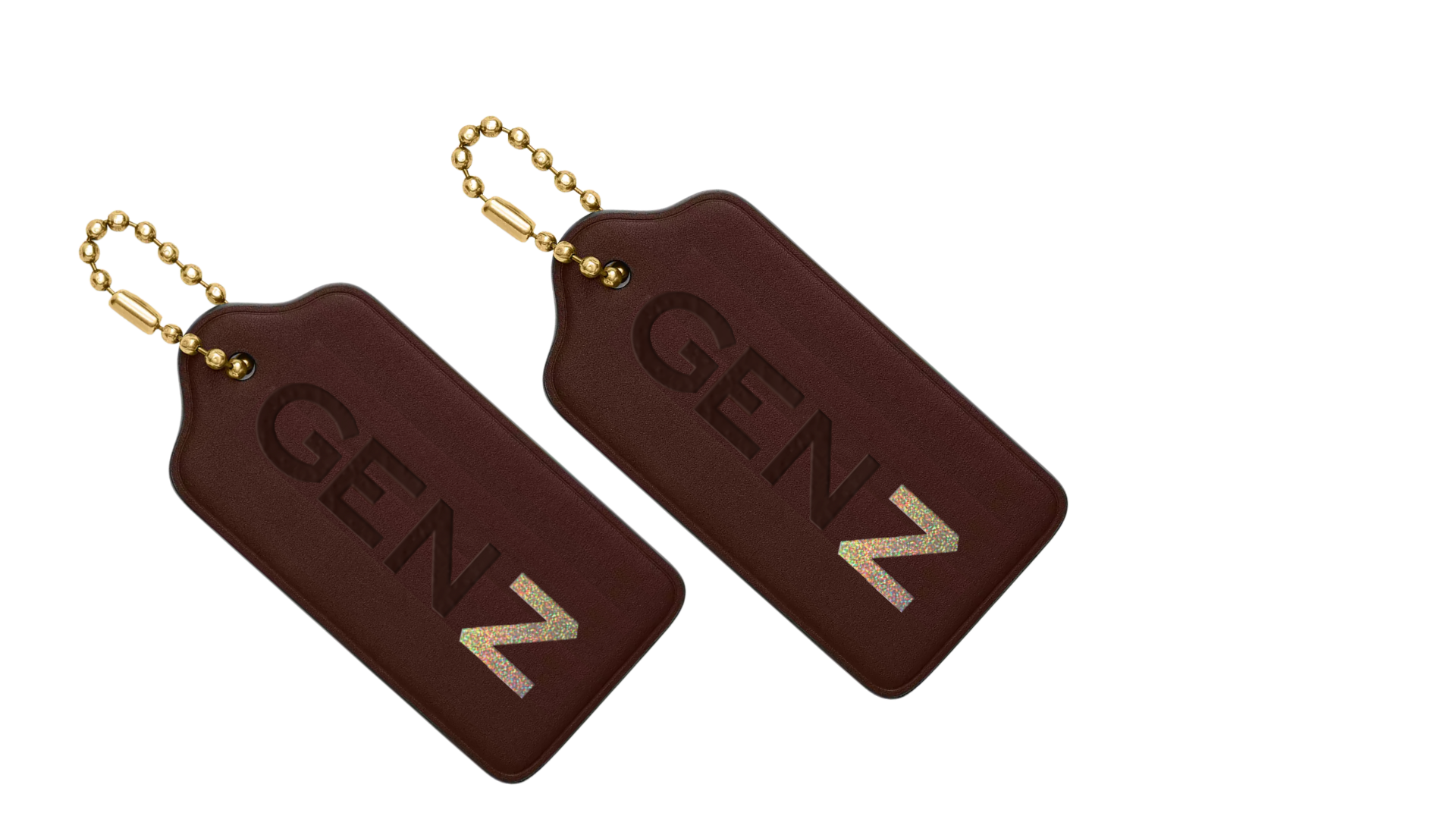
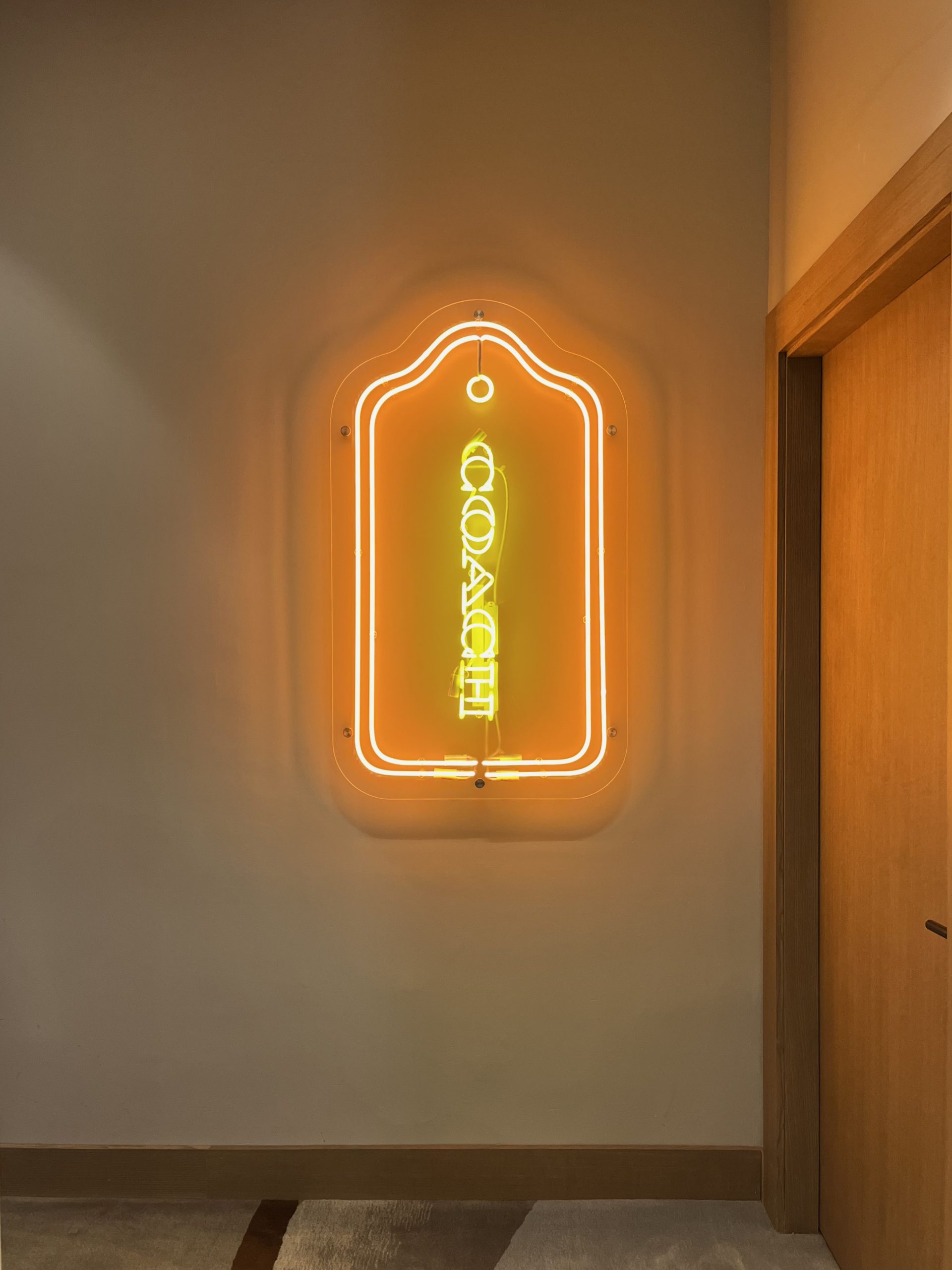
I’m currently working on the visuals for my presentation. I want to combine classic COACH elements and give them a different purpose. For example, I used Illustrator and Photoshop to transform a COACH Hangtag Bag Charm into an element for my presentation that I’ll use to display the title of the first slide. I’m playing with the brand’s aesthetic and recreating elements to make my deck interesting, fun, and creative.

One problem I’m having is that I wanted to do a survey with Gen Z COACH customers. I posted a survey on the COACH community on Reddit, but it kept getting deleted. Now I’m banned from the platform for 3 days. I wanted to get more insights on how the target audience perceives the brand’s social media. I got 15 responses in the few hours it was live before being taken down. I’m trying to find different ways to get more responses, but I feel like my options are very limited, unfortunately.

I really want to give the BEST impression EVER! They just told us that the presentation will be recorded so the President and Vice President can watch it later. They wanted to be there, but they’ll be in Europe the week of the presentation. As an international student, opportunities like this don’t happen twice.

Last week, I mentioned that we had a visit from the woman in Talent Acquisition, and that I asked her about opportunities for international students. She said there are some, however, due to the current U.S. administration, they’re changing the policies around visa sponsorship. She told me they still offer it, but you have to prove that you’re THE BEST at what you do, and why you can do it better than a citizen. That added a whole new layer of pressure on my shoulders. That information is not new to me — we learn this the moment we step into this country — but hearing it from her made it more real.

Since then, I’ve been focused on giving EVERYTHING I can to this project. More than 100% of me. I want it to be perfect, strategic, creative, to show my abilities and my personality. And although staying in the U.S. was never my top life plan, I really fell in love with the brand and with the retail industry. So, if I want to have more opportunities with COACH in the future… I better leave a good impression!

Phoenix Generation Internship Week 6

Photo Day: Headshots in the Florida Sun

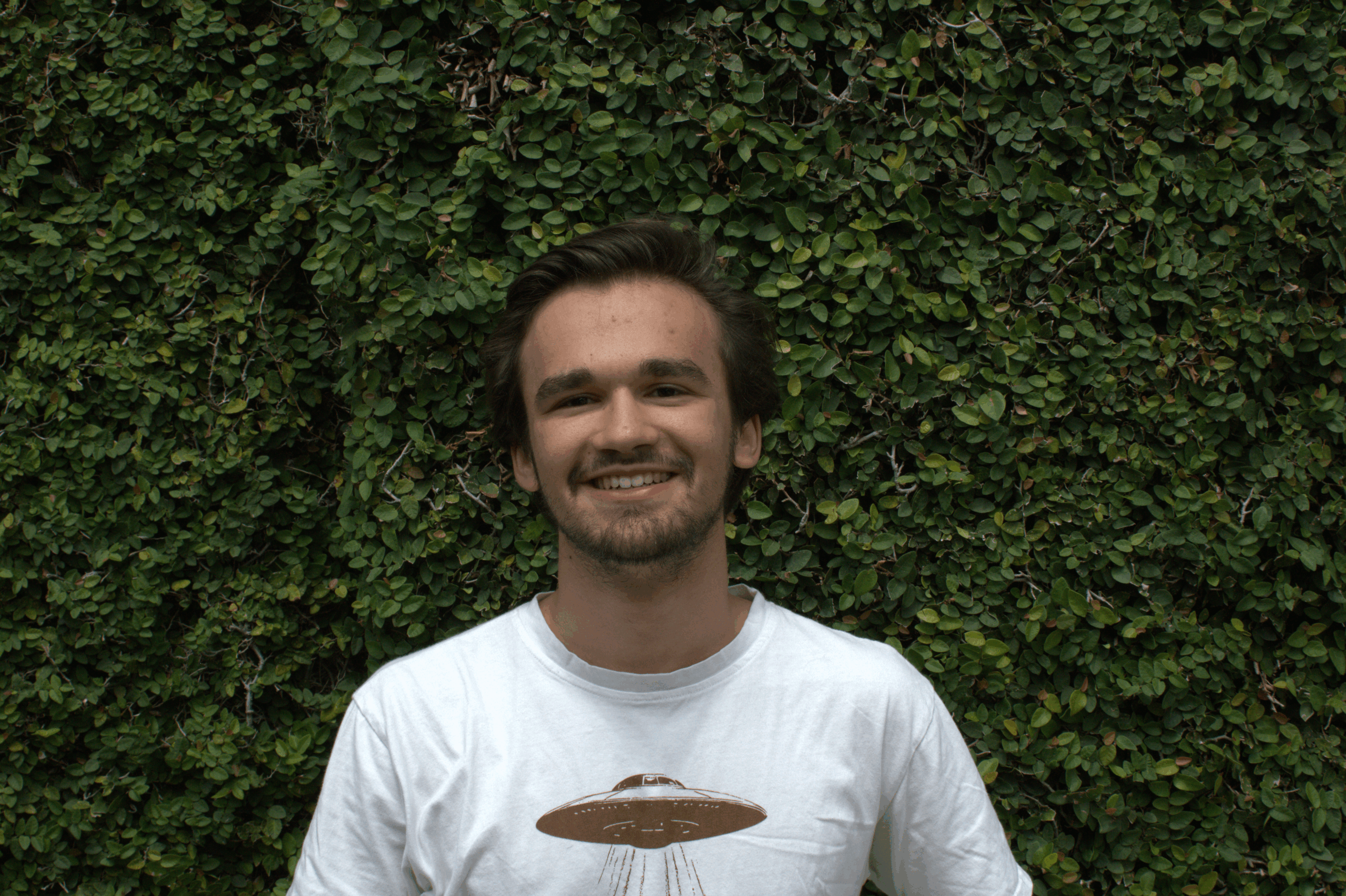
My main assignment was straightforward: shoot new head-shot photos for every intern. The challenge was to maintain consistent backgrounds and lighting outside. I found a shaded brick wall covered with leaves near the office, and spent most of Monday on it. The sun kept moving, so each setup took longer than I thought. By afternoon, everyone had a matching, well-lit portrait. After that I spent some time in Lightroom correcting exposure and color to ensure the entire set looked like it came from one mini-studio session.

Podcast retake

Mid-week, we attempted to record a solo episode with Dr. Lua Hancock. It was a short piece on why Phoenix Generation matters, as part of the mini-series. Halfway through, the main camera overheated and shut down unexpectedly. We lost some amount of footage but not a lot as we were monitoring while the camera was recording. We regrouped, checked the battery temperatures, and re-shot the missing segments. The good thing was that I liked the second take more than the first one and I know the edited video will look seamless once I put the clips together.

Polishing the Daryl Davis Interview

By Friday I was back in After Effects, cleaning up the long-form interview we shot during Courageous Conversations. Tasks included normalizing audio levels and designing a branded intro. Seeing the raw footage transform into a shareable episode reminded me why post-production might be my favorite phase – it’s when the video actually takes its final form.

Reflection

Week six was not full of events, but it sharpened my technical skills and challenged me in taking photos once more. I learned how to deal with the changing sunlight, troubleshoot an overheated camera on the fly, and keep an interview flowing in the edit. Even slow weeks here come with new problems to solve.

Week 7

This week I was assigned to a new project. This project was a government building with a data center on the second floor. Data centers are a mess to say the least. A lot of wire is needed to run and operate a data center. And where a lot of wire is needed so is a lot of conduit. When a project starts it gets auto populated, which is where the model for the conduit runs is auto generated into the project giving a general layout for the where everything needs to be. However, all the boxes and spacing is messed up and not connected.

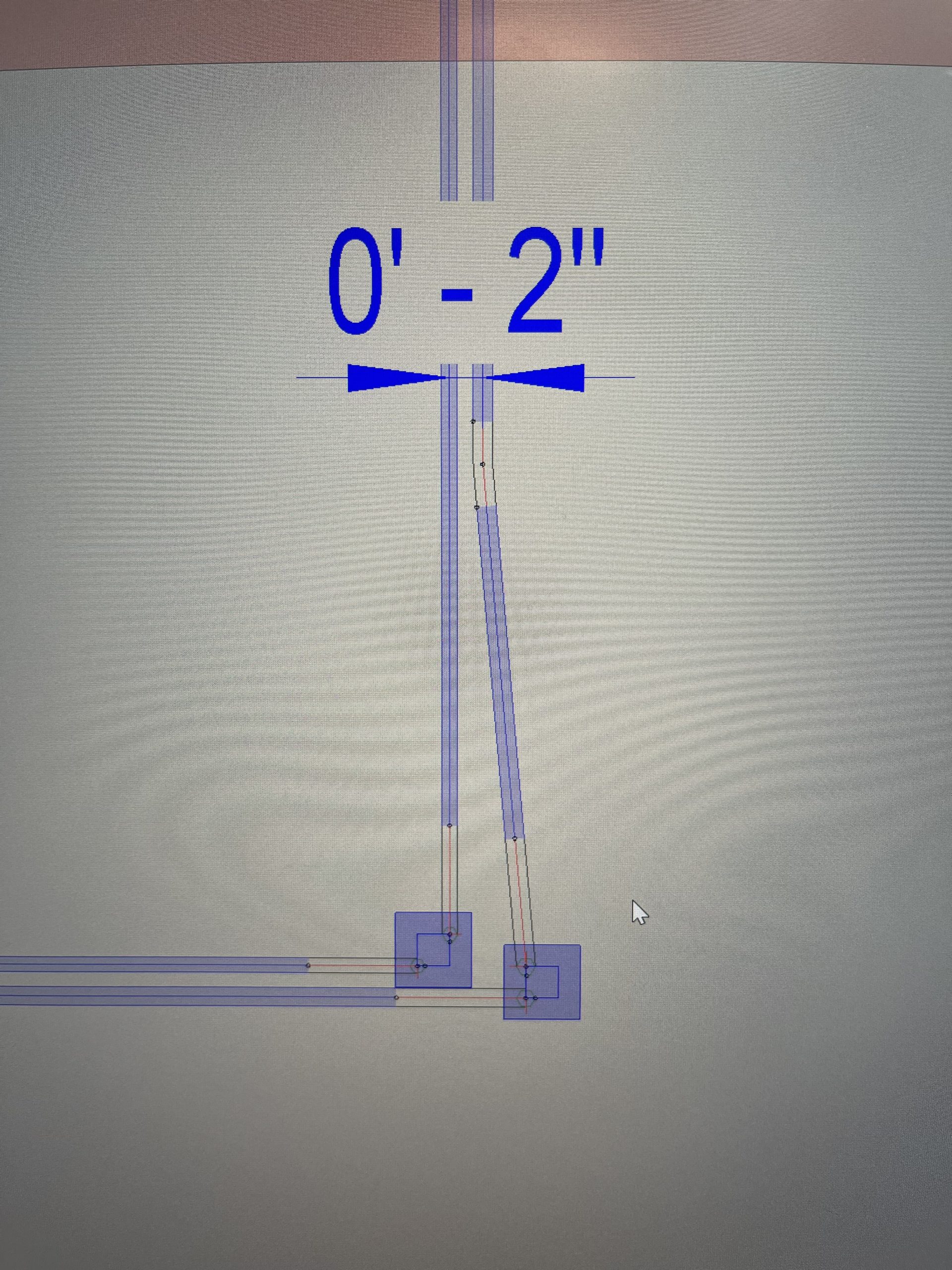
So the week mostly entailed me using section views to make sure the elevation was correct for the runs and checking to see if the conduit IDs matched the correct boxes they were running too. Along with making sure the spacing was correct. Spacing varied based on the size of the conduit. But for the most part it was a 2” spacing between the different conduits.

In terms of skills used this week in the software, I honed and sharpened the skills I have already utilized. Getting faster at pulling sections and manipulating the conduit or bends to appear cleaner . I did learn how to make and offset though. Which is where the box could be offset while the conduit spacing stayed the same.

Here is a picture of what that looks like.

I will be continuing to work in this project more again next week. I will also be meeting with my manager to talk about possibly coming on part time during school, and what my future could look like at Miller when I graduate.

Week 6 7/7-7/10


The Beginning

This week I came back from vacation, so it was a little tough to get through the week. Then the week blasted by in a blink of an eye. This week was all about preparations for the big meetings that will happen next week. I had to set the room up, go to meetings to be a guinea pig as everyone ran through their presentations. Next week I’ll be in a three day long meeting and will be tasked with taking note of a question asked or an answer given.


Field Trip

We took a field trip to a facility in Sanford to see insurance claims that were fire or accident related. The first hands on thing we saw was an air purifier that combusted on its own one night in a lady’s home. We saw the professionals disassemble it completely, then they showed pictures of the house and where the purifier was and the extent of the damage. They taught us and also talked business with some workers from our office because this was an active claim. Then they showed us a recent claim that involved Brat Pitt. Apparently he was at the restaurant that burnt down for his new F1 movie. So we got to see pictures of a place called Pappa’s out in New Smyrna Beach and this place was historic for that area, seeing that it was at least four generations old. Then they showed us auto accidents that were all active claims as well, and because of that we weren’t legally allowed to take pictures.